Cat Food Air-Dried Processing: Low-Temperature Method
1) Why air-dried processing matters for cat health
Cat owners are paying closer attention to food processing because processing can influence nutrient retention, palatability, digestibility, and safety. Air-dried cat food has gained popularity as a “less processed” alternative to traditional kibble and as a more convenient option than raw diets. The key idea is simple: air-dried foods remove moisture at relatively low temperatures, which can help preserve certain heat-sensitive nutrients and natural flavors while creating a shelf-stable product.
That said, “air-dried” is not automatically better for every cat. Cats have unique nutritional needs (they’re obligate carnivores), and the best food is the one that is complete and balanced for your cat’s life stage and health status, fits your household, and is tolerated well. Understanding how air-drying works—and what it does and does not guarantee—helps you choose wisely and feed confidently.
2) Scientific background: feline nutritional needs (obligate carnivore biology)
Cats evolved to thrive on prey: high in animal protein, moderate in fat, and naturally low in carbohydrates. Their metabolism and nutrient requirements reflect that biology.
- High protein requirement: Cats have a higher baseline protein need than dogs because they use amino acids continuously for energy and maintain higher activity of protein-metabolizing enzymes.
- Essential amino acids: Cats must obtain taurine, arginine, methionine, and others through diet. Taurine is especially critical for heart health (dilated cardiomyopathy), vision (retinal health), and reproduction.
- Essential fatty acids: Cats require arachidonic acid (found in animal fats) and benefit from omega-3 fatty acids (EPA/DHA) for skin, coat, and inflammation modulation.
- Vitamins: Cats require preformed vitamin A (retinol) from animal sources; they cannot efficiently convert beta-carotene to vitamin A like some other species.
- Carbohydrate handling: Cats can digest carbohydrates, but they have limited physiologic need for them. Some cats do fine on moderate-carbohydrate diets; others may do better with lower carbohydrate intake, especially when weight management or glucose control is a concern (always under veterinary guidance).
- Water intake: Many cats have a low thirst drive. Diet format (wet vs dry) can affect total water intake, which matters for urinary tract health in susceptible cats.
Complete and balanced matters more than any single marketing term. The most reliable benchmark for pet foods is a statement indicating the food is complete and balanced for a specific life stage using recognized standards (such as AAFCO nutrient profiles in the U.S. or FEDIAF guidelines in Europe), ideally supported by robust quality control and veterinary nutrition expertise.
3) Air-dried processing explained (evidence-based, practical)
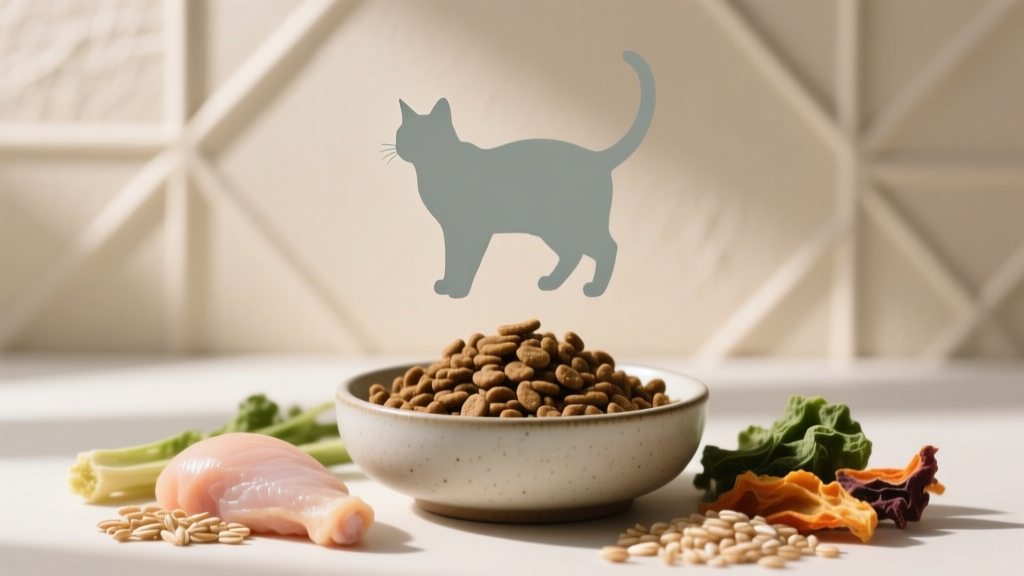
Air-dried cat food is typically made by mixing raw ingredients into a dough or minced blend, shaping it, then drying it with moving air at lower temperatures than extrusion (kibble-making). The goal is to reduce moisture enough to inhibit microbial growth and create a shelf-stable product.
How air-drying differs from common processing methods
| Method | Typical moisture | Heat exposure | Key pros | Key cautions |
|---|---|---|---|---|
| Air-dried | Often ~10–20% (varies) | Lower-temp, longer drying time (varies by brand) | Dense animal protein, strong palatability; may retain some heat-sensitive compounds better than high-heat methods | Not the same as “raw”; safety depends on pathogen controls; calorie-dense; can be pricey |
| Freeze-dried | Very low (often <5%) | Minimal heat; water removed by sublimation | Lightweight; can preserve texture and nutrients well | Often intended to be rehydrated; safety still depends on sourcing/testing |
| Extruded kibble | Low (often ~8–12%) | High heat/pressure, short time | Convenient, affordable, many therapeutic formulas available | Greater heat exposure; typically higher starch to form kibble structure |
| Canned/wet (retorted) | High (often ~75–82%) | High heat (sterilization) | Excellent hydration support; strong palatability | Heat can reduce some vitamins unless fortified; once opened, must be refrigerated |
| Fresh cooked (refrigerated) | Moderate-high | Cooked; varies by recipe | High palatability; can be tailored (with professional formulation) | Food safety and formulation quality vary widely |
What “low temperature” can mean nutritionally
- Potentially better retention of heat-sensitive nutrients: Some vitamins (like certain B vitamins) can be sensitive to heat. Lower temperatures may reduce losses, but reputable manufacturers still fortify to meet nutrient profiles.
- Protein quality and digestibility: Cooking and drying change proteins. Moderate processing can improve digestibility for some ingredients, but extreme heat can damage amino acids. Air-dried foods generally avoid extrusion-level heat, yet the impact depends on time/temperature and recipe formulation.
- Palatability: Air-dried foods often smell and taste more “meaty,” which can help picky cats, older cats with reduced appetite, or cats transitioning away from less species-appropriate options.
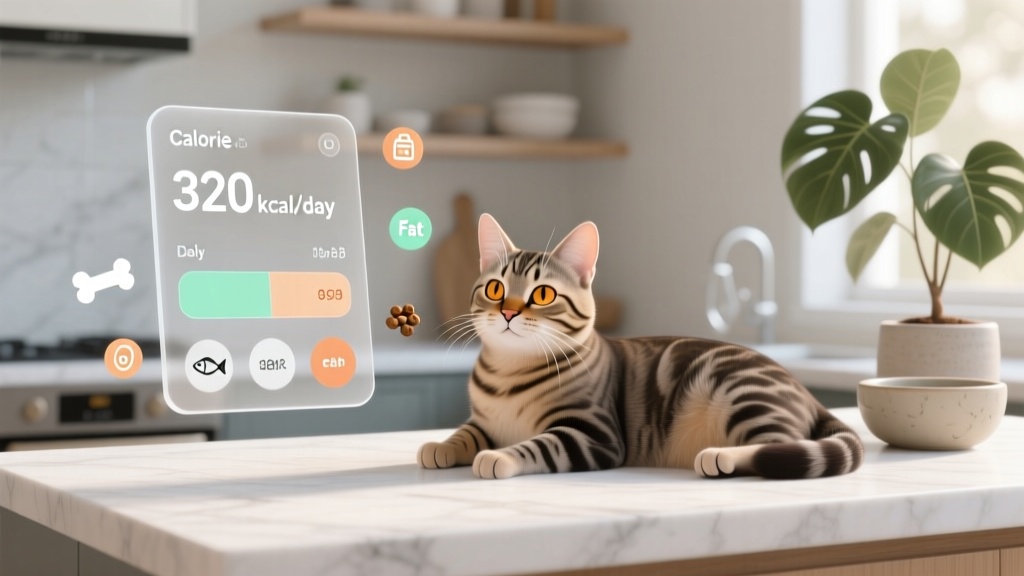
- Calorie density: Removing moisture concentrates calories. Air-dried foods can deliver a lot of energy in a small volume, which is helpful for some cats (high energy needs) but a common pitfall for indoor cats prone to weight gain.
Food safety: a realistic view
Air-dried is not synonymous with sterile. Safety depends on the brand’s manufacturing and quality control practices, including:
- Ingredient sourcing and supplier verification
- Pathogen testing (Salmonella, Listeria, E. coli where applicable)
- Validated kill steps or hurdle technologies (time/temperature controls, water activity targets, packaging controls)
- Batch traceability and recall transparency
If you have an immunocompromised household member or a cat with serious illness, discuss diet format and food-handling safety with your veterinarian.
4) Practical recommendations for cat owners
Air-dried food can be a smart choice when selected and used appropriately. Focus on these practical checkpoints.
- Look for “complete and balanced”: Choose a product labeled complete and balanced for your cat’s life stage (kitten, adult, senior). Treat-style air-dried products exist and should not be the main diet.
- Confirm life-stage suitability: Kittens, pregnant/nursing queens, and some seniors have different nutrient needs and should not eat “all life stages” foods unless your vet agrees and the product is truly formulated for that purpose.
- Prioritize animal-based proteins: The first ingredients are often meat/organs in air-dried foods. That can align well with obligate carnivore needs, but the overall formulation (including minerals) matters more than ingredient lists alone.
- Pay attention to calories: Use the calorie content (kcal per cup or per ounce/gram) and measure portions accurately. Air-dried foods can unintentionally lead to overfeeding.
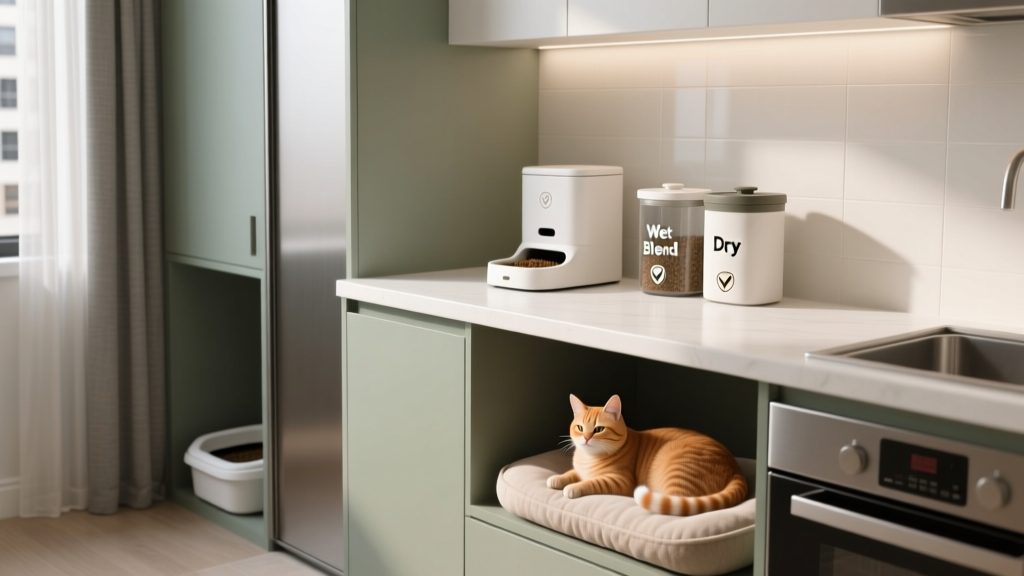
- Hydration plan: If air-dried is your main diet, consider adding water or feeding a mix of wet and air-dried to support hydration, especially for cats with a history of urinary issues (under veterinary guidance).
- Choose reputable brands: Favor companies that publish nutrient analyses, employ qualified nutrition professionals, and share testing/quality control information.
5) Comparison of feeding approaches using air-dried foods
Air-dried can be used in multiple ways. The best approach depends on your cat’s health, appetite, and your budget.
| Approach | Best for | Pros | Cons | Tips |
|---|---|---|---|---|
| Air-dried as the full diet | Healthy cats; picky eaters; owners wanting high meat inclusion | Convenient; very palatable; nutrient-dense | Can be costly; hydration may be lower than wet feeding | Weigh portions; add water or use water fountain |
| Air-dried as a topper | Cats needing appetite support; transitioning to a new food | Boosts palatability without changing full diet | Can unbalance diet if overused | Keep toppers <10% of daily calories unless directed by a vet |
| Mixed feeding (wet + air-dried) | Cats prone to urinary issues; cats who need hydration support | Better water intake than dry-only patterns; variety | Requires planning for calories and portions | Use a weekly calorie budget; keep meal routines consistent |
| Air-dried for travel/feeding convenience | Trips, pet sitters, multi-cat homes needing easy handling | Less mess than wet; stable at room temp | Portion creep; some cats eat too fast | Pre-portion daily servings; use puzzle feeders for fast eaters |
6) Common mistakes and misconceptions to avoid
- Myth: “Air-dried is raw.”
Fact: Air-dried foods are processed and dehydrated. Some may start with raw ingredients, but the finished product is not the same as a raw diet and may not follow the same handling or pathogen-risk profile. - Myth: “Low-temperature automatically means more nutritious.”
Fact: Nutrition depends on formulation, ingredient quality, bioavailability, and whether the final product meets complete-and-balanced standards. Lower heat can help preserve some nutrients, but reputable foods still need proper fortification and testing. - Mistake: Overfeeding because the portion looks small.
Air-dried foods are calorie-dense. Use a kitchen scale when possible and adjust based on body condition score, not just appetite. - Mistake: Relying on toppers and treats as the “real diet.”
Too many toppers can dilute essential nutrients and skew mineral balance. Keep extras controlled unless a veterinarian recommends otherwise. - Mistake: Choosing based on “grain-free” alone.
Grain-free is neither required nor inherently superior. The overall nutrient profile, digestibility, and quality control matter far more.
7) How to implement changes safely (transition tips)
Diet changes can trigger vomiting, diarrhea, or food refusal in sensitive cats. Transition slowly unless your veterinarian instructs otherwise.
- Standard transition (7–10 days):
- Days 1–3: 75% old food, 25% air-dried
- Days 4–6: 50% old, 50% air-dried
- Days 7–10: 25% old, 75% air-dried, then 100% if tolerated
- For sensitive cats: Extend to 14–21 days, increase in smaller steps, and keep everything else constant (no new treats, no sudden meal timing changes).
- Consider rehydration: Some cats do better when air-dried is softened with warm water. Let it sit briefly and serve at “mouse body temperature” (slightly warm, not hot).
- Monitor stool and appetite: Mild changes can be normal during transitions, but persistent diarrhea, repeated vomiting, lethargy, or refusal to eat warrants a vet call.
- Never let cats go without food for long: Cats are at risk of hepatic lipidosis when they stop eating, especially overweight cats. If your cat refuses food for more than 24 hours (or less if ill), contact your veterinarian promptly.
8) Special considerations (age, health conditions, activity level)
Kittens and growth
- Kittens need higher energy, protein, and specific minerals for bone development.
- Use only diets labeled for growth or all life stages from reputable companies.
- Confirm DHA/EPA sources and appropriate calcium-to-phosphorus balance when possible (your vet can help evaluate).
Senior cats
- Older cats may benefit from highly palatable, nutrient-dense foods if appetite is lower, but calories must still be controlled.
- Kidney function often changes with age. Some seniors require tailored protein/phosphorus strategies; do not switch to a high-meat, air-dried diet for a senior cat with suspected kidney disease without veterinary guidance.
Overweight or low-activity indoor cats
- Air-dried foods can be calorie-dense; careful portioning is essential.
- Use feeding toys or puzzle feeders to slow intake and increase activity.
- Ask your veterinarian about a safe weight-loss plan; rapid calorie restriction is risky in cats.
Urinary tract concerns (FLUTD, crystals, history of blockage)
- Hydration and urine dilution are key management tools for many urinary conditions.
- Some cats do best on veterinary therapeutic urinary diets designed to manage urine pH and mineral content. Air-dried over-the-counter foods may not provide the same control.
- Discuss diet format and moisture strategy with your vet, especially for male cats with any history of blockage.
Food allergies or inflammatory bowel disease (IBD)
- Air-dried foods can be helpful if they offer limited ingredient options, but “limited ingredient” is not the same as “hypoallergenic.”
- For true food allergy workups, veterinarians often recommend a strict elimination trial using a veterinary hydrolyzed or novel protein diet. Treats/toppers (including air-dried) can invalidate the trial.
Diabetes or insulin resistance
- Some diabetic cats benefit from diets lower in carbohydrates and higher in protein, but diet changes can affect insulin needs quickly.
- Never switch a diabetic cat’s diet without your veterinarian’s oversight and a plan for glucose monitoring.
9) FAQ: common questions about air-dried cat food
1) Is air-dried cat food healthier than kibble?
Not automatically. Air-dried foods may offer advantages in palatability and potentially different nutrient retention due to lower temperatures, but health outcomes depend on whether the diet is complete and balanced, appropriately portioned, and tolerated by your cat. Many cats do well on high-quality kibble; many also thrive on air-dried or wet diets. Choose based on your cat’s needs and your vet’s guidance.
2) Do I need to add water to air-dried food?
It’s often a good idea, especially if air-dried is a large part of the diet and your cat doesn’t drink much. Adding water can support hydration and may reduce constipation risk in some cats. If your cat has urinary issues or kidney disease, ask your veterinarian for a hydration and diet plan tailored to their condition.
3) Is air-dried food safe from bacteria like Salmonella?
Safety varies by manufacturer. Drying lowers moisture (water activity), which helps limit microbial growth, but it doesn’t guarantee the elimination of pathogens. Look for brands that describe pathogen testing and quality controls, and practice good hygiene: wash hands, keep scoops clean, and store food sealed in a cool, dry place.
4) Can I feed air-dried food as a treat or topper?
Yes, as long as it’s used strategically. Keep treats/toppers to under 10% of daily calories for most healthy cats to avoid unbalancing the diet. If your cat is on a veterinary therapeutic diet, ask your vet before adding any toppers.
5) How do I know if an air-dried food is “complete and balanced”?
Check the packaging for a nutritional adequacy statement indicating the food is complete and balanced for a life stage (often referencing AAFCO or FEDIAF). If it’s unclear, contact the company and ask for confirmation, a typical nutrient analysis, and quality-control details. Your veterinarian can also help interpret the label.
6) Will air-dried food help with dental health?
Don’t assume so. Most dry-format foods (including air-dried pieces) do not reliably clean teeth. Dental health is best supported by a combination of home dental care (brushing if possible), veterinary dental exams/cleanings, and VOHC-accepted dental products when appropriate. Ask your veterinarian what’s realistic for your cat.
Choosing the best path for your cat
Air-dried processing is a low-temperature method that can produce highly palatable, protein-forward, shelf-stable cat foods. The best results come from choosing a reputable, complete-and-balanced product, controlling calories carefully, and supporting hydration—especially for cats with urinary sensitivities.
For any significant diet change—particularly for kittens, seniors, overweight cats, or cats with kidney disease, urinary disease, diabetes, GI disease, or food allergies—consult your veterinarian or a board-certified veterinary nutritionist to ensure the plan is safe and appropriate.
If you want to keep optimizing your cat’s diet with confidence, explore more cat nutrition guides and feeding strategies on catloversbase.com.