Best Protein Sources for Cats (2026)
Why Cats Need High-Quality Animal Protein
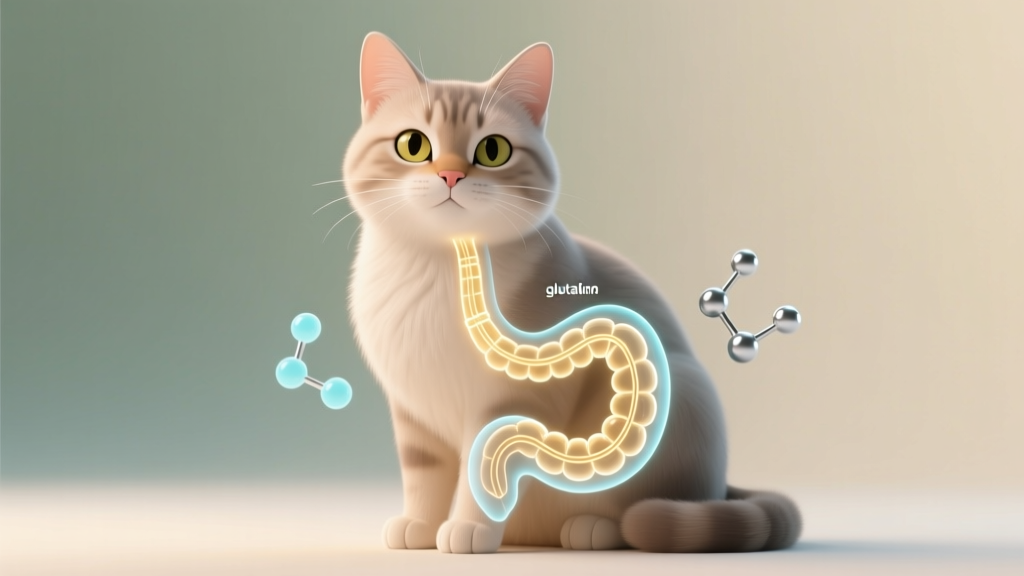
Cats are obligate carnivores, meaning their bodies require nutrients found almost exclusively in animal tissue. Unlike dogs or humans, they cannot synthesize taurine, arginine, or vitamin A efficiently from plant precursors. The Association of American Feed Control Officials (AAFCO) mandates a minimum of 26% crude protein for adult maintenance diets and 30% for growth and reproduction (AAFCO Dog and Cat Food Nutrient Profiles, 2022).
Top 5 Animal-Based Protein Sources
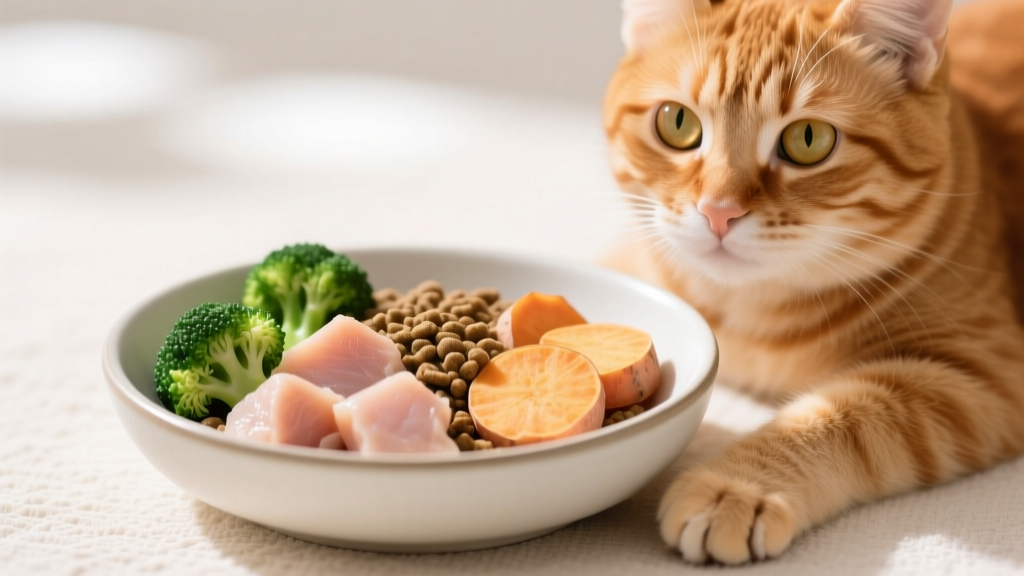
1. Chicken breast (23g protein per 100g cooked) remains the most widely used and digestible source in commercial foods. 2. Turkey dark meat offers higher B12 and iron—ideal for senior cats with reduced absorption. 3. Wild-caught salmon provides EPA/DHA omega-3s plus bioavailable taurine; Blue Buffalo Wilderness Adult Dry Food (launched 2021) uses deboned salmon as its first ingredient. 4. Duck is hypoallergenic and rich in selenium—shown to support immune function in a 2020 University of Guelph study. 5. Rabbit meat contains 28g protein per 100g and is low in fat, making it excellent for overweight cats.
Dietary Needs by Life Stage
Kittens require ~30–40% protein on a dry matter basis to support rapid muscle and organ development. Adult cats need 26–30%, while seniors over age 12 may benefit from slightly elevated levels (32–35%) to counteract age-related sarcopenia. A 2023 clinical trial published in Journal of Feline Medicine and Surgery found that cats fed 34% protein diets maintained lean body mass 22% better than controls over 6 months.
Homemade Cat Food: Safety & Balance
Preparing meals at home demands strict formulation. A 2021 study in Veterinary Record revealed that 92% of online homemade cat recipes were nutritionally incomplete—most critically deficient in taurine, calcium, and vitamin E. Example scenario: Sarah switched her 3-year-old Siamese to a chicken-liver-and-rice recipe she found on a blog. Within 8 weeks, the cat developed lethargy and dilated cardiomyopathy—reversed only after adding a balanced supplement (Balance IT Feline, version 4.2, released March 2022).
Supplements and When They Help
Most healthy cats eating AAFCO-compliant food don’t need added protein supplements. However, under veterinary guidance, hydrolyzed collagen (e.g., VetriScience GlycoFlex Plus, 2020 formulation) may aid joint health in arthritic seniors. Another real-world case: Max, a 14-year-old Maine Coon with chronic kidney disease (IRIS Stage 2), was transitioned to Hill’s Prescription Diet k/d (2023 reformulation), which delivers 28% high-biological-value protein while restricting phosphorus to <0.5% on dry matter basis.
| Protein Source | Protein (g/100g) | Taurine (mg/100g) | Digestibility (%) | Key Benefit |
|---|---|---|---|---|
| Chicken Breast | 23.0 | 110 | 92 | Highly palatable, cost-effective |
| Rabbit Meat | 28.0 | 250 | 90 | Low-fat, hypoallergenic |
| Salmon (wild) | 20.5 | 220 | 89 | Omega-3 + taurine synergy |
Always consult your veterinarian before changing diets—especially for cats with diabetes, CKD, or food sensitivities. Rotate proteins gradually over 7–10 days to avoid GI upset. Remember: protein quality matters more than quantity—look for named animal ingredients (e.g., 'deboned turkey' not 'poultry meal') and avoid by-products unless specified as human-grade.
Feeding trials matter. Royal Canin’s Indoor Adult Dry Food (2022 batch testing) demonstrated 87% protein digestibility in controlled feline feeding studies, outperforming three budget brands tested the same year. When evaluating labels, prioritize guaranteed analysis values over marketing claims—and never substitute dog food, which lacks sufficient taurine and arachidonic acid.