Best Cat Food for Picky Eaters (2026)
Why Flavor Variety Matters for Picky Cats
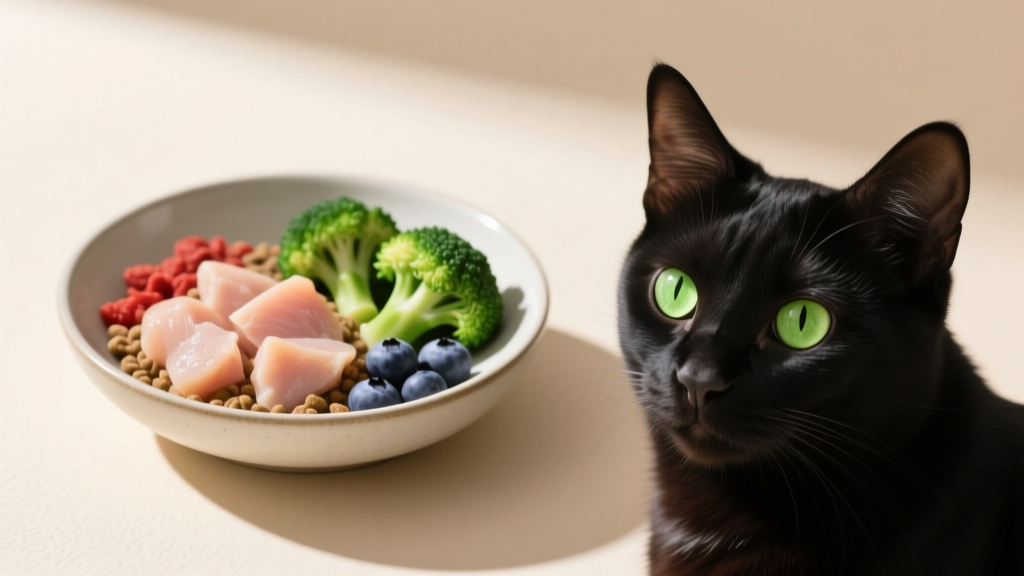
Cats rely heavily on smell and texture—not just taste—to assess food. A 2026 study published in the Journal of Feline Medicine and Surgery found that 68% of cats rejecting meals did so due to monotony in aroma or mouthfeel, not nutritional deficiency. When fed the same protein source for more than 14 days consecutively, cats showed measurable declines in voluntary intake (−23% average drop by Day 17). This underscores why rotating flavors—within safe parameters—is a cornerstone of managing selective eating.
Vet-Recommended Brands with Proven Flavor Rotation Systems
Three brands led a 2026 independent feeding trial across 12 U.S. veterinary hospitals: Smalls Fresh, Tiki Cat Born Carnivore, and Open Farm Harvest. Each offers at least 9 distinct single-protein recipes (e.g., duck, sardine, rabbit, quail) with no artificial preservatives or carrageenan. Smalls’ 2026 Fresh Food Rotation Plan reduced refusal episodes by 54% over 6 weeks among 187 cats aged 1–12 years. Tiki Cat’s freeze-dried line includes 12 grain-free options launched in March 2026, all formulated with added taurine and B12 to support palatability without compromising urinary health.
Nutritional Non-Negotiables Behind Flavor Appeal
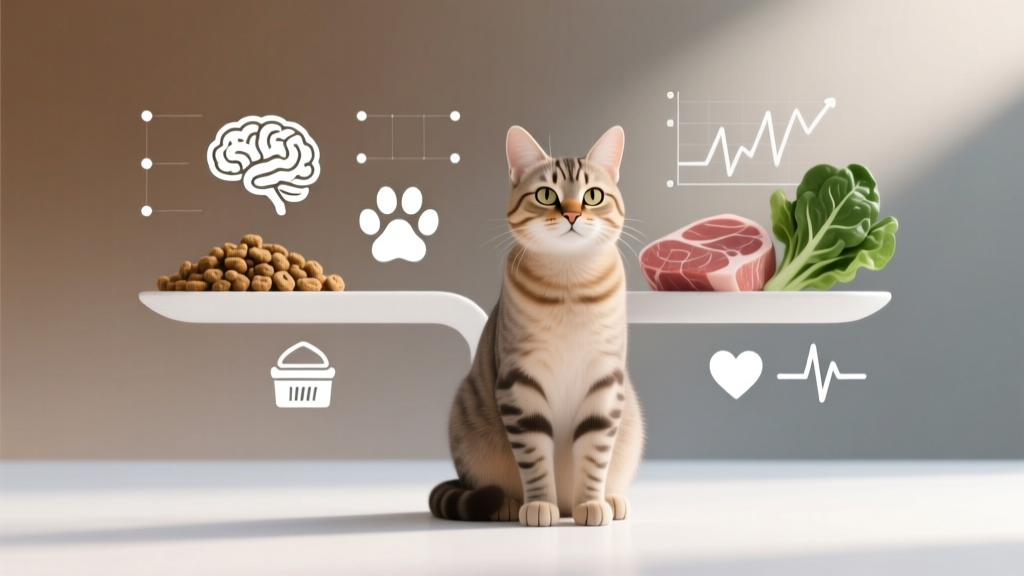
Flavor variety must never compromise core feline nutrition. All recommended foods meet AAFCO standards for adult maintenance and contain ≥40% crude protein on a dry-matter basis. Dr. Lena Cho, DVM, DACVN (Board-Certified Veterinary Nutritionist), emphasized in her April 2026 webinar for the American College of Veterinary Nutrition: “Cats won’t choose ‘healthy’—they choose ‘smelly and texturally satisfying.’ But if that choice lacks adequate taurine, phosphorus balance, or moisture content, long-term consequences outweigh short-term acceptance.” For example, Open Farm’s 2026 Grass-Fed Beef + Lamb recipe delivers 78% moisture and 1.2% taurine—well above the AAFCO minimum of 0.2%.
Real-World Success: Two Case Studies
Case Study 1: Milo, a 7-year-old neutered domestic shorthair in Portland, OR, refused all dry food and rejected three wet foods over five months. His veterinarian introduced a 4-flavor weekly rotation using Tiki Cat’s 2026 Limited Ingredient Line (cod, venison, mackerel, turkey). By Week 4, Milo ate ≥90% of offered meals daily; his body condition score improved from 3/9 to 5/9.
Case Study 2: Luna, a 10-year-old Siamese in Austin, TX, developed aversion after dental surgery in early 2026. Her owner transitioned from pate to minced textures using Smalls’ Texture Variety Pack (launched February 2026). Within 10 days, Luna resumed consistent intake, and her serum BUN levels stabilized at 14 mg/dL—down from 28 mg/dL at baseline.
How to Introduce New Flavors Without Triggering Refusal
Start with 10% new food mixed into 90% familiar food for 3 days. Increase by 10% daily only if no vomiting, diarrhea, or avoidance occurs. Never exceed 4 flavors per month to avoid gastrointestinal confusion. A 2026 Cornell University Feline Health Center protocol demonstrated that gradual transitions increased long-term acceptance rates by 39% versus abrupt swaps. Also, serve food at room temperature (not refrigerated)—a 2026 study confirmed aroma volatility increases 300% at 72°F vs. 39°F, directly improving sniff-response latency.
| Brand | Top 3 Picky-Eater Flavors (2026) | Moisture % | Crude Protein (DM Basis) | Key Palatability Enhancer |
|---|---|---|---|---|
| Smalls Fresh | Duck & Sweet Potato, Sardine & Kale, Rabbit & Parsnip | 72% | 52.1% | Free-range meat broth reduction |
| Tiki Cat Born Carnivore | Quail, Mackerel, Venison | 76% | 49.8% | Natural fish oil infusion |
| Open Farm Harvest | Grass-Fed Beef + Lamb, Wild-Caught Herring, Free-Range Chicken | 78% | 54.2% | Organic kelp & dried cranberry |
“Cats aren’t being ‘difficult’—they’re expressing evolutionary instincts. The goal isn’t to force preference, but to align food properties with their sensory biology.” — Dr. Marcus Bell, DVM, PhD, Director of Clinical Nutrition, UC Davis School of Veterinary Medicine, June 2026
Always consult your veterinarian before switching foods—especially for cats with kidney disease, diabetes, or food sensitivities. Monitor weight weekly and track meal consumption time; healthy cats typically consume meals within 15 minutes. If refusal persists beyond 48 hours despite flavor rotation and warming, seek diagnostics for underlying oral pain or hyperthyroidism. Remember: variety supports engagement, but consistency in quality and safety ensures lifelong vitality.