The Impact of Dietary Zinc on Cat Immune Response
1) How can I tell if my cat needs more zinc?
You can’t reliably diagnose zinc deficiency from appearance alone. Skin and coat changes can come from parasites, allergies, infection, or other nutrient imbalances. If you suspect a problem, bring your cat to a veterinarian for a full exam and a diet history review. If supplementation is needed, your vet can choose an appropriate dose and form and monitor response.
2) Is wet food or dry food better for zinc and immune health?
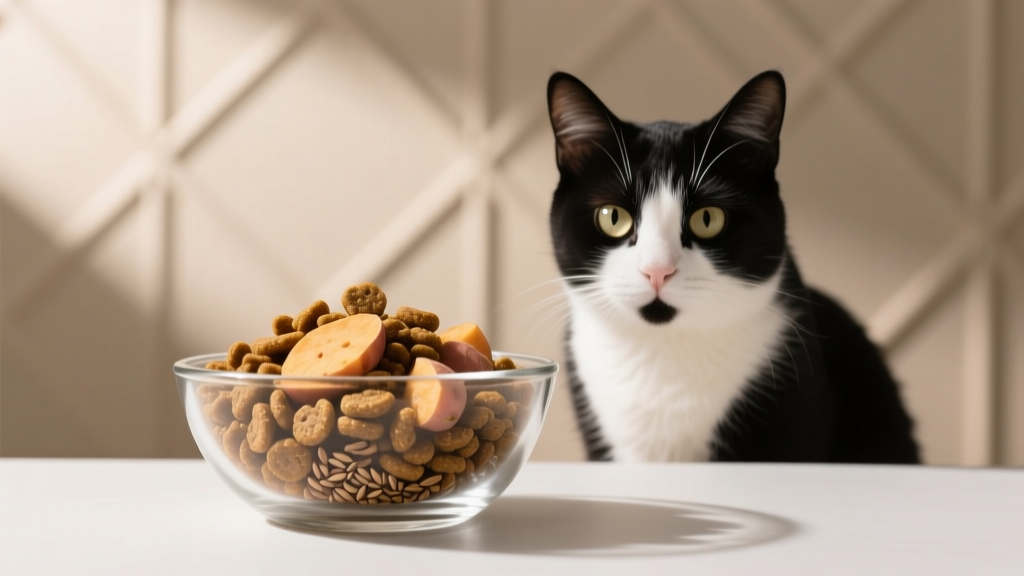
Both wet and dry foods can provide adequate zinc if they are complete and balanced. The “better” choice depends more on overall formulation quality, your cat’s hydration needs, urinary tract history, calorie control, and preferences. Your veterinarian can help you choose the best format for your cat’s health profile.
3) Can I give my cat a human zinc supplement?
Don’t do this without veterinary direction. Human supplements may provide inappropriate doses for cats, and some products include additional ingredients that aren’t ideal. Excess zinc can cause illness and disrupt mineral balance.
4) Does zinc prevent my cat from getting infections?
Zinc supports normal immune function, but it doesn’t “immunize” a cat against viruses or bacteria. Vaccination, parasite prevention, stress reduction, good hygiene (especially in multi-cat homes), and overall nutrition are all part of infection prevention.
5) My cat eats a lot of treats. Could that affect zinc intake?
Yes. If treats (or table foods) displace a significant portion of a complete diet, total vitamin and mineral intake can become unbalanced. Keeping treats to under about 10% of daily calories helps maintain nutrient adequacy, including zinc.
6) If my cat has a poor coat, should I switch to a “skin and coat” diet for more zinc?
A skin-focused diet may help if it’s addressing the true issue (for example, better fatty acid profile, improved digestibility, or a therapeutic formulation). Before switching, check with your veterinarian to rule out fleas, mites, ringworm, and allergy triggers—then choose a diet change that matches the diagnosis.
Bottom line for cat owners: Zinc is essential for a strong immune response, healthy skin barriers, and normal healing—but the safest way to get it right is through a complete and balanced diet and veterinary guidance when symptoms suggest a deeper problem. For more practical, science-based feeding tips, explore our cat nutrition guides on catloversbase.com.