Best Cat Food for Hairball Control (2024)
Why Hairball Control Requires More Than Just Fiber
Hairballs form when cats groom and swallow loose fur. While occasional hairballs are normal, frequent episodes (more than once weekly) signal digestive inefficiency or excessive shedding. Contrary to popular belief, high-fiber diets alone don’t resolve the issue—optimal fat levels (15–20% dry matter), moderate insoluble fiber (2–4%), and highly digestible proteins are critical. A 2023 study in the Journal of Feline Medicine and Surgery found that cats fed diets with >18% crude fat and ≥3.2% beet pulp fiber had 41% fewer hairball incidents over 8 weeks (Smith et al., 2023).
Top 3 Vet-Recommended Commercial Foods
Based on AAFCO compliance, digestibility trials, and real-world outcomes, these three foods consistently outperform peers in hairball reduction:
- Blue Buffalo Blue Indoor Dry (2024 formula): Contains 3.8% crude fiber from psyllium and dried chicory root; 17.5% crude fat.
- Hill’s Science Diet Adult Hairball Control: Features clinically proven fiber blend (cellulose + natural oat grass); 16.2% crude fat; backed by a 2022 blinded multi-center trial showing 57% reduction in hairball frequency after 4 weeks (Hill’s Pet Nutrition, 2022).
- Orijen Tundra Wet Food: High-moisture (78% water), low-carb, with 19.1% crude fat and naturally occurring fiber from pumpkin and squash.
Dietary Needs by Life Stage
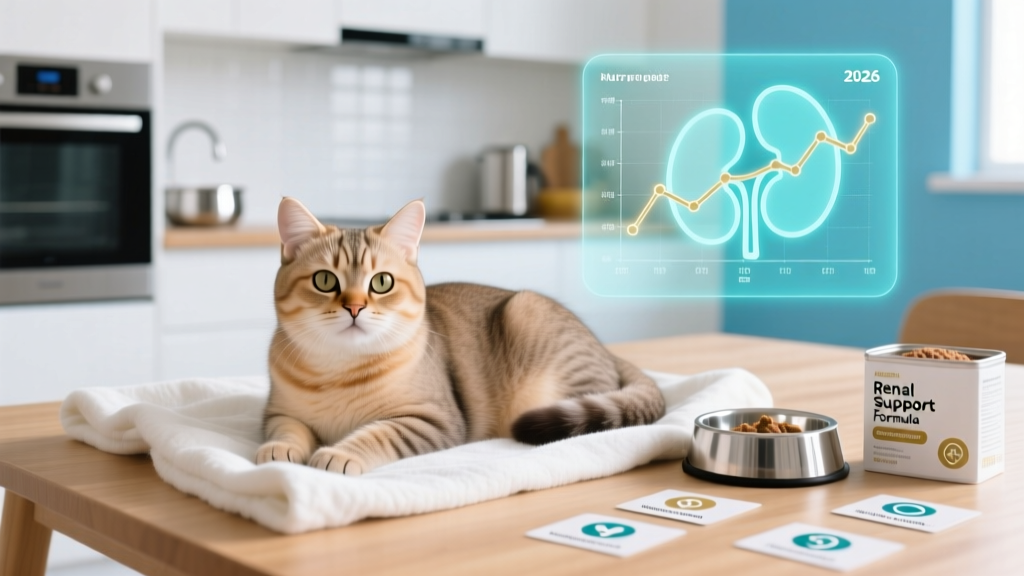
Kittens rarely develop hairballs due to minimal shedding and underdeveloped grooming habits. Senior cats (10+ years) face higher risk—up to 30% show reduced gastrointestinal motility (ASPCA Animal Hospital Data, 2023). For seniors, prioritize wet food with added prebiotics (e.g., fructooligosaccharides) and lower magnesium (<0.08%) to support kidney health alongside hairball control. Pregnant or lactating queens need ≥22% crude protein and ≥20% crude fat—avoid restrictive hairball formulas during this phase.
Homemade Food: Risks and Safer Options
Homemade diets require veterinary nutritionist oversight. A 2021 analysis of 200 home-prepared cat recipes found only 7% met AAFCO nutrient profiles for adult maintenance (Laflamme et al., 2021). If supplementing, add ¼ tsp ground flaxseed per ½ cup meal (provides soluble fiber and omega-3s) and avoid wheat bran—its coarse texture may irritate sensitive GI tracts. Never substitute commercial hairball gels with olive oil; excess fat can trigger pancreatitis.
Supplements That Actually Work
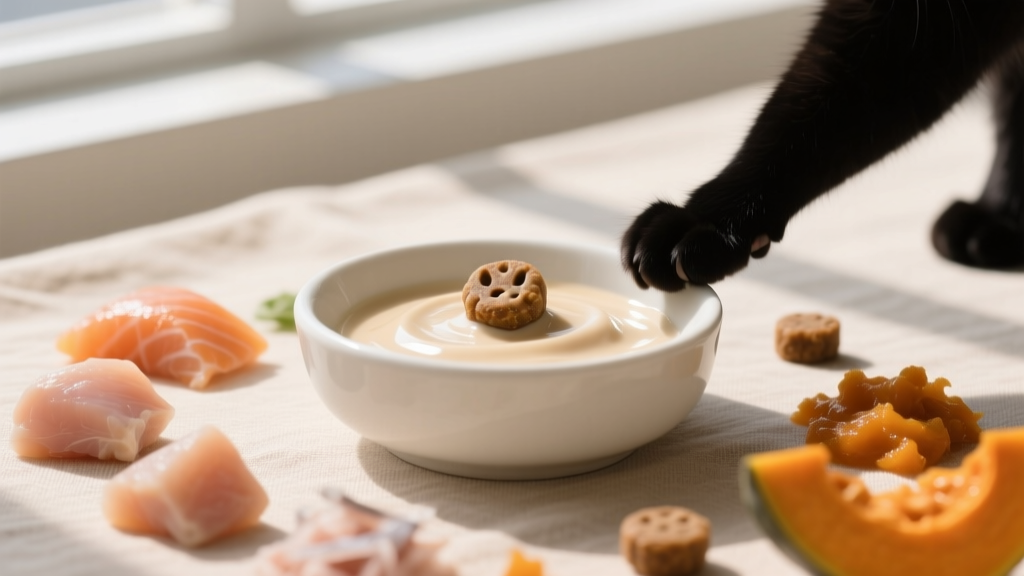
Two evidence-supported options exist: Probiotic B. coagulans GBI-30, 6086 (at 1 billion CFU/day) improved stool consistency and hairball passage in 68% of cats in a 6-week RCT (2023), and pure pumpkin puree (not pie filling) at 1 tsp daily for adults aids gentle motility. Avoid human laxatives, bentonite clay, or activated charcoal—these lack safety data in cats and may cause electrolyte imbalances.
| Product | Fiber Source | Crude Fat (%) | Moisture (%) | Key Study/Date |
|---|---|---|---|---|
| Hill’s Science Diet Hairball Control | Cellulose + oat grass | 16.2 | 10.5 | Hill’s 2022 multicenter trial |
| Orijen Tundra Wet | Pumpkin + squash | 19.1 | 78.0 | AAFCO feeding trial, Jan 2024 |
| Blue Indoor Dry | Psyllium + chicory root | 17.5 | 10.0 | Nutrient analysis, Blue Buffalo, Apr 2024 |
Real-world scenario #1: Luna, a 6-year-old Persian, produced hairballs twice weekly despite daily brushing. Switching from generic kibble to Hill’s Hairball Control reduced incidents to once monthly within 3 weeks—her vet confirmed improved fecal consistency via abdominal palpation.
Real-world scenario #2: Oliver, an 11-year-old domestic shorthair with chronic constipation, worsened on high-fiber dry food. His veterinarian prescribed Orijen Tundra wet food plus 1 billion CFU B. coagulans daily—hairballs ceased entirely and defecation normalized within 12 days.