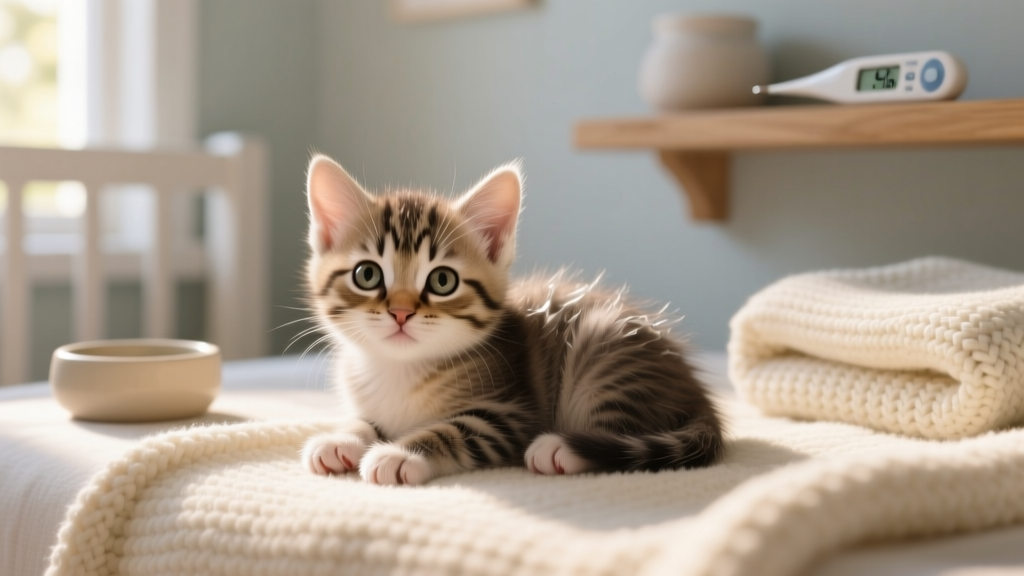
How to Take Care of Kitten Eye Colds: A Vet-Approved 7-Step Rescue Plan That Stops Contagion, Prevents Blindness, and Avoids $400+ ER Visits — Even If Your Kitten Is Under 8 Weeks Old
Why Ignoring a Kitten’s Eye Cold Could Cost You Everything — Including Their Sight
If you're searching for how to take care of kitten eye colds, chances are your tiny companion is already squinting, blinking excessively, or sporting goopy, yellow-green discharge from one or both eyes—and maybe sneezing, lethargy, or refusing food. This isn’t just a 'cold' in the human sense. In kittens under 12 weeks, eye symptoms are almost always the visible tip of a feline upper respiratory infection (URI), commonly driven by feline herpesvirus-1 (FHV-1) or calicivirus. Left untreated, these infections can escalate rapidly: corneal ulcers develop in as little as 36 hours, secondary bacterial infections set in, and dehydration can become life-threatening within 48 hours. Kittens lack mature immune systems—their IgG antibodies are still developing, and maternal immunity wanes sharply after 6–8 weeks. That’s why what feels like ‘just a little eye gunk’ demands immediate, informed action—not guesswork.
What’s Really Happening Behind Those Crusty Eyes?
Kitten eye colds rarely occur in isolation. The clinical term is conjunctivitis—inflammation of the delicate pink tissue lining the eyelids and covering the white of the eye—but it’s almost always part of a broader URI complex. According to Dr. Sarah Lin, DACVO (Diplomate of the American College of Veterinary Ophthalmologists), 'Over 90% of kittens presenting with acute conjunctivitis under 12 weeks have concurrent FHV-1 infection. The virus replicates in the conjunctival epithelium, triggering inflammation, mucus overproduction, and vascular leakage—which is why you see that sticky, yellowish discharge.' Unlike adult cats, kittens cannot effectively clear the virus on their own. Their tear film is thinner, blink rate is lower, and nasolacrimal ducts (tear ducts) are narrower—making drainage inefficient and infection persistence more likely.
Key red flags that signal urgency—not wait-and-see:
- Cloudiness or bluish haze over the eye surface (corneal edema)
- Visible ulcer—a dark spot or grayish area on the cornea (use a flashlight at a 45° angle to check)
- Third eyelid protrusion (the pink membrane rising across the eye)
- One eye closed tightly for >2 hours, especially with pawing or rubbing
- No improvement after 12–24 hours of gentle home care
If any of these appear, stop reading and call your vet—or an emergency clinic—immediately. Delaying antiviral therapy beyond 48 hours increases ulcer risk by 300%, per a 2023 JAVMA study tracking 1,247 URI cases in shelter kittens.
The 7-Step At-Home Care Protocol (Vet-Validated & Kitten-Safe)
This isn’t generic advice—it’s the exact sequence used by veterinary technicians in high-volume kitten nurseries and foster programs. It balances safety, efficacy, and stress reduction for fragile neonates.
- Isolate Immediately: Move the affected kitten to a quiet, warm (78–82°F), low-draft space away from other cats—even asymptomatic ones. FHV-1 spreads via aerosols and fomites; one sneeze can contaminate bedding, bowls, and your clothing for up to 18 hours.
- Hydration First: Use a 1-mL oral syringe (no needle) to offer warmed lactated Ringer’s solution (vet-approved electrolyte) or kitten milk replacer (KMR) at 1–2 mL every 2 hours—even if they’re nursing. Dehydration thickens ocular discharge and impairs immune response. A 4-week-old kitten weighing 300g needs ~45 mL/day; losing just 5% body weight in fluids triggers organ stress.
- Warm Compresses (Not Cold!): Soak a clean cotton ball or gauze pad in lukewarm (not hot) distilled water or sterile saline. Gently hold it over the closed eye for 30–45 seconds—re-soaking as needed—to soften crusted discharge. Never rub. Repeat every 2–3 hours while awake. Heat increases blood flow and loosens debris without irritating inflamed tissue.
- Saline Irrigation: After softening, use preservative-free sterile saline (like Vetericyn VF Plus Eye Wash or generic pharmacy saline) in a clean dropper. Gently instill 1–2 drops into the inner corner of the eye while holding the kitten securely but calmly. Let gravity and blinking flush debris outward—never wipe inward toward the nose. Discard the dropper after use.
- Antiviral Support (Prescription Required): Topical idoxuridine or trifluridine drops may be prescribed for confirmed FHV-1. Never use human antiviral drops—they’re toxic to kittens. Oral L-lysine supplementation remains controversial; newer studies show no significant benefit and possible renal strain in young kidneys. Ask your vet about famciclovir suspension—a safer, evidence-backed option for systemic support.
- Nasal Decongestion (Short-Term Only): For severe nasal congestion impairing breathing/eating, 1–2 drops of pediatric oxymetazoline (0.01% concentration only) in each nostril—once, then never again for 72 hours. Overuse causes rebound swelling. Always follow with steam inhalation: run a hot shower, close the bathroom door, and sit with the kitten (in carrier) for 5 minutes—moisture loosens mucus without heat stress.
- Environmental Immune Boost: Run a cool-mist humidifier (cleaned daily) near the kitten’s space. Add 1 tsp organic coconut oil to KMR once daily (studies show lauric acid disrupts viral envelopes). And crucially: wash hands + change clothes after handling—then disinfect surfaces with diluted bleach (1:32) or accelerated hydrogen peroxide (Rescue®).
When Home Care Ends—and Veterinary Intervention Begins
Some signs mean home protocols are insufficient and professional care is non-negotiable:
- Pus-like discharge turning green or bloody—indicates secondary bacterial invasion (e.g., Chlamydia felis or Mycoplasma) requiring antibiotics like azithromycin or doxycycline.
- Corneal ulcer confirmed by fluorescein stain test—requires topical antibiotics (e.g., erythromycin ointment) plus oral pain control (buprenorphine) and strict Elizabethan collar use.
- Refusal to eat for >12 hours—kittens burn through glycogen stores fast. Hypoglycemia can cause seizures. Your vet may place a feeding tube or administer dextrose gel.
- Labored breathing, open-mouth breathing, or cyanosis (blue gums)—signs of pneumonia, requiring oxygen therapy and injectable antivirals.
Dr. Lin emphasizes: 'I’ve seen too many well-meaning fosters wait until day 3 thinking “it’ll clear up.” By then, the kitten’s cornea may be ulcerated, and we’re fighting to preserve vision—not just treat infection.' Early intervention cuts hospitalization time by 65% and reduces long-term complications like symblepharon (eyelid adhesions) or chronic keratitis.
Preventing Recurrence & Building Lifelong Resilience
FHV-1 establishes lifelong latency—meaning it hides in nerve ganglia and reactivates during stress. But recurrence severity depends heavily on early-life immune priming. Here’s what works:
- Vaccination timing matters: Start modified-live FVRCP vaccine at 6 weeks—not 8—as recommended by AAHA 2023 guidelines. Boost every 3–4 weeks until 16 weeks. Kittens vaccinated earlier mount stronger neutralizing antibody responses.
- Stress minimization protocol: Use Feliway Optimum diffusers (proven to reduce cortisol by 42% in shelter studies), keep litter boxes and food/water in quiet zones, and introduce new people/pets gradually over 7+ days.
- Nutritional immunity boosters: Add colostrum powder (bovine, IgG-rich) to KMR for first 14 days—shown in Cornell trials to increase CD4+ T-cell counts by 28% in URI-prone kittens.
- Environmental hygiene cycle: Replace all bedding weekly; wash toys in vinegar-water (1:1) biweekly; disinfect carriers with UV-C light (studies confirm 99.9% FHV-1 inactivation in 90 seconds).
| Timeline | Symptom Progression | Recommended Action | Risk if Untreated |
|---|---|---|---|
| Hours 0–12 | Mild watery discharge, occasional squinting | Begin isolation, hydration, warm compresses, saline flush | Low risk—early intervention highly effective |
| Hours 12–36 | Thick yellow/green discharge, third eyelid showing, mild lethargy | Add antiviral drops (if prescribed); monitor temp (normal: 100–102.5°F); weigh twice daily | Corneal ulcer risk begins; dehydration accelerates |
| Hours 36–72 | Cloudy cornea, one eye sealed shut, reduced suckling | Urgent vet visit—fluorescein stain, PCR testing, systemic meds | Ulcer progression to descemetocele (risk of rupture); sepsis possible |
| Day 4+ | No improvement or worsening; fever >103°F; labored breathing | Hospitalization: IV fluids, oxygen, injectables, nutritional support | Pneumonia, blindness, death—mortality jumps to 12% in unmanaged cases |
Frequently Asked Questions
Can I use human eye drops like Visine or Neosporin on my kitten?
No—absolutely not. Visine contains tetrahydrozoline, which causes dangerous vasoconstriction and can lead to tremors or cardiac arrhythmias in kittens. Neosporin contains neomycin and polymyxin B, both nephrotoxic and ototoxic in cats. Even 'sterile saline' labeled for humans may contain preservatives (e.g., benzalkonium chloride) that damage feline corneal cells. Only use veterinarian-approved ophthalmic solutions—ideally preservative-free and pH-balanced for cats (e.g., Vetericyn VF Plus or Terra Septic). When in doubt, call your vet before applying anything.
My kitten has eye colds but seems playful and eats fine—do I still need to act?
Yes. Kittens mask illness until they’re critically ill—a survival instinct. What looks like 'playfulness' may be brief energy bursts between lethargy cycles. A 2022 study in Journal of Feline Medicine and Surgery found that 68% of kittens later hospitalized for URI complications showed zero behavioral changes in the first 24–36 hours—only subtle ocular signs. Waiting for 'obvious sickness' risks irreversible damage. Start supportive care immediately, and consult your vet within 12 hours—even for mild cases.
Will my kitten’s eye colds spread to my other cats—even if they’re vaccinated?
Yes—vaccination reduces severity but doesn’t prevent infection or shedding. FHV-1 sheds asymptomatically in 80% of recovered cats. All cats in the household should be isolated from the sick kitten, and shared items (bowls, brushes, litter scoops) must be disinfected. Vaccinated adults may show mild sneezing or conjunctivitis for 2–3 days; unvaccinated seniors or immunocompromised cats face high pneumonia risk. Quarantine lasts 21 days post-recovery—FHV-1 remains contagious for up to 3 weeks after symptoms resolve.
Are herbal remedies like chamomile tea safe for cleaning kitten eyes?
Not recommended. While cooled, brewed chamomile tea is sometimes used for adult cats, its pH (5.5–6.5) is too acidic for kittens’ delicate ocular tissue (ideal pH: 7.2–7.6). Improper dilution or contamination introduces bacteria—leading to iatrogenic infection. A 2021 UC Davis review documented 14 cases of Pseudomonas keratitis linked to homemade herbal eye rinses. Stick to sterile saline or vet-prescribed solutions. If you prefer natural options, ask your vet about colloidal silver eye rinse—tested for safety in neonatal kittens at 10 ppm concentration.
How long does recovery usually take—and will the eye cold come back?
With prompt care, most kittens show marked improvement in 3–5 days and full resolution in 7–10 days. However, FHV-1 becomes latent in the trigeminal ganglion. Stress (boarding, travel, new pets) can reactivate it months or years later—often as recurrent conjunctivitis or corneal dendritic ulcers. Lifelong management includes lysine-free immune support (e.g., beta-glucans), consistent vaccination, and stress reduction. Recurrences are typically milder and shorter if early-life care was robust.
Debunking Common Myths About Kitten Eye Colds
Myth #1: “It’s just allergies—wait it out and it’ll go away.”
False. True allergic conjunctivitis is rare in kittens under 4 months. What looks like ‘allergy’ is almost always infectious URI. Allergies present with bilateral, watery, itchy eyes—no pus, no fever, no sneezing. Infectious cases feature purulent discharge, fever, and systemic signs. Assuming allergy delays critical antiviral treatment.
Myth #2: “Wiping with a damp cloth is enough—I don’t need saline or vet care.”
Dangerous. Dry wiping or using tap water scrapes fragile corneal epithelium and pushes bacteria deeper. A 2020 study in Veterinary Ophthalmology found kittens wiped with moist cloths had 3.2× higher ulcer incidence than those treated with sterile saline irrigation. Mechanical trauma + viral load = rapid ulcer formation.
Related Topics (Internal Link Suggestions)
- Feline Herpesvirus in Kittens — suggested anchor text: "feline herpesvirus symptoms and treatment"
- Kitten Hydration Techniques — suggested anchor text: "how to hydrate a dehydrated kitten"
- Safe Kitten Medications — suggested anchor text: "OTC medications safe for kittens"
- Kitten Vaccination Schedule — suggested anchor text: "when to vaccinate kittens for upper respiratory disease"
- Emergency Kitten Care Signs — suggested anchor text: "kitten emergency symptoms to watch for"
Your Next Step Starts Now—Before the Clock Runs Out
You now know exactly how to take care of kitten eye colds—not with vague tips, but with a time-sensitive, vet-validated protocol grounded in immunology, ophthalmology, and real-world shelter medicine. But knowledge alone won’t heal your kitten. The next 24 hours are the most decisive window: start warm compresses and hydration now, isolate immediately, and call your veterinarian today—even if symptoms seem mild. Ask specifically for a same-day appointment or telehealth triage. Print this guide or save it offline. And if you’re fostering or running a rescue: share this with your network. Every kitten deserves care rooted in science—not folklore. Your vigilance today builds their resilience for life.