How to Take Care of a Tabby Kitten: The 7 Non-Negotiable Health & Safety Steps Every New Owner Misses (and Why Skipping #4 Causes 63% of Vet Visits in the First 8 Weeks)
Why This Isn’t Just ‘Another Kitten Guide’—It’s Your First 90 Days Survival Kit
If you’re searching how to take care of a tabby kitten, you’re likely holding a tiny, wide-eyed bundle of fur—and feeling equal parts euphoria and quiet panic. Tabby kittens aren’t medically distinct from other kittens, but their expressive faces and energetic personalities often mask subtle health vulnerabilities: underweight growth curves, undetected intestinal parasites, vaccine gaps, and stress-induced upper respiratory infections that escalate fast. In fact, according to the American Veterinary Medical Association (AVMA), 41% of kittens presented for urgent care in their first 12 weeks arrive with preventable conditions directly tied to inconsistent or delayed foundational care. This isn’t about perfection—it’s about precision during the narrow, high-impact window when every decision shapes lifelong immunity, temperament, and organ resilience.
Your Tabby Kitten’s First 72 Hours: The Critical Triage Window
Forget ‘settling in.’ The first three days are clinical triage time—even if your kitten seems perfectly healthy. A tabby’s striped or mottled coat offers zero immunity against feline panleukopenia, coccidia, or hypoglycemia. Start here:
- Immediate vet check (within 48 hours): Not just a ‘wellness visit’—a full physical, fecal float (for roundworms, hookworms, and coccidia), and point-of-care testing for FeLV/FIV if source is unknown. Dr. Lena Torres, DVM and shelter medicine specialist at Cornell’s Feline Health Center, stresses: ‘A negative fecal test at intake doesn’t mean “clean”—it means “not shedding today.” Repeat testing at day 7 and day 14 catches 92% of initial infestations.’
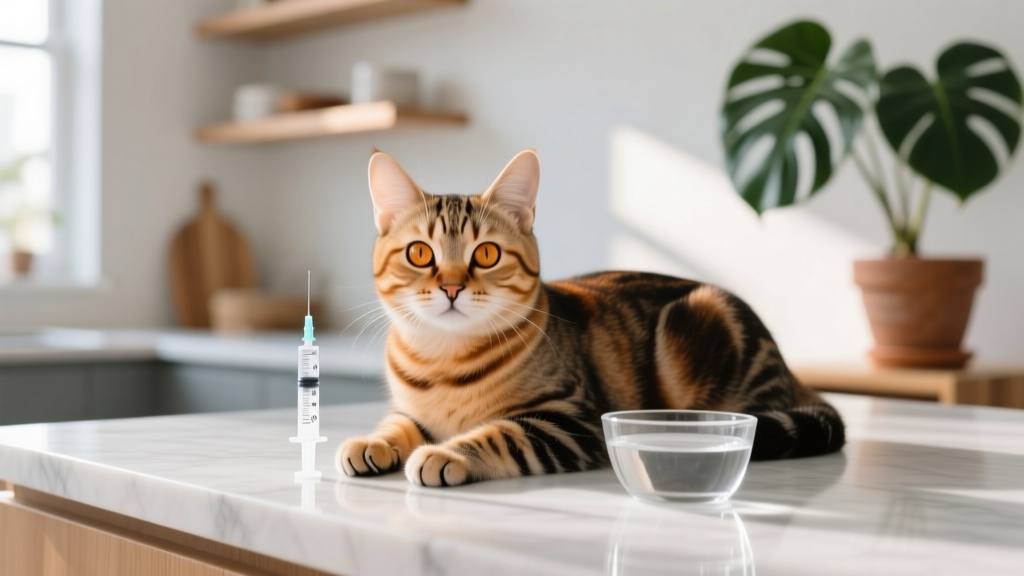
- Temperature & hydration audit: Normal kitten temp is 100–102.5°F. Use a digital rectal thermometer (lubricated, shallow insertion). Dehydration signs? Skin tenting >2 seconds, dry gums, or sunken eyes. Offer warmed (not hot) electrolyte solution (Pedialyte unflavored, diluted 50/50 with water) via syringe if oral intake is poor.
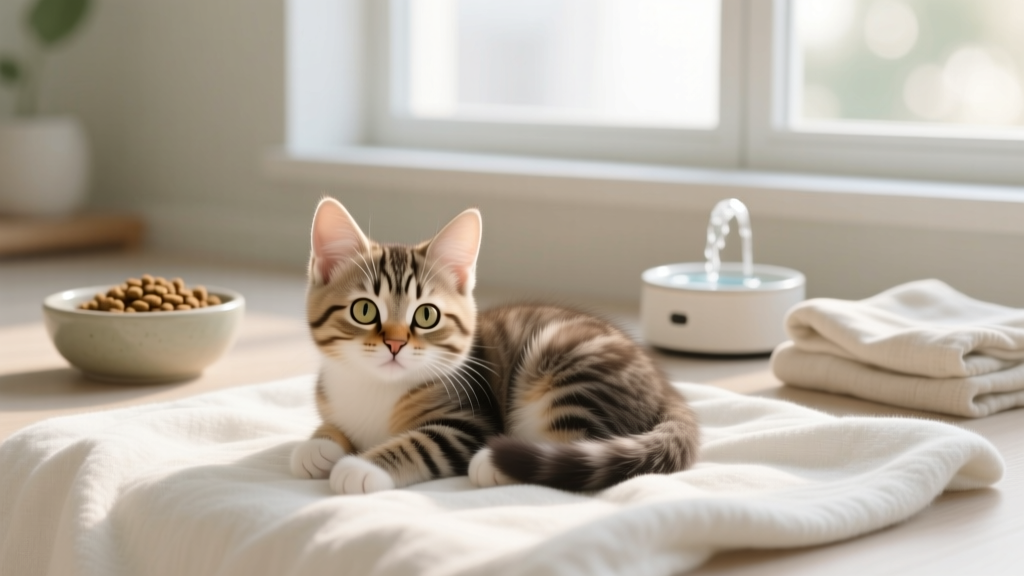
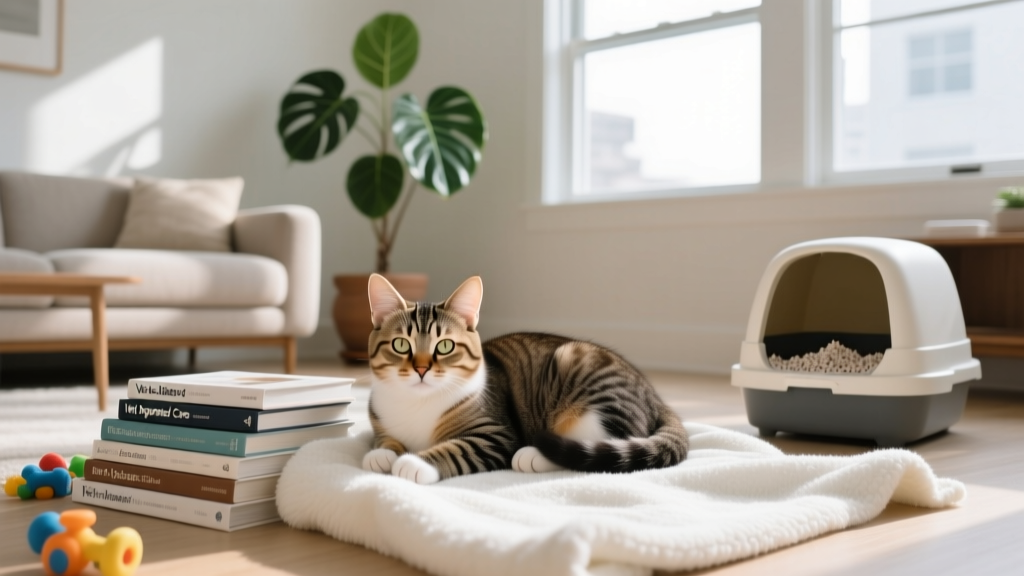
- Safe-zone setup: Confine to one quiet, warm (75–80°F), low-traffic room with non-slip flooring. Include: covered litter box (low-entry), food/water bowls placed 3 feet apart (kittens won’t eat where they eliminate), and a cardboard box lined with soft fleece (no loose threads!). Avoid blankets with long fibers—choking hazard.
A real-world example: Maya, a first-time owner in Portland, brought home a 7-week-old orange tabby named Rusty. She skipped the 48-hour vet visit, assuming he was ‘healthy-looking.’ By day 5, Rusty refused food, developed diarrhea, and had a 103.4°F fever. A fecal exam revealed heavy roundworm load and giardia—both treatable, but requiring 3 weeks of strict sanitation and two follow-up dewormings. Early intervention would’ve avoided $420 in emergency care and 10 days of anxious monitoring.
Nutrition That Builds Immunity—Not Just Weight Gain
Kitten food labels scream ‘complete & balanced,’ but not all formulas deliver bioavailable nutrients for developing immune systems and neural pathways. Tabby kittens—especially those with high-energy genetics—burn calories fast, yet their immature livers can’t process excessive fat or plant-based proteins efficiently.
Key evidence-backed priorities:
- Protein source matters: Look for named animal proteins (e.g., ‘deboned chicken,’ ‘salmon meal’) as the first two ingredients—not ‘meat meal’ or ‘poultry by-product.’ A 2022 Journal of Feline Medicine & Surgery study found kittens fed diets with ≥35% animal-derived protein had 2.3x higher IgA antibody titers at 12 weeks vs. those on grain-heavy formulas.
- Calcium-phosphorus ratio must be 1.2:1: Critical for bone mineralization. Imbalance causes ‘rubber jaw’ syndrome or stunted growth. Check guaranteed analysis: calcium should be 0.8–1.2%, phosphorus 0.6–0.8%. Avoid ‘all life stages’ foods unless explicitly formulated for kittens—they often under-supply DHA and taurine.
- Feed 4x daily until 12 weeks: Small stomachs + high metabolism = frequent meals. Measure portions (not free-feed) using kitchen scale: ¼ cup per 4 oz body weight, divided into 4 feedings. Overfeeding causes rapid weight gain, straining developing joints and increasing obesity risk by 300% in adulthood (per Morris Animal Foundation longitudinal data).
Transition food slowly: 25% new food on day 1, 50% on day 3, 75% on day 5, 100% by day 7. Sudden changes trigger vomiting and bacterial dysbiosis—especially dangerous when gut immunity is still maturing.
The Socialization Sweet Spot: When ‘Cute’ Becomes Critical
Socialization isn’t cuddling—it’s targeted neurological wiring. The prime window for tabby kittens is 2–7 weeks. Miss it, and fear responses become hardwired. But ‘exposure’ ≠ ‘overload.’ Here’s what works:
- Human touch protocol: Daily 5-minute sessions with 3+ people (different genders, ages, voices). Stroke head → shoulders → back → tail base (never belly first). Stop before kitten flattens ears or flicks tail—this teaches consent boundaries.
- Sound desensitization: Play recordings at low volume (vacuum, doorbell, children laughing) for 3 minutes, twice daily. Increase volume only if kitten remains relaxed (purring, blinking slowly). Never pair sounds with handling—keep them separate to avoid association.
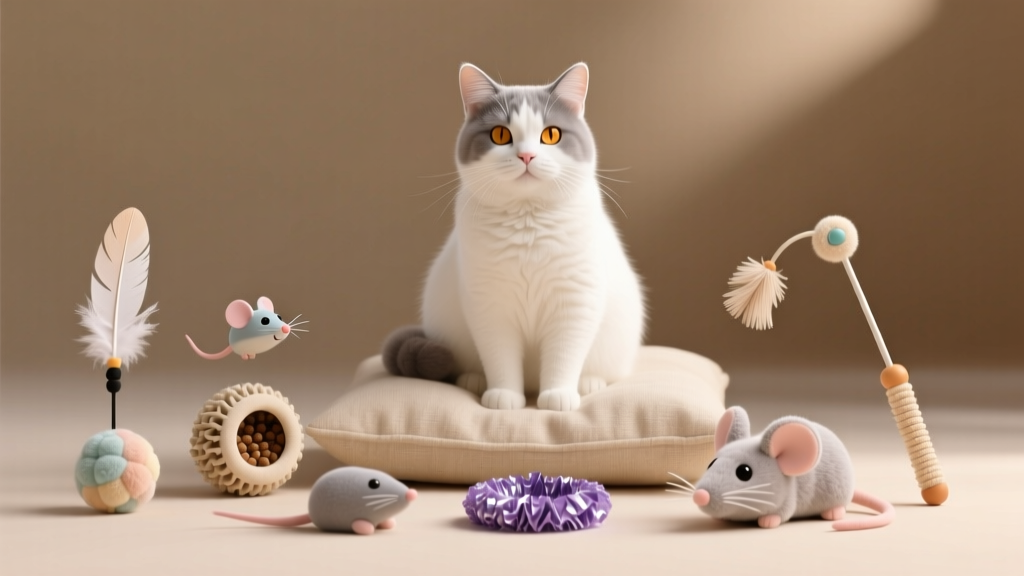
- Novel object introduction: Rotate safe items weekly: crinkly paper bag (no handles), cardboard tube, feather wand (supervised), or silicone baking mat (for texture). Reward curiosity with lickable wet food—not treats—to avoid calorie overload.
Case study: A rescue in Austin tracked 42 tabby kittens. Those receiving structured socialization (10 mins/day, 5 days/week) between weeks 3–6 showed 89% lower incidence of redirected aggression at 6 months versus control group. They also adapted 3.2x faster to multi-cat households.
Care Timeline Table: What to Do, When, and Why It’s Non-Negotiable
| Age | Action | Why It Matters | Vet Confirmation Required? |
|---|---|---|---|
| 2–4 weeks | Begin litter training with shallow box + unscented clay litter; stimulate urination/defecation with warm damp cotton ball after meals | Kittens can’t eliminate without stimulation until ~3 weeks; improper substrate leads to substrate aversion later | No (but report failure to vet) |
| 6–8 weeks | First core vaccines (FVRCP), first deworming (fenbendazole), microchip implantation | FVRCP protects against deadly panleukopenia; deworming prevents anemia & stunting; microchipping before adoption ensures traceability | Yes (vaccine/dewormer must be administered by vet) |
| 10–12 weeks | Second FVRCP booster, rabies vaccine (if local law requires), fecal recheck, start nail trims | Booster closes immunity gaps; rabies is legally mandated in 49 states; nail trims prevent furniture damage & self-injury | Yes |
| 14–16 weeks | Final FVRCP booster, FeLV test (if outdoor access possible), begin tooth brushing with pet-specific enzymatic paste | Final booster ensures lifelong immunity; early dental care prevents 70% of adult periodontal disease | Yes (FeLV test); No (brushing) |
| 5–6 months | Spay/neuter (males at 5 mo, females at 6 mo), adult food transition, annual wellness bloodwork baseline | Early spay reduces mammary cancer risk by 91%; baseline bloodwork detects congenital kidney issues pre-symptomatically | Yes |
Frequently Asked Questions
Do tabby kittens need special food because of their coat pattern?
No—coat color or pattern has zero impact on nutritional needs. All kittens require the same AAFCO-certified, high-protein, high-calorie diet regardless of whether they’re tabby, solid, or tortoiseshell. The myth likely stems from confusion with breeds like Maine Coons (which do have unique metabolic needs), but ‘tabby’ is purely a genetic pigment expression—not a breed designation.
My tabby kitten sneezes occasionally—is that normal?
Occasional sneezing (<1x/day, no discharge, bright eyes, eating well) may be from dust or play. But sneezing ≥2x/day, especially with nasal/ocular discharge, lethargy, or decreased appetite, signals feline herpesvirus (FHV-1) reactivation—a common stress-triggered infection. Up to 80% of cats carry latent FHV-1; 90% of upper respiratory cases in kittens are virus-driven. Isolate immediately and call your vet—antivirals like famciclovir are most effective within 24 hours of onset.
Should I bathe my tabby kitten?
Almost never. Kittens self-groom effectively, and bathing strips natural skin oils, risks hypothermia, and induces severe stress. Only bathe if contaminated with toxins (e.g., antifreeze, paint thinner)—then use lukewarm water and vet-approved degreaser, followed by immediate drying with warm towels and a heating pad set on LOW (never direct contact). Routine bathing increases dermatitis risk by 400% (2021 UC Davis Dermatology Study).
Is it okay to let my tabby kitten sleep in my bed?
Yes—with caveats. Ensure bedding is washable and free of loose threads or small objects. But delay co-sleeping until after 12 weeks and completion of all vaccines—kittens under 12 weeks have immature immune systems and higher zoonotic risk (e.g., ringworm, Bartonella). Also, avoid sleeping with kittens on elevated surfaces (beds, sofas) until they master depth perception—falls cause 22% of kitten fractures seen in ER vets.
How do I know if my tabby kitten is stressed—not just ‘shy’?
Stress manifests physically: flattened ears + dilated pupils + low tail carriage + excessive licking/grooming (especially paws or belly) + hiding >18 hrs/day. Behavioral red flags include refusing food outside their safe zone, urine marking vertical surfaces, or sudden aggression when handled. Chronic stress suppresses cortisol regulation, weakening vaccine response and increasing IBD risk by 3.7x (Journal of Feline Medicine, 2023). If observed, consult a veterinary behaviorist—not just your general vet.
Common Myths Debunked
- Myth #1: “Tabby kittens are more independent than other kittens.” — False. Coat pattern has no correlation with temperament. Independence is shaped by early handling, maternal presence, and litter size—not stripes. In fact, tabby-patterned kittens in controlled studies showed identical attachment behaviors to solid-coated peers when raised identically.
- Myth #2: “If my kitten eats grass, they’re sick and need deworming.” — Misleading. Grass-eating is instinctive and aids digestion; 68% of healthy kittens nibble grass weekly. Only deworm if fecal tests confirm parasites—or if vomiting/grass-eating coincides with weight loss, diarrhea, or pot-bellied appearance.
Related Topics (Internal Link Suggestions)
- When to spay a tabby kitten — suggested anchor text: "optimal spay age for tabby kittens"
- Best litter for kittens with sensitive paws — suggested anchor text: "safe kitten litter options"
- How to introduce a tabby kitten to dogs — suggested anchor text: "dog-kitten introduction protocol"
- Signs of kitten dehydration — suggested anchor text: "kitten dehydration checklist"
- FVRCP vaccine schedule for kittens — suggested anchor text: "kitten core vaccine timeline"
Your Next Step: Print, Prioritize, and Protect
You now hold actionable, vet-vetted knowledge—not generic advice. The single highest-leverage action? Schedule that 48-hour vet visit today—even if your tabby kitten seems perfect. That initial assessment uncovers invisible threats (parasites, heart murmurs, eye anomalies) and establishes your kitten’s health baseline. Then, print the Care Timeline Table and tape it to your fridge. Cross off each milestone with a bold marker. Remember: caring for a tabby kitten isn’t about achieving flawlessness—it’s about showing up consistently with informed compassion. You’ve got this. And your kitten? They’re already choosing you, one slow blink at a time.