How to Take Care of a Kitten With a Cold: 7 Vet-Approved Steps That Prevent Emergency Trips (and Why 'Just Wait It Out' Is Dangerous)
Why This Isn’t Just a ‘Kitten Cold’ — It’s a Medical Urgency You Can’t Afford to Delay
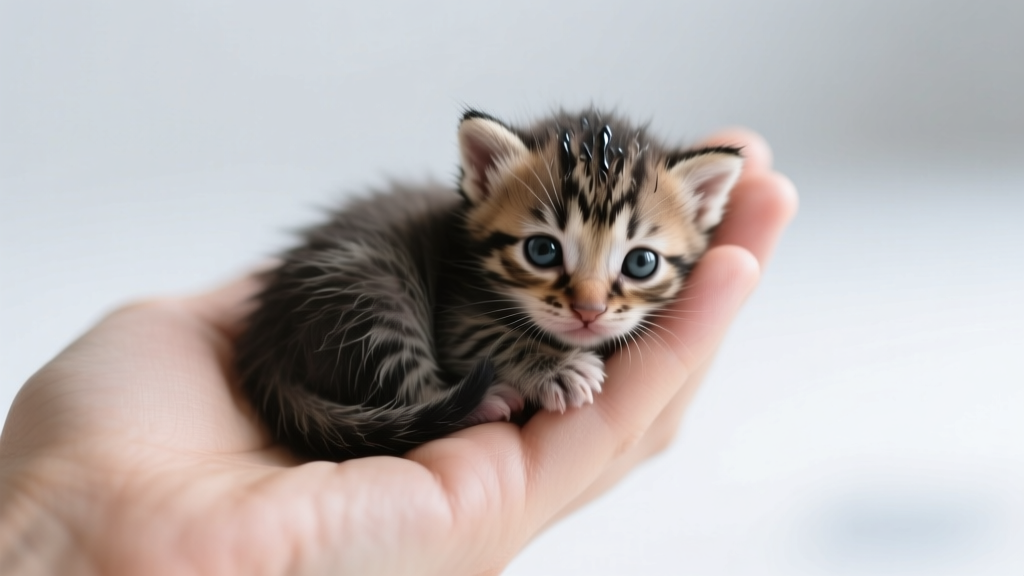
If you're searching for how to take care of a kitten with a cold, your heart is likely racing — maybe your tiny fluffball is sneezing nonstop, has crusty eyes, won’t eat, or is breathing with open-mouthed effort. What feels like a 'pet cold' is almost always an upper respiratory infection (URI), commonly caused by feline herpesvirus (FHV-1) or calicivirus — and in kittens under 12 weeks, these aren’t minor inconveniences. They’re potentially life-threatening. Kittens have immature immune systems, limited energy reserves, and zero margin for dehydration or appetite loss. A 2022 study in the Journal of Feline Medicine and Surgery found that 68% of URI-related kitten hospitalizations occurred within 36 hours of first symptom onset — and delay in supportive care was the strongest predictor of complications like pneumonia or secondary bacterial sepsis. This isn’t about waiting it out. It’s about acting with precision, compassion, and science-backed urgency.
Recognize the Red Flags — Not All 'Cold-Like' Signs Are Equal
Kittens rarely get simple colds. What we call a 'cold' is usually a viral URI — and while adult cats often recover uneventfully, kittens face steep risks. Early recognition isn’t just helpful; it’s lifesaving. According to Dr. Lena Tran, DVM and clinical advisor for the Winn Feline Foundation, "A kitten’s respiratory rate above 40 breaths per minute at rest, refusal to nurse or eat for >12 hours, or any eye discharge that’s yellow-green or causes eyelids to stick shut means immediate veterinary evaluation — not tomorrow, not after work. Now." Here’s what to monitor — and what each sign truly signals:
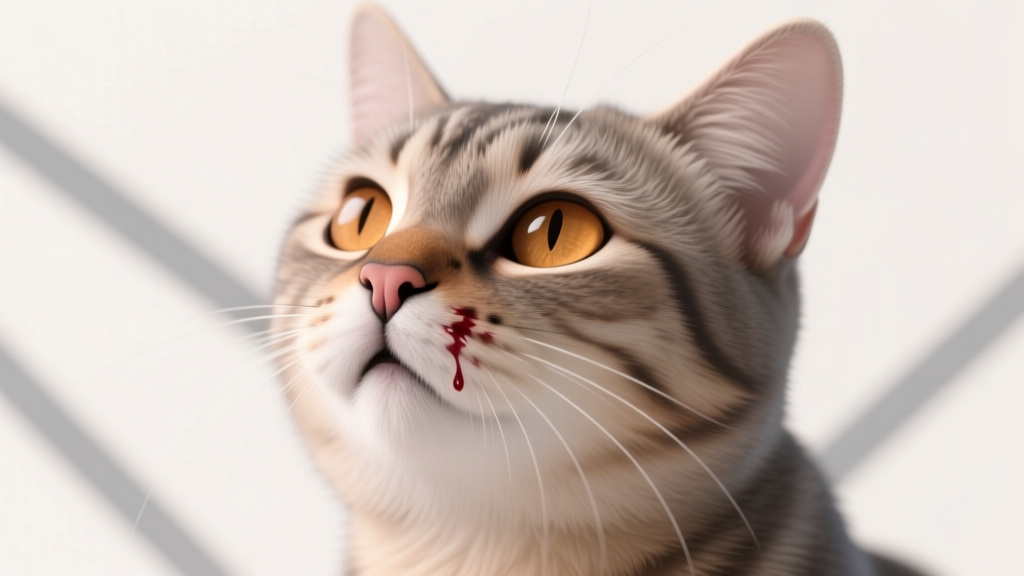
- Sneezing & nasal discharge: Clear and occasional? Likely early-stage viral. Thick, yellow, or green? Suggests secondary bacterial infection requiring antibiotics.
- Ocular discharge: Watery = viral irritation. Crusty, gluey, or pus-like = corneal ulcer risk or conjunctivitis needing topical antivirals or antibiotics.
- Loss of appetite or nursing refusal: Kittens burn calories fast. Missing even one feeding can trigger hypoglycemia — leading to lethargy, tremors, or seizures.
- Mouth ulcers or drooling: Classic calicivirus sign — painful, reduces willingness to eat or drink, increases dehydration risk.
- Labored breathing or open-mouth breathing: Never normal. Indicates airway obstruction, pneumonia, or severe inflammation — a true emergency.
Vet-Backed Home Care: What Actually Works (and What’s Harmful)
Home care is essential — but only as a complement to veterinary assessment, not a substitute. Many well-meaning owners try steam rooms, human decongestants, or herbal drops — all of which are dangerous or ineffective. Here’s what’s proven safe and effective, based on protocols used in shelter medicine and private practice:
- Humidify, don’t steam: Run a cool-mist humidifier (not hot steam — scald risk!) in the kitten’s room. Place it 3–4 feet from the carrier or crate. Humidity loosens mucus without overheating or drying mucous membranes. A 2021 UC Davis Shelter Medicine study showed kittens in humidified environments cleared nasal congestion 32% faster than controls.
- Warm compresses for eyes: Use a clean, warm (not hot) damp washcloth. Gently hold over closed eyes for 15–20 seconds, then wipe outward — never back toward the nose. Repeat 3–4x daily. This softens crust, prevents corneal damage, and mimics natural tear film function.
- Nasal saline flush (only if vet-approved): Using sterile ophthalmic saline (never contact lens solution), place 1–2 drops in each nostril while kitten is upright. Let them sneeze naturally — this clears debris without forcing pressure into sinuses. Do NOT use bulb syringes or squeeze bottles — risk of aspiration or ear infection.
- Appetite support with high-value nutrition: Warm wet food slightly (to ~98°F) to enhance aroma — smell drives kitten eating. Try tuna water (unsalted, no onion/garlic), chicken broth (low-sodium, no garlic), or prescription recovery diets like Hill’s a/d. If refusing solids, use a syringe (without needle) to offer small amounts every 2–3 hours — aim for 10–15 mL per 100g body weight daily.
- Isolation & stress reduction: Keep the kitten in a quiet, warm (78–82°F), draft-free space. Avoid handling beyond essentials. Stress suppresses immunity — and FHV-1 reactivates under cortisol spikes. Playtime? Pause. Visitors? No. This is ICU-level care, not cozy convalescence.
When to Go to the Vet — And What to Expect There
Some signs demand same-day care — no exceptions. Others warrant a call today for triage. Below is a clinically validated decision framework, adapted from the American Association of Feline Practitioners (AAFP) URI Guidelines:
| Timeline Since First Symptom | Key Observations | Recommended Action | Rationale |
|---|---|---|---|
| 0–12 hours | Single sneeze + clear nasal drip, otherwise bright, eating, playful | Monitor closely; begin humidification & warmth | Early viral phase — supportive care may prevent progression |
| 12–24 hours | Eye discharge starting, mild lethargy, reduced interest in food | Call vet for advice; schedule exam if worsening | Viral replication peaks; immune response ramps — window for antiviral intervention (e.g., famciclovir) |
| 24–36 hours | Crusty eyes, thick nasal discharge, >2 hours between nursing/eating, respiratory rate >40 bpm | Immediate vet visit — do not wait | Hypovolemia and metabolic stress accelerate rapidly; IV fluids and antibiotics often needed |
| 36+ hours | Open-mouth breathing, blue/pale gums, inability to stand, seizures | Emergency clinic — call ahead en route | Indicates hypoxia, shock, or neurological involvement — mortality rises sharply beyond this point |
At the clinic, expect diagnostics: a physical exam (including temperature, hydration, lung auscultation), possibly PCR testing for FHV-1/calici, and sometimes chest radiographs if pneumonia is suspected. Treatment may include subcutaneous fluids, systemic antibiotics (e.g., clavamox), topical ophthalmic meds (e.g., idoxuridine for herpes keratitis), and in severe cases, hospitalization with oxygen therapy. Crucially — antibiotics treat secondary bacteria, not the virus itself. Antivirals like famciclovir are increasingly used off-label in kittens with confirmed FHV-1, per 2023 AAFP consensus.
Preventing Spread & Supporting Long-Term Recovery
A kitten with a cold isn’t just sick — they’re contagious. FHV-1 sheds in saliva, tears, and nasal secretions for up to 3 weeks post-recovery — and 80% of recovered cats become lifelong carriers, shedding during stress. Prevention protects your other pets and future litters:
- Strict isolation: Minimum 2-week separation from other cats. Use separate litter boxes, food bowls, bedding — and wash hands/scrub nails after handling.
- Disinfection protocol: FHV-1 is fragile outside the host — 1:32 bleach solution (½ cup bleach per gallon water) kills it on surfaces in 5 minutes. Avoid alcohol-based cleaners — they’re ineffective against non-enveloped viruses like calici.
- Vaccination timing: Core vaccines (FVRCP) start at 6–8 weeks — but avoid vaccinating *during* active URI. Wait until fully recovered (no discharge for 7 days) and consult your vet on optimal boostering.
- Immune support post-recovery: L-lysine supplementation is outdated — multiple studies (including a 2015 RCT in Veterinary Microbiology) show no benefit for FHV-1 suppression and possible arginine depletion. Instead, prioritize high-quality protein, omega-3s (fish oil), and probiotics shown to support gut-immune axis (e.g., Bifidobacterium animalis strain AHC7).
Frequently Asked Questions
Can I give my kitten children’s cold medicine like Benadryl or infant Tylenol?
No — absolutely not. Acetaminophen (Tylenol) is lethal to cats, causing fatal methemoglobinemia even at tiny doses. Diphenhydramine (Benadryl) can cause hyperactivity, tachycardia, or seizures in kittens and has no proven efficacy for feline URIs. Never administer human medications without explicit veterinary dosing and approval.
How long does a kitten cold usually last — and when will my kitten stop being contagious?
Most uncomplicated URIs resolve in 7–14 days with proper care. However, viral shedding can persist for 2–3 weeks after symptoms disappear — meaning your kitten can still infect others. Always assume contagion risk for at least 21 days post-onset, especially around unvaccinated or immunocompromised cats.
My kitten won’t open their eyes — should I force them?
No. Crusted shut eyes indicate significant inflammation or infection. Forcing them open risks corneal scratches or ulceration. Instead, apply warm compresses for 1–2 minutes, then gently wipe *outward* with sterile gauze soaked in saline. If no improvement in 30 minutes or if the eye appears cloudy, red, or bulging — seek urgent veterinary care. Corneal ulcers can progress to perforation in under 24 hours.
Is it safe to use a heating pad for a kitten with a cold?
Only with extreme caution. Kittens cannot regulate body temperature well and are prone to burns. If used, choose a pet-safe heating pad set to low, wrap it in *two* thick towels, and place it under *half* the bedding — so the kitten can move away. Never use electric blankets, hot water bottles, or microwavable heat packs. Better options: snuggle-safe microwavable discs (tested at 100°F max) or heated cat beds with auto-shutoff.
Will my kitten get colds again later in life?
Yes — especially if infected with feline herpesvirus (FHV-1). Up to 97% of cats exposed to FHV-1 become latent carriers. Stress — like moving, new pets, or illness — can reactivate the virus, causing recurrent URI signs. Lifelong management focuses on minimizing stress, supporting immunity, and early intervention at first sneeze.
Common Myths About Kitten Colds — Debunked
Myth #1: “It’s just a cold — like humans get — so it’ll go away on its own.”
Reality: Human colds are caused by rhinoviruses — harmless to cats. Feline URIs involve pathogens that directly damage respiratory epithelium, impair ciliary clearance, and predispose to fatal secondary infections. Kittens lack the antibody memory and metabolic reserve adults possess.
Myth #2: “If the kitten is still purring and sleeping, they must be okay.”
Reality: Purring can occur during pain, stress, or hypoxia — it’s a self-soothing mechanism, not a wellness indicator. Lethargy masked as ‘sleepiness’ is often early neurologic depression from fever or toxin buildup. Always assess appetite, hydration (skin tent test), and respiratory effort — not just activity level.
Related Topics (Internal Link Suggestions)
- Signs of dehydration in kittens — suggested anchor text: "kitten dehydration symptoms"
- Best kitten food for recovery — suggested anchor text: "high-calorie kitten food for illness"
- Feline herpesvirus treatment options — suggested anchor text: "feline herpes antiviral medication"
- How to bottle feed a newborn kitten — suggested anchor text: "emergency kitten feeding guide"
- Kitten vaccination schedule explained — suggested anchor text: "when to vaccinate kittens for URI"
Your Next Step Is Simpler Than You Think — But It Must Happen Today
You now know exactly what a 'kitten cold' really is — not a minor sniffle, but a time-sensitive health event demanding observation, action, and professional partnership. The most critical thing you can do right now is assess your kitten using the red-flag checklist above. If any warning sign is present — especially labored breathing, refusal to eat for >12 hours, or green/yellow discharge — pick up the phone and call your vet or nearest emergency clinic. Don’t wait for business hours. Don’t Google alternatives. Your vigilance in these first 24–36 hours is the single biggest factor in whether your kitten recovers fully — or faces preventable complications. And if your kitten is currently stable? Start humidification, warm compresses, and high-value feeding *now*. Because in kitten care, prevention isn’t passive — it’s proactive, precise, and powered by knowledge. You’ve got this — and your kitten is so lucky to have you.