How to Take Care of a Homeless Kitten: The First 72 Hours That Save Lives (A Step-by-Step Vet-Approved Protocol You Can Start in Under 5 Minutes)
Why This Isn’t Just ‘Cute’ — It’s a Medical Emergency
If you’ve just found a shivering, mewing, unsteady kitten huddled beneath a porch or behind a dumpster, how to take care of a homeless kitten isn’t a gentle hobby—it’s an urgent, time-sensitive health intervention. Kittens under 8 weeks old lack fully developed immune systems, thermoregulation, and digestive capacity. Without immediate, informed care, mortality spikes dramatically: studies show up to 60% of orphaned neonates die within the first 48 hours without proper warmth and colostrum replacement (Journal of Feline Medicine and Surgery, 2022). This isn’t speculation—it’s physiology. Their tiny bodies lose heat 3x faster than adults; their blood sugar crashes in under 2 hours without milk; and a single round of untreated coccidia can cause fatal dehydration in under 12 hours. What follows isn’t theory—it’s what veterinarians, shelter medicine specialists, and foster coordinators use daily to turn near-fatal cases into thriving, adoptable kittens.
Phase 1: Stabilize — The Critical First 30 Minutes
Before you reach for a blanket or bottle, pause. Your first action determines whether this kitten survives long enough for nutrition or socialization. Neonatal kittens (0–2 weeks) cannot regulate body temperature, digest solid food, or eliminate waste without stimulation—and they’re highly susceptible to hypothermia, hypoglycemia, and aspiration pneumonia. According to Dr. Susan Little, DVM and feline specialist with the American Association of Feline Practitioners, "Warming a cold kitten before feeding is non-negotiable. Feeding a hypothermic kitten risks fatal aspiration or gut shutdown."
Here’s your exact stabilization sequence:
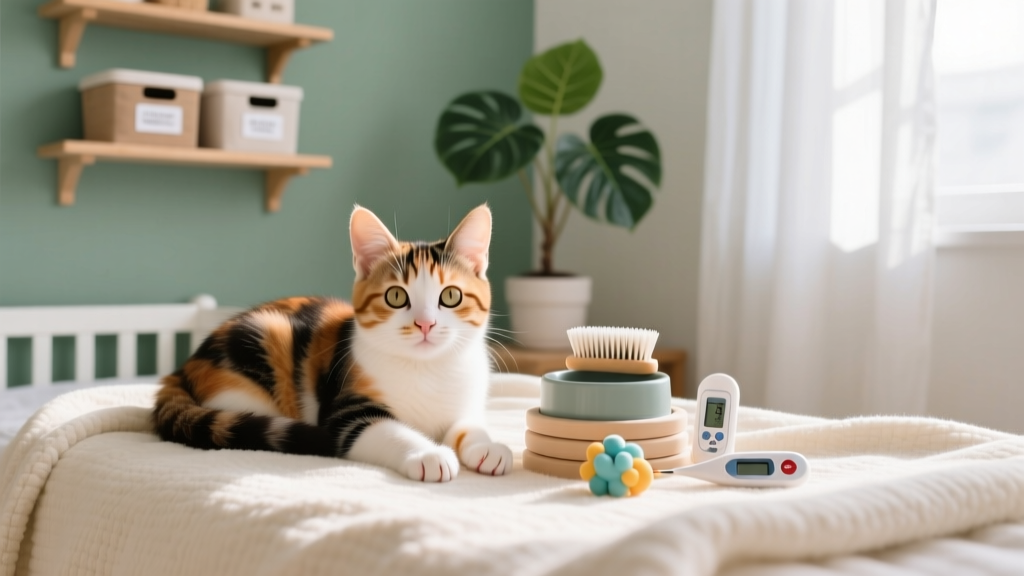
- Assess core temperature: Use a digital rectal thermometer (lubricated with water-based lube). Normal temp: 95–100°F (35–37.8°C). Below 94°F? Immediate warming is critical.
- Warm gradually: Never use heating pads (risk of burns) or hair dryers (overheating + stress). Instead, wrap a clean sock filled with dry rice (microwaved 20 sec, shaken, tested on inner wrist) and place it *beside* (not under) the kitten in a small box lined with soft fleece. Cover ¾ of the box with a towel to retain warmth but allow airflow.
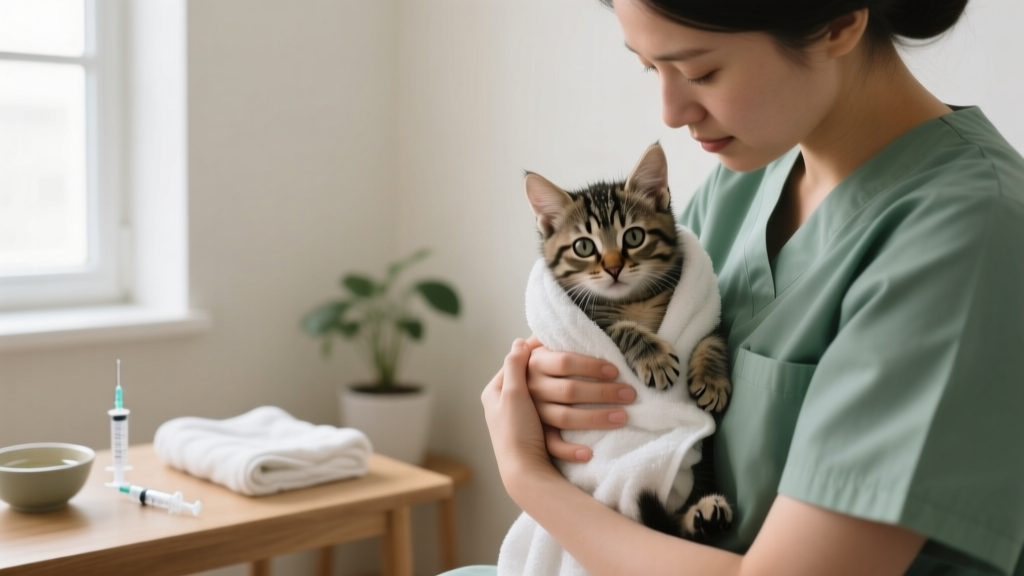
- Check for dehydration: Gently pinch the skin at the scruff. If it stays tented >2 seconds, the kitten is severely dehydrated and needs subcutaneous fluids—call a vet immediately. Mild dehydration? Offer oral rehydration solution (Pedialyte unflavored, warmed to 98°F) via a 1mL syringe *without a needle*, dripping slowly onto the tongue—not forced down the throat.
- Stimulate elimination: After warming for 15 minutes, use a warm, damp cotton ball to gently stroke the genital and anal area before and after every feeding. Neonates cannot urinate or defecate without this stimulation—failure causes toxic buildup and death in 24–48 hours.
Phase 2: Feed — Not Just ‘Milk,’ But Species-Specific, Timed Nutrition
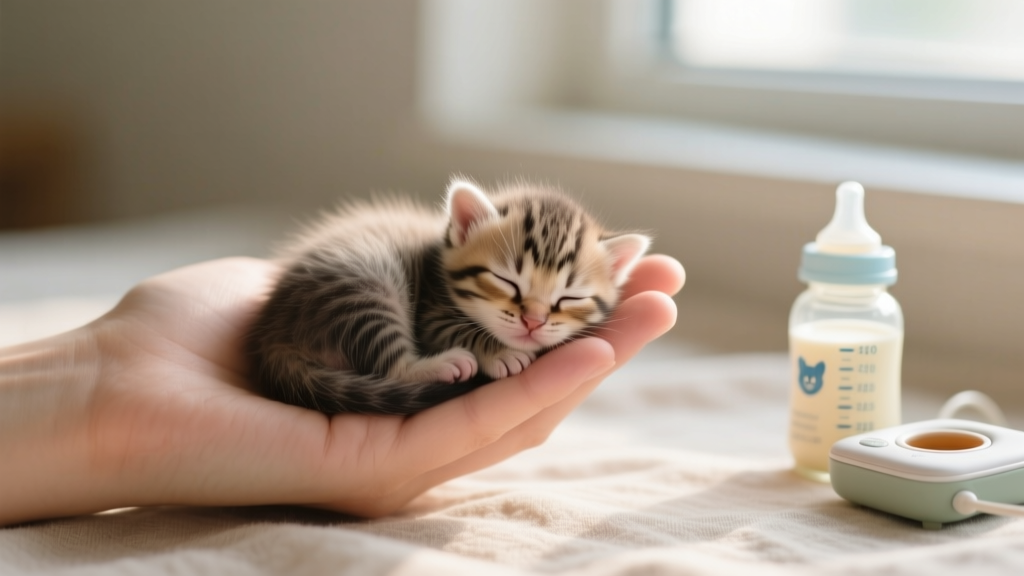
Human baby formula, cow’s milk, or goat’s milk are dangerous—they cause severe diarrhea, bloat, and metabolic acidosis due to lactose intolerance and imbalanced protein ratios. The only safe option is a commercial kitten milk replacer (KMR or Just Born), warmed to 98–100°F (test on your wrist—never microwave directly).
Feeding frequency depends entirely on age—and skipping a feeding can trigger hypoglycemic seizures:
- 0–1 week: Every 2–3 hours (including overnight). 2–4 mL per feeding.
- 1–2 weeks: Every 3–4 hours. 5–10 mL per feeding.
- 2–4 weeks: Every 4–6 hours. 10–15 mL per feeding. Begin introducing gruel (KMR + high-quality wet kitten food, mashed to thin oatmeal consistency) at 3 weeks.
- 4–8 weeks: Transition to wet food 4x/day; offer shallow water bowl. Weaning complete by 7–8 weeks.
Crucially: Always hold the kitten upright (never on its back like a human baby)—tilt head slightly forward to prevent aspiration. Watch for swallowing motions—not gulping. If milk bubbles from the nose, stop immediately and reposition. A 2023 study in Veterinary Record found that improper bottle-feeding technique accounted for 41% of early-onset pneumonia cases in orphaned kittens.
Phase 3: Health & Hygiene — Beyond Fleas and Worms
Homeless kittens carry a predictable pathogen load: Coccidia, Giardia, roundworms, hookworms, fleas, and upper respiratory viruses (calicivirus, herpesvirus). But here’s what most well-meaning rescuers miss: deworming too early—or with the wrong product—can kill them.
Dr. Jennifer Coates, veterinary advisor for PetMD, emphasizes: "Panacur (fenbendazole) is safe starting at 2 weeks for roundworms and giardia—but pyrantel pamoate should wait until 4 weeks, and ivermectin is unsafe in kittens under 8 weeks. Always confirm weight and age before dosing."
Here’s your evidence-backed parasite protocol:
- Fleas: NEVER use over-the-counter cat flea products (Frontline, Advantage)—they’re toxic to kittens under 8 weeks. Instead, use a fine-tooth flea comb dipped in soapy water. Bathe only if heavily infested: warm water + mild dish soap (like Dawn), rinse thoroughly, dry instantly.
- Internal parasites: Fecal float test is ideal—but if unavailable, treat empirically: Fenbendazole 50 mg/kg daily × 3 days at 2 weeks, repeat at 4 and 6 weeks. Submit fecal sample to vet ASAP.
- Upper respiratory infection (URI): Sneezing, nasal discharge, squinting? Isolate immediately. Wipe eyes with sterile saline-soaked gauze. Humidify air (steam from shower, not vaporizer). Call vet—doxycycline or topical terramycin may be prescribed. Left untreated, URI causes permanent eye damage or pneumonia.
| Age Range | Key Health Actions | Urgency Level | Vet Visit Required? |
|---|---|---|---|
| 0–2 weeks | Stabilize temp, feed KMR every 2–3 hrs, stimulate elimination, check for dehydration | Critical (life-threatening within hours) | Yes—if temp <94°F, no suck reflex, or lethargy |
| 2–4 weeks | Start fenbendazole, introduce gruel, begin gentle handling, monitor weight gain (should gain 7–10g/day) | High (failure to gain = sepsis or malabsorption) | Yes—if weight loss >10% in 24 hrs or bloody stool |
| 4–6 weeks | First distemper (FVRCP) vaccine, second deworming, litter box introduction, socialization windows open | Moderate (vaccine timing prevents deadly panleukopenia) | Yes—for vaccines and wellness exam |
| 6–8 weeks | Socialize 2+ hrs/day with varied people/pets, spay/neuter consult, microchip, final FVRCP booster | Preventive (missed socialization = lifelong fear aggression) | Yes—for surgery planning and behavior assessment |
Phase 4: Socialization & Placement — Building Trust Before It’s Too Late
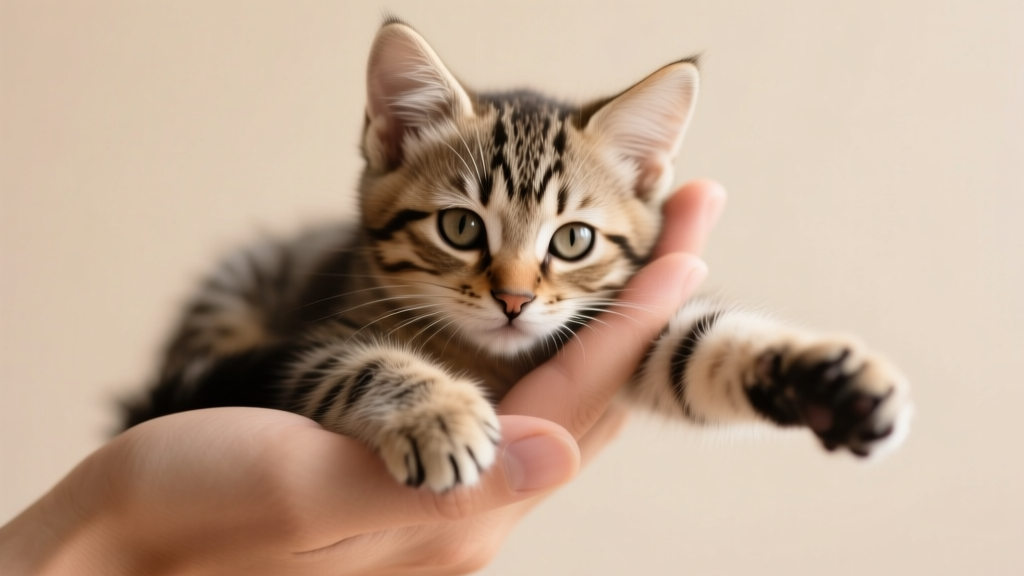
The sensitive period for kitten socialization is narrow: 2–7 weeks. Miss it, and even the kindest adult cat may remain fearful or avoidant. But socialization isn’t just cuddling—it’s structured, low-stress exposure designed to build neural pathways for safety.
Use the “3-3-3 Rule” (developed by ASPCA foster trainers):
- First 3 days: Let kitten acclimate silently. Observe from 6 ft away. No handling—just talk softly during feeding.
- Next 3 days: Introduce touch—start with chin scratches while offering treats. Progress to brief (15-sec) strokes if relaxed (purring, slow blinks).
- Final 3 days: Add novelty—safe toys, different voices, short carrier exposure. Always end sessions on a positive note.
Real-world example: Luna, a 3-week-old feral kitten rescued from a storm drain in Portland, showed zero human contact reflexes. Her foster used scent-transfer (wearing a shirt with her own scent near Luna’s bedding), clicker training for eye contact, and paired all handling with tuna water. By week 5, she climbed into laps voluntarily. Today, she’s a certified therapy cat.
Frequently Asked Questions
Can I feed a homeless kitten cow’s milk?
No—cow’s milk contains lactose and proteins kittens cannot digest. It causes explosive diarrhea, dehydration, and metabolic imbalance within hours. Always use a commercial kitten milk replacer (KMR or Just Born). If unavailable temporarily, an emergency solution is 1 cup whole goat’s milk + 1 tbsp light corn syrup + 1 egg yolk (no white), warmed and fed immediately—but this is not nutritionally complete and should never exceed one feeding.
How do I know if a kitten is abandoned—or just temporarily left by mom?
Watch quietly for 2–4 hours (use binoculars if needed). Mother cats often leave kittens for up to 4 hours to hunt or rest. Signs of true abandonment: kittens scattered, crying continuously, cold to touch, covered in ants or flies, or visibly injured. If mom returns, support her—provide food/water nearby and a dry, quiet nesting box. Interference often causes her to abandon the litter.
Should I take the kitten to the vet immediately—even if it seems fine?
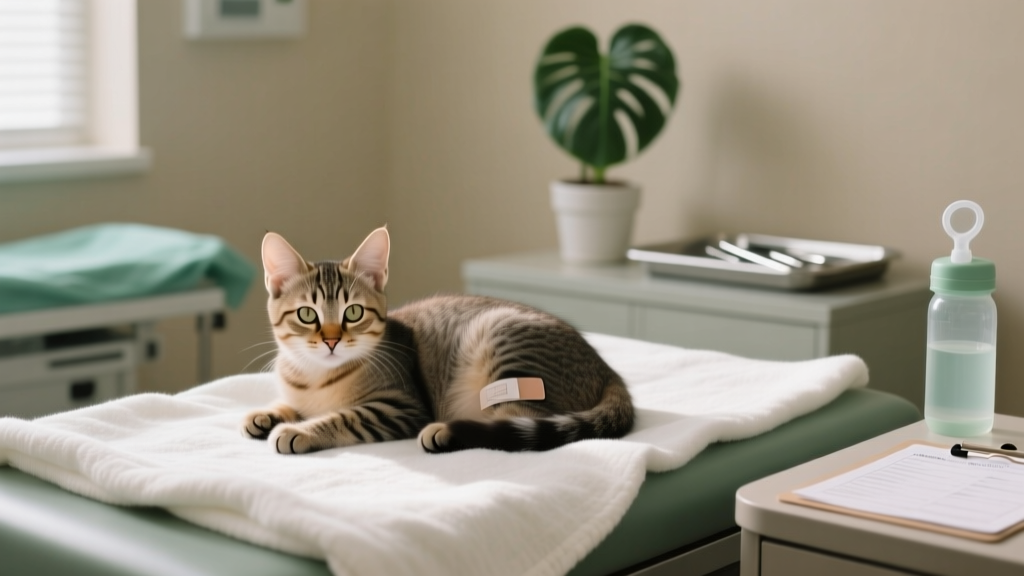
Yes. A baseline exam is essential. Vets check for congenital defects (cleft palate, heart murmurs), assess hydration/nutrition status, screen for URI signs, and establish a parasite/deworming plan. Many shelters offer free or low-cost intake exams for strays—call ahead. Early detection of conditions like portosystemic shunt or feline leukemia (though rare under 8 weeks) dramatically improves outcomes.
What if I can’t keep the kitten long-term?
Contact local rescues before bringing the kitten home. Many have waiting lists or foster pipelines—but they need 24–48 hrs to prepare. In the meantime, provide full care (warming, feeding, hygiene) and document weight gain, feeding logs, and behavior notes. This data helps rescues place kittens appropriately and proves your commitment—making them far more likely to accept the transfer.
Is it safe to bathe a newborn kitten?
No—bathing induces rapid heat loss and stress-induced hypothermia. Only spot-clean with warm, damp gauze if soiled with urine/feces. Full bathing is unsafe until 6+ weeks and only if medically necessary (e.g., severe flea infestation). Always dry thoroughly with warm towels and a hair dryer on cool/low setting held 12+ inches away.
Common Myths
Myth 1: “If it’s quiet and still, it’s fine.”
Truth: Hypothermic or hypoglycemic kittens become lethargy—often lying motionless with weak pulses and shallow breathing. Silence is a red flag, not reassurance. Check temperature and gum color (pale = shock; blue = hypoxia).
Myth 2: “Deworming will fix everything—so do it right away.”
Truth: Deworming a severely ill, dehydrated, or underweight kitten can trigger fatal toxemia as parasites die off. Always stabilize hydration, temperature, and nutrition first—and confirm parasite type via fecal test when possible.
Related Topics
- Kitten vaccination schedule — suggested anchor text: "when to vaccinate a kitten"
- Signs of kitten dehydration — suggested anchor text: "kitten dehydration symptoms"
- How to socialize a feral kitten — suggested anchor text: "feral kitten socialization timeline"
- Best kitten milk replacer brands — suggested anchor text: "KMR vs. Just Born comparison"
- Cost of caring for a kitten — suggested anchor text: "kitten care cost breakdown"
Your Next Step Starts Now
You’ve just absorbed life-saving protocols used by veterinary professionals and rescue networks nationwide. But knowledge alone doesn’t save kittens—action does. So don’t wait for ‘perfect’ supplies. Right now: grab a clean sock, rice, a spoon, and unflavored Pedialyte. Warm the sock, fill the spoon with rehydration solution, and sit beside that tiny life with calm hands and steady breath. Every minute counts—but every minute you act with intention multiplies hope. When you’re ready, call your nearest no-kill shelter or feline rescue. Tell them you have a neonatal kitten in stable condition—and ask for their foster coordinator. They’ll guide you through the next phase: vaccination, spaying, and finding a loving, forever home. You didn’t just find a kitten. You became its first line of defense. And that changes everything.