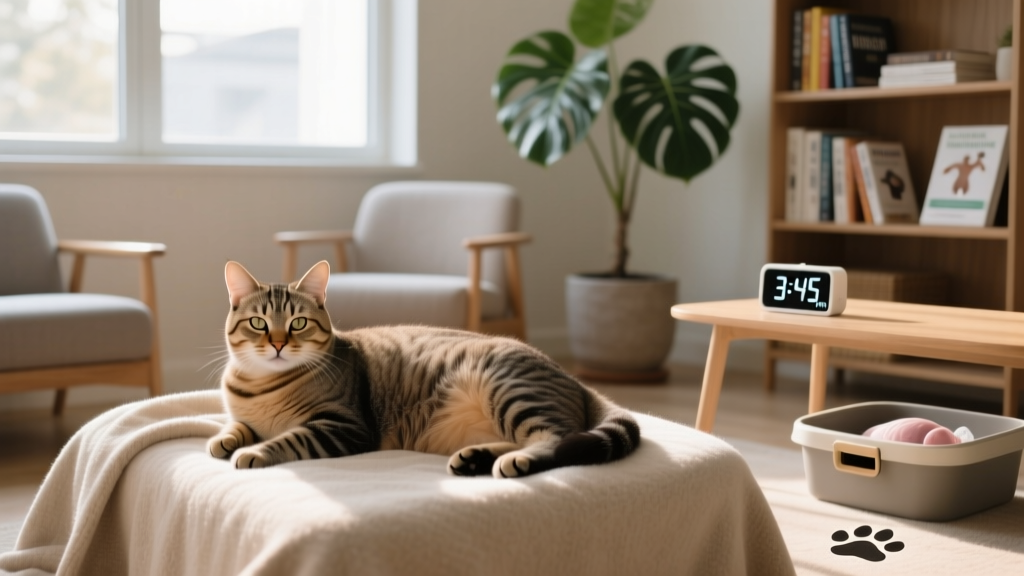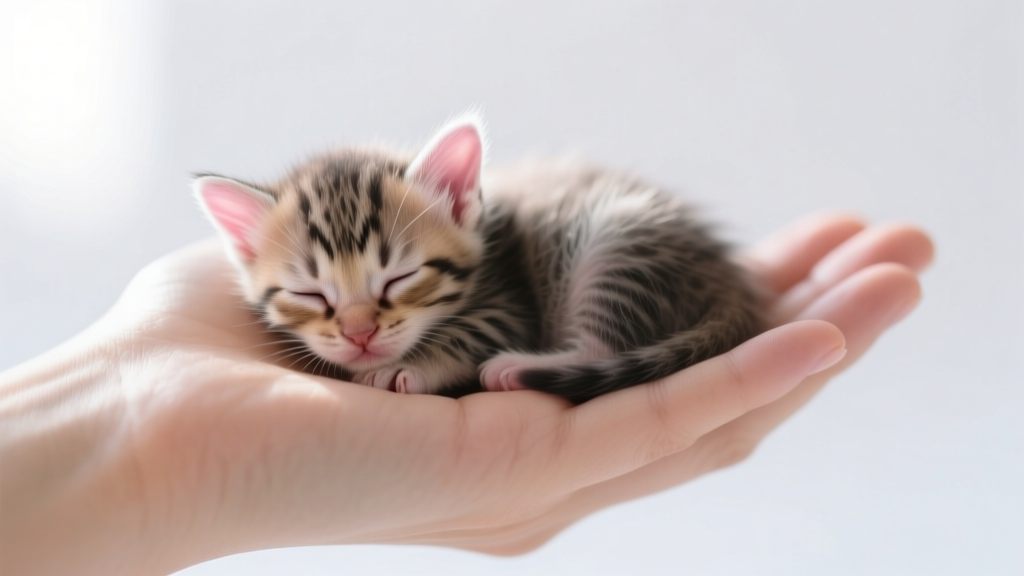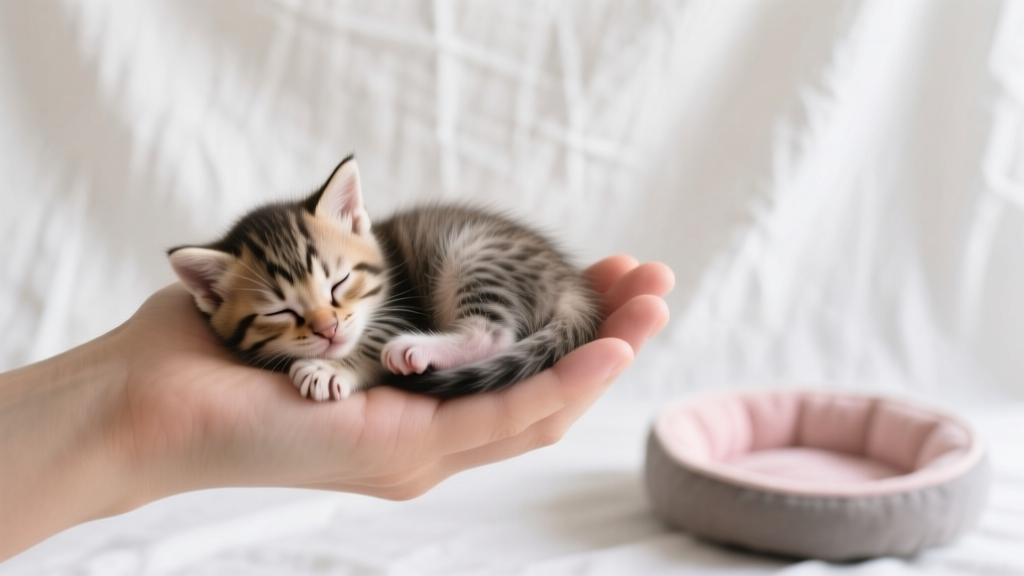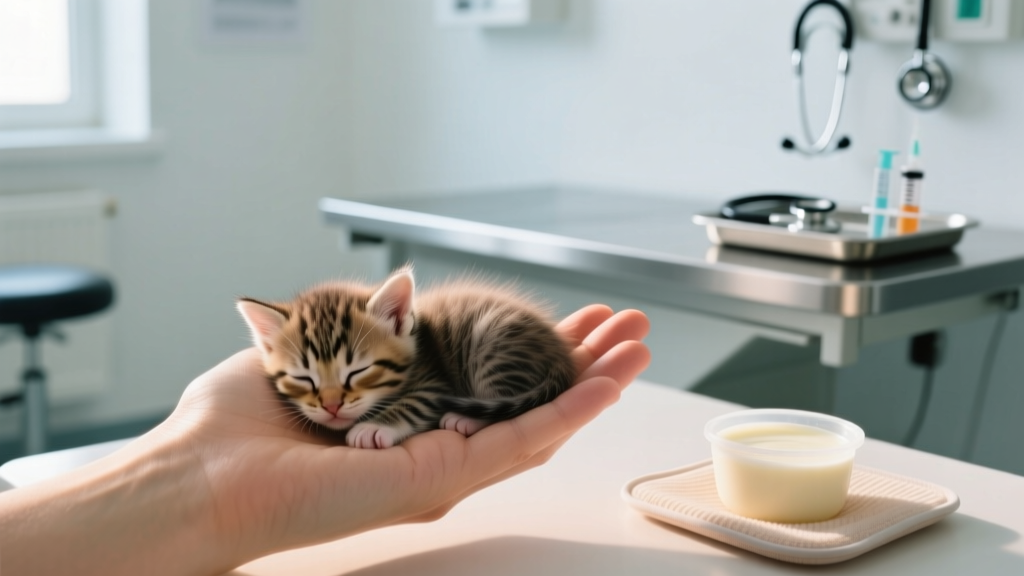
How to Take Care of 4 Week Old Kitten: The Exact 7-Step Survival Guide Veterinarians Use (Skip One Step & You Risk Hypothermia, Dehydration, or Failure-to-Thrive)
Why This Is the Most Critical Week in Your Kitten’s Life
If you’re searching how to take care of 4 week old kitten, you’re likely holding a tiny, wide-eyed life that’s teetering between fragile dependence and explosive growth—and every decision you make this week directly shapes their immune resilience, neurological development, and lifelong trust in humans. At four weeks, kittens are no longer newborns but aren’t yet independent: they’ve opened their eyes, started wobbling upright, begun tasting solid food—but they still can’t regulate body temperature, digest dry kibble, or eliminate without stimulation. Miss a single feeding? Risk hypoglycemia. Let ambient temps dip below 75°F? Trigger life-threatening hypothermia in under 90 minutes. Mistake diarrhea for ‘normal’? It could signal fatal coccidia or panleukopenia. This isn’t alarmism—it’s veterinary consensus. In fact, according to Dr. Sarah Wooten, DVM and clinical advisor for the Winn Feline Foundation, 'The mortality rate for orphaned kittens drops from 42% to under 8% when caregivers follow evidence-based 3–6 week protocols—not intuition.'
Feeding: Milk, Transition, and the Deadly Danger of Cow’s Milk
At 4 weeks, kittens are in the first phase of weaning—but they’re still 80–90% dependent on milk replacer. Their digestive enzymes haven’t matured enough for cow’s milk, soy milk, or human baby formula, all of which cause severe osmotic diarrhea, dehydration, and bacterial overgrowth. Use only a veterinary-approved kitten milk replacer (KMR® or PetAg®) warmed to 100°F (37.8°C)—never microwaved (hot spots scald mouths). Feed every 4 hours around the clock (including overnight), using a 3–5 mL syringe with a soft rubber tip or shallow bottle nipple. Never force-feed; hold the kitten upright at a 45° angle and let them suckle rhythmically. A healthy 4-week-old should gain 5–10 grams per day—if weight stalls for >24 hours, consult your vet immediately.
Introduce gruel at day 28: Mix 1 part high-quality pate-style kitten food (e.g., Royal Canin Babycat or Hill’s Science Diet Kitten) with 3 parts warm KMR until smooth. Offer in a shallow ceramic dish twice daily. Don’t remove the bottle yet—most kittens won’t fully self-wean until week 6–7. Watch for cues: licking lips after gruel, chewing the bottle nipple instead of sucking, or turning away mid-feed.
Real-world example: Luna, a 4-week-old orphan rescued from a storm drain, developed bloody diarrhea after her foster used almond milk ‘because it’s natural.’ Within 36 hours, she was hospitalized for septic shock. Her recovery hinged on switching to KMR within the first 4 hours—and strict 4-hour feeding intervals. Her story underscores why ‘natural’ ≠ safe for neonates.
Thermoregulation & Environment: Why Room Temperature Isn’t Enough
A 4-week-old kitten’s thermoneutral zone—the range where they don’t burn calories to stay warm—is 85–90°F (29–32°C). Standard room temperature (68–72°F) is dangerously cold. Hypothermia sets in fast: shivering stops at ~94°F core temp, then lethargy, weak suckling, and cardiac arrest follow. Use a radiant heat pad (NOT a heating lamp or hot water bottle—burn risk is high) set to low, placed under *half* the bedding so the kitten can move away if overheated. Cover it with a thick fleece blanket and top with a soft, non-fraying towel. Monitor surface temp with an infrared thermometer: bedding surface must stay 86–88°F.
Humidity matters too: aim for 55–65% RH. Dry air cracks delicate nasal mucosa, inviting upper respiratory infections (URIs)—the #1 killer of shelter kittens. Place a cool-mist humidifier 3 feet from the enclosure (never ultrasonic near electronics) and clean it daily with vinegar to prevent mold.
Your environment checklist:
- Enclosure: Minimum 24” x 24” x 18” (ventilated plastic bin or large carrier)
- Flooring: No wire mesh, rugs, or terry cloth (paws snag, threads cause intestinal blockages)
- Lighting: Soft, indirect daylight—no direct sun (overheating + UV damage to immature eyes)
- Cleanliness: Spot-clean soiled bedding every 2 hours; full change every 6 hours with unscented, dye-free detergent
Litter Training, Hygiene & Stimulation: What You Must Do (and When)
At 4 weeks, kittens begin voluntary elimination—but they still need help triggering bowel movements and urination until ~5 weeks. Gently rub their genital and anal area with a warm, damp cotton ball or soft tissue *after every feeding* for 30–45 seconds, mimicking maternal licking. Stop when urine flows freely and stool is formed (not liquid). If no output in 24 hours, contact your vet—constipation can lead to megacolon in days.
Litter introduction starts now. Use only plain, unscented, non-clumping paper-based litter (e.g., Yesterday’s News) in a shallow tray (1–2” depth). Place it in the corner *opposite* their sleeping/nursing area. Never use clay or silica gel litters—inhaling dust causes aspiration pneumonia; ingestion leads to GI obstruction. Demonstrate by placing the kitten in the tray after stimulation, then gently scratching the litter with your finger. Expect accidents—clean urine with enzymatic cleaner (e.g., Nature’s Miracle), not vinegar or bleach (ammonia scent attracts repeat marking).
Socialization windows open widest between weeks 3–7. Spend 2+ hours daily handling the kitten: cradle gently, touch paws/ears/tail, introduce soft sounds (clock ticking, muffled TV), and rotate 2–3 trusted people (all washed hands, no perfume). A 2022 study in Applied Animal Behaviour Science found kittens handled 3x/day for 15 minutes during weeks 4–6 showed 68% less fear aggression at 1 year vs. controls.
Vet Care, Parasites & Red Flags: When to Call Immediately
Your first vet visit should occur by day 28—even for seemingly healthy kittens. A full exam includes weight curve analysis, fecal float (for roundworms, hookworms, coccidia), ear swab (for ear mites), and auscultation for heart murmurs or lung crackles. Deworming begins at 2 weeks (pyrantel pamoate), repeated every 2 weeks until 12 weeks. Topical flea treatment? Never before 8 weeks—kittens lack glucuronidation enzymes to metabolize common actives like fipronil. Instead, use fine-tooth combing over white paper weekly; drown fleas in soapy water.
Red flags requiring same-day vet care:
- Rectal temperature < 96°F or > 103°F
- No wet diaper (urine) in 12 hours
- Stool containing blood, mucus, or undigested food
- Eyes crusted shut or discharging yellow/green pus
- Respiratory rate > 60 breaths/min at rest (count chest rises for 15 sec × 4)
- Sudden lethargy or refusal to nurse for >2 feeds
Dr. Lisa Freeman, DACVIM (Nutrition) and professor at Tufts University, emphasizes: 'A 4-week-old kitten losing just 10% of body weight is in crisis. That’s often just 20 grams—less than a nickel’s weight. If you see weight loss, don’t wait for “tomorrow.”'
| Age | Key Developmental Milestones | Essential Care Actions | Risk if Missed |
|---|---|---|---|
| Week 4 (Days 28–34) | Eyes fully open & focused; ears fully upright; begins walking steadily; teeth erupting (incisors); vocalizing more | Start gruel; stimulate elimination after every feed; introduce litter box; begin gentle handling; deworm (2nd dose); schedule first vet visit | Hypoglycemia, failure-to-thrive, delayed motor development, parasite overload |
| Week 5 (Days 35–41) | Begins pouncing; plays with littermates; eats gruel independently; sleeps less; starts grooming self | Transition to 50% gruel/50% milk; increase socialization to new textures/sounds; check for ear mites; administer 3rd deworming | Stunted play behavior, poor bite inhibition, chronic URI, anemia from hookworms |
| Week 6 (Days 42–48) | Self-grooms thoroughly; uses litter reliably; runs & climbs; begins kneading; initiates play-biting | Wean fully off bottle; switch to high-protein kitten food; start vaccine series (FVRCP); spay/neuter consult | Vaccine-preventable disease (panleukopenia), malnutrition, behavioral issues from incomplete weaning |
| Week 7+ (Day 49+) | Full coordination; explores confidently; bonds strongly; may show early signs of independence | Maintain kitten food until 12 months; continue positive reinforcement training; monitor for stress during transitions (new home, other pets) | Food aversion, separation anxiety, inappropriate elimination, resource guarding |
Frequently Asked Questions
Can I give my 4-week-old kitten cow’s milk?
No—absolutely not. Cow’s milk contains lactose and proteins (casein, whey) that 4-week-old kittens cannot digest. Their lactase enzyme levels are already declining, and bovine immunoglobulins trigger allergic inflammation in the gut. This causes explosive, dehydrating diarrhea, electrolyte loss, and secondary bacterial invasion. Always use a commercial kitten milk replacer formulated with taurine, arginine, and balanced fatty acids. If KMR is unavailable, consult your vet for emergency alternatives—not household substitutes.
How often should a 4-week-old kitten poop?
A healthy 4-week-old should pass stool at least once every 24 hours—and ideally after each feeding (4–6 times daily). Stool should be soft but formed, mustard-yellow to tan in color, and odor mild. Runny, green, or bloody stool signals infection (coccidia, clostridium) or dietary intolerance. Constipation (no stool for >36 hours) requires immediate vet assessment—manual removal or enemas are dangerous without professional guidance.
Do 4-week-old kittens need shots?
Not yet—but the clock is ticking. The first FVRCP (feline viral rhinotracheitis, calicivirus, panleukopenia) vaccine is given at 6 weeks, with boosters every 3–4 weeks until 16 weeks. However, maternal antibodies wane unpredictably between weeks 4–8, creating a ‘window of susceptibility.’ That’s why deworming, hygiene, and isolation from unvaccinated cats are non-negotiable now. Your vet will test antibody titers if the kitten came from an unknown source.
Can I bathe a 4-week-old kitten?
Bathing is strongly discouraged. Their skin barrier is immature, and evaporative cooling can cause rapid hypothermia. If soiled, spot-clean with a warm, damp washcloth and fragrance-free baby wipe—never alcohol, hydrogen peroxide, or human shampoo. Dry immediately with a hairdryer on cool/low setting held 18 inches away. Only full immersion bathing is justified for severe pesticide exposure—and requires immediate veterinary supervision.
When do 4-week-old kittens open their eyes fully?
Most kittens open their eyes between days 7–14, but visual acuity matures slowly. By week 4, they see clearly at 1–2 feet, track moving objects, and distinguish contrast—but lack depth perception and color vision (they see blues/yellows best). Avoid bright lights or laser pointers; their retinas are highly photosensitive. If one eye remains partially closed, has discharge, or shows cloudiness, seek urgent ophthalmic evaluation—conjunctivitis can scar corneas in 48 hours.
Common Myths About 4-Week-Old Kittens
Myth #1: “They’re old enough to go to a new home at 4 weeks.”
False. Reputable rescues and veterinarians universally recommend minimum 8 weeks for adoption. Before week 8, kittens haven’t completed critical immune development, learned bite inhibition from littermates, or mastered litter use reliably. Early separation correlates with 3x higher rates of urinary marking, aggression, and anxiety disorders (Journal of Feline Medicine & Surgery, 2021).
Myth #2: “If they’re eating gruel, they don’t need milk anymore.”
Dangerously false. Grains and plant proteins in early gruel lack the essential amino acids (taurine, arginine) and prebiotics found only in milk replacer. Abrupt weaning causes protein-calorie malnutrition, stunting, and sudden death from cardiac arrhythmias. Milk replacer remains vital until week 6–7, even as gruel intake increases.
Related Topics (Internal Link Suggestions)
- Kitten Weaning Timeline — suggested anchor text: "step-by-step kitten weaning schedule"
- Signs of Kitten Distress — suggested anchor text: "early warning signs your kitten is sick"
- Best Kitten Milk Replacers — suggested anchor text: "vet-recommended kitten milk brands"
- How to Stimulate a Kitten to Poop — suggested anchor text: "safe elimination stimulation technique"
- Kitten Vaccination Schedule — suggested anchor text: "when to vaccinate kittens chart"
Your Next Step Starts Today—Not Tomorrow
Caring for a 4-week-old kitten isn’t about perfection—it’s about consistency, observation, and timely intervention. You now hold the exact protocol used by neonatal kitten specialists: precise feeding windows, thermal safety margins, evidence-backed socialization windows, and red-flag triage logic. But knowledge alone isn’t enough. Your next action? Weigh your kitten right now—on a gram-scale kitchen scale—and record it. Then call your veterinarian to schedule that Day 28 exam. If you don’t have a scale, use a ziplock bag and a $12 digital food scale (Amazon link in our resource guide). That single number—today’s weight—tells you everything about whether your care is working. And if it’s trending down? Don’t hesitate. Pediatric feline care is time-sensitive. Your vigilance this week doesn’t just save a life—it builds the foundation for a confident, healthy, loving companion for 15+ years.