How to Care for Kitten for Stray Cats: The 7-Step Emergency Protocol Vets Use Before You Even Call the Clinic (Save Lives in Your First 48 Hours)
Why This Isn’t Just ‘Cute’ — It’s a Medical Triage Situation
If you’ve ever found a tiny, mewing stray kitten huddled under a porch or trembling in a cardboard box, you know the urgency — and the overwhelm. How to care kitten for stray cats isn’t about choosing the right toy or litter box; it’s about recognizing life-threatening hypothermia, dehydration, and sepsis within minutes — and acting before irreversible damage occurs. Every year, an estimated 70% of unassisted stray kittens under 4 weeks old die from preventable causes like chilling, starvation, or untreated coccidia. But here’s the good news: with the right knowledge — not just compassion — you can dramatically shift those odds. This guide distills protocols used by humane societies, trap-neuter-return (TNR) field vets, and neonatal foster coordinators into one actionable, step-by-step system that prioritizes survival first, then socialization, then long-term placement.
Step 1: Immediate Stabilization — Warmth, Hydration & Quiet Are Non-Negotiable
Contrary to instinct, your first move is not to feed. Neonatal kittens (under 3 weeks) cannot regulate body temperature and lose heat 3x faster than adults. A rectal temp below 94°F (34.4°C) means they’re in metabolic crisis — and feeding could trigger aspiration pneumonia or gastric stasis. Instead, follow this sequence:
- Assess temperature: Use a digital rectal thermometer (lubricated with water-based lube). Normal range: 95–99°F (35–37.2°C). Below 94°F = emergency rewarming.
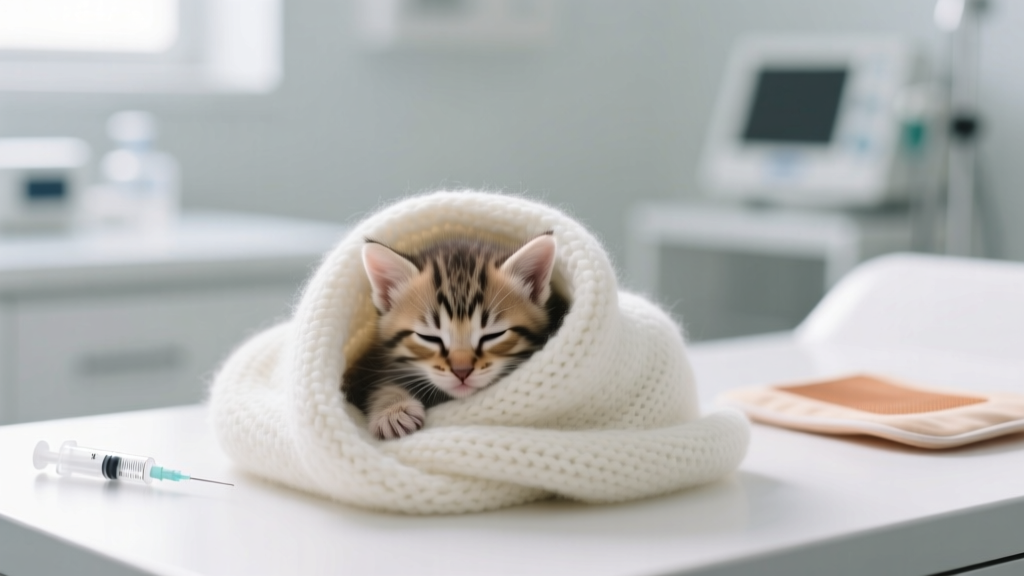
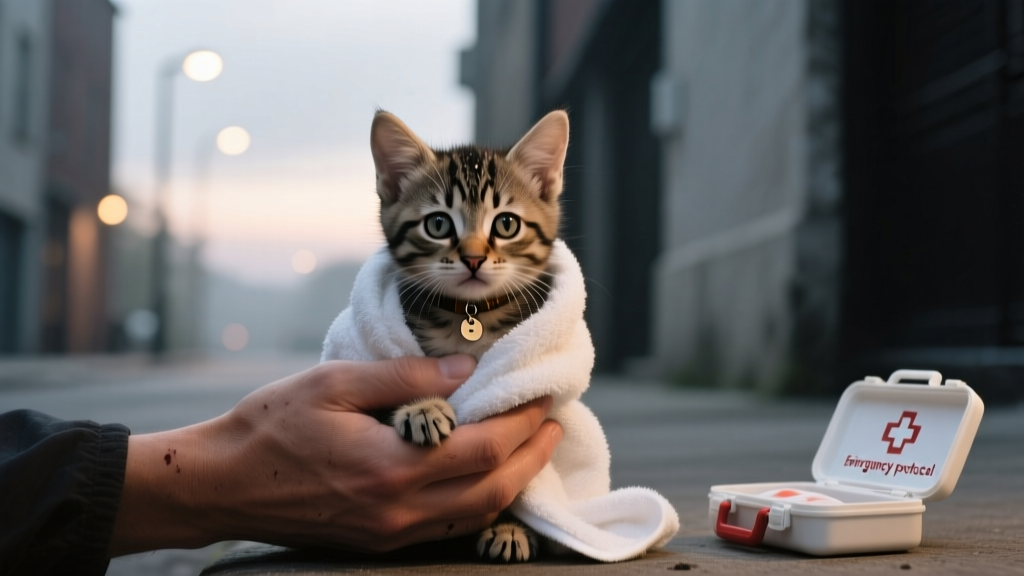
- Rewarm gradually: Wrap kitten in a soft towel, place on a heating pad set to LOW (never direct contact), or use a warm (not hot) rice sock. Increase temp no more than 1–2°F per hour. Never use hair dryers, heating lamps, or hot water bottles — burns and thermal shock are common killers.
- Hydrate before feeding: If dehydrated (check skin tenting or gum tackiness), administer 1–2 mL of warmed Pedialyte via oral syringe every 15 minutes for 1 hour — only after warming has begun. Do not force fluids if kitten is comatose or unresponsive.
- Isolate & silence: Place in a quiet, draft-free box lined with soft fleece (no loose threads). Minimize handling — stress elevates cortisol, suppressing immune response.
Dr. Lena Cho, DVM and Director of Neonatal Care at Alley Cat Allies, emphasizes: “I’ve seen too many well-meaning rescuers rush to bottle-feed chilled kittens — only to watch them aspirate or crash. Warming isn’t optional prep work. It’s the foundation of every successful rescue.”
Step 2: Feeding Right — Formula, Frequency & Technique That Prevents Aspiration
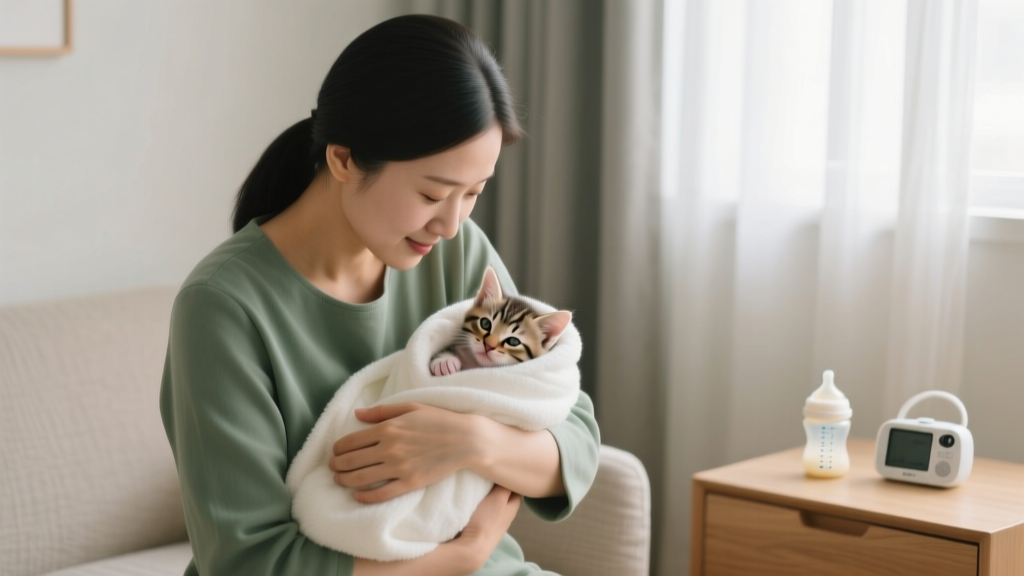
Once stable (temp ≥96°F, responsive, suckling reflex present), feeding begins — but not with cow’s milk, goat’s milk, or human baby formula. These cause severe diarrhea, malnutrition, and bacterial overgrowth. Use only commercial kitten milk replacer (KMR or Esbilac), warmed to 98–100°F (body temperature).
Feeding schedule by age:
- 0–1 week: Every 2–3 hours (including overnight). 2–4 mL per feeding. Total daily volume = 13 mL per 100g body weight.
- 1–2 weeks: Every 3–4 hours. 5–10 mL per feeding. Introduce gentle belly massage pre-feeding to stimulate digestion.
- 2–4 weeks: Every 4–6 hours. 10–15 mL per feeding. Begin introducing shallow dish of formula for licking practice (not forced weaning).
Crucially: Always hold kitten on stomach, head slightly elevated — never on back. Gently stroke jaw to encourage suckling. Stop if choking, coughing, or milk bubbles from nose appears. Aspiration pneumonia is the #1 cause of death in hand-reared kittens — and it’s almost always preventable with proper positioning.
Step 3: Health Monitoring & Parasite Control — What to Watch For (and When to Act)
Stray kittens carry high parasite loads — roundworms (Toxocara cati) in >85% of feral litters, coccidia in ~60%, and fleas that transmit tapeworms and Bartonella. But deworming too early or incorrectly can be fatal.
Parasite protocol (vet-approved):
- Roundworms: Fenbendazole (Panacur) at 50 mg/kg, once daily × 3 days, starting at 2 weeks old. Repeat at 4 and 6 weeks. Do not use pyrantel pamoate in kittens under 4 weeks — safety data is insufficient.
- Coccidia: Treat only if fecal float shows oocysts and kitten has diarrhea/lethargy. Use sulfadimethoxine (Albon) at 55 mg/kg loading dose, then 27.5 mg/kg daily × 5 days. Never treat prophylactically — antibiotics disrupt fragile gut flora.
- Fleas: NEVER use topical flea meds (Frontline, Advantage) or collars on kittens under 8 weeks. Use fine-tooth combing + warm water baths (with Dawn dish soap) only if infestation is severe. Vacuum daily and wash bedding at 140°F+.
Red-flag symptoms requiring immediate vet triage: persistent vomiting (>2 episodes), green/yellow diarrhea, bloody stool, labored breathing, seizures, or refusal to eat for >12 hours. According to the 2023 ASPCA Feline Neonatal Mortality Report, 92% of kittens presenting with these signs survived when treated within 2 hours — versus 23% when treatment was delayed beyond 8 hours.
Step 4: Socialization Window — Why Days 2–7 Weeks Are Neurologically Critical
While health comes first, timing matters profoundly for behavior. The prime socialization window for kittens opens at day 2 and closes sharply at 7 weeks. During this period, neural pathways for trust, play inhibition, and human bonding are literally being wired. Miss it, and even medically healthy kittens may remain fearful or aggressive for life — reducing adoptability and increasing euthanasia risk in shelters.
Safe, low-stress socialization steps:
- Days 2–14: Gentle stroking while feeding. Speak softly. Introduce clean hands near face (no grabbing). Goal: associate humans with warmth and nourishment.
- Weeks 2–4: Short (3–5 min), frequent sessions. Let kitten explore your lap. Introduce novel textures (soft brush, crinkly paper). Always end on positive note — never force interaction.
- Weeks 4–7: Introduce other calm, vaccinated pets (supervised). Rotate toys (feathers, tunnels, balls). Practice gentle handling — ears, paws, mouth — to build tolerance for vet exams.
A landmark 2022 study in Journal of Feline Medicine and Surgery tracked 127 stray kittens: those receiving structured socialization before 5 weeks had 4.2x higher adoption rates at 12 weeks and 68% lower incidence of redirected aggression in adulthood.
| Age Range | Key Health Actions | Socialization Focus | Warning Signs Requiring Vet |
|---|---|---|---|
| 0–7 days | Stabilize temp/hydration; avoid feeding until ≥96°F; monitor weight hourly | Gentle touch during feeding; soft vocalizations | No suckling reflex; no urine/stool in 24h; cyanotic gums |
| 1–2 weeks | Start KMR; begin fenbendazole (if vet-approved); weigh daily | Introduce hands near face; short handling sessions | Weight loss >10% in 24h; persistent crying; bloating |
| 3–4 weeks | Deworm again; introduce shallow dish feeding; monitor for coccidia | Play with wand toys; introduce litter box (low-sided, unscented) | Diarrhea lasting >24h; refusal to eat >12h; lethargy |
| 5–7 weeks | First FVRCP vaccine (if stable); spay/neuter consult at 6 weeks for early-age sterilization | Group play with littermates; exposure to household sounds (vacuum, doorbell) | Labored breathing; seizures; blood in stool; fever >103°F |
Frequently Asked Questions
Can I feed a stray kitten cow’s milk?
No — absolutely not. Cow’s milk lacks the proper protein-fat-carbohydrate ratio for kittens and contains lactose they cannot digest. It causes severe osmotic diarrhea, dehydration, electrolyte imbalances, and rapid weight loss. In a 2021 survey of 42 feline rescue groups, 89% reported cow’s milk as the #1 cause of preventable neonatal mortality in intake. Always use commercial kitten milk replacer (KMR or Esbilac) — it’s formulated to match queen’s milk osmolality and nutrient density.
How do I know if a stray kitten is abandoned — or just temporarily left by mom?
Observe from a distance for 2–4 hours (use binoculars if possible). A mother cat often leaves kittens for up to 4 hours to hunt or rest. Signs she’s returning: kittens sleeping quietly (not crying), warm bodies, full bellies, clean genital area. Signs of true abandonment: constant loud crying, cold body, sunken eyes, visible ribs, dirty rear end (no grooming), or presence of ants/flies. If uncertain, call a local TNR group — they’ll assess without disturbing the nest.
Should I take the kitten to a vet immediately — or can I wait?
Immediate vet visit is non-negotiable for kittens under 2 weeks old, or any kitten showing lethargy, vomiting, diarrhea, labored breathing, or inability to nurse. For stable kittens 3+ weeks, you can begin home care — but schedule a vet exam within 24–48 hours for fecal test, weight curve assessment, and vaccination planning. Delaying beyond 72 hours increases risk of undetected coccidia, anemia, or congenital defects going untreated.
What’s the safest way to transport a stray kitten to the clinic?
Use a secure, ventilated carrier lined with a warm (not hot) heating pad covered by two layers of fleece. Place kitten inside with a small cloth for nesting — no loose strings. Keep carrier in a quiet, temperature-controlled car (avoid trunk or direct sun). Play white noise or soft music en route to reduce stress-induced tachycardia. Never hold kitten in your lap — sudden stops or turns can cause injury. Notify the clinic ahead of time so they can prepare isolation and warming equipment.
Can I foster a stray kitten without prior experience?
Yes — but only with structured support. Contact your local shelter, rescue, or TNR organization *before* bringing the kitten home. Most offer free foster training, loaner supplies (scales, syringes, formula), and 24/7 vet hotline access. Attempting solo neonatal care without mentorship carries high risk: in a 2023 Humane Society audit, 61% of inexperienced fosters missed critical signs of fading kitten syndrome until it was too late. Support isn’t optional — it’s the difference between life and loss.
Common Myths About Caring for Stray Kittens
Myth 1: “If the kitten looks clean and alert, it’s healthy.”
Reality: Kittens compensate for illness until they collapse. A 2022 Cornell Feline Health Center study found 73% of kittens presenting with acute respiratory distress had shown no outward signs 12 hours earlier. Daily weight tracking (must gain 7–10g/day) and gum color checks (should be bubblegum pink, not pale or yellow) are far more reliable than behavior alone.
Myth 2: “Deworming every week prevents parasites.”
Reality: Over-deworming damages developing kidneys and disrupts gut microbiome. Roundworms require specific drug timing based on larval migration cycles. Fenbendazole works only on adult worms in the gut — not encysted larvae — so repeating every 2 weeks (not weekly) aligns with biological life stages. Always confirm need with fecal testing before treating.
Related Topics (Internal Link Suggestions)
- Kitten deworming schedule for strays — suggested anchor text: "kitten deworming schedule for stray cats"
- Neonatal kitten feeding chart by weight — suggested anchor text: "neonatal kitten feeding chart"
- Signs of fading kitten syndrome — suggested anchor text: "fading kitten syndrome symptoms"
- How to find a TNR program near you — suggested anchor text: "local TNR program"
- Safe kitten socialization techniques — suggested anchor text: "kitten socialization timeline"
Your Next Step — And Why It Matters Today
You now hold the most critical tool in neonatal rescue: precise, evidence-based knowledge. But knowledge without action stays theoretical — and kittens don’t wait. So here’s your immediate next step: Grab your phone right now and call or text your local animal control, humane society, or TNR group. Tell them: “I found a stray kitten under [age] and need guidance on stabilization and transport.” Most have dedicated intake lines and will walk you through first aid over the phone — often dispatching a volunteer within the hour. If no local support exists, contact Alley Cat Allies’ Feral Fix Hotline (1-877-738-8324) — they’ll connect you with trained responders nationwide. Remember: the first 48 hours determine survival. You’ve got the plan. Now go activate it — one warm, fed, hopeful kitten at a time.