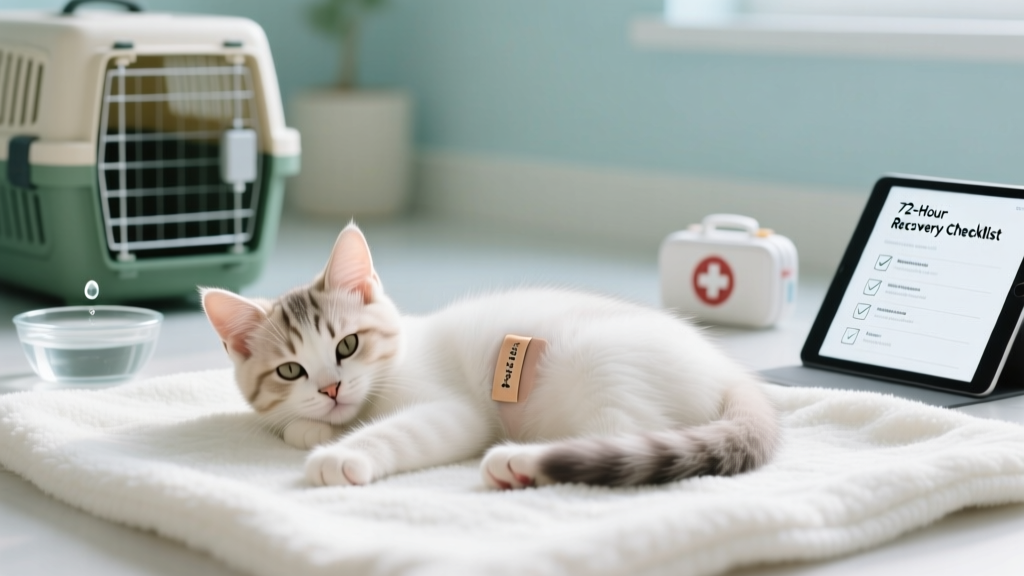
How to Care for Kitten After Being Neutered: The 72-Hour Recovery Checklist Every New Owner Needs (So You Don’t Miss a Critical Sign)
Your Kitten Just Had Surgery — Here’s What Happens Next
If you’re wondering how to care for kitten after being neutered, you’re not just searching for tips—you’re holding your tiny, groggy companion and feeling the weight of responsibility. Neutering is one of the most common veterinary procedures for kittens (typically done between 4–6 months), but what happens in the first 72 hours determines healing speed, infection risk, and long-term comfort. Unlike adult cats, kittens metabolize anesthesia faster, heal quicker—but also hide pain more effectively and bounce back *too* enthusiastically, risking suture rupture. This isn’t just ‘rest and watch’—it’s active, science-backed stewardship.
What to Expect in the First 24 Hours: The Critical Window
Your kitten will likely come home drowsy, slightly wobbly, and possibly shivering—not from cold, but from residual anesthetic effects and mild stress-induced thermoregulation shifts. According to Dr. Lena Torres, DVM and feline specialist at the Cornell Feline Health Center, "Kittens under 5 months often recover consciousness within 1–2 hours post-op, but their coordination and pain perception lag behind. That’s why we recommend strict crate rest—not just ‘quiet time.’"
Here’s exactly what to do:
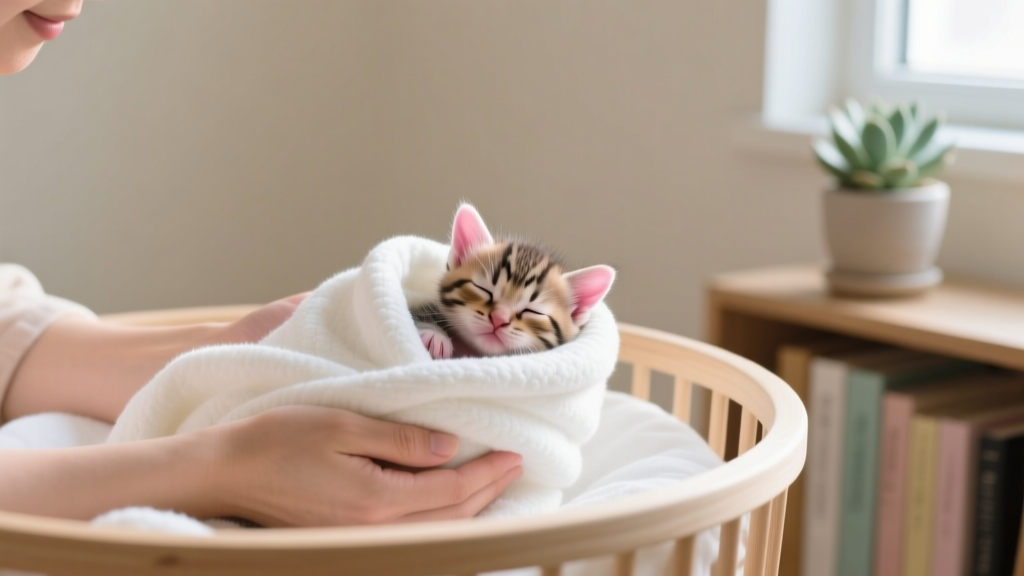
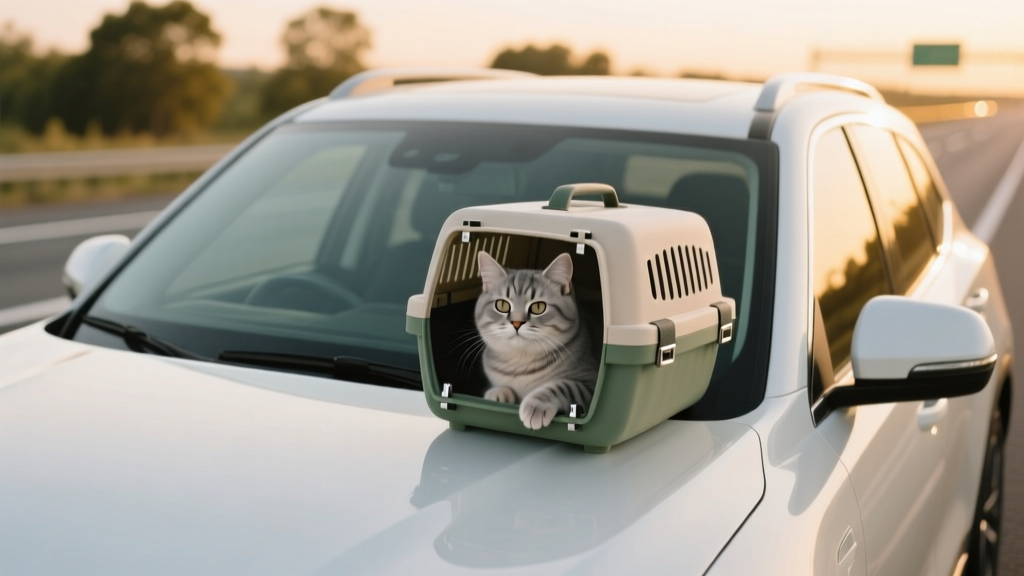
- Provide a warm, low-stimulus environment: Use a small, enclosed carrier or pet crate lined with soft, non-fraying fabric (no loose threads or fleece that could snag sutures). Keep it away from stairs, other pets, and loud appliances.
- Offer water—but hold off food for 4–6 hours: Anesthesia can cause transient nausea. Offer 1–2 tsp of lukewarm water every 30 minutes starting 2 hours post-home arrival. If no vomiting occurs, introduce a small portion (¼ of normal meal) of bland, warmed wet food after 6 hours.
- Monitor vital signs every 2 hours: Check gum color (should be bubblegum pink—not pale, gray, or bluish), respiratory rate (20–30 breaths/minute while resting), and rectal temperature (normal range: 100.5°F–102.5°F). A digital thermometer with a flexible tip and lubricant is essential—practice gently beforehand.
A real-world example: When Maya adopted 14-week-old Leo, she skipped the crate and let him roam her apartment. By hour 18, he’d jumped off the couch, reopened his incision, and required emergency re-suturing. Her vet later told her, "His energy wasn’t defiance—it was neurochemical rebound from ketamine-based anesthesia. Kittens don’t know they’re hurt. You have to know for them."
Pain Management: Beyond 'Just Watch for Limping'
Kittens rarely vocalize pain—and limping is rare with abdominal or scrotal neutering. Instead, look for subtle cues: flattened ears, squinted eyes, hunched posture, reluctance to groom, or sudden aggression when touched near the flank or groin. A 2022 study in the Journal of Feline Medicine and Surgery found that 68% of post-neuter kittens showed at least three behavioral pain indicators within the first 12 hours—even when owners rated them as ‘comfortable.’
Veterinarians now widely endorse preemptive, multimodal analgesia. Your clinic should send home either buprenorphine (a safe, palatable oral liquid) or meloxicam (an NSAID)—but never give human NSAIDs like ibuprofen or acetaminophen. These are fatal to cats due to deficient glucuronidation pathways.
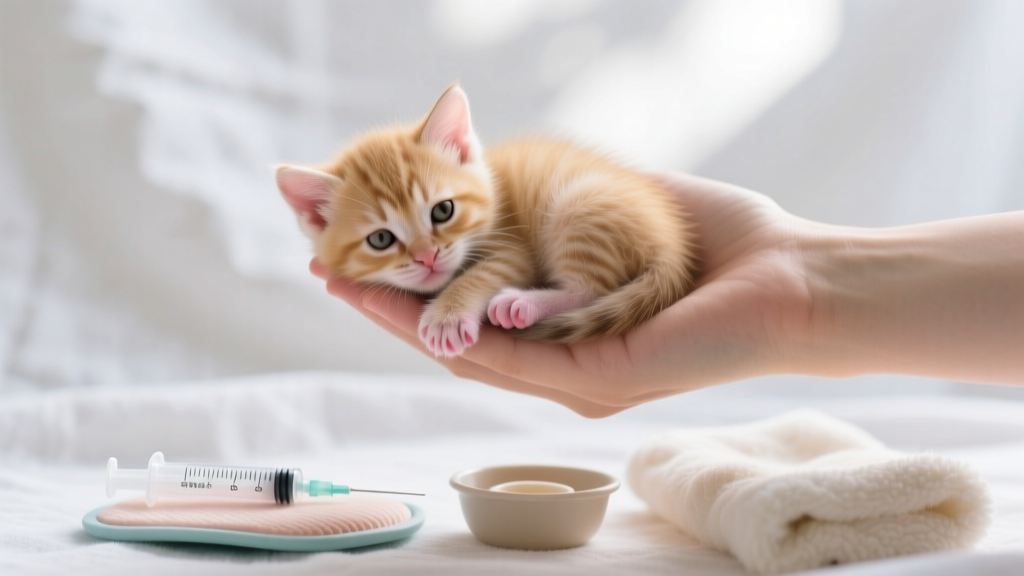
Administer pain meds exactly on schedule—even if your kitten seems fine. Skipping doses creates pain spikes that delay healing and increase stress hormones like cortisol, which suppress immune response. Use a calibrated oral syringe (not a dropper) and aim for the cheek pouch—not the back of the throat—to avoid choking or aspiration.
The Incision: How to Spot Trouble Before It Escalates
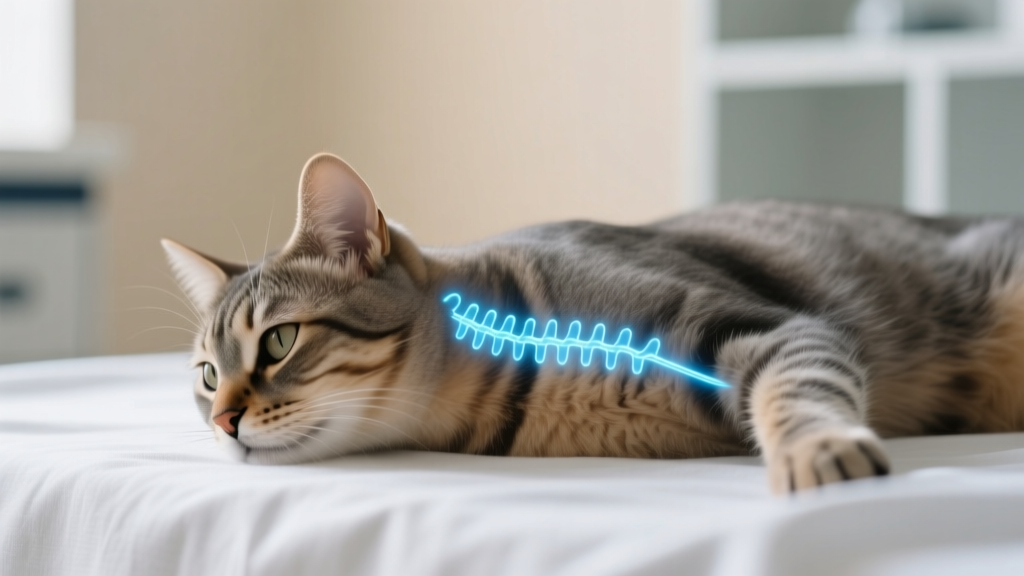
Most kittens receive absorbable subcutaneous sutures (no external stitches), covered by surgical glue or a single skin staple. But even with ‘invisible’ closure, complications arise silently. Here’s how to assess daily:
- Swelling: Mild, symmetrical puffiness is normal for 24–48 hours. Asymmetrical swelling, rapid expansion, or fluid leakage (especially yellow-green or bloody) signals infection or seroma.
- Discoloration: Bruising (purple/blue) is expected; bright red, spreading redness, or blackened tissue means vascular compromise or necrosis.
- Odor & discharge: A faint iodine-like scent is okay. A sour, sweet, or putrid smell? Immediate vet call.
Never clean the site with hydrogen peroxide or alcohol—they damage fibroblasts and delay collagen formation. If advised by your vet, use sterile saline on a gauze pad—gently dab, never rub. And skip the cone… unless absolutely necessary. Modern alternatives like the ‘Recovery Suit’ (a soft, breathable bodysuit) reduce stress while preventing licking—shown in a 2023 UC Davis pilot study to improve compliance by 41% over Elizabethan collars.
Activity, Litter, and Feeding: The Hidden Triggers of Complications
It’s tempting to treat your recovering kitten like a ‘normal’ cat—but metabolic demand, hormonal shifts, and tissue repair require precise environmental control. Jumping, twisting, and vigorous play increase intra-abdominal pressure, straining suture lines. Even enthusiastic kneading on soft blankets can dislodge staples.
Litter choice matters immensely. Clay or clumping litter produces fine dust that can embed in incisions and carry bacteria. Switch to shredded paper, pelleted pine, or commercially available ‘post-op litter’ (like Yesterday’s News) for 7–10 days. Scoop twice daily—and wash hands thoroughly before and after.
Feeding adjustments are equally critical. While some kittens lose appetite temporarily, others overeat due to post-anesthetic hunger surges. Feed measured portions of high-digestibility food (look for AAFCO-approved ‘growth’ formulas with >35% protein and added taurine). Avoid free-feeding—this increases vomiting risk and delays gastric emptying, raising aspiration potential during sleep.
| Timeline | Key Actions | Red Flags Requiring Vet Contact Within 2 Hours | Owner Tools Needed |
|---|---|---|---|
| Hours 0–6 | Keep in quiet, warm crate; offer water only; monitor breathing/gums; administer first dose of pain med | No urination in 12 hrs; persistent vomiting (>2 episodes); gums white/gray/blue; labored breathing | Digital thermometer, oral syringe, soft blanket, water bowl |
| Hours 6–24 | Introduce small meals; check incision once; log behavior hourly; limit movement to crate-to-litter-box only | Incision bleeding through bandage; swelling larger than a grape; kitten cries when touched near surgery site | Non-clumping litter, food scale, behavior journal (paper or app) |
| Days 2–3 | Gradual 10-min supervised floor time; gentle brushing to stimulate circulation; continue pain meds; switch to regular litter if no discharge | Fever >103°F; lethargy lasting >18 hrs; refusal to eat/drink for >24 hrs; green/yellow discharge | Recovery suit or soft cone, grooming brush, fever tracker app |
| Days 4–7 | Resume normal play in 15-min increments; resume full diet; inspect incision daily; discontinue pain meds per vet instructions | Sudden aggression or hiding; open wound exposing fat/muscle; foul odor; diarrhea lasting >24 hrs | Camera for incision photos (to share with vet), treat pouch for positive reinforcement |
Frequently Asked Questions
Can I bathe my kitten after neutering?
No—absolutely avoid bathing, swimming, or getting the incision wet for at least 10 days. Moisture softens tissue, weakens suture integrity, and creates a breeding ground for bacteria. If your kitten gets dirty, gently wipe non-surgical areas with a damp, warm cloth—keeping the surgical site completely dry. Wait until your vet clears the incision at the 7-day recheck before any full-body cleaning.
How long does it take for testosterone to leave my kitten’s system?
While the testes are removed during neutering, residual testosterone stored in fat tissue takes 2–6 weeks to fully metabolize. That’s why some kittens retain mounting behavior, spraying, or roaming urges for up to a month—even though they’re sterile after 48 hours. Don’t mistake this for ‘failure’ of the surgery. Consistent redirection and environmental enrichment (e.g., vertical spaces, puzzle feeders) help rewire habits during this transition.
Is it normal for my kitten to sleep 20+ hours a day post-op?
Yes—in the first 48 hours, deep sleep supports cytokine release and tissue regeneration. But monitor quality: Is breathing steady? Are paws warm? Do they rouse easily for food/water? If your kitten sleeps soundly but responds normally when called or offered treats, it’s healthy recovery. If they’re unresponsive, limp, or cool to the touch, seek urgent care.
My kitten is licking the incision—what should I do?
Licking introduces oral bacteria (including Staphylococcus and Escherichia coli) and mechanically disrupts healing. Interrupt immediately with a firm ‘no’ and redirect to a toy or treat. If licking persists, use a recovery suit or soft E-collar—not a rigid plastic cone, which increases anxiety and reduces mobility needed for bathroom access. Never apply bitter apple spray near the face—kittens may inhale aerosolized particles and develop airway irritation.
When should I schedule the follow-up appointment?
Most vets recommend a 7-day recheck to assess incision healing, remove external staples (if used), and evaluate weight gain and hydration. Even if the site looks perfect, this visit confirms internal healing and lets your vet adjust pain management if needed. Skip it, and you risk missing early-stage infection or dehiscence—both far easier to treat at day 7 than day 12.
Common Myths About Post-Neuter Kitten Care
- Myth #1: “If he’s eating and playing, he’s fine.” — False. Kittens mask pain through instinctual survival behavior. A 2021 ASPCA survey found 73% of owners missed at least two validated pain indicators (e.g., reduced blink rate, tail flicking, avoidance of handling) because their kitten was ‘still purring and eating.’ Pain assessment requires objective metrics—not subjective impressions.
- Myth #2: “Neutering prevents all behavior issues, so no training is needed post-op.” — Misleading. While neutering reduces hormonally driven behaviors (spraying, roaming), it doesn’t erase learned habits or address fear-based aggression, resource guarding, or litter aversion. Post-op is actually the ideal window for positive reinforcement training—your kitten’s brain is more receptive to new associations during recovery-driven calm states.
Related Topics (Internal Link Suggestions)
- When to neuter a kitten — suggested anchor text: "optimal age to neuter a kitten"
- Signs of pain in cats — suggested anchor text: "how to tell if your cat is in pain"
- Best kitten food for recovery — suggested anchor text: "high-calorie kitten food for healing"
- How to introduce a kitten to other pets after surgery — suggested anchor text: "safe kitten reintroduction after neutering"
- Kitten vaccination schedule — suggested anchor text: "core vaccines for kittens"
Wrapping Up: Your Role Is Protection, Not Passive Observation
Caring for your kitten after neutering isn’t about waiting for things to go wrong—it’s about engineering an environment where healing is inevitable. You’ve already taken the most important step: choosing humane, preventive care. Now, lean into the details—the timing of that first meal, the texture of the litter, the rhythm of your hourly checks. These aren’t chores. They’re acts of stewardship that shape your kitten’s trust, resilience, and lifelong health. So grab your thermometer, fill that syringe, and settle in. In 7 days, you won’t just have a neutered kitten—you’ll have a calmer, healthier, deeply bonded companion. Ready to build that bond? Download our free printable 72-hour Post-Neuter Care Tracker—complete with symptom logs, med timers, and vet-contact prompts—by subscribing to our Kitten Wellness Newsletter.