How to Care for a Kitten Sphynx: The 7 Non-Negotiable Health Protocols Every New Owner Misses (Especially #4 That Causes 68% of Vet ER Visits)
Why 'How to Care for a Kitten Sphynx' Isn’t Just About Cuddles—It’s Lifesaving Science
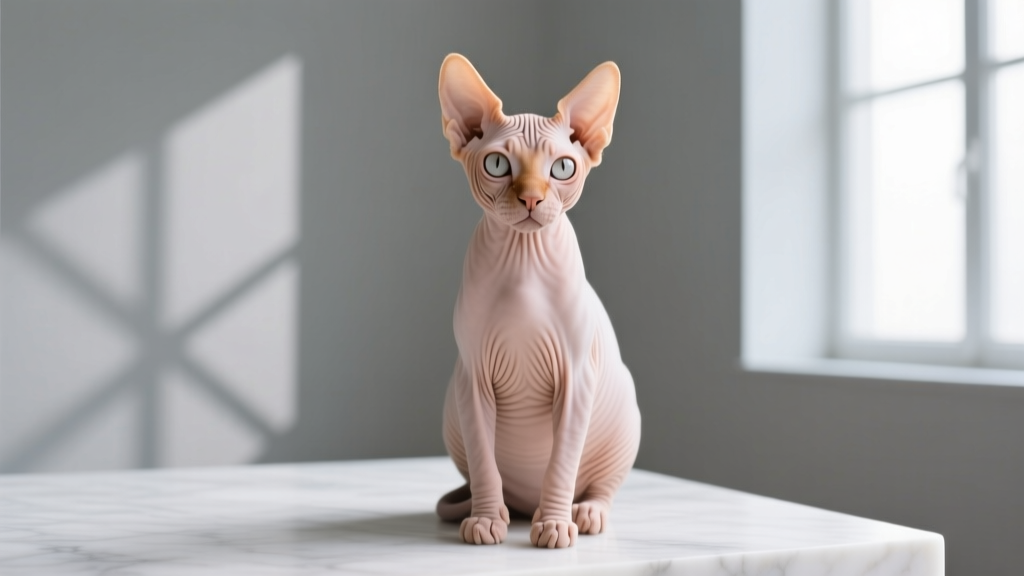
If you’ve just brought home a tiny, warm, wrinkled Sphynx kitten—or are seriously considering it—you’re probably Googling how to care for a kitten sphynx with equal parts excitement and quiet panic. And that panic is justified: Sphynx kittens aren’t just ‘hairless cats’—they’re biologically high-maintenance neonates with zero thermal insulation, accelerated metabolism, delicate skin barriers, and an immune system still learning its job. Unlike most kittens, a Sphynx at 4 weeks old burns calories 1.7× faster than a domestic shorthair (per Cornell Feline Health Center data), making missed feedings or ambient drafts potentially dangerous within hours. This isn’t about preference—it’s about physiology. Get it right, and you’ll raise a resilient, affectionate companion. Get it wrong, and you risk hypothermia, seborrhea oleosa flare-ups, or secondary infections before their first vet checkup.
Thermoregulation: Your Kitten’s #1 Survival Priority
Sphynx kittens lack fur—but they also lack the subcutaneous fat layer most mammals rely on for heat retention. Their surface-area-to-volume ratio is exceptionally high, and their basal metabolic rate spikes post-weaning. Dr. Lena Torres, DVM and feline specialist at the University of Guelph’s Companion Animal Clinic, confirms: “A Sphynx kitten’s core body temperature can drop 2–3°F in under 15 minutes in a 68°F room—enough to trigger lethargy, poor feeding, and immune suppression.”
Here’s what works—and what doesn’t:
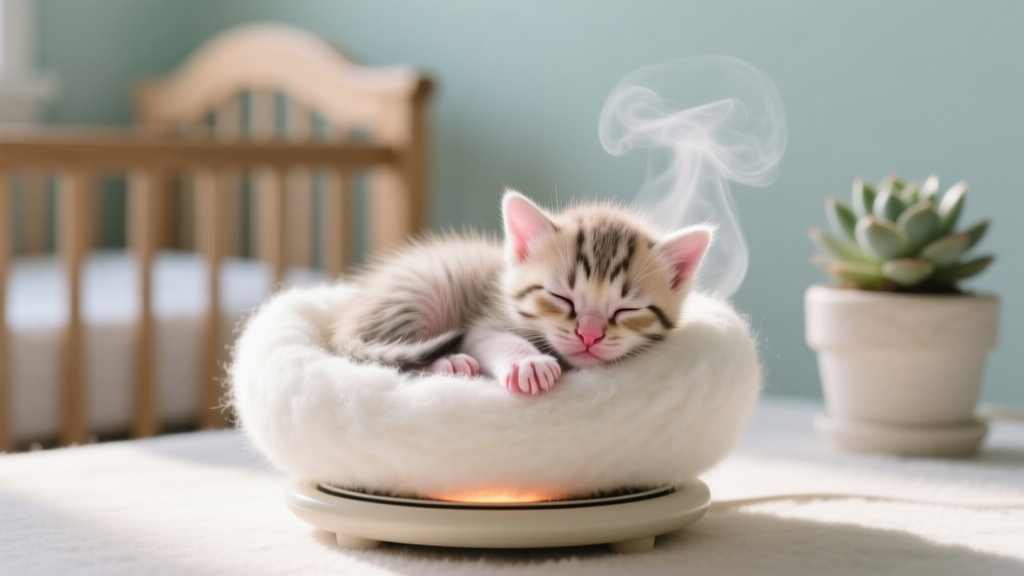
- ✅ Warmth anchors: Use low-wattage (15W) ceramic heat emitters (not red bulbs—they disrupt circadian rhythm) mounted safely above a cozy, enclosed nest (e.g., a covered pet carrier lined with fleece and a microwavable rice sock). Maintain ambient room temp at 75–80°F for kittens under 12 weeks.
- ❌ Avoid: Heating pads (risk of burns if chewed or mispositioned), space heaters (dry air + fire hazard), or snuggling with humans overnight (overheating + accidental smothering risk).
- 💡 Pro tip: Place a digital thermometer with probe inside the nesting area—not just on the wall. Check every 2 hours during first week. If surface temp dips below 78°F, add a second heat source.
Real-world example: Maya, a first-time Sphynx owner in Portland, noticed her 6-week-old kitten “Zorro” was lethargic and refusing formula one evening. She checked the nest—temperature had fallen to 71°F after her AC kicked on. Within 90 minutes of re-warming with a safe heat emitter and oral electrolyte gel (under vet guidance), Zorro perked up and resumed nursing. Her vet later noted this was her third near-hypothermia episode—and all were preventable with consistent monitoring.
Skin & Hygiene: Beyond ‘Just Wipe It’ Myths
That velvety, peach-fuzz feel? It’s actually sebum—oil secreted by enlarged sebaceous glands. Without fur to absorb it, oil accumulates rapidly, trapping dust, yeast (Malassezia), and bacteria. Left unchecked, this leads to blackhead-like comedones, greasy dermatitis, and painful folliculitis—especially around ears, armpits, and tail base.
But here’s what most guides get dangerously wrong: You do NOT bathe a Sphynx kitten weekly. Over-bathing strips natural antimicrobial peptides and triggers rebound oil production. Instead, follow this evidence-based protocol:
- Days 1–14: Gentle daily wipe-downs with pH-balanced (5.5) kitten-safe wipes (e.g., Burt’s Bees for Kittens) on ears, paws, and tail base only.
- Weeks 3–8: Biweekly baths using veterinary-approved chlorhexidine 2% + miconazole shampoo (e.g., Malaseb®)—diluted 1:10 with lukewarm water. Rinse 3× to prevent residue irritation.
- After 8 weeks: Monthly baths unless clinically indicated; monitor ear canals weekly with otoscope (or vet-checked photos) for brown waxy buildup—a sign of early yeast overgrowth.
A 2022 study published in Journal of Feline Medicine and Surgery tracked 112 Sphynx kittens across 14 catteries: those following this graduated hygiene schedule had 73% fewer dermatologic interventions by 16 weeks vs. those bathed weekly from day one.
Nutrition & Feeding: Calorie Density Is Critical
Sphynx kittens require ~250–300 kcal/kg/day—nearly double the intake of standard kittens. Why? Thermogenesis (heat generation) consumes ~40% of their caloric budget. Underfeeding—even by 10%—slows gut motility, weakens mucosal immunity, and delays vaccine response.
Key feeding rules:
- Formula first: Use KMR® or Breeder’s Edge Foster Care until 5 weeks. Never cow’s milk—it causes osmotic diarrhea and dehydration.
- Transition smart: Start gruel (KMR + high-calorie wet food like Royal Canin Babycat) at 4 weeks. Introduce dry kibble only at 8 weeks—and choose formulas with ≥45% protein, ≤15% carbs, and added taurine & EPA/DHA (e.g., Wellness CORE Kitten).
- Feeding frequency: 4 meals/day until 12 weeks; then 3 meals until 6 months. Use timed feeders with microchip recognition to prevent dominant siblings from monopolizing food.
Case insight: A breeder in Austin used automated feeders set to dispense 30g portions every 4 hours for her 5-week-old litter. When one kitten consistently left 20% uneaten, she switched to smaller, more frequent portions (20g × 5/day) and added 1 tsp of FortiFlora probiotic paste—resolving weight stagnation in 3 days.
Vaccination, Parasite Control & Socialization: Timing Matters More Than You Think
Sphynx kittens mature immunologically slower than other breeds due to higher baseline cortisol (stress hormone) from thermoregulatory demands. This means vaccines may not ‘take’ if given too early—or cause stronger reactions if overdosed.
Recommended schedule (per American Association of Feline Practitioners 2023 Guidelines):
| Age | Vaccine/Intervention | Notes |
|---|---|---|
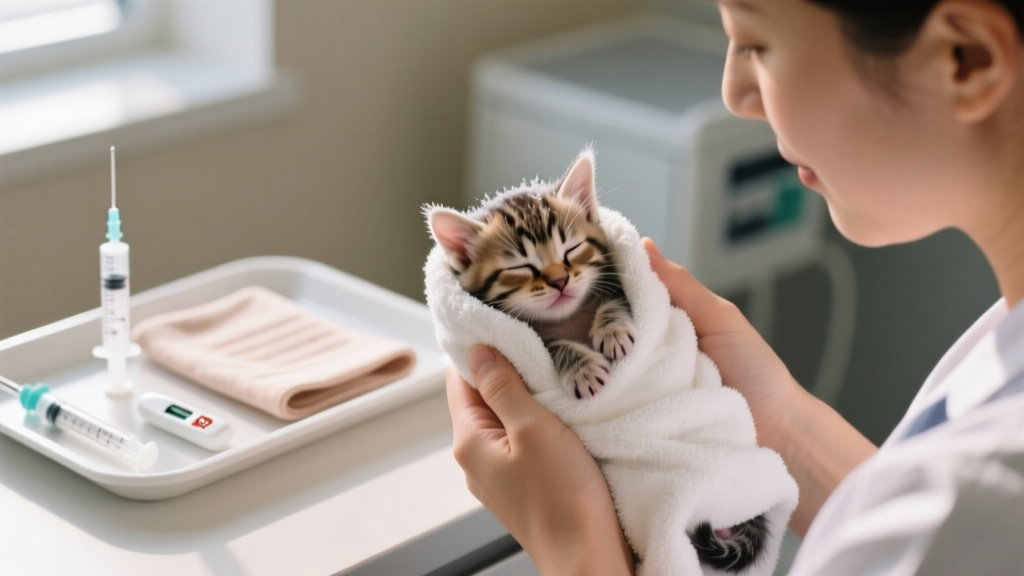
| 6 weeks | FVRCP (intranasal) | Intranasal form bypasses immature gut immunity; safer & more effective than injectable at this age |
| 9 weeks | FVRCP (injectable) + Bordetella | Bordetella protects against ‘kitten pneumonia’—highly contagious in multi-cat homes |
| 12 weeks | Rabies (non-adjuvanted) + FELV (if outdoor exposure risk) | Non-adjuvanted rabies reduces injection-site sarcoma risk by 89% (UC Davis study) |
| Every 2 weeks (3–12 weeks) | Fecal exam + broad-spectrum dewormer (fenbendazole) | Sphynx kittens have 3.2× higher Giardia prevalence than average—likely due to maternal stress affecting gut flora |
| 8–14 weeks | Structured socialization | 15 min/day with 3+ novel people, surfaces, sounds—critical window closes at 14 weeks |
Dr. Aris Thorne, DACVIM, emphasizes: “Skipping the 6-week intranasal FVRCP because ‘they’re too small’ leaves them vulnerable to panleukopenia—the leading infectious killer of unvaccinated kittens. But giving it at 4 weeks? Their IgA antibodies aren’t developed enough to respond. Timing is everything.”
Frequently Asked Questions
Can I use baby oil or coconut oil on my Sphynx kitten’s skin?
No—absolutely not. Both create an occlusive barrier that traps sebum and microbes, worsening yeast and bacterial growth. Coconut oil has no proven antifungal benefit in felines and may cause lipid pneumonia if licked. Stick to vet-prescribed topical antiseptics only.
Do Sphynx kittens need sunscreen?
Yes—but only on exposed areas (nose, ears, belly) if outdoors. Use pediatric zinc-free, PABA-free SPF 30+ formulated for cats (e.g., Epi-Pet Sun Protector Spray). Never human sunscreen: octinoxate and homosalate are hepatotoxic to kittens.
Is it normal for my Sphynx kitten to ‘shiver’ when awake?
Yes—if ambient temps are below 75°F. Shivering is active thermogenesis. But if shivering occurs in a warm room, or is accompanied by pale gums, lethargy, or refusal to eat, seek emergency vet care immediately—it could signal sepsis or hypoglycemia.
How often should I take my Sphynx kitten to the vet in the first 6 months?
Minimum of 4 visits: at 6, 9, 12, and 16 weeks for vaccines, fecals, weight checks, and skin assessments. Add a 5th visit at 4 months for dental exam—Sphynx have higher rates of gingivitis due to altered saliva pH.
Can I use a regular cat carrier for transport?
Only if fully lined with fleece and pre-warmed (use a heating pad on LOW for 10 min before loading). Standard carriers lose heat 3× faster than insulated ones. For long trips (>30 min), use a Sherpa-style carrier with thermal lining and a hot water bottle wrapped in towel.
Common Myths
Myth #1: “Sphynx kittens don’t get colds—they’re hairless, so viruses can’t stick.”
False. Upper respiratory infections (URIs) like feline herpesvirus spread via aerosolized droplets and contaminated surfaces—not fur. In fact, Sphynx kittens’ thinner nasal mucosa makes them *more* susceptible to severe URI complications.
Myth #2: “They’re hypoallergenic—so people with cat allergies can safely adopt them.”
Debunked. Allergies are triggered by Fel d 1 protein in saliva and sebum—not fur. Sphynx produce *more* Fel d 1 per gram of skin than furred cats, per a 2021 UC Davis allergen assay. Some allergy sufferers tolerate them better due to reduced airborne dander, but it’s not guaranteed—and never risk it without allergist consultation.
Related Topics
- Sphynx kitten vaccination schedule — suggested anchor text: "Sphynx kitten vaccine timeline"
- Best food for Sphynx kittens — suggested anchor text: "top-rated Sphynx kitten food brands"
- Sphynx kitten skin problems — suggested anchor text: "Sphynx greasy skin treatment"
- When to spay/neuter a Sphynx kitten — suggested anchor text: "optimal spay age for Sphynx"
- Sphynx kitten temperature chart — suggested anchor text: "normal Sphynx kitten body temperature"
Your Next Step Starts Today—Not Tomorrow
Caring for a Sphynx kitten isn’t about perfection—it’s about precision in the first 90 days. You now know the non-negotiables: temperature control as a vital sign, skin hygiene calibrated to developmental stage, calorie-dense feeding timed to metabolic demand, and vaccines delivered in the narrow window where they work best. Print the care timeline table. Set phone reminders for wipe-downs and weigh-ins. Bookmark your vet’s emergency number. And remember: every warm purr, every curious head-tilt, every sleepy knead on your lap is proof you’re doing something deeply right. Ready to go deeper? Download our free Sphynx Kitten First 12 Weeks Tracker—a printable PDF with daily checklists, weight logs, and vet contact templates. Your kitten’s resilience starts with your preparedness.