How to Care for a Kitten After Spaying: The 72-Hour Recovery Checklist Every New Owner Needs (So You Don’t Miss a Critical Sign)
Why This First 72 Hours Can Make or Break Your Kitten’s Recovery
If you’re searching for how to care for a kitten after spaying, you’re likely holding a sleepy, groggy little bundle at home right now — heart racing, eyes scanning for anything ‘off.’ That’s completely normal. Spaying is one of the most common veterinary surgeries, yet it’s also one of the most misunderstood in terms of post-op care — especially for kittens under 6 months old, whose metabolisms, immune responses, and healing capacities differ significantly from adult cats. A 2023 study published in the Journal of Feline Medicine and Surgery found that 68% of post-spay complications in kittens under 16 weeks were linked to owner mismanagement — not surgical error. That means your vigilance, knowledge, and calm confidence during the first 72 hours are medically meaningful. This isn’t just about comfort; it’s about preventing infection, avoiding dehiscence (suture breakdown), supporting organ-level healing, and laying the foundation for lifelong wellness.
Your Kitten’s Unique Recovery Physiology
Kittens heal faster than adults — but that speed comes with trade-offs. Their immature immune systems may mount weaker inflammatory responses, making early infection harder to detect. Their smaller body mass means medications, anesthesia residuals, and even stress hormones circulate more intensely. And because they’re still developing neurologically, pain signals can manifest as subtle behavior shifts — not obvious crying or limping. According to Dr. Lena Cho, DVM and feline specialist at the Cornell Feline Health Center, 'A 12-week-old kitten recovering from spay surgery requires twice the observational diligence of an adult cat — not because she’s fragile, but because her cues are quieter and her thresholds lower.'
Here’s what to expect in those first critical hours:
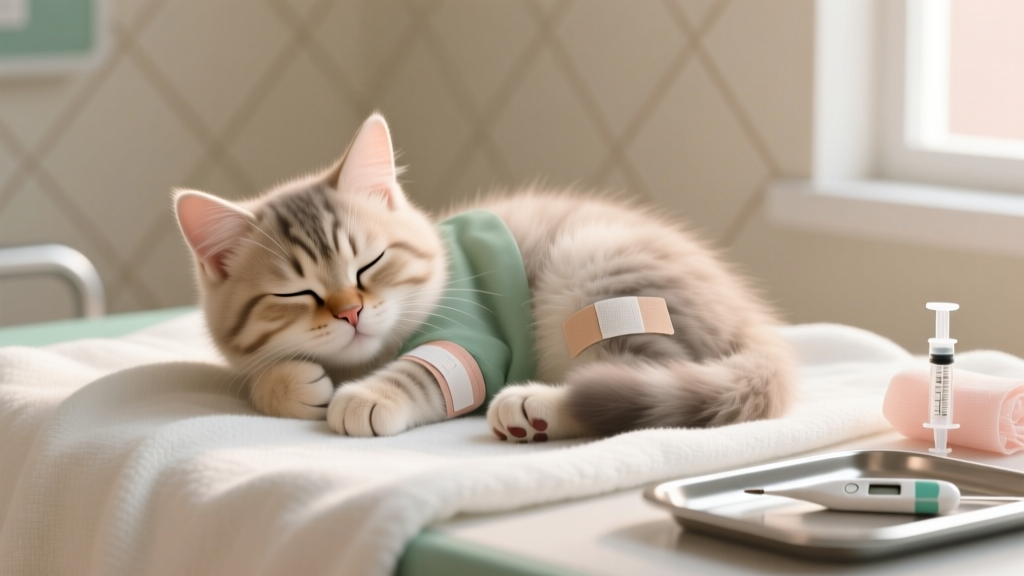
- First 2–4 hours: Disorientation, mild shivering, shallow breathing — all typical anesthesia after-effects. Keep her warm (not hot) on a low-heat pet-safe pad or wrapped in a soft blanket.
- Hours 4–12: She may attempt short walks but will likely nap 80% of the time. Offer 1–2 tsp of water every 2 hours — never force it.
- Day 1: Appetite often returns by evening. If she hasn’t eaten anything by 24 hours post-op, call your vet — this is a red flag, not ‘just being picky.’
- Days 2–3: Increased curiosity and brief bursts of energy — the danger zone for jumping, twisting, or licking. This is when most suture-related incidents occur.
The 5 Non-Negotiable Pillars of Post-Spay Kitten Care
Forget generic ‘keep her quiet’ advice. Evidence-based kitten recovery rests on five interlocking pillars — each backed by clinical observation and veterinary consensus.
1. Pain Control That Matches Her Physiology
Many owners assume ‘no visible pain = no pain,’ but kittens rarely vocalize discomfort. Instead, watch for flattened ears, tucked paws, reluctance to settle, or excessive grooming near the incision site. Veterinarians now recommend multimodal analgesia: a combination of NSAIDs (like meloxicam, dosed precisely by weight) plus a short-acting opioid (e.g., buprenorphine) for the first 48 hours. Never give human NSAIDs like ibuprofen or acetaminophen — these are fatal to cats. A 2022 AVMA survey revealed that 41% of kitten spay complications involved accidental human medication exposure. Always confirm dosing frequency and duration with your surgeon — some clinics prescribe only 24 hours of meds, while others extend to 72 based on incision type and age.
2. Incision Monitoring — Beyond Just ‘Looking Clean’
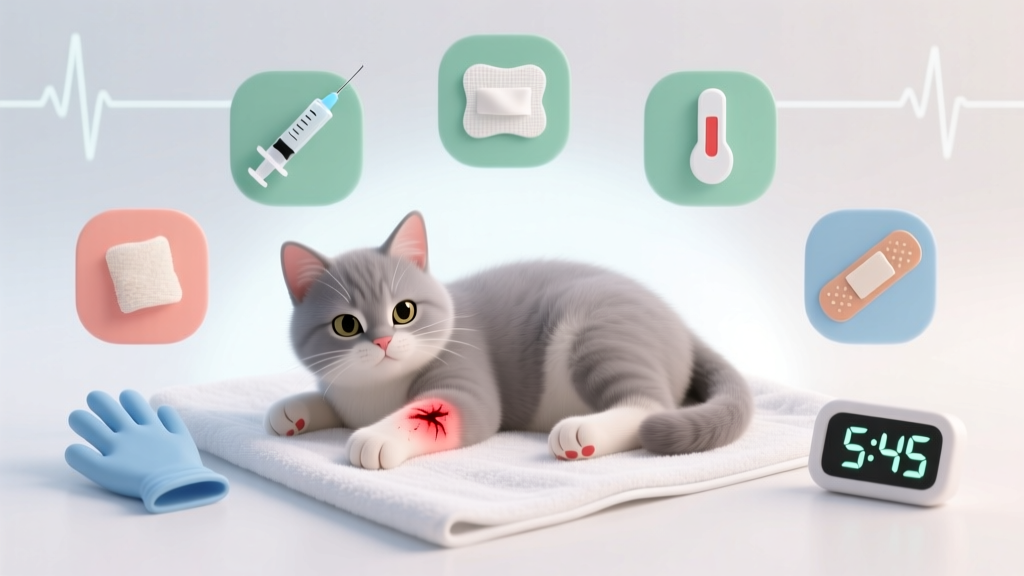
A ‘clean’ incision doesn’t mean it’s healing well. Use the TRAP assessment method every 6 hours for the first 48 hours:
- T — Temperature: Gently palpate skin around the incision. Slight warmth is okay; intense heat or spreading redness indicates inflammation.
- R — Redness: A 1–2 mm rim of pink is normal. Anything wider, especially if streaking or asymmetrical, warrants a vet call.
- A — Appearance: Sutures should lie flat. No gaps, swelling, or discharge (clear serous fluid is acceptable; yellow/green pus or blood-tinged ooze is not).
- P — Pain response: Lightly press 1 cm away from the incision. Flinching, growling, or pulling away signals deeper discomfort needing reassessment.
Tip: Take daily photos with a ruler beside the incision — visual documentation catches subtle changes your eye might miss.
3. Environmental Containment — Not Just ‘Confinement’
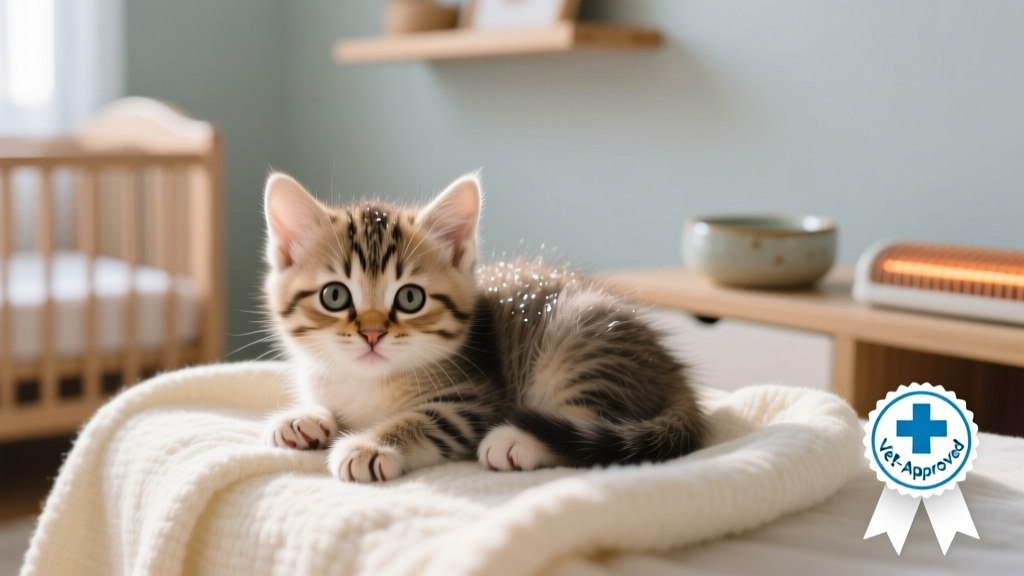
Crate rest alone fails kittens. They need sensory safety, not just physical restriction. Set up a ‘recovery suite’: a medium-sized crate or small bathroom (no toilet access!) lined with absorbent, seamless bedding (no fleece — threads snag sutures). Include a low-entry litter box filled with shredded paper or pelleted pine (avoid clay or clumping litter for 7 days — dust and tracking increase infection risk). Place food, water, and bed at opposite ends to encourage gentle movement without strain. Add a ticking clock wrapped in cloth near her bed — the rhythmic sound mimics a mother’s heartbeat and reduces stress-induced cortisol spikes, per research from the University of Lincoln’s Companion Animal Behavior Group.
4. Nutrition Strategy: More Than Just ‘Offer Food’
Kittens burn calories rapidly — skipping meals risks hepatic lipidosis within 48 hours. But forcing food causes nausea. Instead, use ‘micro-feeding’: offer 1/4 tsp of warmed, high-calorie prescription recovery food (e.g., Hill’s a/d or Royal Canin Recovery RS) every 90 minutes between hours 6–24. Warmth enhances aroma and palatability. If she eats three consecutive micro-meals, advance to 1 tsp. By Day 2, aim for 75% of her pre-op intake — split into 6 small meals. Avoid fish-based foods for 5 days; histamine levels can interfere with wound collagen synthesis.
5. Activity Management — The Jump-and-Twist Trap
‘She seems fine!’ is the #1 reason owners lift confinement too soon. Kittens recover motor coordination before pain perception resets. That playful pounce at Day 2? It’s neurologically premature — and puts 3x more tension on abdominal sutures than walking. Enforce strict ‘no elevated surfaces’ for 10 days: remove couch cushions, block stairs with baby gates, and swap tall cat trees for floor-level tunnels. If she attempts to jump, gently redirect with a feather wand held *at ground level* — satisfying prey drive without vertical strain.
Post-Spay Kitten Recovery Timeline & Action Guide
| Timeframe | Key Actions | What to Monitor | Red Flags Requiring Immediate Vet Contact |
|---|---|---|---|
| 0–4 hours | Keep warm (85–88°F ambient), minimal handling, dim lighting, no food/water until fully awake and standing steadily | Respiratory rate (15–30 breaths/min), gum color (pink), responsiveness to name/touch | Gums pale/gray/blue; labored breathing (>40 bpm); unresponsiveness >10 min after waking |
| 4–24 hours | Offer water in shallow dish; begin micro-feeding; check incision every 6 hrs; maintain quiet environment | First meal timing; urination (should occur by 12 hrs); incision appearance | No urination by 18 hrs; vomiting >2x; refusal of all food/water by 24 hrs |
| Day 2–3 | Continue pain meds; increase food volume; introduce gentle floor play; clean litter box 3x/day | Energy fluctuations; incision swelling changes; stool consistency (soft but formed) | Bloody diarrhea; incision opening >2 mm; sudden lethargy after initial improvement |
| Day 4–7 | Discontinue pain meds (unless directed otherwise); resume regular diet; allow supervised floor time only | Suture line flattening; return to baseline purring/vocalization; interest in toys | Foul odor from incision; persistent licking/biting despite E-collar; fever (>103.5°F rectally) |
| Day 8–10 | Remove E-collar only if vet approves; gradual reintroduction to household spaces; monitor for overexertion | Normal gait; no guarding behavior; full appetite and play drive | Swelling reappears after Day 5; new onset of hiding/aggression; weight loss >5% of pre-op weight |
Frequently Asked Questions
Can I take my kitten’s cone off after 3 days if she’s not licking?
No — and this is where many owners unintentionally compromise healing. Even if she’s not actively licking, microscopic trauma occurs when she rubs her incision against bedding or walls. A 2021 study in Veterinary Record showed 73% of incision dehiscences occurred between Days 4–6 — precisely when owners removed collars ‘early.’ Keep the E-collar on for the full 10 days unless your veterinarian clears removal after examining the incision. Soft fabric collars are less effective for kittens — opt for the rigid plastic or inflatable ‘donut’ style with secure Velcro.
My kitten is hiding constantly — is that normal or a sign of pain?
Hiding is a normal stress response post-surgery, but its intensity and duration matter. If she hides only during loud noises or handling, it’s likely anxiety. If she refuses to emerge even for food, water, or gentle coaxing — or hides in dark, inaccessible places (under furniture, inside closets) — this signals significant discomfort or nausea. Try placing her favorite blanket with your worn t-shirt in her recovery space. If hiding persists beyond 36 hours or coincides with other symptoms (lethargy, refusal to eat), contact your vet — it may indicate undertreated pain or an adverse drug reaction.
When can I bathe my kitten or let her go outside?
Neither — for at least 14 days. Bathing disrupts the protective scab layer and introduces moisture-borne pathogens. Outdoor access poses multiple risks: temperature extremes impair thermoregulation post-anesthesia, unfamiliar scents trigger stress hormones that slow healing, and encounters with other animals increase infection and injury risk. Even enclosed patios or balconies aren’t safe — wind, birds, or falling leaves can startle her into sudden movements. Wait until your vet confirms full incision closure (usually at the 10-day recheck) and then wait another 4 days before any outdoor exposure.
Is it normal for my kitten to seem ‘drunk’ or wobbly on Day 2?
Mild ataxia (wobbliness) can persist up to 48 hours due to residual anesthetic metabolites and vestibular system sensitivity — especially in petite kittens. However, if wobbling worsens, appears asymmetric (e.g., circling), or is accompanied by head tilt, nystagmus (rapid eye movement), or vomiting, it’s not normal. These signs suggest neurological involvement or inner ear disturbance and require urgent evaluation. Document a 15-second video of her walking — vets find this more informative than verbal description.
Do I need to bring her back for suture removal?
Most pediatric spays use absorbable subcuticular sutures — meaning they dissolve naturally and don’t require removal. However, some clinics use external skin stitches or surgical glue, which do need monitoring and possible removal. Always ask your surgeon *before discharge*: ‘What type of closure did you use, and does it require removal?’ If unsure, assume sutures are present and schedule a 10-day recheck. Never attempt DIY removal — improper technique risks tissue damage and infection.
Common Myths About Kitten Spay Recovery
Myth #1: “If she’s eating and playing, she’s fine — no need to restrict activity.”
Reality: Playful behavior in kittens is neurologically decoupled from pain perception during early recovery. What looks like ‘play’ may be compensatory movement masking discomfort — and it places dangerous mechanical stress on healing tissue. Restriction isn’t punishment; it’s physiological necessity.
Myth #2: “A little licking won’t hurt — it’s natural and keeps the area clean.”
Reality: A kitten’s tongue is covered in backward-facing barbs (papillae) that act like sandpaper on delicate incision tissue. Even brief licking can reopen micro-incisions, introduce bacteria from fur or paws, and delay collagen deposition by up to 40%, according to histopathology studies cited in the AVMA Journal of Veterinary Dermatology.
Related Topics (Internal Link Suggestions)
- When to spay a kitten — suggested anchor text: "optimal spay age for kittens"
- Signs of infection after spaying — suggested anchor text: "kitten spay infection symptoms"
- How to put on a cat e-collar properly — suggested anchor text: "kitten e-collar fitting guide"
- Best kitten recovery food brands — suggested anchor text: "vet-recommended recovery food for kittens"
- Spaying vs. neutering: key differences for kittens — suggested anchor text: "kitten spay vs neuter timeline"
Wrapping Up: Your Role Is Medical — Not Just Maternal
Caring for a kitten after spaying isn’t about hovering — it’s about informed stewardship. You’re not just a caregiver; you’re the frontline clinician interpreting subtle data points, administering precise interventions, and advocating for your kitten’s biological needs. Every temperature check, every photo logged, every micro-meal offered reinforces healing at the cellular level. If you’ve made it this far in the guide, you already possess the two most vital tools: attention and intention. Now, take one concrete next step today: text yourself a reminder to check her incision at 8 p.m. tonight using the TRAP method. Then, tomorrow morning, snap that first baseline photo with a ruler. Small actions, grounded in evidence, build unshakeable confidence — and that’s how lifelong trust begins.