How to Care for a 4-Week-Old Stray Kitten: The Exact 7-Step Survival Protocol Vets Use (Skip This & You Risk Hypothermia, Dehydration, or Sepsis in 48 Hours)
Why This Moment Is Everything
If you’ve just found a tiny, shivering, unsteady 4-week-old stray kitten — eyes open but wobbling, barely able to stand, possibly orphaned and malnourished — you’re holding one of the most vulnerable creatures on earth. How to care for a 4-week-old stray kitten isn’t just helpful advice — it’s a time-sensitive medical intervention. At this precise age, kittens are transitioning from total dependence to fledgling independence, yet they remain exquisitely sensitive to cold, infection, starvation, and stress. Without proper support, mortality spikes dramatically: studies show up to 30% of orphaned kittens under 5 weeks die without skilled human care (Journal of Feline Medicine and Surgery, 2022). But here’s the hopeful truth — with the right knowledge, you can become their lifeline.
Step 1: Stabilize First — Warmth, Hydration, and Immediate Assessment
Before feeding or cuddling, your first 15 minutes must focus on stabilization. A 4-week-old kitten’s normal body temperature is 100–102°F (37.8–38.9°C). If rectal temp falls below 98°F, hypothermia sets in — slowing digestion, suppressing immunity, and causing fatal cardiac arrhythmias. Never warm a cold kitten with direct heat (heating pads, hair dryers, or hot water bottles) — shock and burns are common. Instead, use a safe, gradual method:
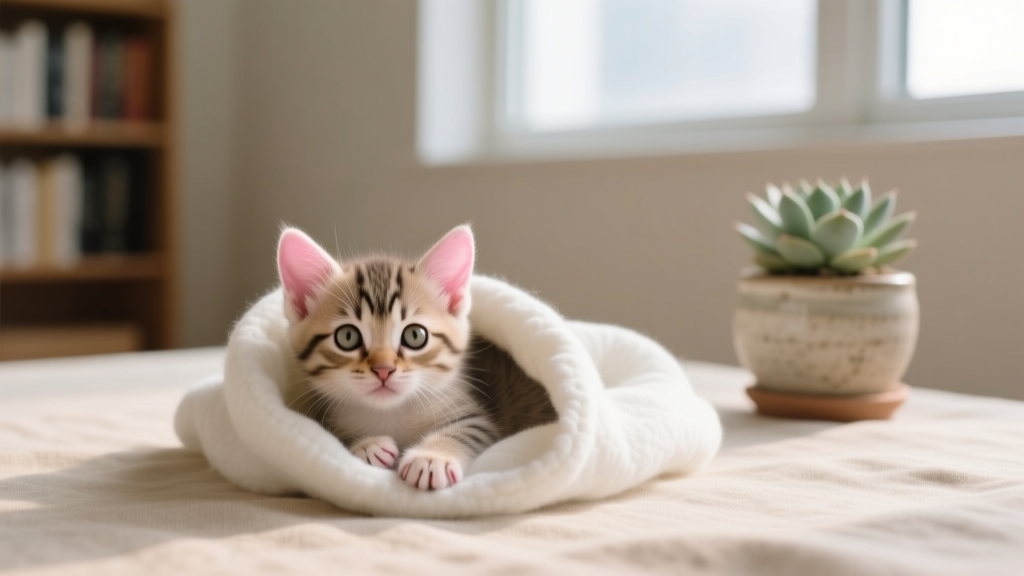
- Wrap a clean sock filled with uncooked rice (microwaved 20 seconds, shaken well) in two layers of soft fleece — place it *beside*, not under, the kitten in a small, enclosed carrier lined with towels.
- Maintain ambient room temperature at 78–82°F (25.5–27.8°C).
- Check gums: pale or blue-tinged = oxygen deficit; tacky = dehydration; bright pink and moist = good perfusion.
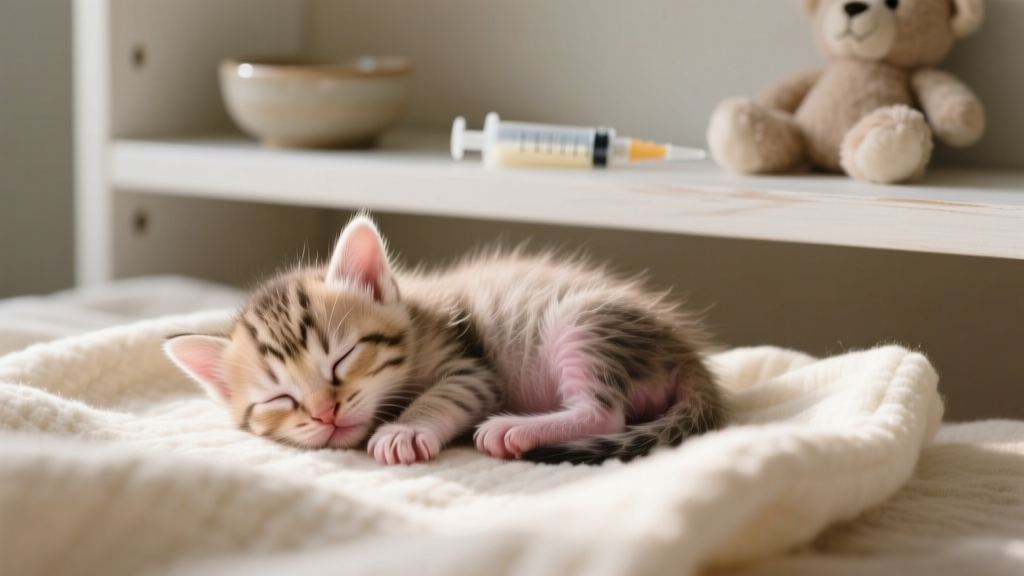
Dehydration is equally dangerous. Gently pinch the skin over the shoulders — if it takes >2 seconds to snap back, the kitten is moderately dehydrated. Offer oral rehydration solution (Pedialyte unflavored, diluted 50/50 with warm water) via a 1mL syringe (no needle) — 1–2 mL every 15 minutes for 1 hour. Do not force-feed if the kitten is lethargy, vomiting, or gasping — seek emergency care immediately.
Dr. Lena Torres, DVM and Director of Foster Medicine at Alley Cat Allies, emphasizes: “At 4 weeks, kittens can’t regulate body temperature or immune function independently. Warming and rehydrating aren’t ‘first steps’ — they’re prerequisites for everything else. Skipping them makes all subsequent care ineffective.”
Step 2: Feeding Right — Formula, Frequency, and Critical Technique
At 4 weeks, kittens are in the weaning transition: still needing milk replacer but beginning to explore solid food. Cow’s milk causes severe diarrhea and malabsorption — never use it. Opt for a high-quality, species-appropriate formula like KMR Powder (mixed fresh daily) or Just Born. Prepare only what will be used within 2 hours, refrigerated at ≤39°F (4°C), and warmed to 98–100°F before feeding.
Feeding schedule:
- Every 4–5 hours (5–6 feedings/day)
- 3–4 mL per ounce of body weight per feeding (e.g., a 6 oz kitten = ~18–24 mL total per feed)
- Always weigh daily on a gram scale — gain should be 7–10g/day. No gain or loss for >24 hours = vet consult.
Crucially, kittens this age still require stimulation to urinate and defecate — even if they’re starting to walk. Use a warm, damp cotton ball or soft tissue to gently stroke the genital and anal area for 30–60 seconds after *every* feeding. Watch for yellow, clear urine and soft, formed stool — dark green, bloody, or absent stool signals constipation or infection.
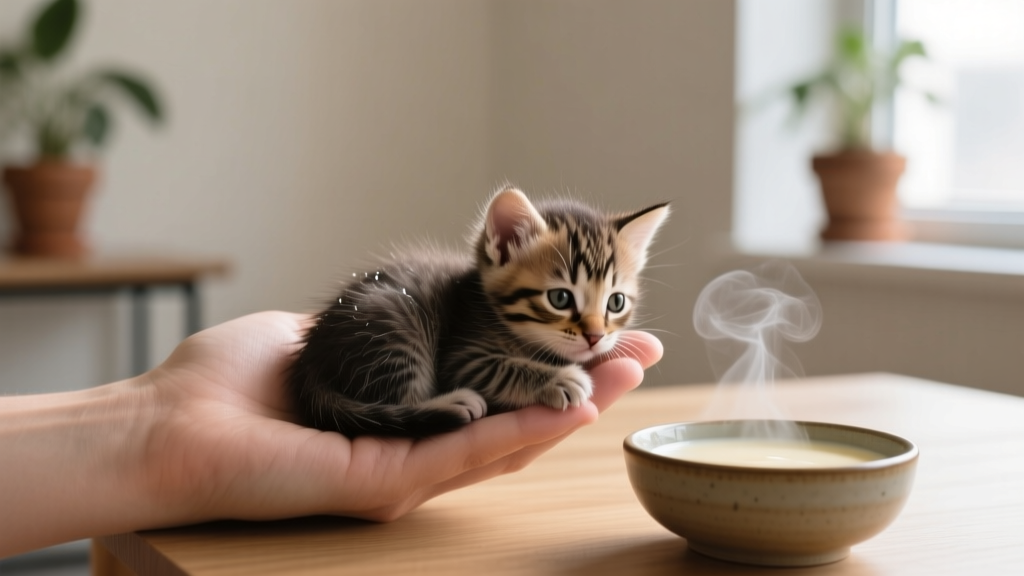
A real-world case: Maya, a foster volunteer in Austin, rescued a 4-week-old tabby stray named Pip who refused formula from a bottle. She switched to a shallow ceramic saucer with KMR mixed 1:1 with wet kitten food — Pip lapped eagerly within 20 minutes. “He wasn’t rejecting food — he was rejecting the nipple’s restriction,” she notes. “At 4 weeks, many kittens instinctively prefer lapping over suckling. Flexibility saves lives.”
Step 3: Socialization & Environment — Building Trust Without Overwhelming
This is the golden window for socialization — but also the highest risk for fear imprinting. Between 2–7 weeks, kittens form lifelong associations with humans, sounds, and textures. A single traumatic event (e.g., forced restraint, loud vacuum noise, or rough handling) can trigger lasting avoidance or aggression.
Use the ‘Three-Touch Rule’ daily:
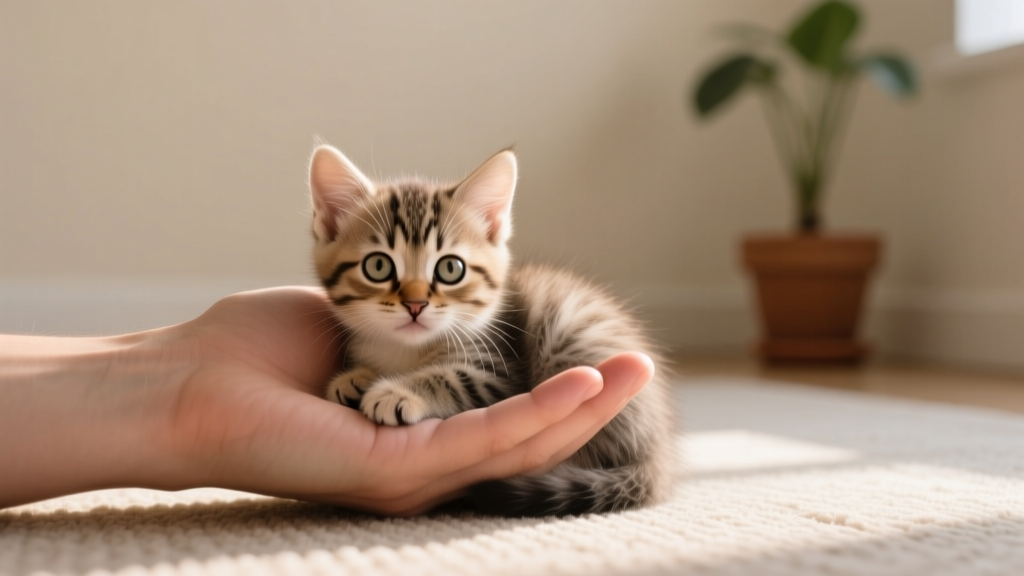
- Touch: Gently stroke head, ears, and paws for 30 seconds — stop if tail flicks or ears flatten.
- Treat: Offer a tiny lick of meat-based baby food (no onion/garlic) or warmed KMR on your fingertip.
- Toy: Introduce one new object (feather wand, crinkle ball) for 2 minutes — observe curiosity vs. freezing.
Keep the environment predictable: same quiet room, same bedding scent (avoid fabric softener), same feeding times. Play sessions should last no longer than 5–7 minutes, twice daily — overstimulation leads to exhaustion and immune suppression. As Dr. Sarah Lin, certified feline behaviorist, explains: “Socialization isn’t about making them ‘cute’ — it’s neurological wiring. Each positive interaction strengthens synaptic pathways that govern stress response for life.”
Also critical: isolate from other pets. Stray kittens often carry upper respiratory infections (URI), feline panleukopenia, or intestinal parasites — even if asymptomatic. Keep them in a separate, easily disinfected space (bleach 1:32 dilution) until cleared by a veterinarian.
Step 4: Health Monitoring & When to Seek Emergency Care
At 4 weeks, kittens lack maternal antibodies and have immature immune systems — making them susceptible to rapid-onset illness. Monitor these 5 vital signs daily:
- Eyes: Should be fully open, clear, and bright — no discharge, squinting, or cloudiness.
- Nose: Moist and cool — dried mucus crusts or sneezing indicate URI.
- Breathing: Quiet and effortless — open-mouth breathing or wheezing = respiratory distress.
- Stool: Soft but formed, brown — watery, mucoid, or bloody = parasitic or bacterial infection.
- Activity: Alert, curious, responsive — lethargy, hiding, or refusal to eat for >8 hours = red flag.
Any of these warrant immediate vet evaluation: rectal temp <97°F or >104°F; seizures or tremors; vomiting >2x in 24 hours; labored breathing; or inability to stand after warming.
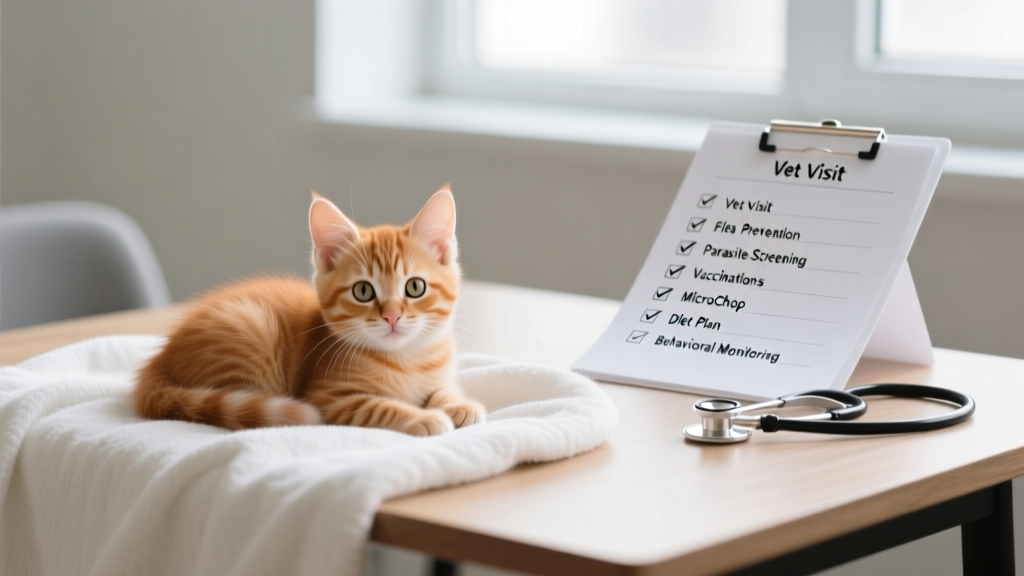
Parasite screening is non-negotiable. Even asymptomatic kittens commonly harbor roundworms or coccidia. Your vet will perform a fecal float test and may prescribe fenbendazole (Panacur) — dosed precisely by weight and repeated in 10 days. Deworming without diagnosis risks toxicity or resistance.
| Age Range | Key Developmental Milestones | Critical Care Actions | Vet Visit Timing |
|---|---|---|---|
| 3.5–4 weeks | Eyes fully open; begins walking (wobbly); starts playing with littermates; teeth emerging | Begin lapping formula; introduce shallow dish feeding; start gentle socialization; daily weighing | Initial intake exam + fecal test |
| 4–5 weeks | Improved coordination; begins grooming self; vocalizes more; shows curiosity about surroundings | Introduce wet kitten food mixed 1:1 with formula; provide low-entry litter box with non-clumping litter; continue parasite control | Repeat fecal test; discuss first vaccinations (FVRCP) |
| 5–6 weeks | Plays actively; uses litter box consistently; eats mostly solids; sleeps less | Transition fully to wet food; spay/neuter consultation (early-age sterilization recommended for shelter kittens); begin carrier conditioning | Vaccination boosters; wellness check + weight assessment |
| 6–8 weeks | Socially confident; explores independently; plays with toys; sleeps 16+ hrs/day | Microchip implantation; finalize adoption prep; behavioral enrichment (puzzle feeders, climbing structures) | Final pre-adoption exam; proof of vaccinations & deworming |
Frequently Asked Questions
Can I feed cow’s milk or goat’s milk to a 4-week-old stray kitten?
No — absolutely not. Cow’s milk contains lactose and proteins (casein, whey) that kittens cannot digest, leading to severe diarrhea, dehydration, and electrolyte imbalances. Goat’s milk is similarly unsuitable — it lacks essential amino acids and taurine required for retinal and cardiac development. Only use commercial kitten milk replacers (KMR, Breeder’s Edge, or Just Born), which are formulated to match feline nutritional biochemistry. Homemade formulas (e.g., evaporated milk + egg yolk + corn syrup) are outdated, unbalanced, and associated with failure-to-thrive cases in clinical literature.
How do I know if my 4-week-old stray kitten has worms?
Visible signs include pot-bellied appearance, dull coat, vomiting, diarrhea (sometimes with visible spaghetti-like strands), or scooting. However, most worm infestations are *asymptomatic* at this age — meaning the kitten looks healthy but is internally compromised. That’s why veterinarians universally recommend fecal testing for *all* stray kittens, regardless of presentation. Roundworms (Toxocara cati) infect up to 75% of feral kittens; hookworms and coccidia are also highly prevalent. Early detection prevents stunted growth, anemia, and secondary infections.
Should I take the kitten to the vet immediately — or can I wait until it’s ‘stronger’?
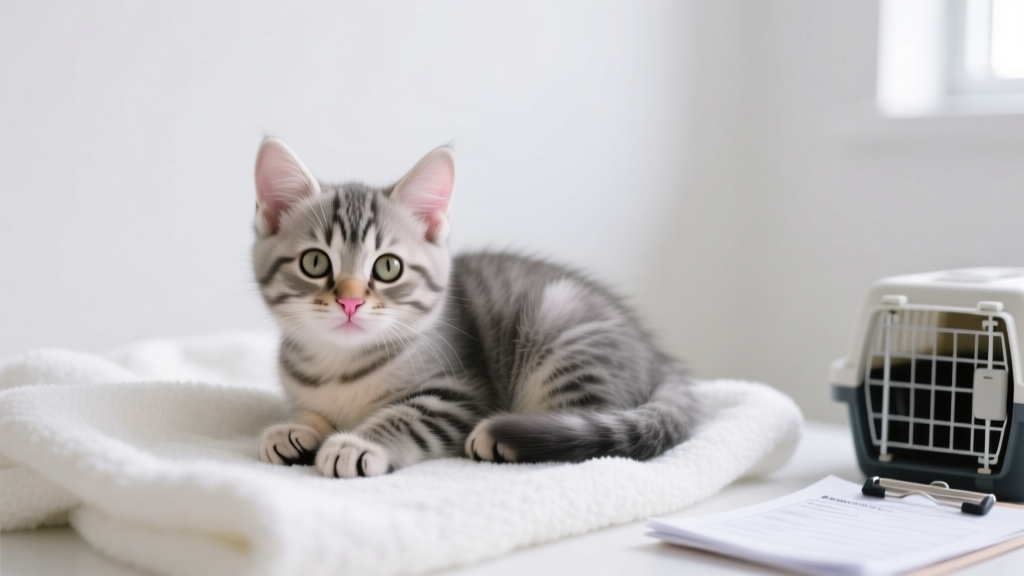
Go to the vet *within 24 hours* of rescue — no exceptions. Waiting ‘until it’s stronger’ is dangerously misleading. What appears as ‘weakness’ may be sepsis, congenital heart defects, or undiagnosed viral infection (e.g., feline leukemia antigen-negative but PCR-positive). Delaying care increases mortality risk exponentially: a 2023 study in the Journal of Veterinary Emergency and Critical Care found that kittens evaluated within 24 hours of rescue had a 92% survival rate vs. 54% for those seen after 72 hours. The initial exam includes temperature, hydration, weight, auscultation, ophthalmic exam, and fecal testing — all essential baseline metrics.
Can I bathe a 4-week-old stray kitten to remove fleas or dirt?
No — bathing is extremely hazardous at this age. Immature thermoregulation means even lukewarm water can cause rapid hypothermia. Stress from bathing suppresses cortisol and IgA immunity, increasing susceptibility to URI. For fleas, use only veterinarian-approved topical treatments (e.g., Advantage II Kitten) — never dog flea products (fipronil concentrations differ fatally). For dirt, gently wipe with warm, damp cotton cloth — avoid ears, eyes, and nose. Flea anemia is a top killer in neonatal kittens; if you see pale gums or lethargy, treat *and* seek emergency care.
When can I start introducing solid food — and what kind is safest?
Begin offering wet kitten food (not adult or ‘all life stages’) mixed 1:1 with warm KMR at exactly 4 weeks. Use a shallow ceramic dish — no deep bowls. Start with 1 tsp per meal, gradually increasing as appetite grows. Avoid dry kibble until week 6–7: their teeth aren’t strong enough, and kibble poses choking and hydration risks. Choose grain-free, high-protein formulas (≥35% protein on dry matter basis) with added taurine and DHA. Brands like Wellness Kittles, Blue Buffalo Wilderness, or Royal Canin Babycat are AAFCO-certified for growth. Always transition over 5–7 days to prevent GI upset.
Common Myths
Myth #1: “If the kitten is eating and moving, it’s fine — no vet visit needed.”
Reality: Up to 40% of clinically normal-looking stray kittens harbor subclinical infections or congenital issues detectable only via diagnostics. A ‘healthy’ appearance masks early-stage panleukopenia, heart murmurs, or portosystemic shunts — all requiring prompt intervention.
Myth #2: “I can raise this kitten alone — no need for a foster network or vet.”
Reality: Orphaned kittens have 3x higher mortality without professional mentorship. Organizations like Kitten Lady (Hannah Shaw) and the ASPCA’s Kitten Care Guide report that 94% of successful outcomes involve coordinated care — including vet oversight, foster peer support, and access to emergency resources.
Related Topics (Internal Link Suggestions)
- Kitten deworming schedule for strays — suggested anchor text: "kitten deworming schedule for strays"
- Best kitten milk replacer brands vet-approved — suggested anchor text: "best kitten milk replacer brands vet-approved"
- How to tell if a kitten is dehydrated — suggested anchor text: "how to tell if a kitten is dehydrated"
- Signs of feline upper respiratory infection in kittens — suggested anchor text: "signs of feline upper respiratory infection in kittens"
- When to take a stray kitten to the vet — suggested anchor text: "when to take a stray kitten to the vet"
Your Next Step Starts Now — Not Tomorrow
You now hold evidence-based, vet-vetted knowledge that transforms panic into purpose. Caring for a 4-week-old stray kitten isn’t about perfection — it’s about showing up with informed compassion, minute by minute. If you haven’t already: call a local rescue or vet clinic today to schedule an intake exam, ask about low-cost deworming and vaccination programs, and request a foster mentor. Many shelters offer free starter kits (formula, syringes, scales, heating pads) for verified rescuers. And remember — every kitten you save ripples outward: fewer kittens born into danger, stronger community safety nets, and deeper empathy for the fragile, resilient lives sharing our world. Your action doesn’t just change one life. It rewrites the odds.