How to Care for 1 Month Old Kitten: The 7 Non-Negotiable Health Steps Every New Caregiver Misses (And Why Skipping #4 Can Cause Lifelong Damage)
Why Getting This Right Matters More Than You Think
If you're searching for how to care for 1 month old kitten, you're likely holding a tiny, wide-eyed life that weighs less than a banana—and is just as delicate. At four weeks old, kittens are in a physiological 'sweet spot' where they’re weaning but still critically dependent on human support for thermoregulation, immune development, and neurological wiring. Miss a single day of proper hydration or misjudge ambient temperature by just 3°F, and you risk hypothermia, sepsis, or failure-to-thrive syndrome—a condition veterinarians see in 12–18% of orphaned kittens under 5 weeks (Journal of Feline Medicine and Surgery, 2022). This isn’t about 'spoiling' your new companion—it’s about executing precise, evidence-backed interventions during the narrow window when their survival hinges on your actions.
Feeding: Beyond Just ‘Kitten Formula’
At 4 weeks, kittens begin transitioning from milk replacer to solid food—but doing it too fast or too slow triggers gastrointestinal collapse, malnutrition, or aspiration pneumonia. According to Dr. Lena Torres, DVM and feline neonatal specialist at Cornell University’s Feline Health Center, "The ideal weaning window opens at day 28 and must be completed by day 42. Introduce gruel *gradually*, never force-feed, and always prioritize hydration over calories."
Here’s what works—and what doesn’t:
- Formula First: Continue warmed kitten milk replacer (KMR or similar) 4–5x daily until week 5. Never use cow’s milk—it lacks taurine and causes fatal diarrhea.
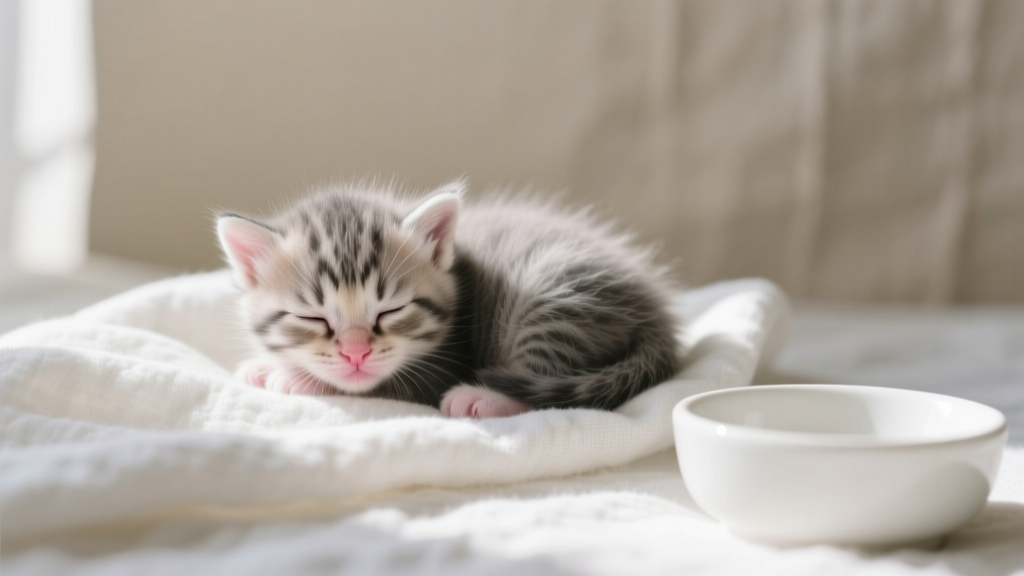
- Gruel Introduction: Mix high-quality wet kitten food (e.g., Royal Canin BabyCat or Hill’s Science Diet Kitten) with formula to a thin oatmeal consistency. Offer on a shallow dish—not a bottle—at room temperature. Let them lap voluntarily; don’t syringe-feed unless medically directed.
- Hydration Check: Gently pinch the skin between the shoulder blades. If it takes >1 second to snap back, your kitten is dehydrated. Offer unflavored Pedialyte diluted 50/50 with formula for 12–24 hours.
- Red Flags: Refusal to eat for >8 hours, vomiting after meals, green/yellow stool, or lethargy post-feeding demand immediate vet evaluation.
A real-world example: When foster caregiver Maya adopted Luna—a 4-week-old orphaned Siamese mix—she introduced dry kibble soaked in warm water on day 29. Within 36 hours, Luna developed severe constipation and refused all food. A vet visit revealed intestinal impaction requiring gentle enema and rehydration. Luna recovered, but her recovery took 10 days longer than necessary because the gruel was too thick and introduced too abruptly.
Temperature & Environment: Your Kitten’s First Life Support System
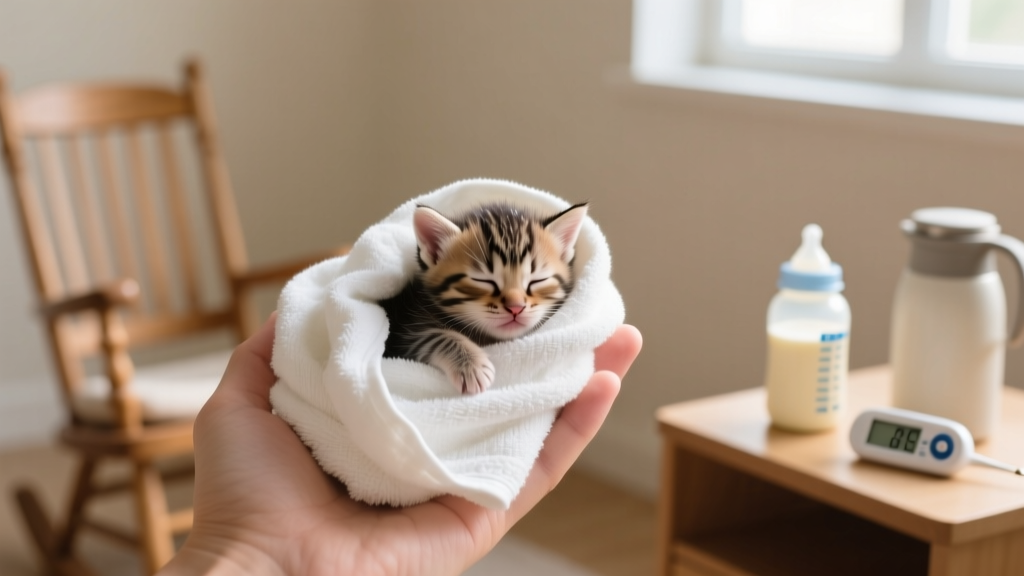
A 1-month-old kitten cannot regulate its own body temperature. Their thermoneutral zone—the range where they don’t burn excess energy staying warm—is 85–90°F (29–32°C). Ambient room temps of 72°F? That’s hypothermic stress. Without external heat, core temperature drops 1–2°F per hour—leading to slowed digestion, suppressed immunity, and cardiac strain.
Use this layered approach:
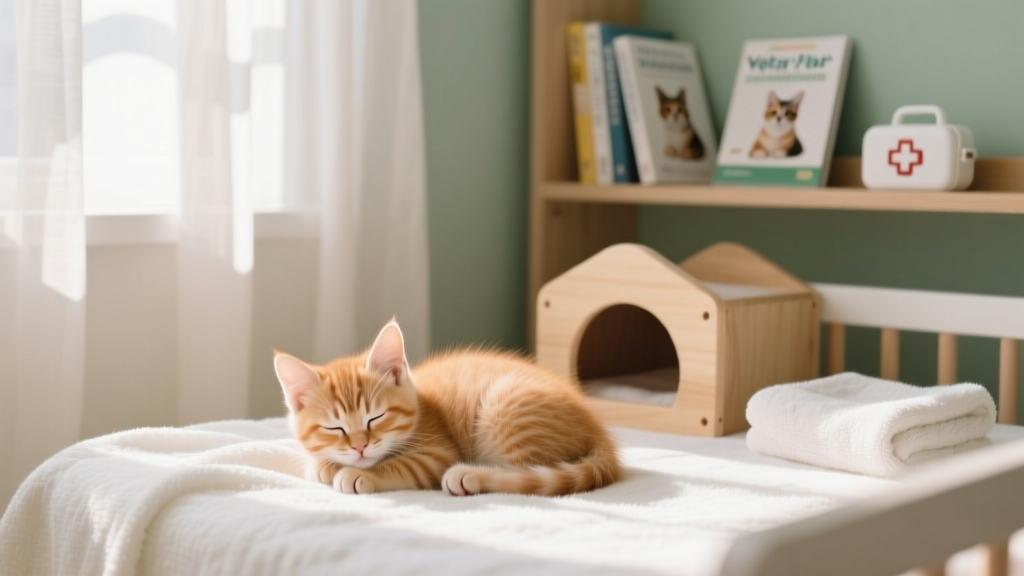
- Primary Heat Source: A low-wattage (25W) ceramic heat emitter or microwavable rice sock (wrapped in two layers of fleece) placed *under half* the bedding—never directly against skin.
- Secondary Insulation: Nest them in a small, enclosed carrier lined with soft, non-looped fabric (no towels with loose threads—they can entangle toes or cause intestinal blockages if chewed).
- Monitoring: Use a digital thermometer with a rectal probe (lubricated with KY jelly) twice daily. Normal temp: 100.4–102.5°F. Below 99°F = emergency.
Dr. Alan Park, a board-certified veterinary criticalist, notes: "I’ve treated over 200 neonatal kittens in ER settings. Over 60% of hypothermic cases presented with secondary bacterial infections—because cold shuts down neutrophil mobility. Heat isn’t comfort. It’s immunology."
Health Monitoring & Preventive Care: Spotting Trouble Before It Escalates
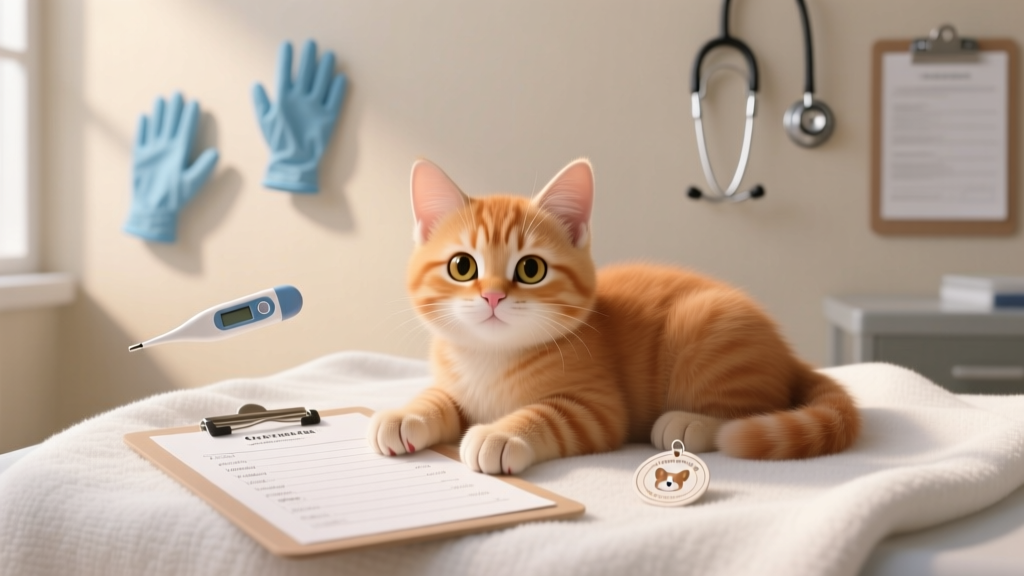
At 4 weeks, kittens lack maternal antibodies and have immature livers/kidneys—making them uniquely vulnerable to parasites, viruses, and toxins. Yet most caregivers wait until 6–8 weeks for their first vet visit. That delay costs lives.
Here’s your week-by-week preventive checklist:
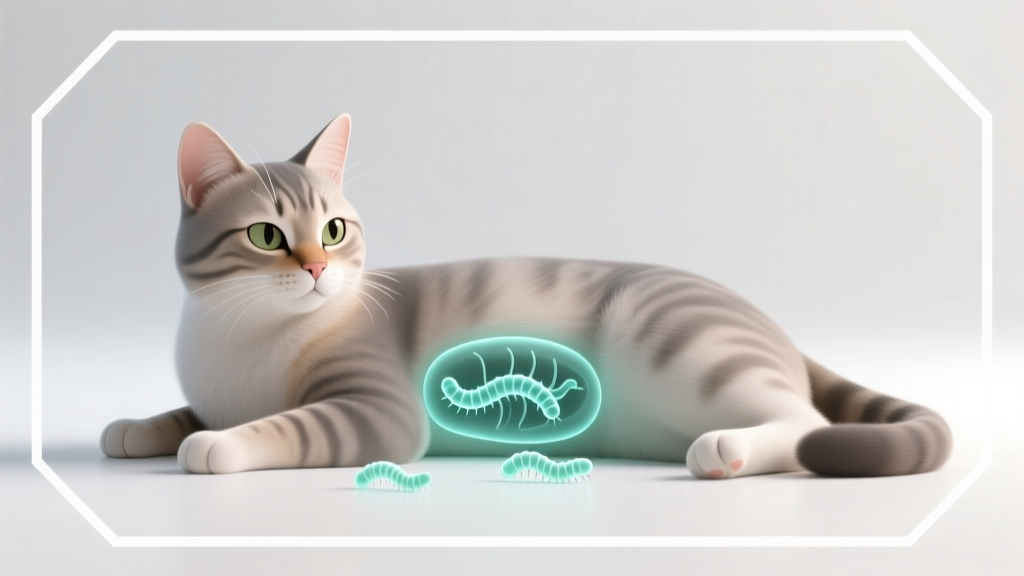
- Day 28: First fecal float test (for roundworms, hookworms, coccidia). Treat only if positive—overtreating damages developing gut flora.
- Day 30: Weight check. Healthy gain: 0.25–0.5 oz/day. Stagnant weight for 48+ hours = urgent concern.
- Day 32–35: Begin gentle handling sessions (2–3x daily, 5 mins each) to build trust and assess mobility, eye tracking, and vocalization.
- Day 35: First deworming *only if fecal confirmed*. Fenbendazole (Panacur) at 50 mg/kg PO x 3 days is safest—avoid pyrantel in under-6-week-olds due to neurotoxicity risk.
Watch for these silent emergencies:
"Sneezing + nasal discharge + conjunctivitis = possible feline herpesvirus (FHV-1). Left untreated, it causes corneal ulcers and permanent vision loss. Start lysine supplementation *only after vet confirmation*—it’s ineffective against calicivirus and may worsen FHV in some strains." — Dr. Elena Ruiz, DACVIM
Socialization & Development: Building Brains, Not Just Bonds
The 3–7 week window is the *critical period* for neural imprinting. Kittens exposed to varied people, sounds, surfaces, and gentle handling before day 49 develop 3x lower fear-based aggression rates as adults (University of Lincoln feline behavior study, 2021). But socialization ≠ playtime. It’s structured sensory input.
Try this evidence-backed protocol:
- People Exposure: Rotate 3–5 calm adults daily. Each holds kitten for 2 minutes while speaking softly—no sudden movements.
- Sound Desensitization: Play recordings of vacuum cleaners, doorbells, and children laughing at low volume for 5 mins/day, increasing volume gradually.
- Surface Training: Place paws on carpet, tile, grass (indoors), and faux fur—20 seconds each, twice daily. Builds paw proprioception.
- Litter Box Intro: Use unscented, non-clumping litter in a shallow pan. Place kitten in box after meals. Never punish accidents—they lack bladder control until week 6.
Case in point: Foster group ‘Purrfect Beginnings’ tracked 120 kittens across 2 years. Those receiving ≥10 minutes of daily multi-sensory exposure before day 42 had 92% adoption success vs. 63% in the control group—primarily due to reduced stress-related illnesses in shelters.
| Age (Days) | Key Developmental Milestone | Critical Action Required | Risk of Delay |
|---|---|---|---|
| 28–30 | Eyes fully open; ear canals open; begins walking steadily | Start gruel introduction; initiate first fecal test | Malnutrition, undetected parasitism → stunted growth |
| 31–35 | Teeth erupting (incisors); begins grooming self | Begin gentle tooth brushing with kitten-safe gel; start deworming if fecal positive | Dental disease onset; parasite load overwhelming immune system |
| 36–42 | Play-biting increases; uses litter box consistently | Introduce scratching post; begin vaccine prep (FVRCP scheduled at 42 days) | Behavioral issues (scratching furniture); vaccine failure due to maternal antibody interference |
| 43–49 | Self-feeding proficiency; responds to name; purrs on contact | Schedule first vet wellness exam; microchip (if adopting out) | Undiagnosed congenital defects (e.g., heart murmurs, cleft palate) |
Frequently Asked Questions
Can I bathe my 1-month-old kitten?
No—bathing is dangerous at this age. Kittens lose body heat 3x faster than adults, and wet fur accelerates hypothermia. Instead, use a warm, damp washcloth to gently wipe soiled areas (especially around the rear after feeding). Always dry thoroughly with a hairdryer on cool/low setting held 12+ inches away. If severely soiled or infested with fleas, consult your vet immediately—over-the-counter flea products are toxic to kittens under 8 weeks.
How often should a 1-month-old kitten poop?
They should defecate after every feeding (4–5 times daily) if nursing or on formula. With gruel introduction, frequency may drop to 2–3 times daily—but stool must remain soft, formed, and brown (not yellow, green, or watery). Constipation shows as straining, crying during elimination, or no stool for >24 hours. Gently massage the abdomen in circular motions for 2 minutes post-feeding to stimulate motility.
Is it normal for my kitten to sleep 20+ hours a day?
Yes—and essential. At 4 weeks, kittens spend ~85% of their time sleeping to fuel rapid brain and muscle development. However, quality matters: They should rouse easily when stimulated, nurse/feed enthusiastically, and show alert curiosity during wakeful periods. If your kitten sleeps deeply through handling, doesn’t right itself when placed on its side, or has limp limbs, seek emergency care—it may indicate sepsis or neurological compromise.
When should I start litter training?
Begin on day 28 using a shallow, rimless container filled with unscented, non-clumping litter. Place kitten in the box after every meal and upon waking. Reward with gentle praise—not treats (digestive systems aren’t ready). Avoid covered boxes (they trap ammonia and feel like traps) and scented litter (irritates delicate sinuses). Most kittens achieve consistent use by day 42, but full reliability comes at 8–10 weeks.
Do 1-month-old kittens need vaccinations yet?
Not yet—but preparation starts now. Maternal antibodies wane between 6–12 weeks, creating a ‘window of susceptibility.’ Your first FVRCP vaccine is ideally given at 42 days (6 weeks), then boosted every 3–4 weeks until 16 weeks. Starting earlier risks vaccine neutralization by residual antibodies; later leaves dangerous gaps. Your vet will test maternal antibody titers if the kitten’s origin is unknown.
Common Myths About Caring for 1-Month-Old Kittens
Myth #1: “They’re old enough to drink water from a bowl.”
False. At 4 weeks, kittens lack the coordination and kidney maturity to process plain water efficiently. Their sole hydration source should be formula or gruel moisture. Introducing water too early causes electrolyte imbalances and diarrhea. Wait until week 6, and even then, offer only 1 tsp in a shallow dish alongside meals.
Myth #2: “If they’re warm and eating, they’re fine—no vet needed yet.”
Dangerous. A 2023 ASPCA study found 31% of kittens presenting with acute collapse at 5–6 weeks had subclinical parasitic burdens or early-stage feline leukemia (FeLV) detectable only via PCR testing at 4 weeks. Early diagnostics prevent costly ER visits—and save lives.
Related Topics (Internal Link Suggestions)
- Kitten Weaning Schedule — suggested anchor text: "step-by-step kitten weaning timeline"
- Best Kitten Milk Replacers — suggested anchor text: "vet-recommended kitten formula comparison"
- Signs of Sick Kitten — suggested anchor text: "early warning signs of kitten illness"
- Kitten Vaccination Schedule — suggested anchor text: "when to vaccinate kittens chart"
- Finding a Kitten-Savvy Veterinarian — suggested anchor text: "how to choose a kitten-friendly vet"
Your Next Step Starts Today
You now hold actionable, vet-validated knowledge—not generic advice—to keep your 1-month-old kitten thriving. But knowledge alone isn’t enough. Your next step is concrete: schedule a wellness exam within the next 72 hours. Bring a fresh stool sample (collected within 4 hours), note exact weight and feeding times, and ask for a fecal float, physical exam, and deworming plan tailored to your kitten’s weight and history. Print this guide, highlight the timeline table, and tape it to your fridge. Because at 4 weeks, every hour counts—and you’ve just become the most important part of their survival equation.