Feline Uveitis: Eye Inflammation and Underlying Causes
1. Why This Topic Matters to Cat Owners
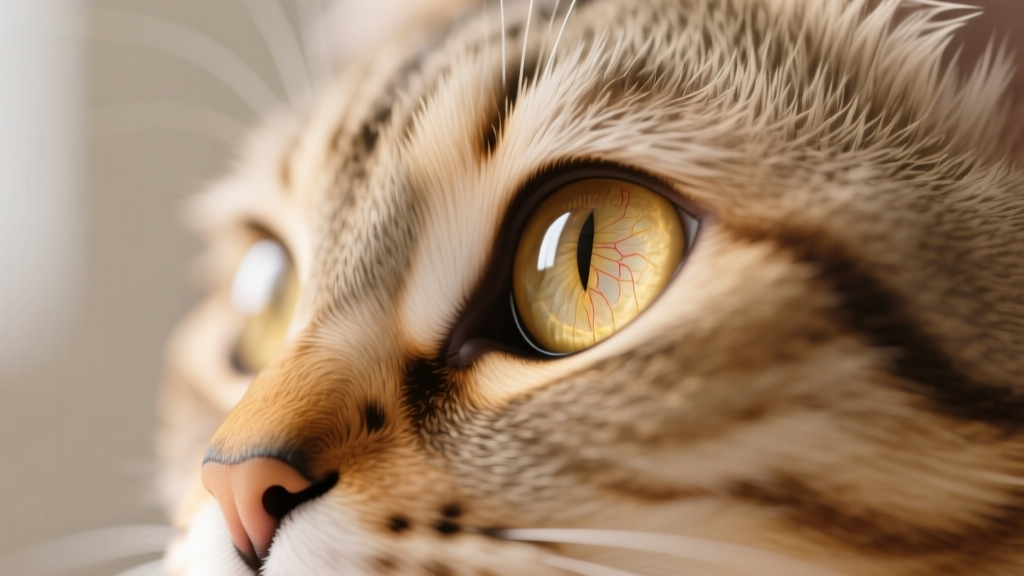
Your cat’s eyes do more than help them navigate the house—they’re also a window into overall health. When the inside of the eye becomes inflamed, it can be painful and can threaten vision if not treated promptly. Uveitis (pronounced “you-vee-EYE-tis”) is one of those conditions that may look like simple squinting or redness at first, yet it can be tied to infections, immune system problems, trauma, or other underlying diseases.
The reassuring news: many cats do very well when uveitis is recognized early and treated appropriately. Knowing what to watch for and what your veterinarian may recommend can help you protect your cat’s comfort and eyesight.
2. Overview: What Is Feline Uveitis?
The uvea is the middle layer of the eye. It includes:
- Iris (the colored part of the eye)
- Ciliary body (helps focus the lens and produces fluid within the eye)
- Choroid (a layer rich in blood vessels that nourishes the eye)
Uveitis means inflammation of some or all of this uveal tract. In cats, the most common type is anterior uveitis (inflammation toward the front of the eye), but inflammation can also involve the back of the eye (posterior uveitis) or the whole uvea (panuveitis).
Why inflammation is a big deal: the eye is a delicate, highly regulated organ. Inflammation can disrupt normal eye pressure, cloud internal structures, cause pain, and lead to complications like:
- Glaucoma (dangerously high eye pressure)
- Cataracts (clouding of the lens)
- Synechiae (iris sticking to the lens or cornea)
- Retinal damage (especially with posterior uveitis)
3. Symptoms and Warning Signs to Watch For
Some cats show obvious eye discomfort, while others are subtle—especially if only one eye is affected. Contact your veterinarian if you notice any of the following.
Common signs of uveitis
- Squinting or keeping an eye partially closed
- Redness around the eye or of the white of the eye
- Watery tearing or discharge
- Light sensitivity (hiding, turning away from bright windows)
- Pawing at the eye or rubbing face on furniture
- Cloudy appearance inside the eye (not just on the surface)
- Color change of the iris (may look darker, muddy, or uneven)
- Unequal pupil size or a pupil that looks abnormally small
- Third eyelid showing more than usual
Signs that may suggest complications or a more serious underlying issue
- Sudden vision changes (bumping into objects, hesitating to jump)
- Bulging eye or severe swelling around the eye
- Marked lethargy, fever, reduced appetite, weight loss
- Behavior changes such as hiding more or irritability when touched
Practical at-home check you can do today
- Look at both eyes in the same lighting. Do the pupils match in size?
- Compare the color and clarity of each eye. Does one look “hazy” or “different”?
- Watch your cat blink. Is one eye blinking more, or staying closed longer?
- Note timing: sudden onset (hours to a day) is more urgent than a mild issue you’ve seen for weeks—though both should be evaluated.
4. Causes and Risk Factors
Uveitis is often a sign that something else is going on. Sometimes the cause is localized to the eye, and other times it reflects a body-wide condition.
Common underlying causes
- Infectious diseases (viral, bacterial, parasitic, fungal). In cats, veterinarians often consider:
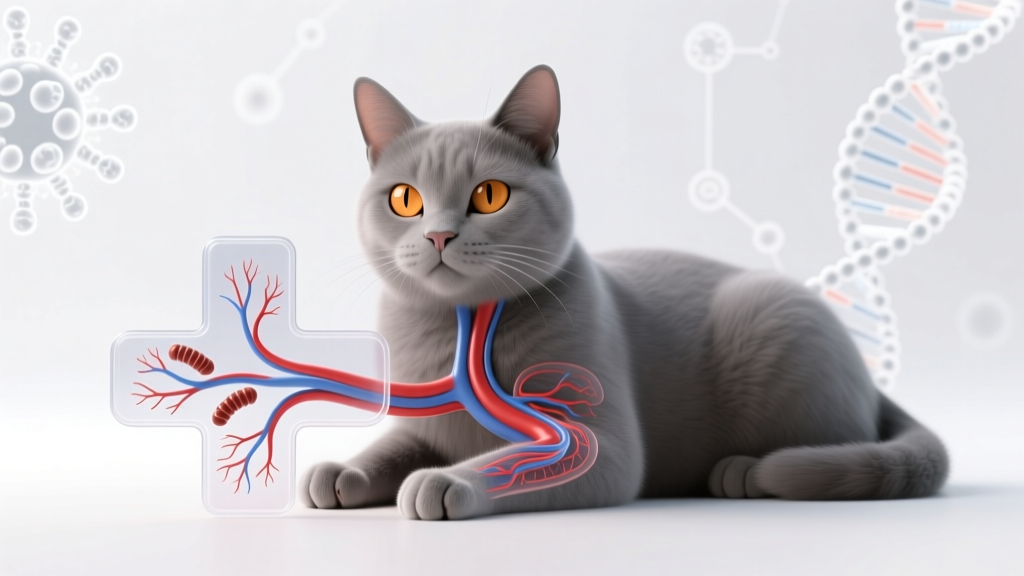
- Feline leukemia virus (FeLV)
- Feline immunodeficiency virus (FIV)
- Feline infectious peritonitis (FIP) (less common, but important to evaluate)
- Toxoplasmosis (a parasite)
- Bartonella (associated with “cat scratch” bacteria)
- Systemic fungal infections (depends on region)
- Trauma to the eye (scratches, bites, blunt injuries, foreign material)
- Corneal ulcers or deep eye surface infections that trigger internal inflammation
- Immune-mediated inflammation (the body’s immune system reacting inappropriately)
- Cancer (tumors in the eye or elsewhere that affect the eye)
- Lens-related issues (lens rupture or severe cataract-associated inflammation, less common in cats than dogs)
- High blood pressure (more linked to retinal issues, but can be associated with eye changes and inflammation)
Risk factors that increase concern
- Outdoor access (higher risk of trauma and infectious exposure)
- Multi-cat households or unknown FeLV/FIV status
- History of upper respiratory infections (some viruses can impact the eyes)
- Older age (higher risk of systemic disease such as hypertension or cancer)
- Recent cat fights or facial scratches
5. Diagnosis: What to Expect at the Vet
Because uveitis can have many causes, diagnosis usually includes both an eye exam and, when appropriate, a broader health workup. Your veterinarian’s goals are to (1) confirm uveitis, (2) identify the cause if possible, and (3) check for complications like glaucoma.
Common eye tests
- Complete eye exam with a bright light and magnification
- Fluorescein stain to check for corneal ulcers (a critical step before using certain eye medications)
- Tonometer reading to measure intraocular pressure (IOP). Uveitis often causes low pressure initially, but glaucoma can develop.
- Schirmer tear test (less common in cats than dogs, but may be used)
- Ophthalmoscopy to evaluate the retina and back of the eye
Whole-body testing your vet may recommend
- FeLV/FIV testing (especially if status is unknown)
- Bloodwork (CBC and chemistry panel) to look for infection, inflammation, organ issues
- Blood pressure measurement
- Infectious disease titers (such as toxoplasmosis) when indicated
- Imaging (chest X-rays, abdominal ultrasound) if cancer or systemic disease is suspected
- Ocular ultrasound if the inside of the eye can’t be seen clearly due to cloudiness or bleeding
How you can help your vet at the visit
- Bring notes: when signs started, whether one or both eyes are affected, and any appetite/behavior changes.
- List all medications/supplements your cat receives.
- Tell your vet about outdoor access, recent fights, new cats in the home, or recent illness.
6. Treatment Options (Medical, Surgical, Home Care)
Treatment depends on severity and the underlying cause. Most cases require prescription medication—eye problems are not a safe place for trial-and-error home remedies.
Medical treatment
- Anti-inflammatory eye drops:
- Often a topical corticosteroid is used to calm inflammation, but only when the cornea is intact (no ulcer) and when your vet determines it’s safe.
- Some cats need non-steroidal anti-inflammatory drops instead, depending on the situation.
- Pain control:
- Uveitis can be very uncomfortable. Your veterinarian may prescribe oral pain relief or anti-inflammatory medications appropriate for cats.
- Atropine (pupil-dilating drop):
- Often used to reduce painful muscle spasm inside the eye and prevent adhesions.
- It can cause sensitivity to bright light temporarily and may drool in some cats if it drains into the mouth—your vet will guide you on proper use.
- Antibiotics/antivirals/antifungals/antiparasitics:
- Used when infection is suspected or confirmed.
- May be topical, oral, or both depending on the organism and severity.
- Glaucoma management (if eye pressure rises):
- Specific pressure-lowering drops may be prescribed.
- This is time-sensitive because high pressure can damage the optic nerve.
Surgical and advanced options
- Treatment of underlying eye damage (for example, repair of severe trauma) may require referral.
- Enucleation (removal of the eye) may be recommended if:
- The eye is blind and painful despite treatment, or
- Cancer is suspected/confirmed in the eye, or
- Severe infection threatens overall health.
While the idea is emotional for many owners, cats typically adapt very well to one-eye vision and often become more comfortable quickly once a painful eye is removed.
Home care that truly helps
- Give medications exactly as prescribed and finish any course of antimicrobials unless your vet instructs otherwise.
- Use an e-collar if your cat is rubbing the eye. Preventing self-trauma can make a big difference.
- Create a calm recovery space with dimmer lighting if your cat is light-sensitive.
- Gently wipe discharge with a soft, damp cloth (warm water or veterinarian-approved saline). Avoid contact lens solutions or human eye drops.
- Separate pets if needed to prevent play-fighting or grooming that irritates the eye.
What not to do
- Do not use leftover eye medications from a previous pet or prior illness.
- Do not use human redness-relief drops.
- Do not delay care if the eye suddenly looks cloudy, painful, or the pupil size changes.
7. Prevention Strategies and Early Detection Tips
You can’t prevent every cause of uveitis, but you can reduce risk and catch problems earlier.
- Schedule routine wellness exams (at least yearly; twice yearly for seniors). Early detection of systemic illness can reduce eye complications.
- Keep FeLV/FIV status current for any cat with unknown history or exposure risk.
- Consider keeping cats indoors or using a secured catio/leash time to reduce trauma and infectious exposure.
- Control parasites with vet-recommended preventives.
- Monitor senior cats for hypertension and kidney or thyroid disease, as these conditions can be linked with eye issues.
- Do quick eye checks weekly:
- Symmetry of eyes and pupils
- Redness or squinting
- Changes in iris color or new cloudiness
8. Prognosis and Quality of Life Considerations
The outlook depends on the cause, how quickly treatment begins, and whether complications develop.
- Good prognosis: mild to moderate anterior uveitis identified early, trauma that heals well, treatable infections caught promptly.
- Guarded prognosis: recurring uveitis, delayed treatment, involvement of the back of the eye, or underlying systemic disease that’s difficult to control.
- Vision outcomes vary: some cats regain normal vision; others may have partial vision loss, especially if glaucoma or retinal damage occurs.
Quality of life is the priority. Cats can live happy, comfortable lives even with reduced vision or after eye removal, as long as pain is controlled and the underlying condition is managed. If you’re seeing repeated flare-ups, ask your veterinarian about referral to a veterinary ophthalmologist—specialized equipment and expertise can be very helpful for chronic cases.
9. When to Seek Emergency Veterinary Care
Eye issues can change quickly. Seek urgent veterinary care (same day or emergency clinic) if you notice:
- Sudden, intense squinting or obvious pain
- Rapid cloudiness, a blue/white haze, or blood inside the eye
- Unequal pupil size or a pupil that won’t respond normally to light
- Bulging eye, severe swelling, or suspected trauma (bite wound, scratch)
- Sudden vision loss or disorientation
- Severe lethargy, fever, or not eating alongside eye symptoms
If your regular vet is closed, an emergency clinic is appropriate. Prompt treatment can relieve pain and protect vision.
10. FAQ: Common Questions from Cat Owners
Can uveitis go away on its own?
Occasionally mild inflammation seems to improve briefly, but uveitis often returns or worsens if the underlying cause isn’t addressed. Because it can be painful and can lead to complications like glaucoma, professional evaluation is recommended any time uveitis is suspected.
Is feline uveitis contagious to other pets or people?
Uveitis itself is not contagious. Some underlying causes (certain infections) can be contagious between cats, and a few organisms can pose risks for people with specific exposures. Your veterinarian can advise you based on test results and your household situation.
Why does my cat’s pupil look smaller in the affected eye?
With uveitis, the inflamed iris can spasm and constrict the pupil, making it look smaller. This can be painful. Medications such as atropine may be prescribed to help relax the iris and reduce discomfort, when appropriate.
Will my cat need long-term medication?
Some cats only need short-term treatment. Others—especially those with immune-mediated disease or chronic infections—may need extended therapy and periodic rechecks. Follow-up visits are important so your vet can adjust medications safely and monitor eye pressure.
Can I use over-the-counter eye drops to help?
It’s best not to. Many OTC products are not appropriate for cats, and some can worsen certain eye conditions or delay proper diagnosis. Eye medications should be chosen after a veterinarian checks for ulcers and measures eye pressure.
How soon should my cat be rechecked after starting treatment?
This depends on severity, but rechecks are often recommended within days to a couple of weeks. If signs worsen at any point—more squinting, cloudiness, swelling, or behavior changes—contact your veterinarian right away rather than waiting for the next scheduled visit.
If your cat is squinting, has a cloudy eye, or you notice any sudden change in pupil size, schedule a veterinary visit as soon as possible. Early care is the best way to protect comfort and vision.
For more practical, vet-reviewed cat health guidance, visit catloversbase.com and explore our growing library of resources for caring cat owners.