Feline Olfactory Neuroepithelial Tumor: Nose Lining Cancer
1. Why This Topic Matters to Cat Owners
Your cat’s sense of smell is a huge part of how they experience the world. It influences appetite, comfort, social behavior, and even how safe they feel in their environment. When a problem develops deep inside the nasal cavity—especially a tumor—early signs can look like “just a sniffle” or mild congestion. Unfortunately, cancers in the nasal passages can progress quietly and become harder to treat the longer they go unrecognized.
Feline olfactory neuroepithelial tumors are uncommon, but when they occur, they can seriously affect breathing, eating, and overall quality of life. The good news is that veterinary medicine has helpful diagnostic tools and treatment options that can reduce discomfort and, in some cases, slow the disease. Knowing what to watch for helps you advocate for your cat sooner.
2. Overview: What Is an Olfactory Neuroepithelial Tumor?
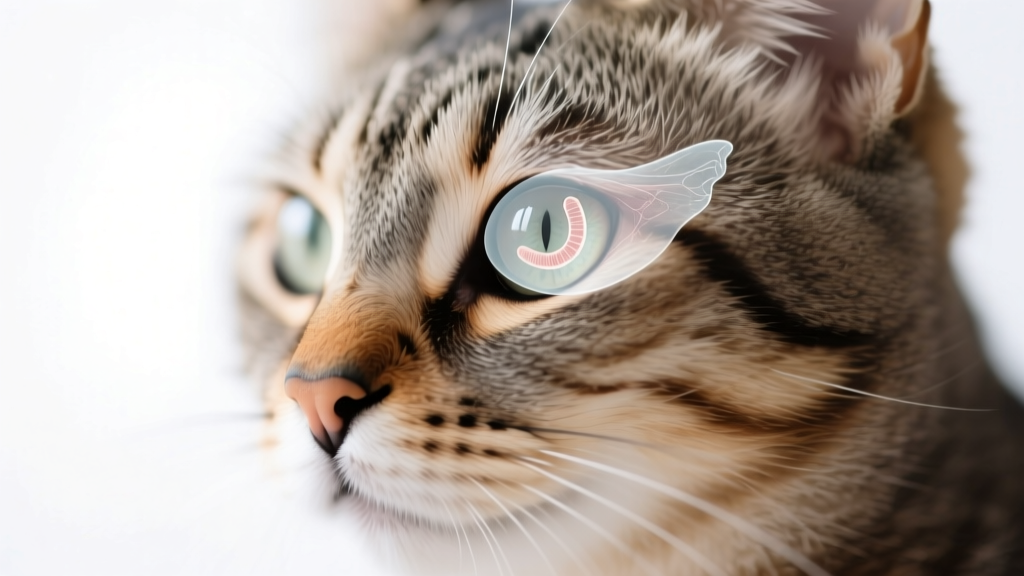
An olfactory neuroepithelial tumor (often discussed alongside “olfactory neuroblastoma” or other tumors arising near the olfactory tissue) is a type of cancer that develops from cells associated with the olfactory epithelium—the specialized lining in the upper nasal cavity responsible for detecting odors.
In plain language: this is a tumor that starts in the nose lining near the smell receptors. Because of its location, it can:
- Block airflow, leading to noisy breathing and congestion
- Cause nasal discharge or nosebleeds if it irritates or damages local tissues
- Invade nearby structures like the sinuses, eye socket area, or even the skull in advanced cases
Nasal tumors in cats can be benign (non-cancerous) or malignant (cancerous). Olfactory neuroepithelial tumors are considered malignant. They tend to be locally invasive (growing into surrounding tissues). Spread to distant organs (metastasis) can happen, but local effects are often the main concern.
3. Symptoms and Warning Signs to Watch For
Nasal cancers can mimic upper respiratory infections, dental issues, allergies, or chronic inflammation. Pay attention to symptoms that are one-sided, persistent, or worsening.
Common signs cat owners notice
- Chronic sneezing that doesn’t resolve
- Nasal discharge (clear, cloudy, yellow/green, or blood-tinged)
- Nosebleeds (even occasional spotting can be meaningful)
- Noisy breathing or snoring-like sounds when awake
- Mouth breathing or open-mouth breathing (more concerning)
- Reduced appetite (smell drives appetite; congestion can reduce interest in food)
- Weight loss over weeks to months
- Pawing at the face or rubbing the nose
Signs that can suggest a more advanced problem
- Facial swelling, nasal bridge changes, or asymmetry
- One eye tearing, bulging, or changes around the eye
- Bad breath not explained by dental disease
- Behavior changes (less interactive, hiding more, seeming uncomfortable)
- Neurologic signs (rare but urgent): disorientation, seizures, stumbling
Practical tip you can do today
Take a quick video of your cat’s breathing when they are resting. Also note whether discharge is from one nostril or both. These details help your veterinarian prioritize next steps.
4. Causes and Risk Factors
For most cats, the exact cause of an olfactory neuroepithelial tumor isn’t known. Cancer typically results from multiple factors over time rather than one clear trigger.
Potential risk factors and associations
- Age: Nasal tumors are more often diagnosed in middle-aged to older cats.
- Chronic nasal inflammation: Long-term irritation may play a role in some cancers, though cause-and-effect isn’t always clear.
- Environmental irritants: Secondhand smoke, dusty litter, strong fragrances, and poor indoor air quality may contribute to chronic nasal irritation.
- Dental disease: Not a direct cause, but infections near the upper teeth can mimic or complicate nasal symptoms and delay diagnosis.
If your cat has had “recurrent sinus infections” that never fully clear, it’s worth discussing advanced imaging with your veterinarian to rule out structural disease or a mass.
5. Diagnosis: What to Expect at the Vet
Because nasal cancer signs overlap with many other conditions, diagnosis is usually a step-by-step process. Your veterinarian’s goal is to confirm whether a mass is present, identify what type it is, and determine how far it extends.
Typical diagnostic steps
- Physical exam and history: Your vet will ask how long signs have been present, whether discharge is one-sided, and whether antibiotics helped.
- Oral and dental evaluation: Tooth root infections and oral masses can cause nasal discharge.
- Basic lab work (bloodwork/urinalysis): Helps assess overall health and anesthesia safety.
- Imaging:
- CT scan is often preferred for nasal tumors because it shows bone and soft tissue detail.
- MRI may be recommended if there’s concern about soft tissue or brain involvement.
- Skull/nasal X-rays can be a starting point but often miss important details.
- Rhinoscopy: A tiny camera is used to look into the nasal passages under anesthesia; it can allow sampling.
- Biopsy: A tissue sample is examined by a pathologist to identify the tumor type. This is the step that confirms cancer.
- Culture or PCR testing (in some cases): Helps rule out infection as a primary cause.
- Staging tests: Depending on findings, your vet may recommend chest X-rays or ultrasound to check for spread.
What this may feel like for owners
Many cats need sedation or anesthesia for CT/rhinoscopy/biopsy. Your veterinary team will focus on safety—stabilizing breathing, minimizing stress, and tailoring pain control. Ask for a written plan that includes what diagnostics are being done and why.
6. Treatment Options (Medical, Surgical, Home Care)
Treatment is individualized based on tumor size and location, whether it has invaded nearby structures, your cat’s overall health, and your goals (curative vs. comfort-focused care). A referral to a veterinary oncologist or specialty hospital is common.
Radiation therapy
- Often a mainstay for nasal tumors due to difficult surgical access.
- May reduce tumor size, improve airflow, and decrease discharge/bleeding.
- Usually delivered over multiple sessions; your oncologist will explain the schedule.
Surgery
- Complete removal can be challenging because of the nasal cavity’s anatomy and proximity to the eyes/brain.
- Surgery may be considered for debulking (reducing tumor mass) or for obtaining diagnostic samples.
- In select cases, surgery combined with radiation may provide better symptom control.
Chemotherapy
- Effectiveness varies by tumor type and individual case.
- May be used alongside radiation or when radiation isn’t available.
- Your oncologist will discuss expected benefits and side effects.
Supportive (palliative) care
When cure isn’t possible—or while waiting for diagnostics/treatment—supportive care can make a big difference:
- Pain relief (never use human pain meds unless explicitly prescribed; many are toxic to cats)
- Appetite support: anti-nausea medications, appetite stimulants, and strategic feeding
- Control of secondary infections if present
- Anti-inflammatory medications may be used in some cases (only under veterinary supervision)
Home care you can start immediately (safe, practical steps)
- Boost food aroma: warm wet food slightly, offer smelly favorites (vet-approved), and feed in a calm space.
- Support hydration: offer water in multiple locations; consider a fountain; discuss subcutaneous fluids with your vet if intake is low.
- Improve air quality: avoid smoke and aerosols; use unscented litter; run a HEPA air purifier.
- Reduce stress: keep routines predictable; provide easy-access resting spots.
- Track symptoms: note appetite, breathing effort, discharge (color/amount), and weight weekly.
7. Prevention Strategies and Early Detection Tips
There’s no guaranteed way to prevent nasal cancers, but you can lower avoidable irritants and improve early recognition.
Steps that help
- Keep your home smoke-free: secondhand smoke irritates airways and is linked to health risks in pets.
- Choose low-dust, unscented litter and avoid strong plug-ins or sprays.
- Stay current on wellness exams: older cats benefit from regular checkups and baseline bloodwork.
- Don’t ignore “one nostril” problems: one-sided discharge, bleeding, or congestion is a reason to consult a veterinarian promptly.
- Address dental disease early: it reduces confusion between tooth-root infections and nasal disease and improves overall health.
8. Prognosis and Quality of Life Considerations
Prognosis depends on tumor type, size, invasiveness, response to treatment, and whether spread is present. With nasal tumors, quality of life often comes down to managing:
- Breathing comfort
- Ability to eat and maintain weight
- Pain control
- Stress and sleep quality
Many cats do well with supportive care and/or radiation for a meaningful period of time, even when a complete cure isn’t realistic. A helpful approach is to set specific “good day” goals with your veterinarian, such as steady appetite, comfortable breathing at rest, and normal engagement with family.
Quality-of-life checklist for owners
- Is your cat eating enough to maintain weight?
- Are they breathing comfortably while resting?
- Are nosebleeds frequent or hard to stop?
- Do they still groom, seek attention, and rest peacefully?
- Are medications manageable for your household and cat’s temperament?
If you’re unsure, ask your vet for a quality-of-life scale and schedule regular recheck appointments to adjust the plan.
9. When to Seek Emergency Veterinary Care
Some nasal symptoms can become urgent quickly. Seek emergency veterinary care if you notice:
- Open-mouth breathing, severe respiratory distress, or blue/pale gums
- Heavy or persistent nosebleeds (especially if your cat seems weak)
- Sudden collapse, extreme lethargy, or inability to stand
- Seizures or sudden neurologic changes (circling, head tilt, severe disorientation)
- Not eating for 24 hours (or shorter if your cat is already ill), especially with rapid weight loss
- Facial swelling that worsens quickly or eye bulging/painful eye changes
If your cat is struggling to breathe, keep them calm, avoid forcing food or medication, and transport them to a veterinary ER right away.
10. FAQ: Common Questions Cat Owners Ask
Can a nasal tumor be mistaken for a regular upper respiratory infection?
Yes. Sneezing and nasal discharge are common with viral or bacterial infections. Red flags for something more than an infection include one-sided discharge, nosebleeds, symptoms lasting weeks, or poor response to standard treatment. If signs persist, ask your veterinarian whether CT imaging and biopsy should be considered.
Is this cancer contagious to other cats?
No. A tumor itself isn’t contagious. However, infections that cause similar symptoms (like respiratory viruses) can spread between cats. Your vet can help determine whether you’re dealing with infection, inflammation, or a mass.
Will my cat lose their sense of smell?
Some cats experience reduced smell due to obstruction, inflammation, or tumor growth in the olfactory region. Since smell strongly affects appetite, decreased interest in food can be an early clue. Treatment aimed at improving airflow and reducing tumor burden may help, but outcomes vary.
How is an olfactory neuroepithelial tumor confirmed?
A presumptive diagnosis may come from CT/MRI findings, but confirmation requires a biopsy reviewed by a veterinary pathologist. This also helps guide treatment choices and expected behavior of the tumor.
What can I do at home to help my cat eat and breathe more comfortably?
Offer warm, aromatic wet food; feed small frequent meals; keep air clean (no smoke, low-dust litter); reduce stress; and follow your vet’s medication plan closely. If breathing effort increases or your cat stops eating, contact your veterinarian promptly.
Does treatment always mean chemotherapy?
No. Many nasal tumors are treated with radiation therapy, sometimes combined with surgery or medications for comfort. Chemotherapy may be recommended in certain cases, but it’s not automatic. Your veterinarian or oncologist will tailor recommendations to your cat and your goals.
If your cat has ongoing nasal symptoms, don’t wait it out—schedule a veterinary visit so you can get clear answers and a plan. For more practical, owner-friendly cat health resources, visit catloversbase.com.