Feline Eosinophilic Enteritis: Gut Allergic Inflammation
1. Introduction: Why This Topic Matters for Cat Owners
When a cat has ongoing vomiting, diarrhea, or unexplained weight loss, it’s easy to assume it’s “just a sensitive stomach” or a passing bug. Sometimes it is—but persistent digestive trouble can also signal inflammation inside the intestines. One condition that can sit behind chronic GI signs is feline eosinophilic enteritis, a type of intestinal inflammation often linked to allergic or immune-related triggers.
This topic matters because cats are experts at masking illness. Mild symptoms can simmer for weeks or months, gradually affecting appetite, hydration, comfort, and nutrition. The good news: many cats do well once the inflammation is identified and a treatment plan is started. Understanding what eosinophilic enteritis is—and what to watch for—helps you seek care early and protect your cat’s quality of life.
2. Overview: What Is Feline Eosinophilic Enteritis?
Eosinophilic enteritis refers to inflammation in the small intestine (and sometimes other parts of the GI tract) where a specific white blood cell—an eosinophil—builds up in the intestinal lining.
What are eosinophils?
Eosinophils are part of the immune system. They commonly increase with:
- Allergies (including food sensitivities)
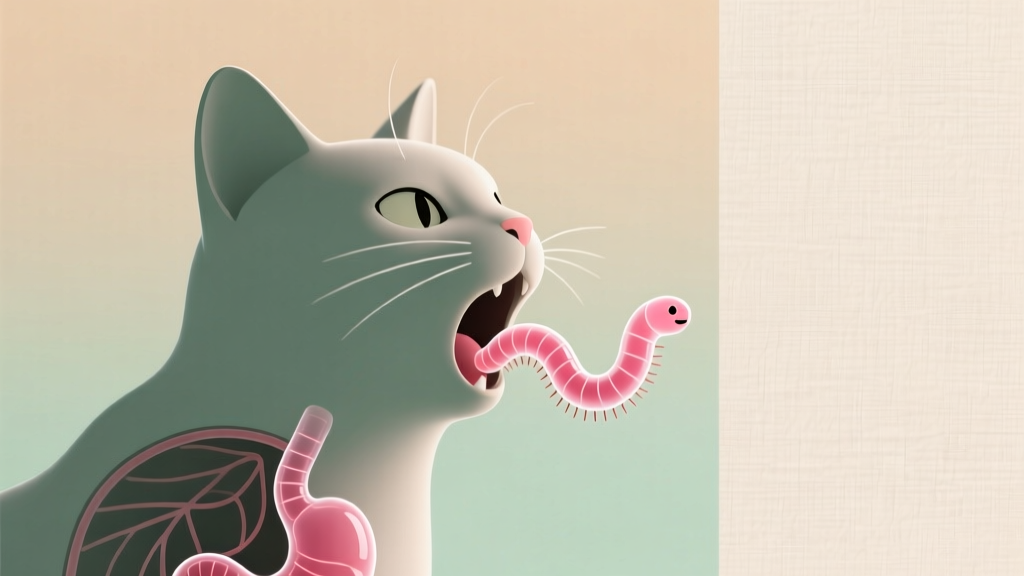
- Parasites (intestinal worms, some protozoal infections)
- Immune dysregulation (the immune system overreacts)
How does it affect the gut?
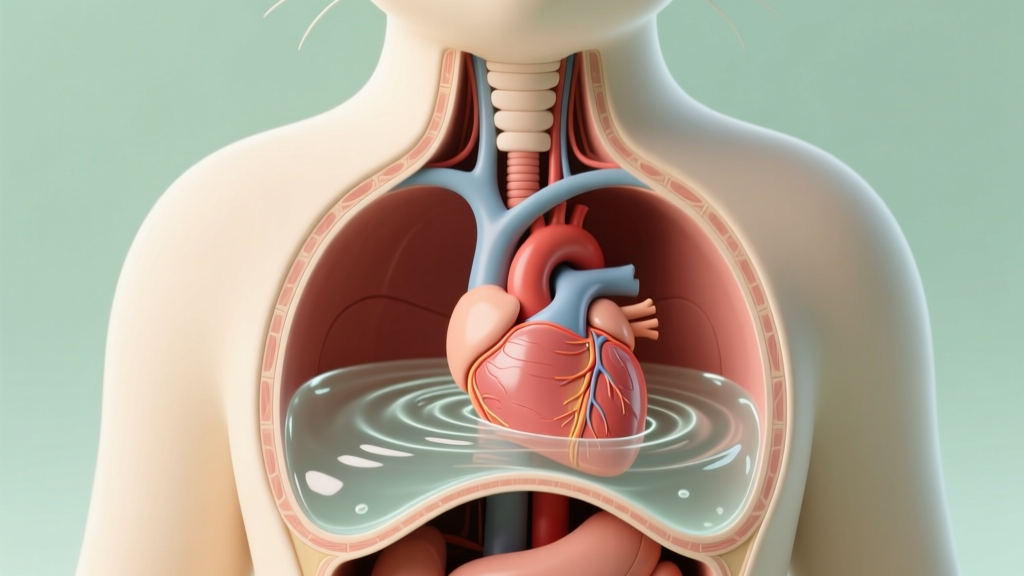
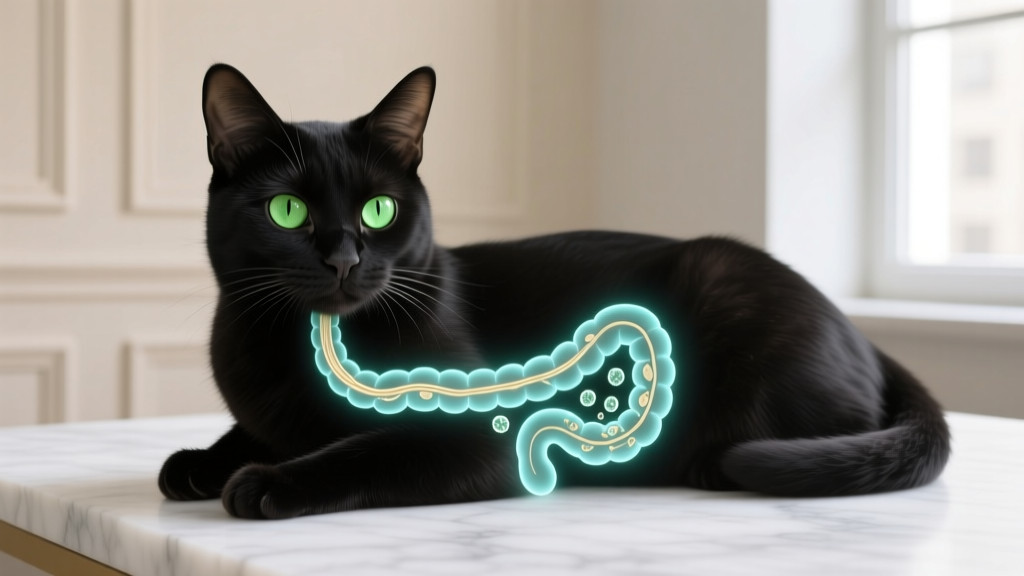
The intestinal wall is designed to digest food, absorb nutrients, and act as a barrier against irritants. When eosinophils infiltrate that wall, they release inflammatory chemicals. Over time, this can lead to:
- Irritation of the gut lining (causing vomiting/diarrhea)
- Reduced nutrient absorption (leading to weight loss or poor coat quality)
- Thickening of the intestinal wall in some cats
How is this different from IBD?
You may hear your veterinarian mention feline inflammatory bowel disease (IBD). Eosinophilic enteritis is often considered a subtype or pattern of IBD—meaning the intestines are inflamed, and eosinophils are the dominant inflammatory cell. Other patterns involve lymphocytes and plasma cells (lymphocytic-plasmacytic enteritis). The treatment approach may overlap, but identifying the pattern helps guide next steps and rule-outs.
3. Symptoms and Warning Signs to Watch For
Signs can vary depending on how much of the GI tract is affected and whether the inflammation is mild or severe. Some cats have “on and off” symptoms that seem to come and go.
Common signs
- Vomiting (especially recurring, not just the occasional hairball)
- Diarrhea or soft stools
- Weight loss despite eating, or reduced appetite
- Increased appetite in some cats (they feel hungry but still lose weight)
- Gas, abdominal gurgling, or discomfort
- Dull coat or increased shedding
Less obvious clues
- Hiding more than usual
- Reduced play or lower energy
- “Grazing” behavior (nibbling instead of normal meals)
- Occasional constipation mixed with loose stool
Practical at-home tracking you can start today
- Keep a 7–14 day symptom log: vomiting frequency, stool consistency, appetite, and weight.
- Take photos of stool (it helps your vet more than you’d think).
- Weigh your cat weekly if possible (baby scale works well).
4. Causes and Risk Factors
Eosinophilic enteritis is often driven by an immune response to something the body sees as a threat. Sometimes a single trigger is found; other times it’s multifactorial.
Potential causes
- Food sensitivity or food allergy (certain proteins are common triggers)
- Parasites (even indoor cats can be exposed via fleas, prey, or contaminated soil)
- Environmental allergies (less direct, but immune “overactivity” can overlap)
- Primary immune-mediated inflammation (no clear external trigger identified)
Risk factors
- History of itchy skin, recurrent ear issues, or other allergy signs
- Previous or current flea exposure (some parasites are flea-associated)
- Diet changes, frequent treat variety, or access to human foods
- Chronic stress (stress doesn’t “cause” it directly, but can worsen GI function)
5. Diagnosis: Methods and What to Expect at the Vet
Digestive signs have many possible causes. Your veterinarian’s goal is to confirm intestinal inflammation and rule out look-alike problems such as parasites, infections, pancreatitis, liver disease, hyperthyroidism, and intestinal lymphoma.
Common diagnostic steps
- Full history and exam (diet, appetite, vomiting pattern, stool changes, weight trends)
- Fecal testing (floatation, PCR panels, Giardia testing as needed)
- Bloodwork:
- CBC (may show eosinophilia in some cats, but not always)
- Chemistry panel (checks liver, kidneys, protein levels)
- Thyroid testing (especially in older cats)
- Urinalysis (overall health baseline)
- Vitamin levels (cobalamin/B12 and folate can be affected in chronic enteropathies)
- Abdominal ultrasound (looks for intestinal thickening, enlarged lymph nodes, or other abnormalities)
Confirming eosinophilic enteritis
The most definitive way to diagnose the specific inflammatory pattern is with intestinal biopsies:
- Endoscopic biopsies (camera-guided, less invasive; samples are smaller and limited to reachable areas)
- Surgical biopsies (more invasive but can collect deeper/full-thickness samples and reach more areas)
Your vet will recommend the best approach based on ultrasound findings, severity, and whether there’s concern for other diseases. If biopsy isn’t pursued right away, many vets will start with rule-outs (parasite control) and a diet trial before moving to more invasive testing.
6. Treatment Options (Medical, Surgical, Home Care)
Treatment usually focuses on reducing inflammation, removing triggers, and supporting digestion. Plans are individualized—what works for one cat may not be the best fit for another.
Medical treatments
- Diet trial (cornerstone for suspected allergic GI disease):
- Hydrolyzed protein diets (proteins broken down to reduce immune reaction)
- Novel protein diets (a protein your cat has not eaten before)
- Typically trialed for 8–12 weeks with strict compliance (no flavored meds, treats, or table foods unless approved)
- Parasite control/deworming even if tests are negative (common and often reasonable, your vet will advise)
- Corticosteroids to reduce inflammation:
- Prednisolone is commonly used in cats
- Budesonide may be considered in certain cases for more localized GI effect
- Other immune-modulating medications for cats that don’t respond well to steroids or need steroid-sparing strategies (your vet may discuss options such as chlorambucil in select cases)
- Vitamin B12 (cobalamin) supplementation if low (often improves appetite and GI function)
- Anti-nausea and gut-support meds as needed (your vet may prescribe maropitant, ondansetron, probiotics, or appetite support depending on the situation)
Surgical treatment
Surgery is not commonly a “treatment” for eosinophilic enteritis itself, but it may be needed if:
- A biopsy is required to clarify diagnosis
- There is a mass, obstruction, or severe localized disease
- Imaging suggests a condition that must be addressed surgically
Home care that truly helps
- Feed only the prescribed diet during a trial—this is the #1 reason diet trials fail.
- Switch foods gradually (over 5–10 days) unless your vet advises otherwise.
- Support hydration:
- Offer canned food if appropriate
- Add water to food (if your cat accepts it)
- Use a water fountain to encourage drinking
- Reduce GI stress:
- Predictable routine
- Quiet feeding area
- Multiple small meals for cats that vomit after large meals
- Give medications exactly as prescribed and never stop steroids abruptly without veterinary guidance.
7. Prevention Strategies and Early Detection Tips
Not every case can be prevented, but you can lower risk and catch problems sooner.
Actionable prevention and early detection
- Year-round parasite prevention as recommended by your veterinarian
- Keep diet consistent; avoid frequent protein switching unless medically needed
- Limit treats and choose single-ingredient options approved by your vet (especially during GI workups)
- Schedule wellness exams at least yearly (twice yearly for seniors)
- Track weight monthly—slow weight loss is one of the earliest clues
- See your vet if vomiting happens more than once or twice a month, or any time symptoms persist beyond a few days
8. Prognosis and Quality of Life Considerations
Many cats with eosinophilic enteritis can enjoy a good quality of life with appropriate management. Prognosis depends on:
- How quickly the condition is addressed
- Whether a trigger (like diet or parasites) is identified
- Severity of intestinal changes and nutritional impact
- Response to diet and medications
What “successful management” often looks like
- Vomiting/diarrhea becomes rare or stops
- Weight stabilizes or increases
- Normal appetite and improved energy
- Less medication over time (some cats can taper to the lowest effective dose; some remain diet-controlled)
Some cats experience flare-ups. When that happens, quick communication with your veterinarian can often prevent a mild relapse from becoming a major setback.
9. When to Seek Emergency Veterinary Care
Digestive upset can turn serious if dehydration, pain, or a blockage develops. Seek urgent or emergency care if you notice:
- Repeated vomiting (multiple times in a day) or inability to keep water down
- Blood in vomit or stool, or black/tarry stool
- Severe lethargy, collapse, or weakness
- Signs of dehydration: sticky gums, sunken eyes, very low urine output
- Painful abdomen, crying, hunched posture, or guarding the belly
- Not eating for 24 hours (or 12 hours for kittens)
- Rapid weight loss or sudden worsening of chronic signs
If you’re unsure, it’s always reasonable to call your veterinarian or an emergency clinic for guidance—especially for kittens, seniors, or cats with other medical conditions.
10. FAQ: Common Questions Cat Owners Ask
Is eosinophilic enteritis contagious to other cats?
No, the inflammatory condition itself is not contagious. If a parasite or infectious agent is involved, that underlying cause may pose a risk to other pets. Your vet may recommend fecal testing and preventive treatment for household cats depending on findings.
Can my cat have eosinophilic enteritis even if bloodwork looks normal?
Yes. Some cats do not show high eosinophils in the bloodstream even when eosinophils are active in the intestinal tissue. That’s why stool testing, ultrasound, diet trials, and sometimes biopsy are used to reach a diagnosis.
How long does a diet trial take to work?
Most diet trials need 8–12 weeks to judge fairly. Some cats improve earlier, but partial improvement can be misleading if the diet isn’t followed strictly. If your cat is worsening, contact your veterinarian rather than waiting.
Will my cat need steroids forever?
Not always. Some cats respond so well to diet and parasite control that medication can be reduced or discontinued. Others need long-term management at the lowest effective dose. Your veterinarian will balance symptom control with minimizing side effects and will guide safe tapering.
What’s the difference between eosinophilic enteritis and intestinal lymphoma?
They can look similar because both can cause chronic vomiting, diarrhea, and weight loss. Ultrasound and blood tests can suggest one or the other, but biopsy is often the best way to differentiate inflammatory disease from cancer and to choose the right treatment.
What can I do today while waiting for my vet appointment?
- Start a symptom diary and record what your cat eats (including treats).
- Keep your cat on a consistent diet—avoid sudden food changes unless directed.
- Make sure fresh water is always available; consider offering more wet food if your cat tolerates it.
- If your cat is vomiting repeatedly, not eating, acting painful, or seems weak, seek urgent care rather than waiting.
If your cat has ongoing GI signs, partnering with your veterinarian is the safest path—chronic digestive symptoms always deserve a professional assessment. For more caring, practical cat health guides and wellness tips, visit catloversbase.com.