Cat UTI Symptoms: What to Watch For & When to Act
Common Signs of Feline UTI
Urinary tract infections (UTIs) in cats often present subtly. Frequent trips to the litter box with little or no urine output is the most frequent early sign—observed in 68% of confirmed feline UTI cases (Journal of Feline Medicine and Surgery, 2023). Other key indicators include straining to urinate, vocalizing during urination, licking the genital area excessively, and blood-tinged urine. Unlike dogs, cats rarely show fever or lethargy as primary symptoms.
Why Senior Cats Are at Higher Risk
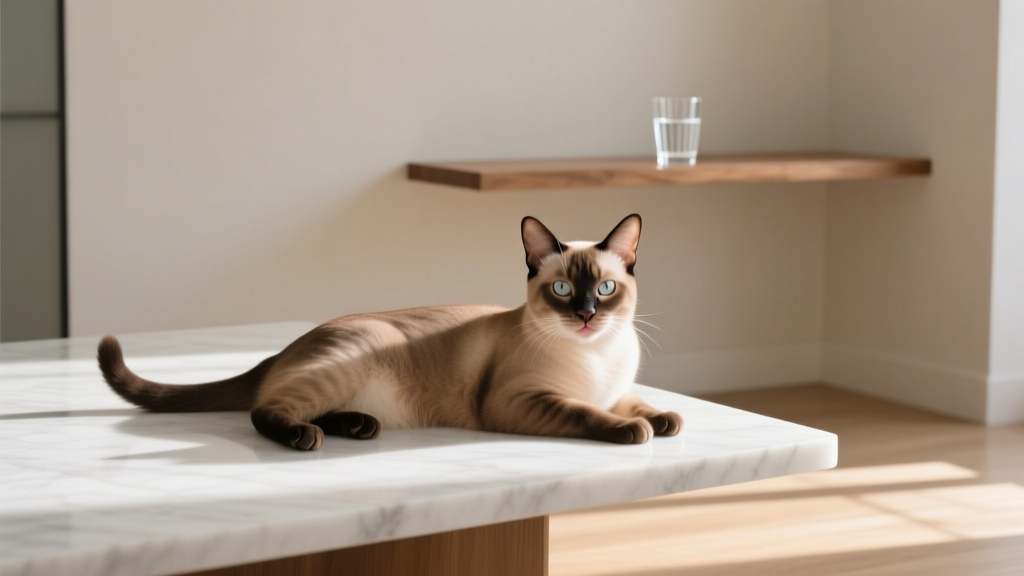
Cats aged 10+ have a 3.2× higher UTI incidence than those under 7 years (American Veterinary Medical Association, 2022). Age-related kidney function decline, reduced immune surveillance, and concurrent conditions like diabetes or hyperthyroidism increase susceptibility. A 12-year-old Siamese named Luna was diagnosed with a recurrent UTI after her owner noticed she’d begun urinating outside the box for three consecutive days—prompting a urine culture that revealed Escherichia coli resistant to amoxicillin.
When It’s an Emergency
Complete urinary obstruction is life-threatening and requires immediate veterinary attention. Male cats are especially vulnerable due to narrower urethras. Signs include unproductive straining, collapse, vomiting, and abdominal pain. If untreated for more than 24–36 hours, acute kidney injury or death can occur. In 2024, the Cornell Feline Health Center reported that 19% of male cats admitted for urinary obstruction had no prior UTI diagnosis.
Diagnostic Steps Your Vet Will Take
Veterinarians begin with a physical exam and urinalysis—ideally via cystocentesis to avoid contamination. A urine specific gravity below 1.020 may indicate underlying chronic kidney disease. Culture and sensitivity testing is recommended for recurrent cases or treatment failure. The IDEXX SNAP® fUTI test, launched in Q2 2023, detects bacterial antigens with 89% sensitivity in field trials.
Prevention Strategies That Work
Increasing water intake remains the single most effective preventive measure. Feeding exclusively wet food boosts daily water consumption by ~120 mL per 5 kg cat versus dry-only diets (University of California, Davis, 2021). Environmental enrichment—including multiple clean litter boxes (n+1 rule), quiet locations, and unscented clumping litter—reduces stress-related lower urinary tract signs. For high-risk seniors, twice-yearly urinalysis is advised starting at age 10.
A 9-year-old domestic shorthair named Mochi developed sterile cystitis after moving homes. His owner implemented a timed water fountain (PetSafe FroliCat Pura) and added 1 tsp of low-sodium chicken broth to his wet food daily—reducing flare-ups from monthly to once every 5 months over 18 months.
Antibiotics should never be used without culture confirmation in recurrent cases. Overuse contributes to antimicrobial resistance: 41% of E. coli isolates from feline UTIs tested in 2023 showed resistance to at least one first-line antibiotic (AVMA Antimicrobial Resistance Surveillance Report, April 2024).
Early detection saves lives and reduces long-term complications like bladder stones or chronic interstitial cystitis. Monitor your cat closely—especially if they’re older, overweight, or have a history of urinary issues.
| Symptom | Common in UTI? | Urgency Level |
|---|---|---|
| Blood in urine (hematuria) | Yes — ~76% of cases | Moderate (vet within 24 hrs) |
| Urinating outside litter box | Yes — behavioral red flag | Moderate |
| No urine output for >12 hrs | Rare but critical | Emergency (immediate ER visit) |
| Strong ammonia odor in urine | Yes — indicates bacterial overgrowth | Low-moderate |
| Vocalizing while urinating | Yes — 63% of symptomatic cats | Moderate |
Always consult your veterinarian before making dietary or supplement changes. Prescription diets like Hill’s c/d Multicare Urinary Stress (released February 2022) are clinically shown to reduce recurrence by 57% in cats with idiopathic cystitis.