Cat Syringomyelia: Spinal Cord Cavity Neurological Issue
1) Why this topic matters for cat owners
Watching a cat act “off” can be unsettling—especially when the signs are subtle, like unexplained sensitivity when touched, odd scratching, or a stiff, uncomfortable gait. Syringomyelia is a neurological condition that can cause these kinds of changes. It’s uncommon in cats, but when it occurs, early veterinary attention can make a big difference in comfort and long-term quality of life.
This article explains syringomyelia in clear terms, what you might notice at home, and what a veterinarian can do to diagnose and manage it. If your cat is showing pain, weakness, balance issues, or sudden behavior changes, schedule a veterinary appointment promptly. A hands-on exam and appropriate imaging are essential—this is not something you can confirm at home.
2) Overview: What is syringomyelia?
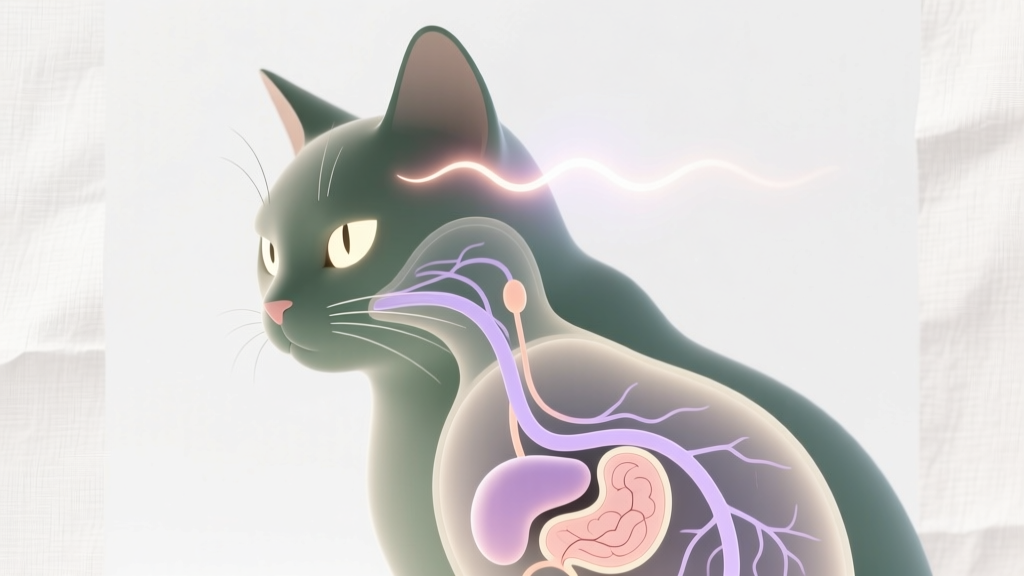
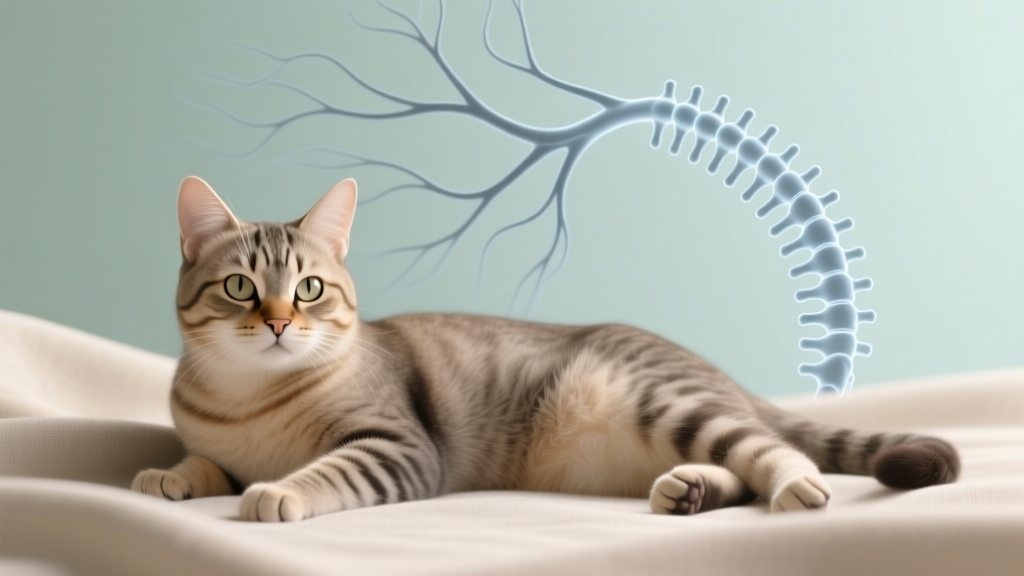
Syringomyelia (pronounced “seer-in-go-my-EE-lee-uh”) refers to a condition where a fluid-filled cavity (called a syrinx) forms within the spinal cord. The spinal cord is like a “message highway” carrying signals between the brain and the rest of the body. When a syrinx forms, it can:
- Compress delicate nerve tissue
- Interrupt normal nerve signaling
- Cause pain due to pressure changes and nerve irritation
- Progress over time if the underlying cause isn’t controlled
The cavity often develops because of problems with cerebrospinal fluid (CSF) flow. CSF is the fluid that cushions and nourishes the brain and spinal cord. If CSF flow is blocked or altered—due to congenital skull/spine shape issues, inflammation, trauma, or masses—pressure dynamics can encourage a syrinx to form and enlarge.
Syringomyelia can involve the neck (cervical spine), chest area (thoracic spine), or lower back (lumbar spine). The location influences which signs you see. Cats may compensate well at first, so the changes can look like “just getting older” or “being picky about handling,” when there is real discomfort behind it.
3) Symptoms and warning signs to watch for
Signs can vary widely depending on the syrinx size and location. Some cats show mild signs for a long time; others develop noticeable discomfort or neurologic deficits.
Common signs cat owners may notice
- Neck or back pain (tensing, vocalizing, flinching when picked up)
- Sensitivity to touch, especially around the neck/shoulders/spine
- Unusual scratching behavior (scratching at the neck/shoulder area without skin disease or fleas)
- Reluctance to jump, climb, or use stairs
- Changes in posture (hunched back, guarding, stiff movement)
- Weakness in one or more limbs
- Wobbly walking or balance issues (ataxia)
- Knuckling (walking with the top of the paw contacting the floor)
- Decreased activity, hiding more, irritability, or “not wanting to be touched”
- Reduced grooming or overgrooming a specific area
Less common but possible signs
- Muscle loss in a limb or along the shoulders/back
- Changes in reflexes (hard to assess at home, but vets test for this)
- Bowel or bladder changes (incontinence or difficulty urinating—more concerning)
Practical at-home observations you can start today
- Record short videos of your cat walking, jumping, using the litter box, and being picked up.
- Note when signs happen: after play, after a jump, first thing in the morning, or when touched in a certain spot.
- Track changes on a simple log (date, sign, severity 1–10). This helps your vet measure progress.
4) Causes and risk factors
Syringomyelia is usually a secondary problem—meaning something else causes the CSF flow disruption that leads to syrinx formation. In cats, known causes and suspected contributors include:
- Congenital (present at birth) abnormalities of the skull or spine that alter CSF flow. In other species, a Chiari-like malformation is a classic association; similar malformations are less commonly reported in cats but can occur.
- Spinal trauma (falls, car accidents). Scar tissue or structural changes may disrupt CSF movement.
- Inflammation or infection affecting the brain/spinal cord coverings (meningitis) or spinal cord itself.
- Tumors or masses near the spinal cord that obstruct CSF flow.
- Arachnoid cysts (fluid-filled sacs in the membranes around the spinal cord) that can alter CSF dynamics.
Risk factors are not well-defined because syringomyelia is relatively rare in cats, but in general, any cat with a history of significant trauma, known spinal abnormalities, or persistent unexplained neck/back pain deserves prompt evaluation.
5) Diagnosis: what to expect at the vet
Because syringomyelia involves the spinal cord, diagnosis relies heavily on a thorough neurological exam and advanced imaging. Your veterinarian may start the workup and then refer you to a veterinary neurologist for specialized testing.
Typical diagnostic steps
- History and symptom review: Bring your notes and videos. Mention any injuries, falls, or prior neurologic signs.
- Physical and neurological exam: The vet checks gait, posture, reflexes, pain response, and areas of sensitivity.
- Rule-outs for more common problems: Arthritis, dental pain, skin disease, ear issues, and flea allergy can mimic parts of the picture.
- Bloodwork: Helps evaluate overall health and anesthesia safety if imaging is needed.
- Imaging:
- MRI is the gold standard to see the spinal cord and confirm a syrinx.
- CT can help assess bone structures, fractures, or skull/spine abnormalities, but it’s less detailed for the spinal cord itself.
- X-rays may detect obvious spinal changes but usually cannot diagnose syringomyelia.
- CSF tap (spinal fluid analysis): In select cases, your vet may recommend this to look for inflammation or infection.
What cat owners should know about MRI
- MRI usually requires general anesthesia so your cat stays perfectly still.
- Pre-anesthetic bloodwork and careful monitoring reduce risks.
- The results help guide treatment and provide a clearer prognosis.
6) Treatment options: medical, surgical, and home care
Treatment depends on the underlying cause, the severity of signs, and how much pain or neurologic impairment is present. The goals are to reduce pain, improve function, and slow progression when possible.
Medical management
Many cats are managed medically, especially if signs are mild to moderate or if surgery is not appropriate.
- Pain control: Neuropathic pain medications may be used, along with other vet-prescribed analgesics. Never give human pain relievers (like ibuprofen or acetaminophen); these can be dangerous for cats.
- Anti-inflammatory therapy: Sometimes used when inflammation contributes to symptoms. Your vet will weigh benefits versus side effects.
- Treating underlying causes: Antibiotics/antivirals (if indicated), management of inflammatory disease, or addressing a mass if present.
- Activity modification: Temporary rest during flare-ups, with a gradual return to gentle play as advised.
Surgical options
Surgery may be considered when there is a structural cause that can be corrected or when medical therapy is not controlling pain and neurologic decline.
- Decompression surgery: If a skull/spinal malformation is obstructing CSF flow, surgery can create more space to normalize flow.
- Removal of an obstructing lesion: In select cases involving cysts or masses.
- Shunting procedures: Less common, but in some situations a shunt may be discussed to help drain fluid from the syrinx.
Surgical decisions are complex. A veterinary neurologist can explain expected benefits, risks, aftercare needs, and costs based on imaging findings.
Home care strategies that help right away
- Use a harness instead of a collar if your cat goes outside or travels—reduces pressure on the neck.
- Make jumping easier: Add pet steps/ramps to beds and favorite perches; place a sturdy stool near windowsills.
- Set up a comfort zone: Warm, supportive bedding in a quiet spot, plus easy access to food, water, and the litter box.
- Choose a low-entry litter box to reduce strain, especially if the cat is stiff or weak.
- Gentle handling: Support the chest and hips when lifting; avoid scruffing or twisting the spine.
- Medication routine: Give meds exactly as prescribed and report side effects quickly (sedation, appetite changes, vomiting).
7) Prevention strategies and early detection tips
Not all causes are preventable, especially congenital issues. The best approach is risk reduction and early recognition.
- Prevent falls and injuries: Secure balconies and windows, use sturdy cat trees, and discourage risky high jumps if your cat is already stiff.
- Use safe transport: A well-fitted carrier reduces injury risk during travel.
- Keep routine wellness visits: Subtle neurologic and pain signs are easier for a vet to spot over time.
- Act on “small” changes: Reluctance to jump, sensitivity when picked up, or repeated scratching without skin findings deserves evaluation.
- Address chronic ear/skin issues: These can mimic neurologic discomfort; ruling them out speeds proper diagnosis.
8) Prognosis and quality of life
Prognosis varies based on the cause, syrinx size and location, and how quickly treatment begins. Some cats do very well with long-term medical management, especially when pain is controlled and the condition is stable. Others may have a progressive course requiring ongoing medication adjustments or surgical intervention.
Quality of life signs to monitor
- Comfort during rest and handling
- Willingness to move, jump (with assistance), and interact
- Appetite and grooming habits
- Litter box use without struggle
- Frequency and severity of pain episodes
Ask your veterinarian about a simple quality-of-life scale and recheck schedule. If your cat is on pain medication, regular follow-ups help ensure the dose is effective and safe.
9) When to seek emergency veterinary care
Syringomyelia can be associated with painful flare-ups or neurologic deterioration. Seek urgent or emergency care if you notice:
- Sudden inability to walk or severe weakness in one or more limbs
- Loss of bladder control, inability to urinate, or repeated straining without producing urine
- Severe, unrelenting pain (crying out, hiding and refusing to move, aggressive reaction to touch)
- Rapidly worsening coordination or frequent falls
- Trauma (fall, hit by car) followed by any neurologic signs
If you’re unsure whether it’s an emergency, call your veterinary clinic or an emergency hospital and describe the symptoms. It’s better to be checked promptly than to wait and risk worsening pain or nerve damage.
10) FAQ: Common questions about syringomyelia in cats
Can syringomyelia be cured?
Sometimes the underlying cause can be addressed (for example, removing an obstruction or correcting a structural issue), which may improve CSF flow and reduce symptoms. In many cases, syringomyelia is managed rather than “cured,” with a focus on pain control and maintaining mobility.
Is syringomyelia the same as arthritis or a slipped disc?
No. Arthritis affects joints, and intervertebral disc disease involves disc material pressing on nerves or the spinal cord. Syringomyelia is a fluid-filled cavity within the spinal cord itself. Signs can overlap (pain, reluctance to jump), which is why veterinary exams and imaging are so important.
What tests should I expect if my vet suspects syringomyelia?
You can expect a detailed neurologic exam and often an MRI referral to confirm the diagnosis. Bloodwork is commonly done to assess general health and anesthesia safety. Additional tests may be recommended depending on whether infection, inflammation, or a mass is suspected.
Will my cat need surgery?
Not always. Many cats can be kept comfortable with medication and lifestyle changes. Surgery is typically considered if there is a correctable structural problem, if pain is difficult to control, or if neurologic function is worsening. A veterinary neurologist can guide that decision based on MRI findings.
How can I help my cat at home if syringomyelia is suspected?
Start with gentle handling, reduce jumping demands with steps/ramps, and use a harness instead of a collar. Keep a symptom log and capture videos of abnormal gait or behaviors. Most importantly, schedule a veterinary visit—home care supports comfort, but it doesn’t replace diagnosis and treatment.
Is syringomyelia contagious or caused by something I did?
No, it is not contagious. It’s typically related to anatomy, injury, inflammation, or another internal cause. Your focus should be on timely evaluation and a plan to keep your cat comfortable.
If you’re worried your cat may be in pain or showing neurologic changes, a veterinarian is the best next step. With the right support, many cats can enjoy a good quality of life.
For more caring, practical cat health guidance, visit catloversbase.com and explore our growing library of feline wellness resources.