Cat Eye Discharge: Causes & When to Worry
Normal vs. Abnormal Eye Discharge
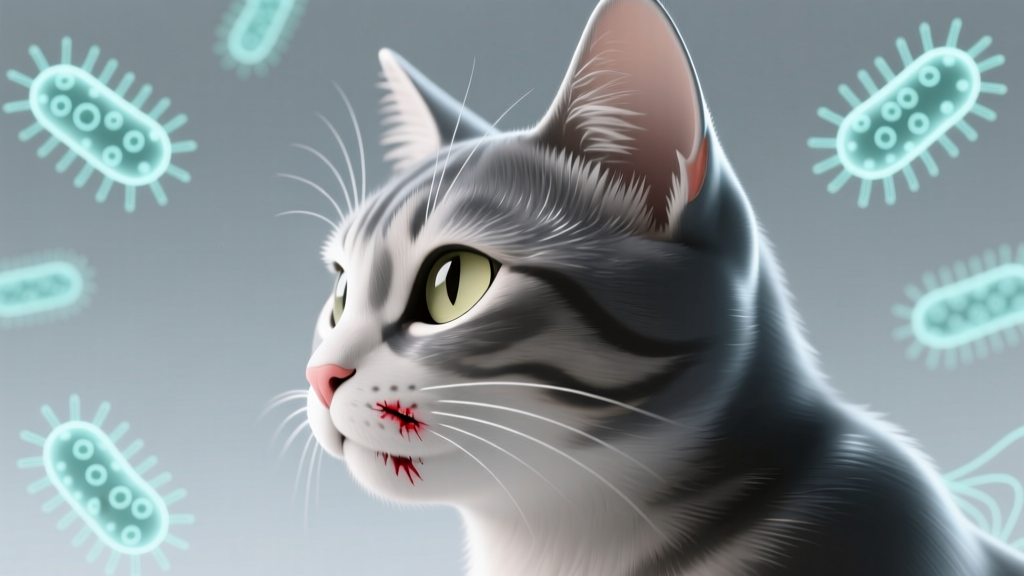
Clear, minimal moisture at the inner corner of a cat’s eye is typical—especially after napping. But persistent, colored, or copious discharge (e.g., yellow-green mucus, thick crusts, or blood-tinged fluid) signals concern. A 2023 Cornell Feline Health Center report found that 68% of cats with chronic ocular discharge had underlying infectious or inflammatory conditions requiring veterinary assessment.
Infectious Causes
Bacterial infections like Chlamydia felis and viral agents—including feline herpesvirus-1 (FHV-1), responsible for ~80% of feline upper respiratory cases per the American Association of Feline Practitioners (AAFP) 2024 guidelines—commonly cause unilateral or bilateral discharge. FHV-1 reactivation often occurs during stress or in senior cats with weakened immunity. Secondary bacterial infection frequently follows, worsening discharge severity.
Allergies and Environmental Irritants
Cats can develop allergic conjunctivitis from pollen, dust mites, or household cleaners. In a 2022 study published in Journal of Feline Medicine and Surgery, 12% of cats referred for chronic ocular discharge tested positive for environmental allergens via intradermal skin testing. Smoke, aerosol sprays, and even new laundry detergent may trigger transient watery discharge—usually resolving within 24–48 hours if the irritant is removed.
Serious Underlying Conditions
Persistent discharge may reflect systemic disease. Corneal ulcers (often painful and accompanied by squinting) occur in ~5% of cats presenting with eye symptoms, per data from Banfield Pet Hospital’s 2025 State of Pet Health Report. Glaucoma—more common in senior cats over age 10—can cause cloudy discharge and bulging eyes; intraocular pressure exceeding 25 mmHg warrants immediate attention. Untreated glaucoma leads to blindness in as little as 48 hours.
When to Seek Emergency Care
Seek urgent veterinary help if discharge is accompanied by squinting, cloudiness, redness extending beyond the conjunctiva, pawing at the eye, or lethargy. One real-world example: Luna, a 12-year-old domestic shorthair, developed yellow-green discharge and refused food for 36 hours; diagnostics revealed uveitis linked to systemic lymphoma. Another case: Milo, a 9-month-old kitten, presented with bilateral crusting and sneezing—testing confirmed FHV-1, and early antiviral treatment with famciclovir (off-label use per AAFP 2024) prevented corneal scarring.
| Symptom | Urgency Level | Action Timeline |
|---|---|---|
| Clear, intermittent discharge + no other signs | Low | Vet visit within 7 days |
| Yellow/green pus + squinting | High | Same-day vet visit |
| Blood-tinged or frothy discharge | Emergency | Immediate ER care |
| Discharge + visible third eyelid protrusion | High | Within 24 hours |
Prevention includes annual wellness exams, keeping vaccinations current (e.g., FVRCP core vaccine updated per AAFP 2024), and minimizing environmental stressors. For senior cats, biannual ophthalmic screening is recommended—Banfield data shows early detection increases treatment success by 42%.
Never use human eye drops or home remedies like saline flushes without veterinary approval. Over-the-counter products such as Vetericyn Plus Antimicrobial Ophthalmic Gel (FDA-cleared, 2021) may support healing *only* under professional guidance. Persistent discharge lasting >48 hours warrants diagnostics: Schirmer tear test, fluorescein staining, and PCR testing for FHV-1/Chlamydia.
Early intervention improves outcomes significantly. A 2023 retrospective analysis in Veterinary Ophthalmology showed 91% of cats treated for infectious conjunctivitis within 48 hours returned to full ocular health within 10 days—versus 57% when treatment began after 72 hours.