Cat Addison's Disease: Rare Adrenal Insufficiency
1. Why this topic matters to cat owners
Most cat owners are familiar with common conditions like kidney disease or diabetes, but some illnesses are rare and can be missed until a cat is quite sick. Addison’s disease (also called hypoadrenocorticism or adrenal insufficiency) is one of those conditions. It’s uncommon in cats, but when it happens, it can cause vague, on-and-off symptoms that look like many other problems.
Learning the basics helps you recognize when your cat’s “off days” might need a deeper look. The good news: with the right diagnosis and treatment plan from your veterinarian, many cats can feel much better and enjoy a good quality of life.
2. Overview: what Addison’s disease is (plain-language explanation)
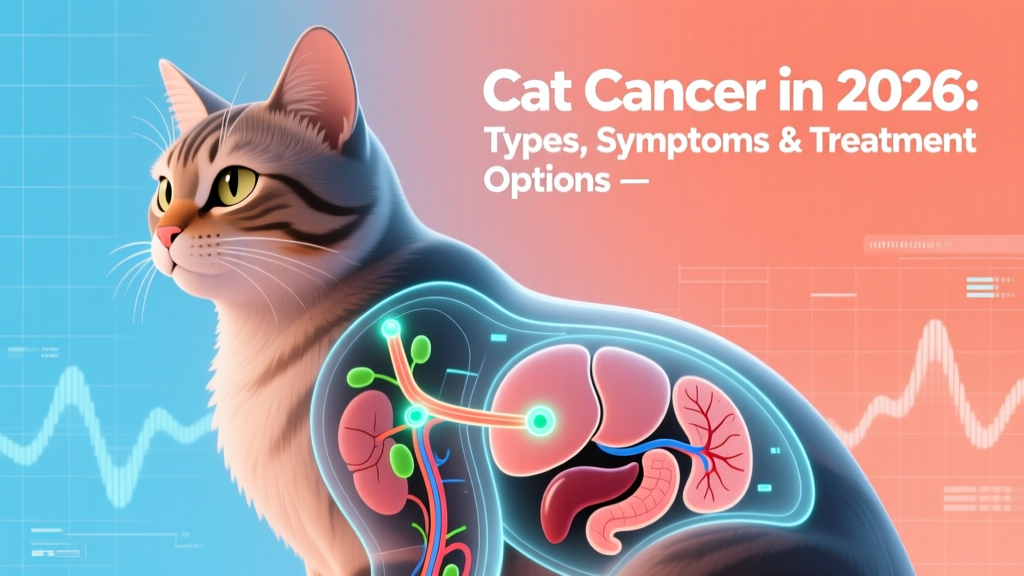
Addison’s disease happens when the adrenal glands don’t produce enough of certain hormones the body needs to function normally. Cats have two adrenal glands, one near each kidney. These glands produce several hormones, including:
- Cortisol (a “stress hormone”): helps maintain blood sugar, supports appetite and energy, helps the body respond to illness and stress, and influences the immune system.
- Aldosterone (a “salt-and-water balance hormone”): helps regulate sodium and potassium levels, hydration status, and blood pressure.
When these hormones are too low, the body can struggle to maintain normal circulation, hydration, and electrolyte balance. In some cases, a cat can develop an Addisonian crisis, a sudden, serious episode that may involve collapse, severe weakness, dangerously abnormal electrolytes, and shock.
Addison’s is rare in cats compared with dogs. Because it’s uncommon and symptoms can be nonspecific, it may not be the first thing your veterinarian suspects. Still, it’s very treatable once identified.
Two broad categories are discussed in practice:
- Primary Addison’s disease: the adrenal glands themselves aren’t working properly (often affecting both cortisol and aldosterone).
- Secondary Addison’s disease: the problem originates higher up in the hormone “control system” (typically the pituitary gland), leading mainly to low cortisol. Aldosterone may be normal in some secondary cases.
3. Symptoms and warning signs to watch for
Addison’s disease often looks like a “wax and wane” illness—your cat may seem unwell for a day or two, then improve, then worsen again. Signs can be mild early on and become more obvious over time.
Common symptoms cat owners may notice:
- Low energy, lethargy, hiding more than usual
- Weakness or reluctance to jump
- Poor appetite or refusing food
- Weight loss over weeks to months
- Vomiting and/or diarrhea (may come and go)
- Dehydration (tacky gums, reduced skin elasticity)
- Increased thirst and urination in some cats
Possible signs your cat may be in more serious trouble:
- Marked weakness, stumbling, or collapse
- Very slow heart rate (not something most owners can detect reliably, but your vet may mention it)
- Pale gums, cold extremities, or signs consistent with shock
- Severe vomiting/diarrhea or inability to keep water down
Because these signs overlap with many other conditions (intestinal disease, pancreatitis, kidney problems, toxin exposure, hyperthyroidism, etc.), a veterinary exam and testing are essential.
4. Causes and risk factors
In cats, Addison’s disease is rare enough that large studies are limited. Your veterinarian will focus less on “why it happened” and more on confirming the diagnosis and stabilizing your cat. Still, understanding potential causes can help the condition make sense.
Potential causes include:
- Immune-mediated damage: the body’s immune system may mistakenly attack the adrenal tissue (a common cause in dogs and suspected in some feline cases).
- Destruction or dysfunction of adrenal tissue: due to infiltrative disease, poor blood supply, or other adrenal disorders (rare).
- Iatrogenic causes (treatment-related): sudden withdrawal after long-term steroid use can cause temporary adrenal suppression. Also, treatment for Cushing’s disease (rare in cats) can occasionally lead to low cortisol states.
Risk factors:
- History of steroid medication (prednisolone, dexamethasone, certain topical/ear/skin steroids) used long-term
- Chronic, unexplained gastrointestinal signs plus electrolyte abnormalities on lab work
- No strong breed predisposition is consistently established in cats; any cat could be affected
If your cat has been on steroids, never stop them abruptly unless your veterinarian directs you. Tapering is often needed to allow the adrenal glands to “wake back up.”
5. Diagnosis: methods and what to expect at the vet
Diagnosing Addison’s disease is a step-by-step process. Your veterinarian will start by assessing stability (hydration, temperature, heart rate, blood pressure) and then recommend lab testing.
Common diagnostic steps:
- Physical exam: checking hydration, abdominal comfort, body condition, pulse quality, and overall alertness.
- Baseline bloodwork (CBC and chemistry panel): may show dehydration markers, low blood sugar, and/or electrolyte abnormalities.
- Electrolytes: Addison’s often causes low sodium and high potassium when aldosterone is deficient. This pattern can be a major clue.
- Urinalysis: helps evaluate hydration and kidney function and rules out other issues.
- ACTH stimulation test (key confirmatory test): your cat’s cortisol is measured before and after an injection of ACTH (a hormone that “asks” the adrenal glands to produce cortisol). In Addison’s, cortisol remains low.
- Additional hormone testing: in select cases, your vet may assess aldosterone levels or run tests to distinguish primary vs secondary adrenal insufficiency.
- Imaging (ultrasound): may be recommended to evaluate the adrenal glands and rule out other abdominal disease, especially if vomiting/diarrhea is prominent.
What it’s like as an owner: Expect a blood draw (sometimes more than one), possibly a short day-hospital stay for the ACTH test, and a discussion about supportive care if your cat is dehydrated or unstable. If your cat is very ill, stabilization (fluids, electrolyte correction) may happen before or alongside diagnostic testing.
6. Treatment options (medical, surgical, home care)
Treatment depends on whether your cat is stable or in crisis, and whether aldosterone is affected. Most cases are managed medically with lifelong hormone replacement and periodic monitoring.
Medical treatment
For cortisol replacement (glucocorticoids):
- Prednisolone is commonly used in cats. The dose is typically low for maintenance but may need to be increased during stress (boarding, travel, illness, surgery).
For aldosterone replacement (mineralocorticoids), if needed:
- DOCP (desoxycorticosterone pivalate) injections are used in many pets with primary Addison’s and are given on a schedule determined by your veterinarian.
- Fludrocortisone is an oral option in some cases, though your veterinarian will decide what’s most appropriate for your cat.
Supportive care:
- Fluids (often IV) to correct dehydration and support blood pressure
- Electrolyte management, especially if potassium is dangerously high
- Anti-nausea medication and appetite support when needed
Surgical treatment
Surgery is not a typical treatment for Addison’s disease itself. If imaging reveals another adrenal issue (such as a mass) contributing to symptoms, your veterinarian may discuss referral options, but true Addison’s is usually managed medically.
Home care: practical steps you can do immediately
- Give medications consistently. Set phone reminders and use a weekly pill organizer if helpful.
- Track daily basics: appetite, energy, litter box habits, and vomiting/diarrhea episodes. A simple notes app log can help your vet fine-tune dosing.
- Keep water accessible in multiple locations. Hydration matters, especially during warm weather or if your cat has GI upset.
- Plan for “stress dosing” only under veterinary guidance. Ask your vet for a written plan describing when and how to adjust prednisolone.
- Don’t stop steroids suddenly unless your vet specifically instructs it.
7. Prevention strategies and early detection tips
Because Addison’s disease is uncommon and often not preventable, the goal is early detection and avoiding medication-related adrenal suppression.
What you can do:
- Schedule regular wellness visits (at least yearly; twice yearly for senior cats). Early lab work can reveal electrolyte changes or patterns of illness.
- Ask questions about steroid use. If your cat needs steroids for allergies, asthma, or inflammatory disease, ask about the lowest effective dose and taper plans.
- Take recurring vomiting/diarrhea seriously, especially when paired with lethargy or poor appetite. “It comes and goes” can still mean a real medical issue.
- Know your cat’s normal: weight, appetite, typical playfulness, and litter box routine. Subtle changes are often the earliest clues.
- Keep copies of lab results. If you switch clinics or see an emergency hospital, having recent bloodwork can speed decisions.
8. Prognosis and quality of life
With appropriate treatment and monitoring, many cats with Addison’s disease can have a good quality of life. The key is consistency and follow-up.
What influences prognosis:
- How sick the cat is at diagnosis (crisis vs mild, chronic signs)
- Owner ability to medicate and monitor consistently
- How well electrolytes and cortisol levels stabilize on the chosen therapy
- Other underlying conditions (GI disease, kidney disease, pancreatitis) that may complicate management
Long-term monitoring usually includes:
- Recheck exams after starting therapy and after dose changes
- Periodic electrolyte checks (especially early in treatment or if using DOCP/fludrocortisone)
- Ongoing communication about appetite, vomiting/diarrhea, and energy level
Many owners find that once the correct dose is established, their cat becomes more energetic, eats more normally, and has fewer GI flare-ups.
9. When to seek emergency veterinary care
Addison’s can become urgent quickly, especially if electrolytes are dangerously abnormal or a cat can’t maintain hydration.
Seek emergency care right away if your cat has:
- Collapse, extreme weakness, or inability to stand
- Repeated vomiting or diarrhea, especially with lethargy
- Signs of dehydration (very dry/tacky gums, sunken eyes) or your cat won’t drink
- Very pale gums, cold paws/ears, or labored breathing
- A known Addison’s diagnosis and seems suddenly “off,” especially during stress (travel, boarding, new illness)
If your cat is already diagnosed with Addison’s, ask your veterinarian ahead of time what your emergency plan should be (nearest ER location, what medications to bring, and whether a temporary dose adjustment is appropriate).
10. FAQ: common questions from cat owners
Is Addison’s disease common in cats?
No. Addison’s disease is considered rare in cats. That rarity is one reason it can be overlooked. If your cat has recurring GI signs, low energy, and unusual electrolyte patterns, your veterinarian may recommend testing even though the condition is uncommon.
Can Addison’s disease look like a stomach bug?
Yes. Vomiting, diarrhea, poor appetite, and lethargy are common with many illnesses, including simple GI upset. With Addison’s, these signs often recur or don’t fully resolve, and lab work may show characteristic electrolyte changes. A veterinarian is the best person to sort out these possibilities.
Is Addison’s disease curable?
Addison’s is usually managed rather than cured. Most cats need lifelong hormone replacement. The goal is stable electrolytes, normal hydration, and a cat who feels like themself again.
Will my cat need medication forever?
Many cats with primary Addison’s do require lifelong treatment (glucocorticoid and sometimes mineralocorticoid replacement). If adrenal suppression occurred because of long-term steroid use, some cats may improve as the body recovers, but this must be assessed and managed by a veterinarian to avoid dangerous complications.
What does “stress dosing” mean, and do I do it on my own?
“Stress dosing” means temporarily increasing glucocorticoid (often prednisolone) during times of illness or major stress because the body normally produces extra cortisol in those moments. Don’t adjust doses on your own unless your veterinarian has given you a specific written plan for your cat.
What’s the most helpful thing I can do at home if my cat is diagnosed?
Be consistent with medication, keep a simple symptom log (appetite, energy, vomiting/diarrhea, water intake), and keep all recheck appointments for bloodwork. If something changes suddenly, contact your veterinarian promptly—small adjustments early can prevent bigger problems later.
If your cat is showing concerning signs—especially repeated vomiting, weakness, or dehydration—contact your veterinarian or an emergency clinic right away. Addison’s disease is rare, but it’s treatable, and early care makes a meaningful difference.
For more trusted, cat-owner-friendly health guides and wellness tips, visit catloversbase.com.