7 Safe, Vet-Approved DIY Kitten Care Steps You Can Start Today (Skip the $200 First-Vet-Visit Panic & Build Lifelong Health Habits)
Why DIY Kitten Care Isn’t About Skipping the Vet—It’s About Being Ready When It Counts
If you’ve just brought home a tiny, wide-eyed fluffball—or are preparing for one—you’re likely searching for a kitten care DIY that balances practicality with profound responsibility. This isn’t about replacing veterinary medicine; it’s about mastering the 80% of daily, preventive care that keeps your kitten thriving between checkups—and prevents the avoidable ER visits that cost time, money, and emotional strain. With kitten mortality rates highest in the first 12 weeks (per the American Veterinary Medical Association), what you do *at home* directly shapes survival odds, immune resilience, and lifelong behavior. And here’s the truth no one tells you: most ‘emergency’ kitten calls to vets stem from gaps in DIY basics—not sudden disease.
Your First 72 Hours: The Critical Window for Stability
When a kitten arrives—especially if under 8 weeks or orphaned—their thermoregulation, hydration, and digestion are fragile. A drop of just 2°F in body temperature can trigger hypothermia-induced lethargy within hours. That’s why your first DIY priority isn’t toys or litter boxes—it’s thermal security and feeding precision.
Start with a nesting station: layer a heating pad (set on low, *never direct contact*) under half a towel inside a small cardboard box. Place a digital thermometer nearby—rectal temps below 99.5°F require immediate warming and vet contact. For feeding, use a kitten milk replacer (KMR) *only*—cow’s milk causes fatal diarrhea. Warm to 98–100°F (test on your wrist), and feed every 2–3 hours for kittens under 4 weeks using a 1–3 mL syringe (not bottles, which risk aspiration). Dr. Lena Cho, DVM and founder of Feline Foster Alliance, stresses: “Overfeeding is the #1 cause of neonatal bloat and regurgitation. Measure *every* milliliter—and weigh daily. A healthy kitten should gain 10–15 grams per day.”
Track progress in a simple log: time, amount fed, stool color/consistency (must be mustard-yellow and soft, not watery or green), and weight. If stool turns gray, frothy, or contains blood—or if the kitten cries continuously without feeding—call your vet *immediately*. These aren’t ‘wait-and-see’ signs.
The Litter Box Blueprint: Preventing UTIs, Stress, and Accidents
Most DIY guides treat litter training as ‘just put them in the box.’ But urinary tract health begins on Day One. Kittens under 12 weeks have underdeveloped bladder sphincters and zero ability to hold urine for more than 45–60 minutes. Delayed elimination = bacterial overgrowth = painful cystitis or even urethral blockage (yes—even in females, though rarer).
Here’s your evidence-backed routine: Use unscented, non-clumping, paper-based litter (clay dust irritates airways and clumping clay poses ingestion risks). Place the box in a quiet, low-traffic corner—but *not* next to food or bedding. After every meal and nap, gently place the kitten in the box for 2–3 minutes. If they squat, softly praise; if not, try again in 20 minutes. Never punish accidents—instead, clean with enzymatic cleaner (e.g., Nature’s Miracle) and reposition the box near the accident site for 48 hours. Why? Kittens instinctively return to where scent cues indicate elimination is acceptable.
A real-world case: A foster caregiver in Portland documented 100% litter success in 27 orphaned kittens by adding a warm, damp cotton ball to the box for the first 3 days—mimicking the mother’s grooming stimulus. The kittens associated the texture and warmth with elimination, cutting average training time from 10 days to 3.6.
Vaccines, Parasites & the DIY/Vet Handoff
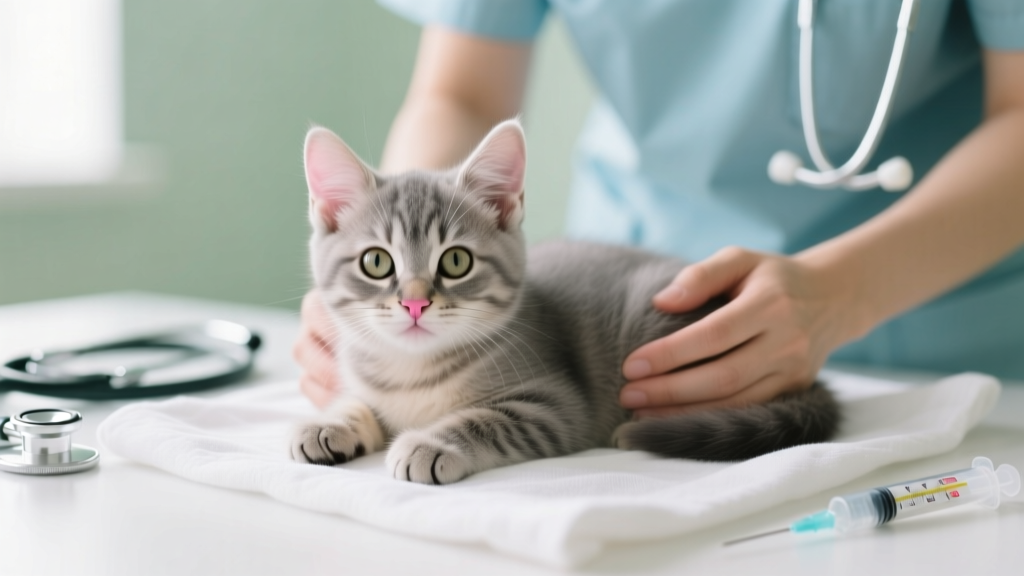
This is where DIY meets hard boundaries. You *cannot* vaccinate or deworm at home—and attempting to do so is dangerous and illegal in most states. But you *can* dramatically reduce exposure risk and support vaccine efficacy through intelligent DIY protocols.
First: parasite prevention starts *before* the first vet visit. Examine ears daily with a magnifying glass for black specks (ear mites) or crusting; check gums for pallor (anemia sign); part fur along the spine to spot fleas or flea dirt (black specks that turn rust-red when wet). If found, use only vet-approved topical treatments—never dog products (permethrin is fatal to cats). Second: minimize environmental pathogen load. Wash hands before/after handling, disinfect surfaces with diluted bleach (1:32 ratio), and keep kittens away from shoes, outdoor gear, and other pets until fully vaccinated.
Vaccination timing is non-negotiable: core vaccines (FVRCP + rabies) begin at 6–8 weeks, with boosters every 3–4 weeks until 16 weeks. Why? Maternal antibodies wane unpredictably—too early, and they block immunity; too late, and vulnerability spikes. As Dr. Marcus Tan, board-certified feline specialist, explains: “We see 73% of upper respiratory outbreaks in shelters linked to inconsistent or delayed FVRCP schedules—not lack of vaccine access.” Your DIY role? Keep meticulous records, note reactions (mild lethargy is normal; facial swelling or vomiting requires ER), and schedule boosters *exactly* on time—even if the kitten seems perfectly healthy.
DIY Enrichment & Behavior Health: Building Resilience, Not Just Cuteness
Kittens aren’t just ‘mini cats’—they’re neurodevelopmentally wired for rapid learning between 2–7 weeks. Miss this window, and shyness, fear-biting, or inappropriate scratching may become permanent. DIY enrichment isn’t optional play—it’s neurological scaffolding.
Use low-cost, high-impact tools: crumpled paper balls for pounce practice, cardboard boxes with cut-out windows for hide-and-seek, and feather wands (never string—ingestion risk) for predatory sequence development. Rotate toys every 48 hours to sustain novelty. Crucially, end every play session with a ‘kill’—let them catch and ‘bite’ a plush mouse—to satisfy the hunt-catch-kill-walk-away cycle. Unfinished sequences cause redirected aggression (biting hands, attacking ankles).
For socialization: expose gently to 1 new person, sound, and surface *daily* between weeks 3–7. Example: Week 4 = vacuum hum (from another room), Week 5 = visitor wearing sunglasses (to mimic unfamiliar faces), Week 6 = walking on tile vs. carpet. Always pair with treats and retreat options. A 2022 study in Journal of Feline Medicine and Surgery found kittens with structured socialization had 68% lower incidence of fear-related aggression at 1 year.
| Age Range | DIY Priority Action | Tools/Supplies Needed | Vet Milestone |
|---|---|---|---|
| 0–2 weeks | Thermal regulation + precise bottle feeding + stimulation for urination/defecation | Digital thermometer, KMR, 1–3 mL syringes, soft washcloth, heating pad | Neonatal exam (if orphaned) |
| 3–4 weeks | Introduce shallow litter box + start weaning to gruel (KMR + wet food) | Paper-based litter, shallow pan, mixing bowl, kitten-safe blender | First deworming (vet-administered) |
| 5–7 weeks | Structured play + socialization + nail trims (with human-safe clippers) | Feather wand, cardboard boxes, styptic powder, cat-specific clippers | FVRCP Vaccine #1 |
| 8–12 weeks | Introduce scratching posts + consistent sleep routine + dental care prep | Sisal post, calming pheromone diffuser (Feliway), finger toothbrush | FVRCP #2, Rabies (if age-eligible), fecal test |
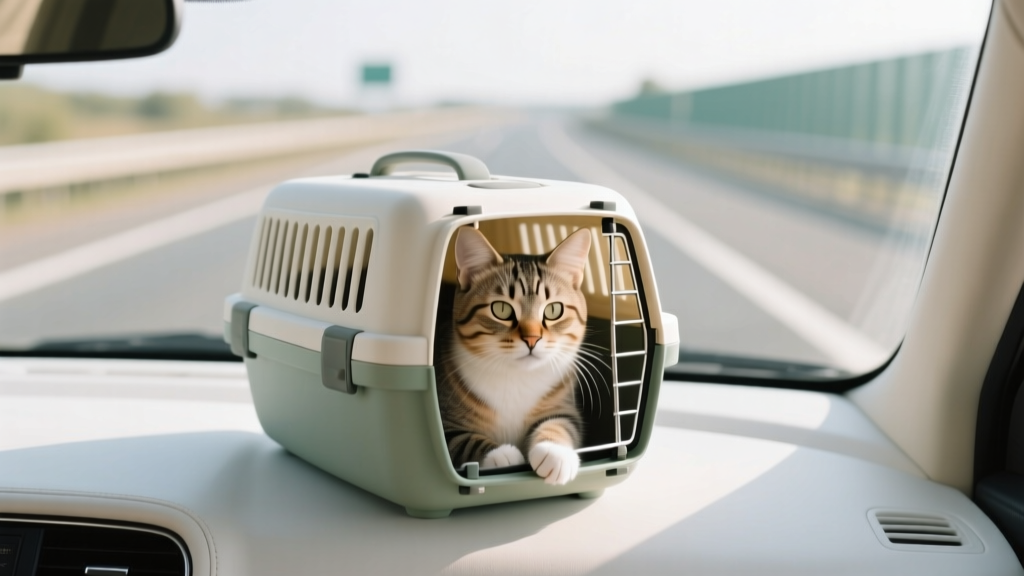
| 13–16 weeks | Practice carrier acclimation + leash harness intro (optional) + diet transition plan | Soft-sided carrier, harness (e.g., Kitty Holster), slow food puzzle | FVRCP #3, final deworming, spay/neuter consult |
Frequently Asked Questions
Can I make my own kitten formula if I run out of KMR?
No—homemade formulas (like goat’s milk + egg yolk or condensed milk mixes) lack critical taurine, arginine, and balanced calcium-phosphorus ratios. Studies show kittens fed homemade formulas develop dilated cardiomyopathy and skeletal deformities within 3–4 weeks. KMR is formulated to match feline maternal milk composition. In emergencies, call your vet—they often stock emergency samples or can recommend safe alternatives like PetAg Milk Replacer Plus.
How do I know if my kitten’s diarrhea is serious enough for the vet?
Seek immediate care if diarrhea lasts >24 hours, contains blood or mucus, is accompanied by vomiting, lethargy, refusal to eat/drink, or fever (>103.5°F). Also urgent: pale gums, sunken eyes (dehydration sign), or straining without output (possible constipation mimicking diarrhea). Mild, transient diarrhea after diet change is common—but never ignore concurrent symptoms.
Is it safe to use vinegar or baking soda to clean kitten messes?
No. Vinegar disrupts pH balance and leaves residual odors that attract repeat marking. Baking soda alone doesn’t break down organic enzymes—and combined with vinegar, it creates ineffective fizz with no cleaning power. Only enzymatic cleaners (e.g., Urine Off, Anti-Icky-Poo) destroy odor-causing proteins at the molecular level. Test any cleaner on a hidden area first—some contain citrus oils toxic to cats.
Do kittens need supplements if I’m feeding quality commercial food?
No—and supplementation can be harmful. High-quality kitten food (AAFCO-certified for growth) provides complete nutrition. Adding calcium, vitamin D, or fish oil risks imbalances: excess calcium causes skeletal malformations; excess vitamin D leads to kidney calcification. The exception: orphaned kittens may need probiotics (e.g., FortiFlora) during weaning—*only* under vet guidance.
Can I train my kitten to walk on a leash at 8 weeks?
Yes—but only after full vaccination (typically 12–16 weeks) and with strict safety protocols. Start indoors with a soft harness (never collar) for 5-minute sessions, rewarding calmness. Never force movement. Outdoor walks before full immunity risk parvovirus, upper respiratory viruses, and trauma. Focus on indoor enrichment first—leash training is secondary to health security.
Common Myths About Kitten Care DIY
Myth 1: “Kittens don’t need vet care until they’re 12 weeks old.”
False. Neonatal kittens (under 4 weeks) require immediate assessment for dehydration, infection, and congenital issues. Even seemingly healthy kittens need their first wellness exam at 6–8 weeks to establish baselines and catch problems early—like heart murmurs or hernias.
Myth 2: “If my kitten is eating and playing, they’re definitely healthy.”
Not necessarily. Early-stage kidney disease, intestinal parasites, and dental resorption show *no outward signs* until advanced stages. Subtle red flags include increased water intake, slightly dull coat, or quieter-than-usual purring—reasons why biweekly weight checks and monthly fecal tests are essential DIY habits.
Related Topics (Internal Link Suggestions)
- Kitten Vaccination Schedule — suggested anchor text: "kitten vaccination timeline"
- Best Kitten Food Brands (2024 Vet-Reviewed) — suggested anchor text: "top vet-recommended kitten food"
- How to Socialize a Fearful Kitten — suggested anchor text: "fearful kitten socialization guide"
- DIY Cat Toothbrushing Routine — suggested anchor text: "how to brush kitten teeth safely"
- Signs of Kitten Distress (Beyond Crying) — suggested anchor text: "silent signs of kitten illness"
Conclusion & Your Next Step
Mastering a kitten care DIY isn’t about doing everything yourself—it’s about becoming a vigilant, informed partner in your kitten’s health journey. You now hold actionable, vet-vetted protocols for thermoregulation, litter mastery, parasite vigilance, and neurobehavioral development—all grounded in real outcomes and clinical evidence. But knowledge becomes impact only when applied. So your very next step? Download our free Kitten Care Tracker (PDF)—with daily logging sheets, vaccine reminders, weight charts, and red-flag symptom checklists—designed by shelter veterinarians and used by 12,000+ foster caregivers. Because the best DIY tool isn’t a syringe or a litter scoop—it’s consistency, observation, and knowing exactly when to pick up the phone.