Snowshoe Cat: Rare White-Mitted Beauty
If you’ve ever wished for a cat with the chatty charm of a Siamese and the soft, “just dipped in paint” look of crisp white paws, the Snowshoe cat may steal your heart in seconds. This is one of those breeds that makes people do a double-take—striking colorpoint markings, bright eyes, and those signature white mittens that look almost too perfect to be real.
Snowshoes are still considered rare compared to many popular pedigreed cats, which only adds to their mystique. They’re also wonderfully people-focused. A Snowshoe doesn’t simply live in your home; they join your routines, follow your conversations, and often choose a favorite person to keep close company (while still being friendly with the whole family).
Whether you’re researching Snowshoe kittens, considering adopting an adult Snowshoe cat, or you’re simply a breed nerd like the rest of us, here’s a complete look at what makes this white-mitted beauty such a special companion.
Breed History and Origin
The Snowshoe cat breed began in the United States in the 1960s, when a breeder of Siamese cats noticed something unexpected: a few kittens were born with adorable white feet. That breeder, Dorothy Hinds-Daugherty of Philadelphia, saw potential in those “snowy” paws and began working to develop a consistent type—combining Siamese-like colorpoints with clean white markings and a sturdier build.
To help stabilize the look, early breeding programs included American Shorthair lines, contributing to the Snowshoe’s slightly more robust frame and often a gentler, less extreme head type than modern Siamese. Over time, dedicated breeders refined the pattern and temperament, though the breed has always been challenging to produce consistently. Getting the ideal symmetry of the facial blaze and the correct mitten placement is part genetics and part luck—one reason Snowshoes remain relatively uncommon.
Today, Snowshoe cats are recognized by major cat registries (including The International Cat Association, TICA, and others depending on region). Despite that recognition, they’re still a “you don’t see one every day” breed, which makes meeting a well-marked Snowshoe feel like a little event.
Physical Characteristics
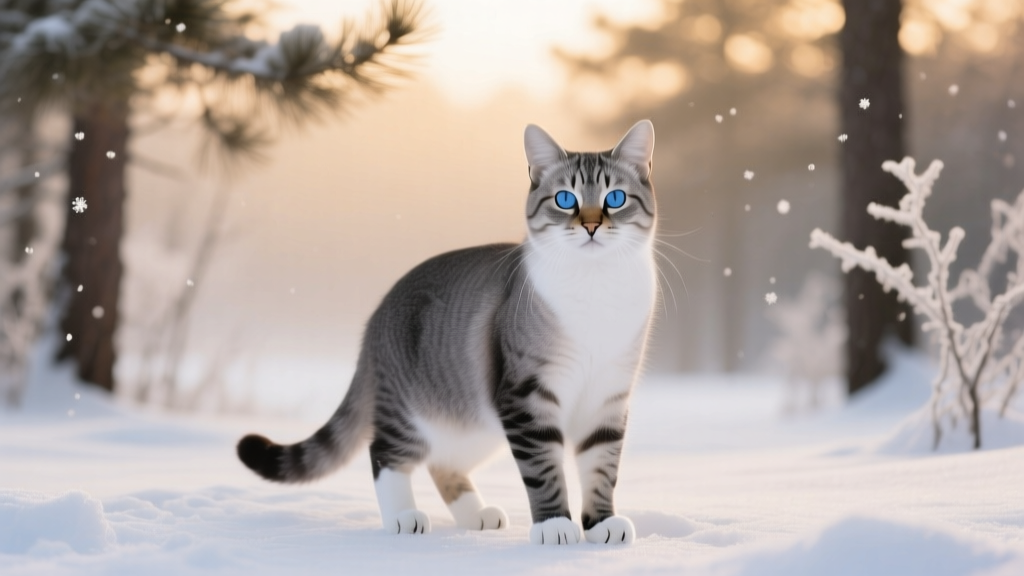
A Snowshoe cat is best described as a medium-sized, shorthaired colorpoint cat with white paws and a white facial marking (often a V-shaped blaze). They’re athletic without being wispy, elegant without being fragile—an appealing middle ground between the sleek Siamese silhouette and the sturdier American Shorthair influence.
| Feature | Typical Snowshoe Traits |
|---|---|
| Size | Medium |
| Weight | About 7–12 lb (3.2–5.4 kg); males often larger |
| Body Type | Muscular, athletic, balanced; not as extreme as some Siamese lines |
| Coat | Short to medium-short, smooth, close-lying, with a soft sheen |
| Eyes | Typically blue, ranging from pale to vivid |
| Life Expectancy | Often 12–15+ years with good care |
Coat, Colors, and Markings
Snowshoe cats have a colorpoint pattern (darker “points” on the ears, face, tail, and legs) plus distinct white markings. Kittens are usually born mostly white or very pale and develop deeper point color as they mature.
- Point colors: Most commonly seal point and blue point. Some registries may allow additional point colors depending on standards and lineage.
- White mittens: The breed’s hallmark—white “boots” on the feet. Ideally, front paws have neat mittens and the back legs show higher white boots.
- Facial blaze: Many Snowshoes have a white inverted V on the face, though the exact shape and symmetry can vary.
Distinctive Features
- White-mitted paws that look like tiny snow boots
- Blue eyes paired with a contrasting mask and points
- Balanced, sturdy elegance—a cat that looks athletic and refined at the same time
- Expressive face that often seems to “talk back” during conversations
Personality and Temperament Traits
If you love interactive cats, the Snowshoe might be your perfect match. Many Snowshoe cats inherit the Siamese-style social nature—curious, clever, and very tuned in to their humans—while often being a touch less intense than the most vocal Siamese lines.
Common Snowshoe personality traits include:
- Affectionate and people-oriented: They like being near you, whether you’re working, cooking, or relaxing.
- Playful well into adulthood: Expect zoomies, toy “hunting,” and a fondness for games like fetch.
- Smart and trainable: Many learn tricks, harness walking, and puzzle toys quickly.
- Communicative: They may “chat,” chirp, and meow to share opinions—often with a softer voice than a classic Siamese, though personalities vary.
- Gentle but not shy: Many are friendly with visitors after a brief assessment.
Because Snowshoes bond strongly, they don’t always love long stretches of solitude. A bored Snowshoe can become a creative interior decorator—especially if your counters are full of interesting objects.
Health Considerations and Common Issues
Snowshoe cats are generally healthy, especially when responsibly bred. Like all pedigreed cats (and all cats, truly), they can be prone to certain issues. Some concerns can overlap with Siamese-related lines.
- Dental disease: Tartar buildup and gum issues can occur, so dental care matters.
- Obesity risk: Their love of food plus their social nature (aka “treat negotiation”) can lead to weight gain if meals aren’t managed.
- Upper respiratory sensitivity: Not specific to Snowshoes, but any cat can be prone; a clean, low-stress environment helps.
- Heart and kidney screening: Reputable breeders often discuss family history and may screen breeding cats as recommended by veterinary guidance.
Best practice: Choose breeders or rescues that provide veterinary records, vaccinations, and clear information about lineage and health history. Schedule wellness exams at least annually (more often for seniors), and ask your veterinarian about dental cleanings and at-home tooth care.
Care Requirements (Grooming, Exercise, Diet)
Grooming
That sleek Snowshoe coat is pleasantly low-maintenance. Regular grooming keeps shedding under control and supports healthy skin.
- Brushing: 1–2 times per week with a soft brush or grooming mitt
- Nails: Trim every 2–4 weeks (or as needed)
- Ears: Check weekly; clean gently if waxy or dirty (use vet-approved products)
- Teeth: Ideally brush several times per week; dental treats can help, but they don’t replace brushing
Exercise and Enrichment
Snowshoe cats are athletic and smart—two traits that thrive with daily play. If you want a lap cat who never moves, this probably isn’t your breed. If you want a companion who plays hard and then cuddles harder, you’re in the right place.
- Daily interactive play: 15–30 minutes total (split into short sessions)
- Vertical territory: Cat trees, shelves, or window perches
- Puzzle feeders: Great for mental stimulation and slowing fast eaters
- Training: Clicker training works beautifully for Snowshoes
Diet
Feed a high-quality, complete diet suited to your cat’s age (kitten, adult, senior) and activity level. Snowshoes can be enthusiastic eaters, so portion awareness makes a big difference over time.
- Protein-forward meals: Cats are obligate carnivores—prioritize animal protein.
- Measured portions: Use a measuring cup or kitchen scale for accuracy.
- Hydration: Wet food and water fountains can encourage better fluid intake.
- Treats: Keep treats modest; use them for training and bonding.
Compatibility with Families, Children, and Other Pets
Snowshoe cats tend to fit beautifully into active, affectionate households. They often do well with respectful children who enjoy playing with them (wand toys are a favorite). Because they’re social and curious, many Snowshoes can also coexist happily with other cats and even cat-friendly dogs—especially when introductions are gradual and thoughtfully managed.
They typically thrive in homes where:
- Someone is around for companionship for part of the day
- There’s a routine for play and enrichment
- They’re treated like a true family member (because they will act like one)
If you already have pets, plan a slow introduction process with scent swapping, separate safe zones, and positive associations. Snowshoes often want to be friends, but they still appreciate having control over the pace of meeting new roommates.
Pros and Cons of Owning a Snowshoe Cat
| Pros | Cons |
|---|---|
| Striking appearance: colorpoints + white mittens + blue eyes | Rare breed; finding a Snowshoe cat or Snowshoe kittens may take time |
| Affectionate, people-focused companion | Can become lonely or bored if left alone too often |
| Smart and trainable; loves interactive play | Needs daily enrichment; may get mischievous without it |
| Low-maintenance coat; minimal grooming compared to longhairs | May be talkative—great if you like “conversations,” not ideal if you prefer silent pets |
| Often good with kids and other pets when introduced properly | Markings can vary widely; “show-perfect” symmetry is not guaranteed |
FAQ: Snowshoe Cat Breed
Are Snowshoe cats truly rare?
Yes, Snowshoe cats are considered relatively rare compared to many other pedigreed breeds. One big reason is that producing consistent, ideal white markings (mittens and facial blaze) is tricky, so fewer breeders specialize in them.
Do Snowshoe cats shed a lot?
They’re moderate shedders. Their short coat is easy to manage, and weekly brushing usually keeps loose hair under control—especially during seasonal shedding periods.
Are Snowshoe cats hypoallergenic?
No cat breed is truly hypoallergenic, including the Snowshoe. Some people with mild allergies find shorthaired cats easier to live with, but allergy responses are individual. Spending time with the breed before committing can help.
How vocal are Snowshoe cats?
Many Snowshoes are communicative and enjoy “talking” with their people. They may be less piercing than some Siamese, but they’re still likely to announce opinions, ask questions, and greet you at the door.
Do Snowshoe cats like to be held?
Many do, especially if they’re socialized early and handled gently. Some prefer to sit pressed against you rather than being carried around. Expect a cuddle bug who also likes to keep all four paws on the ground sometimes.
What kind of home is best for a Snowshoe cat?
A home that offers companionship, playtime, and enrichment is ideal. Snowshoes do best with families, couples, or individuals who enjoy interacting with their cat daily and can provide climbing spaces and engaging toys.
Snowshoe Love: A Rare Beauty with a Big Heart
A Snowshoe cat brings a wonderful blend of looks and personality: bright blue eyes, crisp white mittens, and a warm, social nature that makes them feel like a true partner in everyday life. If you’re drawn to the Snowshoe cat breed because you want an affectionate companion with a playful spark—and you don’t mind a little friendly commentary now and then—this rare white-mitted beauty can be an unforgettable match.
Wishing you many purrs, headbutts, and perfectly placed paw-prints on your heart. If you enjoyed this breed profile, explore more cat breed guides and feline favorites on catloversbase.com.