Nook Cat: Corner-Loving Cozy Breed Type
If you’ve ever met a cat who seems happiest tucked into the “coziest square inch” of your home—behind the couch, inside an open closet, or curled into the corner of a window seat—you already understand the charm that inspires the idea of the Nook Cat. This is a corner-loving, cozy breed type in the truest sense: a cat drawn to snug spaces, gentle routines, and the quiet joy of being near their people without always needing to be the center of attention.
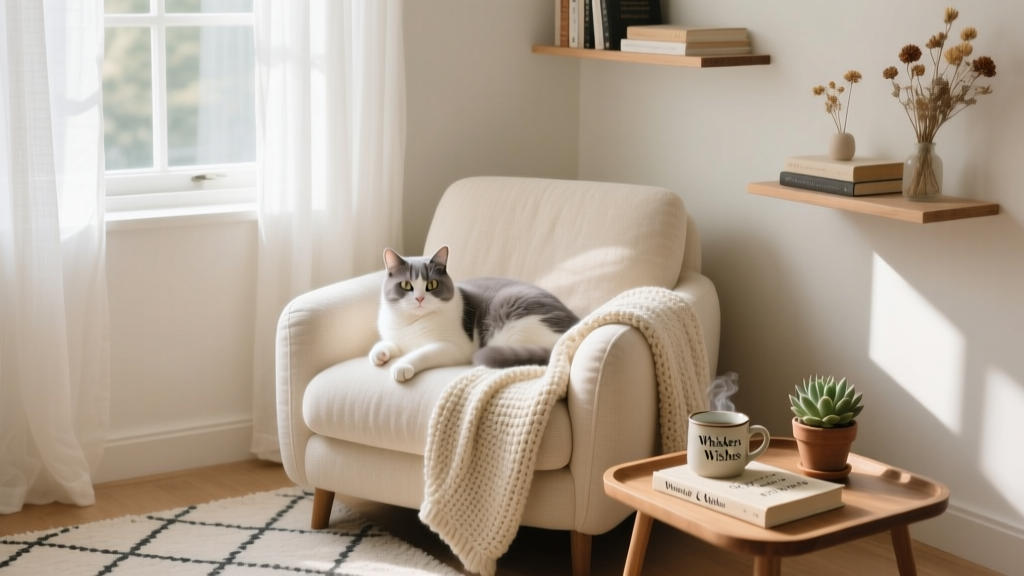
Here’s the big, honest detail up front for breed researchers: the “Nook Cat” is not a formally recognized pedigree breed (you won’t find it in CFA, TICA, GCCF, or FIFe registries). Instead, it’s best understood as a behavior-led breed type—a consistent collection of traits often seen in certain cats, especially those with calmer temperaments and a strong preference for warm, secure hideaways. Think of it as a label cat lovers use to describe a particular “vibe” and lifestyle match: the cat who claims the reading corner, makes a nest out of a blanket, and turns small spaces into royal suites.
That doesn’t make the Nook Cat any less real in day-to-day life. In fact, for many potential cat owners, this type is easier to “shop for” ethically—by focusing on personality and home fit rather than chasing a rare pedigree. If what you want is a sweet, steady companion who loves cozy corners and soft companionship, you’re in the right place.
Breed History and Origin
Because the Nook Cat is a type rather than a registry-defined breed, its “origin story” is rooted in how cats have lived alongside humans for centuries. Domestic cats evolved as adaptable hunters who also relied on safe hiding places. In homes, barns, and cities, cats that could relax in close quarters—under beds, in cupboards, behind furniture—often thrived, especially in busy human environments.
The modern Nook Cat concept likely gained popularity with:
- Apartment living: smaller spaces mean cats naturally become “micro-territory” experts.
- Indoor-only cat care: more enrichment is created indoors—cat trees, caves, window perches, and blanket forts.
- Rescue and shelter matching: adopters increasingly choose cats based on temperament (calm, cuddly, shy-but-sweet) rather than pedigree.
- Social media cat culture: countless “cave cats” and “blanket burritos” have made cozy-loving felines internet famous.
So while you won’t trace the Nook Cat to one country or founder, you can absolutely recognize it in many domestic cats—especially those bred or raised in calm households where security, routine, and gentle handling are the norm.
Physical Characteristics
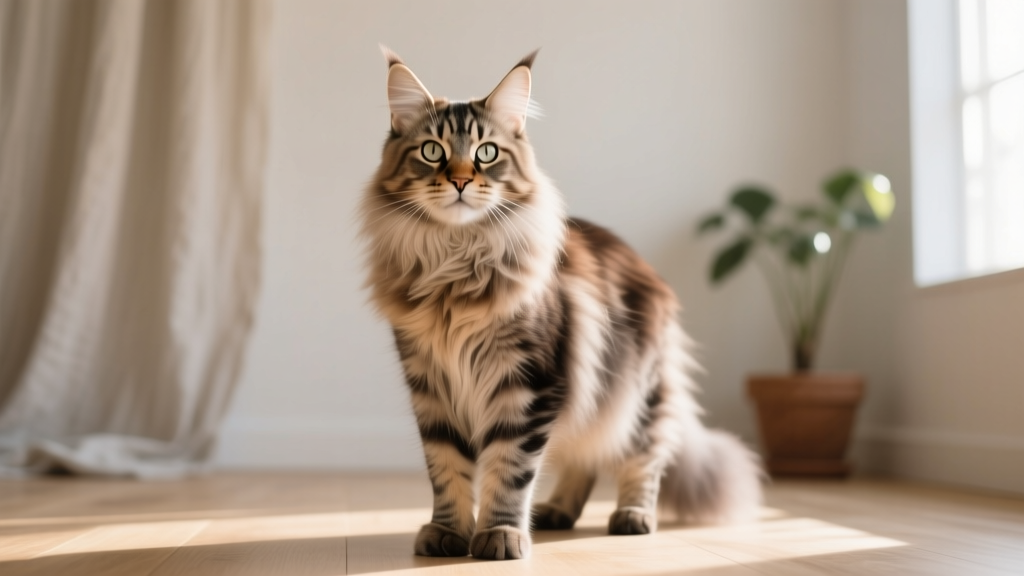
Nook Cats can appear in many looks because they’re usually Domestic Shorthair (DSH), Domestic Medium Hair (DMH), or Domestic Longhair (DLH) cats whose defining trait is their cozy temperament. That said, many Nook Cats share a “soft-featured” impression: plush coats, rounded lines, and a relaxed posture that says, “I live here now.”
| Trait | Typical Nook Cat Range |
|---|---|
| Size | Small to medium (some medium-large), generally compact and easy to handle |
| Weight | 6–12 lbs (2.7–5.4 kg); some males may be 13–15 lbs (5.9–6.8 kg) |
| Coat length | Short, medium, or long; commonly plush or dense-feeling |
| Colors & patterns | All colors and patterns (tabby, black, white, gray/blue, tortoiseshell, calico, bicolor, colorpoint mixes) |
| Distinctive features | Often rounder eyes/face; “tucked loaf” posture; strong preference for covered beds and corners |
Common “Nook Cat Look” (Not a rule, just a pattern)
- Soft coat texture: many feel like velvet or plush fleece.
- Warmth-seeking habits: you’ll find them near vents, sun patches, laptops, and blankets.
- Expressive eyes: wide, slow-blinking “I trust you” energy.
If you’re searching shelters for a Nook Cat personality, focus less on coat color and more on behaviors: choosing covered cubbies, settling quickly, and leaning into calm affection.
Personality and Temperament Traits
The heart of the Nook Cat breed type is temperament. These cats love comfort, predictability, and safe spaces. Many are affectionate without being clingy, and they often form strong bonds with one or two favorite humans.
Typical Nook Cat personality traits include:
- Cozy devotion: happiest in the same room as you—especially if a blanket is involved.
- Gentle affection: head bumps, slow blinks, soft purrs, and “polite cuddles.”
- Low-to-moderate activity: playful in short bursts, then back to their favorite corner.
- Quiet confidence (or shy sweetness): some are naturally calm; others start shy and bloom with patience.
- Routine lovers: they thrive on consistent feeding times, familiar furniture, and stable household rhythms.
Because Nook Cats value security, they may be sensitive to loud noises, frequent guests, or sudden changes (moving furniture, remodeling, a new pet arriving without a slow introduction). With the right setup, they become wonderfully steady companions—often the kind of cat who seems to “melt” when you sit down to read.
Health Considerations and Common Issues
Since Nook Cats are usually mixed-breed domestics, many benefit from the genetic diversity that can come with non-pedigree cats. Still, any cat can develop health issues, and the Nook Cat lifestyle (more lounging, more napping) can come with a few predictable risks.
Common health concerns to watch for
- Dental disease: tartar buildup and gingivitis are very common in adult cats. Regular dental checks matter.
- Weight gain: cozy cats can become sedentary, especially indoors. Extra pounds can stress joints and organs.
- Urinary issues: stress, low water intake, and diet can contribute to urinary crystals or inflammation in some cats.
- Stress-related hiding: a Nook Cat who hides constantly may be anxious, in pain, or overwhelmed—worth a vet check.
- Hairball buildup: more common in medium and long coats, especially if grooming is inconsistent.
Helpful baseline plan: annual wellness exams (twice yearly for seniors), vaccination based on lifestyle, parasite prevention as recommended by your vet, and prompt attention to changes in appetite, litter box habits, or social behavior.
Care Requirements (Grooming, Exercise, Diet)
Owning a Nook Cat is all about supporting their love of comfort while keeping them mentally and physically healthy. Think “cozy with structure”: soft beds and calm corners paired with play sessions and a smart feeding routine.
Grooming
- Shorthair: brush 1–2 times weekly to reduce shedding and hairballs.
- Medium/longhair: brush 3–5 times weekly (daily during seasonal shedding), focusing on armpits, belly, and behind the ears.
- Nails: trim every 2–4 weeks (or as needed).
- Ears and eyes: check weekly; clean only if you see debris, and use vet-approved products.
Exercise and enrichment
Nook Cats often prefer “nearby play” rather than marathon zoomies. Short, fun sessions work beautifully:
- 10–15 minutes of wand-toy play once or twice daily
- Treat puzzles or kibble-dispensing toys (great for cozy cats who snack)
- Window perches for bird-watching entertainment
- Cat caves, covered beds, and corner condos so they can feel secure
Diet
Nook Cats do best on a diet that supports lean muscle and hydration—especially if they’re indoor loungers.
- Prioritize protein: look for foods where named animal proteins are among the first ingredients.
- Support hydration: many cats drink more with a water fountain; wet food can also help.
- Portion control: measure meals and limit free-feeding if weight creeps up.
- Weight monitoring: do a monthly “body check” (ribs should be felt, not seen; waist should be visible from above).
Home setup: building the perfect “nook”
If you want a Nook Cat to thrive, give them cozy choices:
- One quiet corner bed in a low-traffic room
- A covered hideaway (cat cave, cube, or enclosed condo)
- A vertical option (cat tree) so they can perch and feel secure
- Soft blankets that smell like you
Compatibility with Families, Children, and Other Pets
Nook Cats can be excellent family cats when their need for calm space is respected. They often do best in homes that understand feline consent: let the cat approach first, offer gentle touch, and never force cuddles.
With children
- Best match: older children who can be calm, quiet, and gentle.
- Possible with younger kids: yes, with close supervision and a “cat-only” safe zone the child can’t access.
- Teach kids: no chasing, no grabbing, no disturbing the cat in their nook.
With other cats
Often compatible, especially with another mellow cat. Slow introductions are key. Many Nook Cats enjoy parallel companionship: sharing a room peacefully, napping in separate corners, and occasionally grooming.
With dogs
It depends on the dog. Calm, cat-savvy dogs can work well. High-energy dogs that rush, bark, or chase can keep a Nook Cat in hiding. Use baby gates, scent swaps, and gradual introductions.
Pros and Cons of Owning This Breed Type
| Pros | Cons |
|---|---|
|
|
FAQ: Nook Cat (Corner-Loving Cozy Breed Type)
Is the Nook Cat an official cat breed?
No. The Nook Cat is best described as a breed type or temperament category rather than a formally recognized pedigree. You can find “Nook Cat” personalities in many domestic mixed-breed cats.
How do I find a Nook Cat to adopt?
Look for cats in shelters or rescues described as gentle, calm, shy-but-sweet, couch buddy, or lap cat. When you meet them, notice whether they choose covered beds, relax in quieter corners, and warm up with slow, patient interaction.
Do Nook Cats always hide?
They often enjoy hiding spots, but constant hiding isn’t the goal. A happy Nook Cat uses their nook to recharge, then comes out for affection, meals, play, and social time. If a cat hides all day, check for stressors—or schedule a vet visit to rule out pain or illness.
Are Nook Cats good lap cats?
Many are, especially once they feel secure. Some prefer “next to you” cuddling rather than sitting directly on your lap. The keyword with this type is consent: let them choose closeness.
What’s the best home environment for a Nook Cat?
A calm home with predictable routines, a few cozy hideaways, gentle handling, and daily interactive play. They do great in apartments, quieter households, and homes where people appreciate a relaxed companion.
Do Nook Cats need a lot of exercise?
They usually need moderate exercise—short daily play sessions and enrichment. Without it, they can become bored or gain weight, even if they seem perfectly content napping.
Warm Wrap-Up
The Nook Cat may not come with a pedigree certificate, but it comes with something many cat lovers value even more: a cozy, comforting presence that turns ordinary corners into little sanctuaries. If your dream cat is a soft purr beside your book, a gentle shadow while you work, or a quiet companion who makes home feel warmer, the corner-loving Nook Cat type might be your perfect match.
Ready to meet more wonderful feline personalities and pedigrees? Explore more breed profiles and cat-lover guides on catloversbase.com.