Dragon Li: Chinese Mountain Cat Domesticated
If you love cats with a wild-looking edge but a home-friendly heart, the Dragon Li (also called the Li Hua or Li Hua Mau) is going to steal your attention fast. This breed has the gaze of a little jungle hunter, the athletic build of a natural climber, and the kind of loyal, people-focused personality that surprises anyone who assumes “wild look” means “hands-off.”
Part of the Dragon Li’s charm is the story it carries: a distinctly Chinese cat, celebrated for its roots and its striking coat pattern. It’s not a breed created by mixing a bunch of cats in a lab-like plan—its look and traits are closely tied to cats that evolved alongside people in China. For cat enthusiasts who adore “natural breeds,” that heritage is a huge part of the appeal.
Whether you’re researching rare breeds, searching for a smart and active companion, or you’ve simply fallen for those bold, eyeliner-like eyes and ticked tabby coat, this guide covers what living with a Dragon Li is really like—from history and temperament to care, health, and family compatibility.
Breed History and Origin
The Dragon Li cat is widely recognized as a Chinese native breed with deep roots. It’s often described as a domesticated cat that closely resembles the Chinese mountain cat (Felis bieti) in popular storytelling, but they are not the same animal. The Chinese mountain cat is a separate wild species, while the Dragon Li is a domestic cat breed—most closely associated with the domestic cat line (Felis catus) and natural landrace-type cats in China.
So why do people connect the Dragon Li with the “Chinese mountain cat domesticated” idea? A few reasons:
- Similar vibe: Both have a rugged, wilderness-ready look that feels “mountain-cat-ish.”
- Regional storytelling: The Dragon Li is celebrated as an iconic Chinese cat, so folklore and simplified explanations sometimes blur lines.
- Natural breed impression: The Dragon Li’s traits feel less “manmade” and more like a cat shaped by place and time.
In modern cat-fancy terms, the Dragon Li gained broader attention in the 2000s, when it began appearing in organized breeding and exhibition circles. It remains relatively rare outside of China, which adds to its mystique—and can make finding a reputable breeder more challenging than with more common breeds.
Physical Characteristics
The Dragon Li is medium-sized, athletic, and built for movement. Think “lean and powerful” rather than “chunky.” Many owners describe the breed as looking like a miniature wildcat—especially in motion—thanks to its long legs, strong torso, and alert expression.
| Feature | Typical Dragon Li Traits |
|---|---|
| Size | Medium; muscular and agile |
| Weight | Approx. 8–12 lb (3.5–5.5 kg); males often larger |
| Coat Length | Short to medium-short; dense, resilient texture |
| Coat Pattern | Brown/black ticked tabby look with distinct banding and markings |
| Eyes | Usually yellow to greenish-yellow; bright and expressive |
| Body Type | Athletic, balanced; strong legs and capable paws |
| Distinctive Look | Wild-style tabby pattern, alert face, confident stance |
Coat, Colors, and Markings
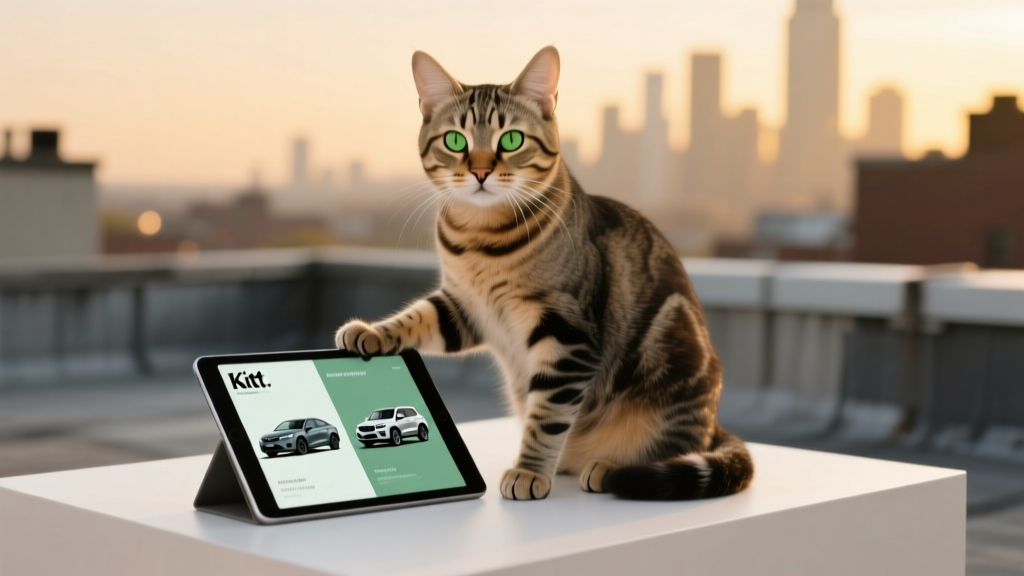
The Dragon Li is especially known for its ticked tabby appearance—each hair can show banding, creating a rich, “peppered” look. The overall impression is often a warm brown base with darker ticking and classic tabby elements (like facial lines and leg barring).
- Primary look: Brown/black ticked tabby (natural, wild-type aesthetic)
- Texture: Dense and slightly springy; meant to handle outdoor conditions (even if your cat will be indoor-only)
- Tail and legs: Often show clear rings or bars
- Face: Defined “mascara” lines and tabby facial markings that give an intense, focused expression
Personality and Temperament Traits
If you want a cat that’s interactive without being clingy 24/7, the Dragon Li often lands in a sweet spot. Many Dragon Li cats are known for being smart, observant, and loyal. They tend to form strong bonds with their people, and they often enjoy being in the same room—keeping an eye on the household like a tiny, furry security guard.
Common temperament traits include:
- Confident and alert: They notice everything. Expect “neighborhood watch” energy at the window.
- Playful and athletic: Great jumpers and climbers; they appreciate vertical space.
- People-oriented: Many become devoted to their favorite person, while still being friendly with the household.
- Independent streak: Not usually a constant lap cat, but enjoys connection on their terms.
- Hunting instincts: They love chasing toys; puzzle feeders can be a big hit.
Because they’re bright and active, Dragon Li cats do best in homes that treat playtime like a real daily ritual—not a once-a-week bonus.
Health Considerations and Common Issues
The Dragon Li is often described as a relatively robust, naturally developed breed. That said, any purebred or selectively bred population can have vulnerabilities, and individual cats can develop common feline health problems regardless of breed.
Rather than focusing on a long list of “this breed always gets X,” it’s more helpful to think in terms of smart prevention and good veterinary partnerships.
- Dental health: Like many cats, they can develop tartar and gum disease without routine care.
- Weight management: They’re athletic, but indoor life can still lead to gradual weight gain if calories outpace activity.
- Parasite prevention: Even indoor cats can be exposed; consistent flea/parasite strategy matters.
- General wellness: Keep up with vaccines, routine labs as recommended, and annual (or twice-yearly for seniors) exams.
Breeder tip for researchers and buyers: Because the Dragon Li is rarer outside China, prioritize breeders who provide clear health records, veterinary documentation, and transparent breeding practices. A reputable breeder will welcome questions and won’t rush you.
Care Requirements (Grooming, Exercise, Diet)
Grooming
Dragon Li grooming is refreshingly simple. That dense, short coat doesn’t usually mat, but it does benefit from routine brushing—especially during seasonal shedding.
- Brushing: 1–2 times per week (more during heavy shed)
- Nail trimming: Every 2–4 weeks
- Dental care: Aim for tooth brushing several times a week (even a few times helps)
- Ear checks: Weekly glance for debris or irritation
Exercise and Enrichment
This is not a “sit pretty and nap all day” breed—though they absolutely enjoy naps. Dragon Li cats thrive when their environment includes climbing, stalking, and problem-solving.
- Daily play: 15–30 minutes total, split into sessions
- Favorite toy types: Wand toys, springs, kicker toys, small “prey” plushies
- Enrichment: Puzzle feeders, treat balls, clicker training
- Vertical territory: Cat trees, shelves, window perches (highly recommended)
Diet
A Dragon Li’s athletic build looks best (and feels best) with a high-quality, protein-forward diet. Whether you choose wet food, dry food, or a mix, focus on balanced nutrition and portion control.
- Protein focus: Look for named animal proteins as primary ingredients
- Wet food benefits: Helps hydration; many cats do well with a wet-heavy routine
- Portioning: Measure meals to prevent slow weight creep
- Treat strategy: Keep treats to under 10% of daily calories
If your Dragon Li seems constantly hungry, gains weight easily, or has digestive upset, your vet can help you choose the right calorie target and formula.
Compatibility with Families, Children, and Other Pets
The Dragon Li can be a wonderful family cat when introduced thoughtfully. They often enjoy interactive households, but they also appreciate respect—especially from young children who are still learning “gentle hands.”
- With children: Usually good with respectful kids; best with children who can play appropriately and read “I need space” signals.
- With other cats: Often compatible if introductions are slow and there are enough resources (litter boxes, perches, feeding stations).
- With dogs: Can do well with calm, cat-savvy dogs; early socialization helps.
- With small pets: Strong prey drive means caution around birds, hamsters, rabbits, etc. Secure habitats are a must.
Because Dragon Li cats are alert and active, they can become the “fun police” if another pet invades their space. Give them escape routes, vertical territory, and predictable routines, and they’re much more likely to settle into a peaceful multi-pet home.
Pros and Cons of Owning a Dragon Li
| Pros | Cons |
|---|---|
| Striking wild-type beauty with a distinctive ticked tabby coat | Can be hard to find outside China; availability varies widely |
| Smart, playful, and interactive—great for engaged cat parents | Needs daily enrichment; can get bored without stimulation |
| Generally low-maintenance grooming | May be reserved with strangers at first |
| Athletic companion that enjoys climbing and training games | Prey drive can be challenging with small pets |
| Often loyal and closely bonded with family | Not always a constant lap cat (affection is often on their schedule) |
FAQ: Dragon Li (Li Hua) Cat Breed
Is the Dragon Li the same as the Chinese mountain cat?
No. The Chinese mountain cat is a wild species (Felis bieti). The Dragon Li is a domestic cat breed (Li Hua/Li Hua Mau). The Dragon Li may resemble a wildcat, which is why people sometimes mix up the story.
Are Dragon Li cats rare?
Yes, especially outside China. You may find fewer breeders and longer waitlists compared with more common breeds. Always verify breeder reputation, health documentation, and ethical practices.
Do Dragon Li cats like to cuddle?
Many are affectionate and loyal, but they’re often not “velcro cats.” They may prefer sitting nearby, following you from room to room, and asking for attention in short, meaningful bursts.
How big do Dragon Li cats get?
Most are medium-sized, typically around 8–12 lb (3.5–5.5 kg), with males often larger. They tend to look especially sleek because of their athletic build.
Is a Dragon Li good for first-time cat owners?
They can be, as long as you enjoy active play and enrichment. If you want a low-energy cat that’s content with minimal interaction, this breed may feel like more work than expected.
What kind of coat does a Dragon Li have?
The Dragon Li has a dense, short coat with a ticked tabby appearance and classic tabby markings on the face and legs. Grooming needs are usually modest—weekly brushing is often enough.
Warm Parting Thoughts
The Dragon Li is the kind of cat that makes people do a double-take: a “mini wildcat” look paired with a bright, devoted personality that thrives on real companionship. If you can offer daily play, climbing space, and a home that respects feline independence, this Chinese native breed can be an unforgettable partner—watchful, athletic, and wonderfully connected to its people.
If you’re curious about other rare and remarkable breeds (or you’re comparing the Dragon Li with other natural tabby cats), explore more breed profiles on catloversbase.com.