Cliff Cat: High-Place Comfort Breed Trait
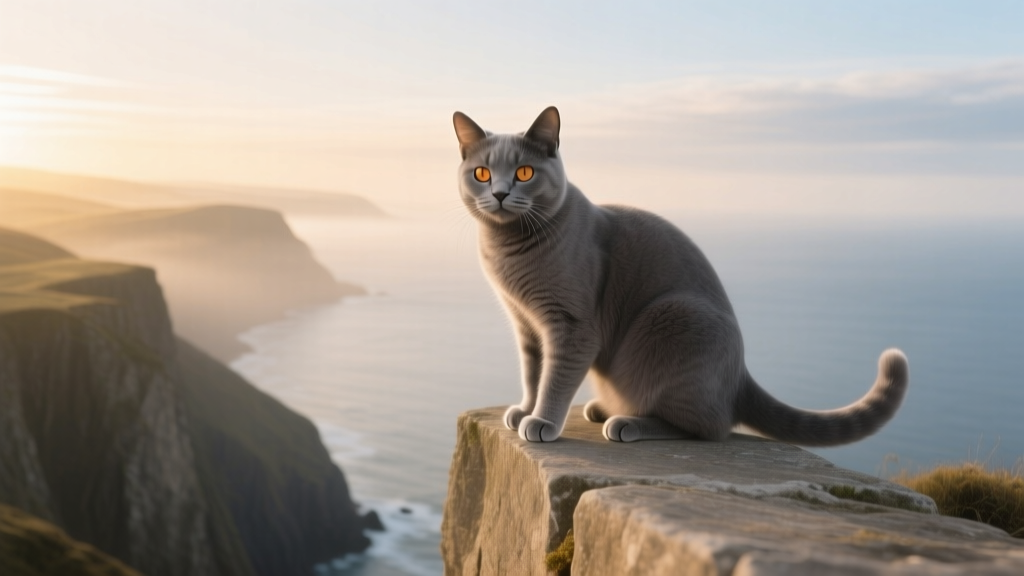
If you’ve ever watched a cat scale the highest bookshelf like it’s a personal mission, you already understand the magic behind the “Cliff Cat” idea. Some cats don’t just like elevation—they feel most at home perched above the action, curled on a cat tree summit, or supervising the household from the top of the fridge. That irresistible “high-place comfort” trait is what people often mean when they talk about a Cliff Cat.
Here’s the big (and honest) twist: “Cliff Cat” is not a recognized pedigree breed in major registries like CFA, TICA, FIFe, or GCCF. It’s a behavioral style—a cluster of instincts and preferences most commonly seen in athletic, curious, vertically-inclined cats across many breeds and mixes. Cat lovers use the term as a shorthand for the cat who treats your home like a climbing gym and chooses the penthouse suite every time.
This profile will help you understand what a Cliff Cat is, what traits to expect, which breeds most often fit the pattern, and how to set up a home that makes a high-perching cat feel safe, enriched, and adored.
Breed History and Origin
Because the Cliff Cat is a trait-based type rather than a formal breed, it doesn’t have a single origin story or founding line. Instead, the “high-place comfort” instinct reflects natural feline survival behavior:
- Safety and control: In the wild, height offers a strategic advantage—better visibility, fewer threats, and a protected resting spot.
- Hunting instincts: Cats are ambush predators. Elevated perches are natural “lookout towers” for tracking movement.
- Territory management: Cats map their environment in 3D. Vertical space expands territory without expanding floor space.
Over time, humans selectively bred cats for looks, coat types, and temperament, but many breeds retained (or even emphasized) athleticism and climbing behavior. Today, when people describe a “Cliff Cat,” they’re often talking about a cat whose genetics and personality combine into an agile, confident climber—one who prefers to lounge high and observe.
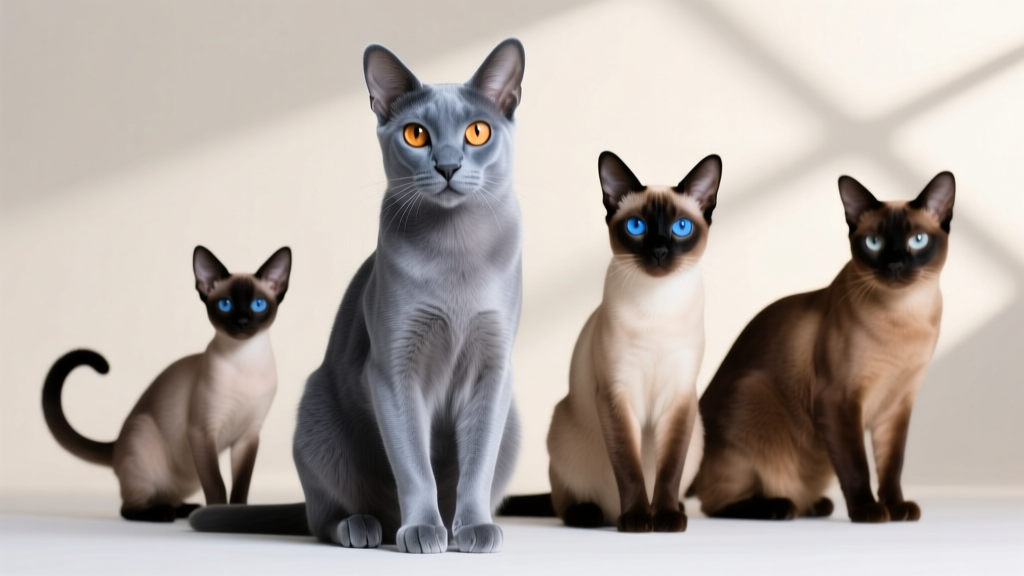
Breeds commonly associated with Cliff Cat behavior (not exclusive, just common): Abyssinian, Bengal, Savannah (where legal and ethical), Oriental Shorthair, Siamese-type cats, Maine Coon, Norwegian Forest Cat, Turkish Van, and many spirited domestic shorthairs and longhairs.
Physical Characteristics
Since Cliff Cat isn’t a standardized breed, physical traits vary widely. What tends to show up consistently is athletic structure—cats built to jump, balance, and climb. Below is a practical “trait profile” that many Cliff Cats share.
| Trait | Typical Cliff Cat Range | What You’ll Notice at Home |
|---|---|---|
| Size | Medium to large (varies by breed/mix) | Longer lines, sturdy legs, often “taller” presence |
| Weight | 7–18 lbs (3.2–8.2 kg) | Lean athletes or big-bodied jumpers; muscle matters more than scale |
| Coat | Any: short, medium, long | Shedding and grooming needs depend on coat length |
| Colors/Patterns | All colors and patterns | From solid black to tabby, bicolor, colorpoint, spotted |
| Distinctive features | Strong hindquarters, flexible spine, good balance | Confident leaps, “parkour” turns, precise landings |
Common physical clues that you may have a Cliff Cat type:
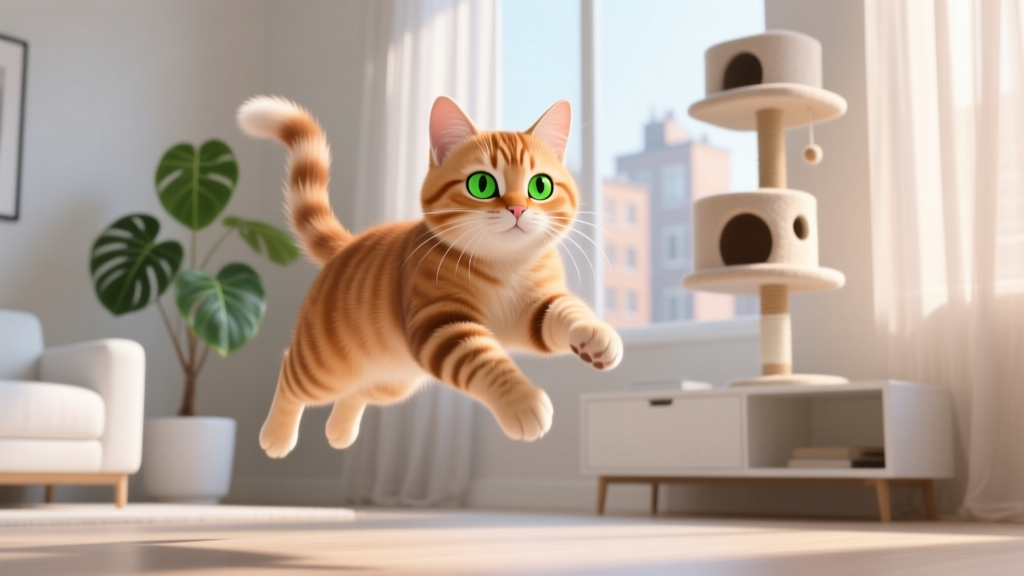
- Excellent vertical jump and controlled landings
- Curiosity-driven exploration of shelves, cabinets, and curtain rods
- Enjoyment of narrow ledges and high cat trees (good balance and confidence)
- Athletic play style—pouncing, climbing, chasing, and “surveying”
Personality and Temperament Traits
A Cliff Cat’s signature is the combination of confidence + curiosity + vertical preference. Many are affectionate, but they often show love on their own terms—by choosing a perch near you, following you from room to room (from above), or supervising your activities like a tiny, judgmental mountain lion.
- Perch-loving: High shelves, cat trees, and window hammocks are prime real estate.
- Observant and engaged: They like to watch everything—birds outside, people inside, and especially your hands when you cook.
- Playful and energetic: Many Cliff Cats thrive on interactive play and puzzle-style enrichment.
- Smart (and sometimes mischievous): If there’s a way up, they’ll find it. If there’s a closed door, they’ll question your decisions.
- Potentially sensitive to stress: Height is comfort. In chaotic homes, they may retreat upward to self-soothe.
Not every climber is wild or “too much.” With the right setup, Cliff Cat types can be wonderfully adaptable, social companions—just with a strong preference for vertical territory.
Health Considerations and Common Issues
Because Cliff Cat is not a single breed, health risks depend on the individual cat’s genetics (breed background), lifestyle, and care. That said, high-climbing cats have a few practical health and safety considerations that show up more often.
Common health/safety concerns for high-perching cats:
- Fall injuries: Sprains, bruises, or (rarely) fractures can happen—especially with slippery surfaces or unstable furniture.
- Nail and paw wear: Frequent climbing can lead to snagged nails if scratching surfaces aren’t available.
- Arthritis later in life: Athletic cats still age. Seniors may need easier “steps” to reach favorite spots.
- Stress behaviors: In multi-pet homes, vertical access can reduce stress; without it, a Cliff Cat may hide or overreact.
Breed-linked issues (depends on lineage): If your Cliff Cat resembles or is known to be part Maine Coon, Norwegian Forest Cat, Bengal, Siamese-type, etc., talk to your veterinarian about screening for conditions relevant to those lines (for example, heart disease screening in certain breeds, or dental care needs). For mixed-breed cats, a good wellness plan and attention to weight, dental health, and parasite prevention go a long way.
Care Requirements (Grooming, Exercise, Diet)
Grooming
Grooming needs are determined by coat type—not by climbing behavior. Still, active Cliff Cats benefit from regular grooming because they tend to explore dusty high surfaces.
- Short coats: Brush 1–2 times per week.
- Medium/long coats: Brush 3–5 times per week to prevent tangles and mats (especially armpits and belly).
- Nails: Trim every 2–4 weeks. Provide multiple scratching options (vertical and horizontal).
- Ears/teeth: Check ears monthly; aim for regular dental care (brushing if possible, vet cleanings as advised).
Exercise and Enrichment
This is where Cliff Cats truly shine. They don’t just want toys—they want routes, levels, and missions.
- Cat trees with true height: Look for sturdy, heavy bases and tall posts.
- Wall-mounted shelves: Create a “cat highway” so your cat can travel above the floor confidently.
- Window perches: Bird TV is top-tier entertainment.
- Interactive play: Wand toys, chase games, and fetch (yes, some do) for 10–15 minutes, 1–2 times daily.
- Puzzle feeders: Great for smart cats who need mental work.
Safety tip: Anchor tall furniture, avoid unstable stacks, and use non-slip surfaces on favorite ledges. A Cliff Cat will test gravity—make sure gravity loses.
Diet
Most Cliff Cat types are active, but they can still gain weight if calories are too high or playtime drops. Feed for a lean, muscular body condition.
- High-quality complete diet: Wet food, dry food, or a combination—choose balanced formulas appropriate for age (kitten/adult/senior).
- Protein-forward nutrition: Cats are obligate carnivores; prioritize animal-based protein sources.
- Portion control: Measure meals; avoid constant free-feeding if weight creeps up.
- Hydration: Many cats drink more from fountains; wet food can also help.
Compatibility with Families, Children, and Other Pets
Cliff Cat types can be fantastic family cats when their need for vertical space is respected. Height often equals confidence—give them climbing options and they’re usually calmer, friendlier, and less likely to feel cornered.
- With children: Often good with respectful kids. High perches provide a natural “break zone” when the cat wants quiet.
- With dogs: Can do well with calm, cat-savvy dogs. Vertical escape routes are essential for smooth introductions.
- With other cats: Usually fine, especially when there are multiple perches, litter boxes, and feeding stations to prevent resource guarding.
Household setup that helps harmony:
- At least one tall cat tree in a social area (living room)
- Vertical spots in quiet areas (bedroom/office) for decompression
- Multiple scratching stations and resting spots to reduce competition
Pros and Cons of Owning a Cliff Cat Type
| Pros | Cons |
|---|---|
| Entertaining, athletic, and fun to watch | May knock items off shelves while exploring |
| Often confident and socially curious | Needs vertical enrichment to prevent boredom |
| Great “room supervisor” personality | Can get into places you didn’t realize existed |
| Vertical space can reduce stress in multi-pet homes | Requires extra home-proofing (anchoring furniture, safe ledges) |
| Thrives with training, puzzles, and interactive play | High energy cats may demand more daily playtime |
FAQ: Cliff Cat High-Place Comfort Trait
Is the Cliff Cat an official cat breed?
No. “Cliff Cat” is best understood as a trait description for cats who strongly prefer high places and show confident climbing behavior. Many recognized breeds and mixed-breed cats can fit this profile.
Why does my cat always want to sit on top of the highest shelf?
Height helps cats feel safe and informed. Your cat may be seeking comfort, surveying territory, avoiding noise, or simply enjoying a warm, quiet perch with a great view.
How do I stop my Cliff Cat from jumping on counters?
The most effective approach is to offer a better “yes” option: a tall cat tree or shelf near the kitchen so your cat can be included without being on food surfaces. Pair that with consistent counter management (keep food put away, wipe surfaces, and avoid accidentally rewarding counter visits with attention or treats).
Are Cliff Cat types good apartment cats?
Yes—if you build upward. Apartments can be ideal when you add vertical territory: tall cat trees, wall shelves, window perches, and rotating toys. A small footprint can still feel huge to a cat in 3D.
Do Cliff Cats need more exercise than other cats?
Many do. Athletic, perch-driven cats often thrive with daily interactive play and climbing opportunities. Without that outlet, they may invent their own activities (usually involving your curtains).
What’s the best cat tree for a high-place comfort cat?
Choose a stable, tall, heavy-based tree with multiple platforms and a top perch large enough for your cat to fully settle. For bigger cats, look for reinforced posts and wider beds.
Warm Wrap-Up
A Cliff Cat isn’t defined by a pedigree—it’s defined by that unmistakable joy of being up high, comfy, and fully in charge of the view. If your cat’s happiest place is the top of the tallest tower, you’ve got a natural-born vertical explorer. Give them safe climbing routes, sturdy perches, and daily play that challenges both body and brain, and you’ll be rewarded with a confident companion who turns ordinary rooms into a thrilling landscape.
If you loved this Cliff Cat trait profile and want to compare climbing-friendly breeds, temperaments, and care styles, you’re warmly invited to explore more breed profiles on catloversbase.com.