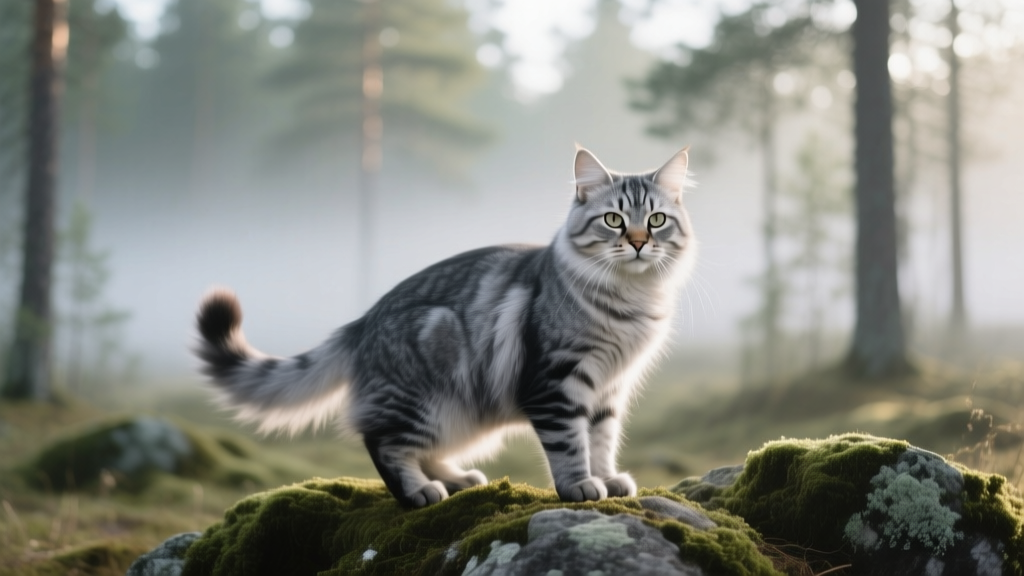
Karelian Bobtail: Finnish Working Cat
If you love cats with a purpose-built look and a proud, “I’ve got this” attitude, the Karelian Bobtail is going to steal your heart. This rare bobtailed breed comes from the rugged north—where quick reflexes, stamina, and a sharp mind weren’t just nice extras, they were everyday survival skills.
Often described as a true working cat, the Karelian Bobtail earned its reputation as a capable hunter and steady companion. Combine that natural talent with a distinctive short tail and an expressive face, and you get a breed that’s both charming and seriously capable.
For cat enthusiasts and breed researchers, the Karelian Bobtail is fascinating because it’s tied closely to its regional roots and landrace origins. For potential cat owners, the appeal is simpler: you’re looking at an athletic, loyal cat with loads of personality—one that tends to bond strongly and stay curious for life.
Breed History and Origin
The Karelian Bobtail (sometimes called the Karelian Bobtail cat) traces back to the Karelia region, an area spanning parts of northwestern Russia and eastern Finland. This is a landscape of forests, lakes, and long winters—ideal conditions for shaping a hardy, practical cat.
Unlike many modern breeds created through deliberate, show-focused breeding programs, the Karelian Bobtail is rooted in naturally occurring bobtailed cats. The shortened tail is a genetic trait that appeared and persisted in the local cat population. Over time, these cats became known for their strong hunting instincts and adaptability—qualities valued in rural communities where cats helped control rodents around homes, barns, and food stores.
While the Karelian Bobtail is recognized by some cat organizations and breed circles, it remains rare outside its region of origin. That rarity is part of the charm—and also a reason why researching reputable breeders (or legitimate breed clubs) is so important if you’re seeking one.
Physical Characteristics
The Karelian Bobtail is an athletic, medium-sized cat with a naturally short tail and a sturdy build that hints at its working-cat background. It’s built to move—quickly and efficiently—rather than to look oversized or heavy.
| Feature | Typical Karelian Bobtail Traits |
|---|---|
| Size | Medium |
| Weight | Approx. 6–12 lb (2.7–5.4 kg), males often larger |
| Body Type | Muscular, agile, balanced proportions |
| Coat | Commonly short to semi-long depending on line; dense and weather-ready |
| Colors & Patterns | Many colors/patterns possible; often seen in tabby varieties |
| Distinguishing Feature | Natural bobtail (length and shape vary) |
| Eyes | Expressive, alert; color may vary with coat |
That signature bobtail
The Karelian Bobtail’s tail is naturally shortened and may look different from cat to cat. Some are more “pom-pom,” some are slightly longer, and some may have bends or curves. This variation is normal for bobtailed breeds. The tail is part of what makes the Karelian Bobtail such a conversation starter—people notice it immediately.
Coat, colors, and overall look
Because the Karelian Bobtail is closely tied to natural regional cats, you’ll see variety in coat length and texture. Many have coats that feel practical—dense, protective, and suited for chilly climates. Patterns like tabby are common, but you may encounter a range of colors depending on lineage.
- Overall vibe: outdoorsy athlete with a bright, watchful expression
- Movement: springy, agile, and fast
- Build: firm muscle rather than bulk
Personality and Temperament Traits
The Karelian Bobtail temperament tends to reflect its working-cat heritage: alert, intelligent, and engaged with what’s happening around it. These cats often enjoy being near their people, but they also like having a “job,” whether that’s puzzle toys, play sessions, or supervising the household from a favorite perch.
Common personality traits associated with the Karelian Bobtail include:
- Highly observant: they notice routines, sounds, and changes in the environment
- Playful and athletic: expect enthusiasm for chasing, pouncing, and climbing
- Loyal bonding: many form a close attachment to one or two favorite humans
- Confident (not reckless): curious but often calculating rather than impulsive
- Strong prey drive: a natural hunter; interactive play is a must
If you’re looking for a laid-back lap cat that sleeps all day, this breed may feel too “on duty.” If you love cats that interact, communicate, and participate in daily life, the Karelian Bobtail can be an absolute joy.
Health Considerations and Common Issues
Because the Karelian Bobtail is relatively rare and not as widely documented as some mainstream breeds, definitive breed-wide health statistics can be limited. That said, bobtailed cats as a group deserve thoughtful screening, and responsible breeding practices matter.
Potential health considerations include:
- Spine and tail structure: With any bobtail cat, it’s wise to confirm that the tail mutation isn’t associated with spinal problems. A reputable breeder should prioritize sound structure and normal mobility.
- Joint and mobility checks: Active, athletic cats benefit from routine veterinary monitoring, especially as they age.
- Dental health: Like most breeds, they can be prone to tartar buildup without routine care.
- Weight management: Working-cat types often stay lean with proper play, but indoor-only lifestyles can lead to weight gain if enrichment is lacking.
When evaluating a Karelian Bobtail kitten (or adult), look for a cat that moves smoothly, jumps confidently, and shows no sensitivity around the tail base. Regular vet visits, vaccinations, parasite prevention, and age-appropriate bloodwork go a long way toward supporting a healthy life.
Care Requirements (Grooming, Exercise, Diet)
Grooming
Karelian Bobtail grooming needs depend on coat length, but overall this is a practical, manageable breed. Many have coats that don’t mat easily, yet they still benefit from routine brushing—especially during seasonal shedding.
- Brushing: 1–2 times weekly for short coats; 2–3 times weekly for semi-long coats
- Nails: trim every 2–4 weeks (or as needed)
- Ears: check weekly; clean only if debris is present and your vet recommends it
- Teeth: brushing several times weekly is ideal; dental treats can help but aren’t a full substitute
Exercise and enrichment
This is where the “Finnish working cat” energy really shines. A bored Karelian Bobtail may invent its own entertainment (which can mean redecorating your shelves). Give them an outlet and they’ll thrive.
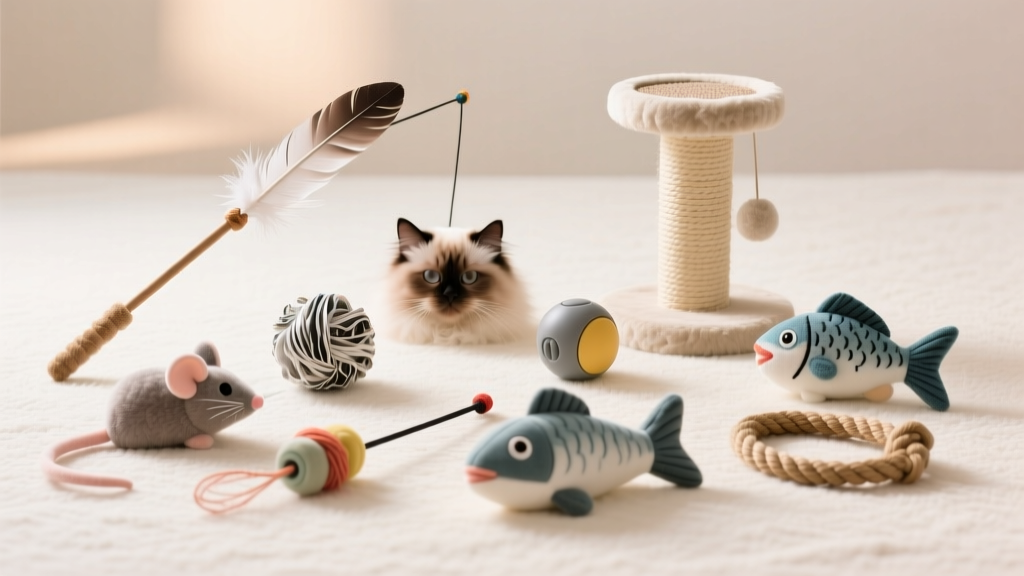
- Daily interactive play: 15–30 minutes (split into sessions)
- Climbing options: tall cat trees, wall shelves, or window perches
- Hunting-style games: wand toys, chase toys, treat puzzles
- Training: many enjoy clicker training, target training, or learning tricks
Diet
Feed for lean muscle and steady energy. A high-quality, protein-forward diet—whether wet food, dry food, or a vet-approved combination—tends to suit athletic cats well. Portion control matters if your Karelian Bobtail lives indoors and doesn’t have extensive daily activity.
- Protein first: look for named animal proteins as primary ingredients
- Hydration: wet food and water fountains can encourage drinking
- Routine: consistent mealtimes help with weight and digestion
- Vet guidance: adjust calories based on age, activity level, and body condition
Compatibility with Families, Children, and Other Pets
The Karelian Bobtail can be a wonderful family cat for households that enjoy an interactive, engaged companion. This breed often does best with people who appreciate play and will respect a cat’s boundaries—especially during busy moments.
- With children: typically good with cat-savvy kids who play gently and allow the cat to retreat when needed
- With dogs: can do well with calm, respectful dogs after a slow introduction
- With other cats: often fine with proper introductions and enough space/resources
- With small pets: caution recommended due to strong prey drive (birds, rodents, and similar pets should be securely housed)
If your home is lively, provide safe “off-duty” spaces: a quiet room, a high perch, or a cozy covered bed. Working-cat personalities love engagement, but they also value control over their environment.
Pros and Cons of Owning This Breed
| Pros | Cons |
|---|---|
| Distinctive natural bobtail and striking, athletic look | Rare breed; finding reputable sources can take time |
| Smart, curious, and fun to train | Needs daily enrichment; boredom can lead to mischief |
| Engaged companion with strong bonding tendencies | May be “too busy” for those wanting a low-energy lap cat |
| Generally manageable grooming needs | Prey drive may be challenging with small pets |
| Working-cat stamina and confidence | Bobtail structure should be evaluated carefully for healthy mobility |
FAQ: Karelian Bobtail
Is the Karelian Bobtail a good indoor cat?
Yes—if you meet its activity needs. The Karelian Bobtail can do very well indoors with daily interactive play, climbing opportunities, and puzzle toys. Many owners also use secure catios or harness training for safe outdoor time.
How big does a Karelian Bobtail get?
Most are medium-sized, typically around 6–12 lb (2.7–5.4 kg), with males often larger than females. They tend to look muscular and athletic rather than bulky.
Do Karelian Bobtails shed a lot?
They can shed seasonally, especially if they have a denser coat. Regular brushing helps manage loose hair and keeps the coat looking neat.
Are Karelian Bobtails cuddly?
Many are affectionate and loyal, but often in an “I’ll be near you” way rather than constant lap-sitting. Expect companionship, following you from room to room, and enthusiastic play—plus cuddles on their terms.
Is the bobtail trait safe?
A natural bobtail can be perfectly healthy, but any bobtailed breed should be assessed for good spine and tail structure. Choose reputable breeders and confirm kittens move comfortably, with no signs of pain or weakness around the back end.
How rare is the Karelian Bobtail?
Quite rare in many countries, especially outside its region of origin. Availability varies, and waitlists are common when working with dedicated breeders.
Warm Final Thoughts
The Karelian Bobtail is the kind of cat that makes everyday life more interesting: alert eyes, quick paws, a clever mind, and that unforgettable short tail. For the right home—one that enjoys play, enrichment, and a cat with real working-cat spirit—this Finnish working cat can be a devoted, entertaining companion for years.
If you’re smitten by rare bobtailed breeds and want to keep learning, explore more cat breed profiles on catloversbase.com and find the feline personality that fits your home perfectly.