Harbor Cat: Port-City Adapted Breed Type
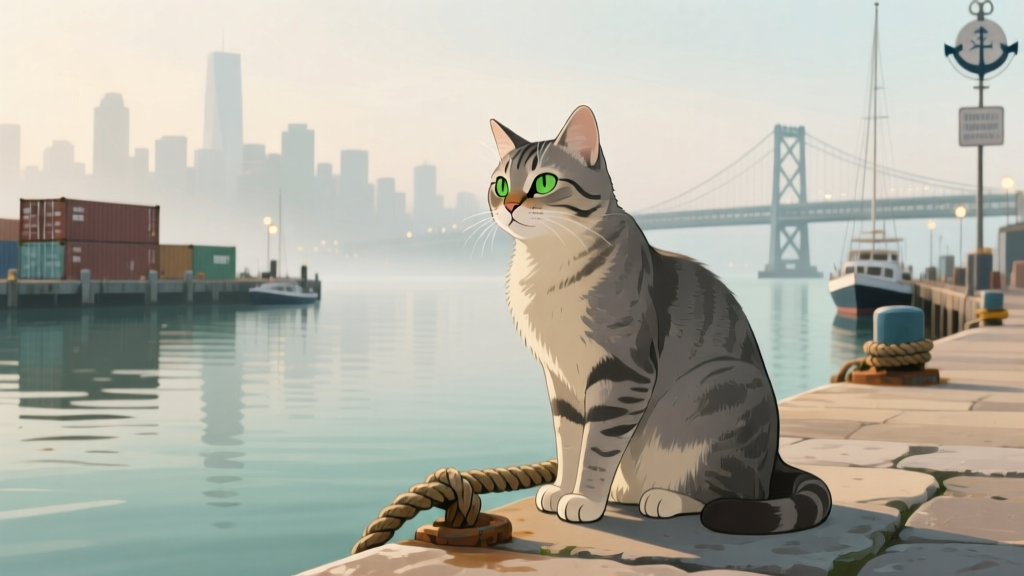
If you’ve ever watched cats weaving confidently between dock pilings, perched on a weathered bollard like it’s a throne, you already understand the charm behind the Harbor Cat. This isn’t a single, closed “pedigree breed” in the way a Persian or Siamese is—think of it instead as a breed type: a recognizable, naturally selected cat shaped by life around busy port cities, marinas, and waterfront warehouses.
Harbor Cats are the kind of cats that feel like they belong to the sea air. They’re typically sturdy, athletic, and smart, with quick reflexes and a curious mind that’s always “on duty.” Many cat lovers seek out this port-city adapted type because it blends working-cat practicality with friendly, social companion vibes—especially when raised in homes rather than strictly as dockside mousers.
Whether you’re researching regional cat types, considering a resilient family companion, or simply fascinated by cats with a “nautical neighborhood” backstory, the Harbor Cat is a wonderful one to know.
Breed History and Origin
The Harbor Cat’s story is tied to commerce and coastline life. For centuries, ships carried goods—and unfortunately rodents—between ports. Cats were welcomed aboard as natural pest control. When ships docked, some cats stayed behind, mingling with local street cats and farm cats. Over time, port cities in different regions developed their own “dock cat” look: medium-to-large bodies, weather-resistant coats, high intelligence, and a bold-but-people-savvy temperament.
Because the Harbor Cat is a landrace-style type (a naturally occurring population shaped by environment), you’ll see local variation. A Harbor Cat in a foggy northern port might trend toward a thicker double coat, while a warm-climate port population may have sleeker coats and leaner builds. What unites them is selection pressure from the same lifestyle: damp air, shifting temperatures, climbing and jumping across uneven surfaces, and frequent contact with humans.
- Roots: working cats around docks, warehouses, fish markets, shipyards
- Development: natural selection + human tolerance/feeding + occasional ship travel
- Status: “breed type” rather than a universally recognized registry breed
Physical Characteristics
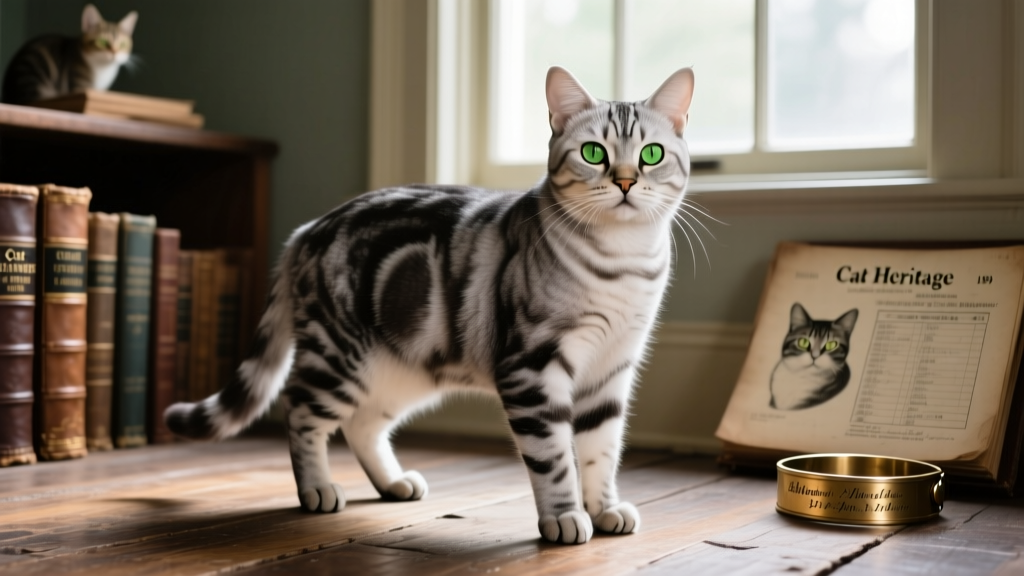
Harbor Cats tend to look like capable athletes built for balance and bursts of speed. Many have a slightly “seafaring” ruggedness—solid bone structure, strong shoulders, and paws that handle slick boards and uneven stone.
| Trait | Typical Harbor Cat Profile |
|---|---|
| Size | Medium to large |
| Weight | 8–16 lb (3.6–7.3 kg), males often larger |
| Build | Athletic, sturdy, deep chest, strong hindquarters |
| Coat | Usually short-to-medium; often dense and water-resistant feeling |
| Common Colors | Tabby (mackerel/classic), black, black-and-white, gray/blue, tortoiseshell; wide variety |
| Eyes | Often gold/green/copper; bright, alert expression |
| Distinctive Features | Thick tail base, strong whisker pads, “ready-to-work” posture |
Coat and Colors
Because Harbor Cats are not a standardized pedigree, their coats and colors vary widely. What’s common is a practical coat: dense, easy-care, and capable of handling humidity. Many have:
- Tabby patterns (excellent camouflage in urban waterfront environments)
- Bicolor coats (classic “tuxedo dock cat” look)
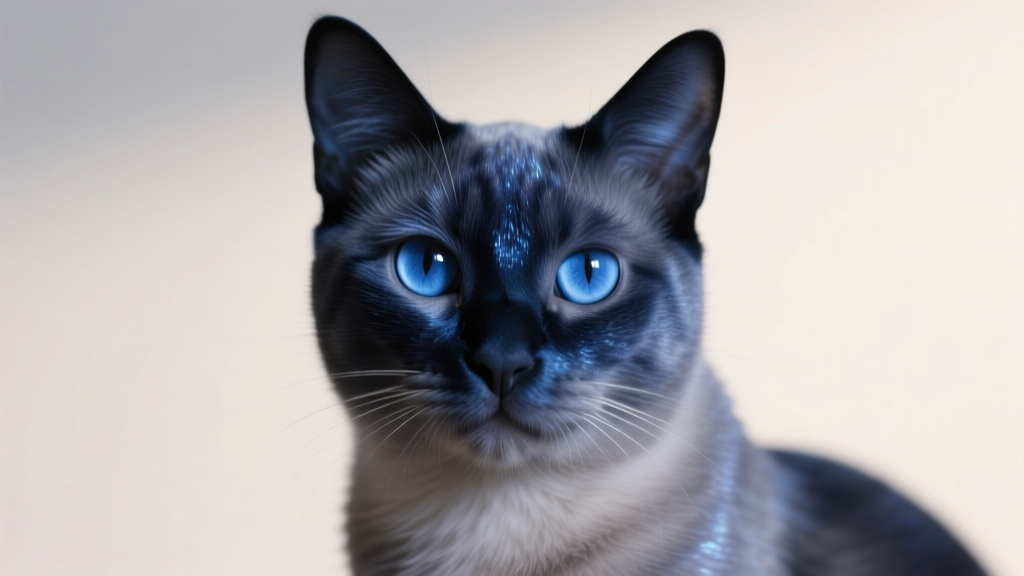
- Dark solids (black or blue/gray are common in many port populations)
Personality and Temperament Traits
If you want a cat with confidence, curiosity, and a hint of comedic swagger, the Harbor Cat delivers. These cats are often described as street-smart but affectionate, especially when socialized young. They can be independent enough to entertain themselves, yet many form intense bonds with their people.
Common Harbor Cat temperament traits include:
- Bold curiosity: They investigate sounds, bags, boxes, and new visitors without much hesitation.
- Problem-solving intelligence: Cabinet doors, puzzle feeders, and “how do I get up there?” challenges are their specialty.
- Social flexibility: Many handle households with activity and guests well, provided they have safe retreat spaces.
- Play drive: Expect stalking games, chase sessions, and energetic “zoomie laps.”
- Affection on their terms: Some are lap cats; others are “next to you” cats who enjoy proximity and conversation.
Because Harbor Cats historically worked around humans, they often develop strong people skills—eye contact, vocal requests, and a knack for showing up right when snacks appear.
Health Considerations and Common Issues
As a naturally selected type with a broad gene pool, Harbor Cats can be quite robust. That said, any cat can develop health issues, and environment plays a big role—especially for cats coming from outdoor or dockside origins.
Potential health considerations:
- Dental disease: Very common in cats generally; watch for bad breath, gum redness, or dropping food.
- Parasites: Fleas, ear mites, intestinal worms—more likely if the cat has a history outdoors.
- Upper respiratory infections: Some cats from colonies may have recurring symptoms or herpesvirus-related flare-ups.
- Minor injuries: Past scrapes, old fractures, or abscess history can show up in rescued Harbor Cats.
- Weight gain indoors: Athletic cats can become “couch athletes” if playtime is inconsistent.
Best prevention is straightforward: establish a vet relationship early, keep vaccines current based on risk, use veterinarian-recommended parasite control, and prioritize dental care.
Care Requirements (Grooming, Exercise, Diet)
Grooming
Most Harbor Cats are blessed with a low-fuss coat. A weekly brush is often enough, with extra sessions during seasonal shedding.
- Brushing: 1–2 times/week (more in spring/fall)
- Nails: Trim every 2–4 weeks
- Ears: Check weekly; clean only if debris is visible (use cat-safe cleaner)
- Teeth: Ideally brush several times/week; at minimum, provide dental-friendly diets/treats and schedule cleanings as advised
Exercise and Enrichment
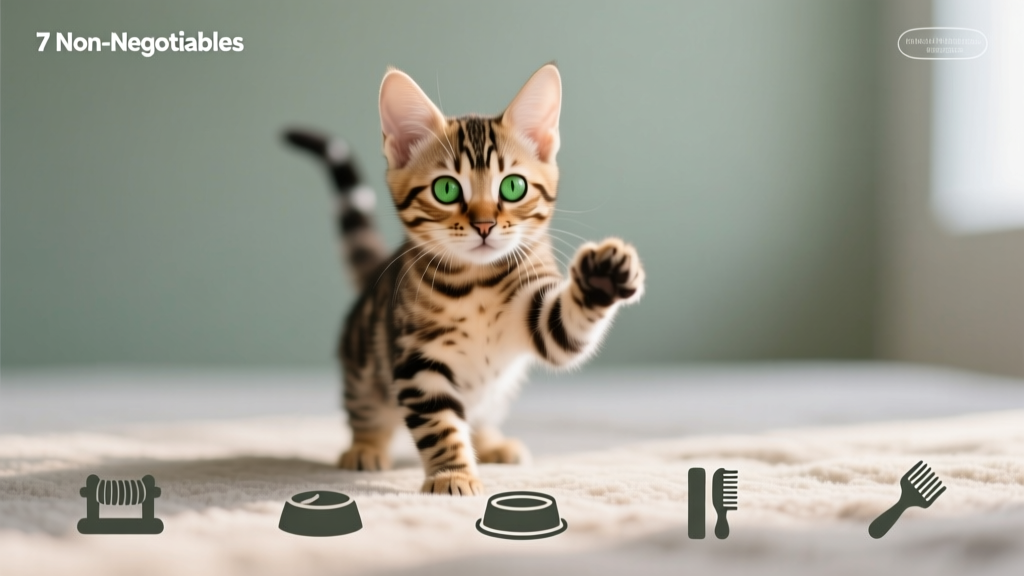
This is where the “port-city adapted” personality shines. Harbor Cats like a job, even if that job is chasing a feather wand and supervising your chores.
- Daily interactive play: 15–30 minutes (split into 2 sessions if possible)
- Climbing outlets: Cat trees, wall shelves, and window perches
- Hunting-style toys: Wand toys, kicker toys, and toy “prey” they can carry
- Puzzle feeders: Great for their busy brains and helps prevent boredom eating
Diet
Harbor Cats tend to thrive on a protein-forward diet with careful portion control. Choose a complete and balanced food appropriate for age and activity level (kitten, adult, senior).
- Protein matters: Look for named animal proteins as primary ingredients.
- Wet food benefits: Helps with hydration and often supports urinary health.
- Portion control: Athletic cats can gain weight quickly indoors—measure meals and adjust based on body condition.
- Treat strategy: Keep treats under 10% of daily calories; use treats for training and bonding.
Compatibility with Families, Children, and Other Pets
When properly socialized, the Harbor Cat can be a fantastic family companion. Their confidence and playfulness often make them a hit with respectful kids, and their adaptable nature can help them settle into multi-pet homes.
- With children: Usually great with gentle, cat-savvy kids. Teach children to avoid tail-pulling and to give the cat space when resting.
- With dogs: Many do well with calm, cat-safe dogs after slow introductions. Their boldness helps, but supervision is key early on.
- With other cats: Often compatible, especially if introduced gradually and provided multiple resources (litter boxes, feeding stations, vertical space).
- With small pets: Use caution. A strong prey drive is common in working-type cats; secure housing for birds/rodents is essential.
For best results, aim for a thoughtful setup: multiple scratching posts, at least one tall cat tree, predictable meal routines, and quiet hiding spots.
Pros and Cons of Owning a Harbor Cat
| Pros | Cons |
|---|---|
| Typically hardy with a broad genetic background | May arrive with outdoor-related issues (parasites, old injuries) if rescued |
| Smart, playful, and engaging companion | Can get bored easily without daily enrichment |
| Often social and confident with visitors | Some individuals are assertive and need clear household routines |
| Low-to-moderate grooming needs for most coats | High prey drive can be tricky with small pets |
| Great “working-cat energy” for play and training | May be vocal, especially around feeding time |
FAQ: Harbor Cat (Port-City Adapted Breed Type)
Is the Harbor Cat a recognized cat breed?
Most Harbor Cats are considered a breed type or landrace-style cat, not a single standardized pedigree recognized across major registries. You’ll see consistent traits, but also lots of natural variation.
Do Harbor Cats make good indoor cats?
Yes—many thrive indoors as long as you provide daily play, climbing space, and puzzle enrichment. Their working-cat background means they enjoy having “missions” and routines.
Are Harbor Cats affectionate or independent?
Often both. Many Harbor Cats are affectionate, people-focused companions, but they’re usually confident enough to entertain themselves. Expect a friendly shadow rather than a constant lap cat—though some absolutely become lap lovers.
How big does a Harbor Cat get?
Most fall in the 8–16 lb (3.6–7.3 kg) range, with males frequently larger. Their build is usually athletic and sturdy rather than delicate.
Do Harbor Cats have special grooming needs?
Not usually. A weekly brush, regular nail trims, and dental care go a long way. If your Harbor Cat has a thicker coat, you may need to brush more often during shedding seasons.
Where can I find a Harbor Cat?
Because this is a type, not a single breeder-defined pedigree, many Harbor Cats are found through shelters, rescues, and community cat programs—especially in coastal regions. Look for confident, social cats with sturdy builds and bright, curious temperaments, and ask about their history and health screening.
Warm Sendoff
The Harbor Cat is a love letter to waterfront living—resilient, clever, and full of personality. If you’re drawn to a cat that feels like a capable little first mate (with a soft side for couch cuddles), this port-city adapted breed type may be exactly your match. Give them a home with vertical space, interactive play, and a reliable routine, and they’ll repay you with years of companionship and bold, bright-eyed charm.
Want to meet more fascinating felines—from well-known pedigrees to regional favorites? Explore more breed profiles on catloversbase.com.