Forest Lynx: Appalachian Breed Traits
If you’ve ever heard whispers of a “Forest Lynx” cat roaming Appalachian hollows—tufted ears, wildcat look, big-hearted temperament—you’re not alone. The idea of a rugged, mountain-bred feline is irresistible to cat lovers who adore a natural, outdoorsy aesthetic wrapped in a cuddle-ready companion.
Here’s the truth that responsible breed researchers and experienced cat folks should know: the Forest Lynx is not recognized as an official, standardized cat breed by major registries like TICA, CFA, or FIFe. Most cats marketed under names like “Forest Lynx,” “Appalachian Lynx,” or similar labels are typically domestic longhairs or domestic shorthairs with a lynx-like (tufted) look, sometimes described as having lynx point coloring or a “wild” coat pattern. Some may show traits seen in well-known forest-type breeds (like Maine Coons or Norwegian Forest Cats), but that doesn’t make them a defined breed.
Still, the “Forest Lynx” label has become a popular shorthand for a certain Appalachian-inspired type: sturdy, fluffy (often), outdoorsy in appearance, and deeply people-oriented. If you’re considering a cat sold or adopted under this name, this guide will help you understand the common Forest Lynx Appalachian breed traits you may encounter—plus how to care for them and how to spot misleading claims.
Breed History and Origin
The Appalachian region has a long history of working cats—barn cats, homestead mousers, porch companions, and hardy survivors that adapted to seasonal weather swings. Over generations, local domestic cats naturally selected for:
- Weather-ready coats (especially in colder, wetter areas)
- Strong hunting instincts for rodents and small pests
- Solid, athletic bodies suited to climbing and roaming
- Confident, curious temperaments—the kind that keep a homestead lively
“Forest Lynx” is best understood as a regional nickname or marketing label rather than a documented lineage. In some cases, shelters, rescues, or private sellers use it for cats with:
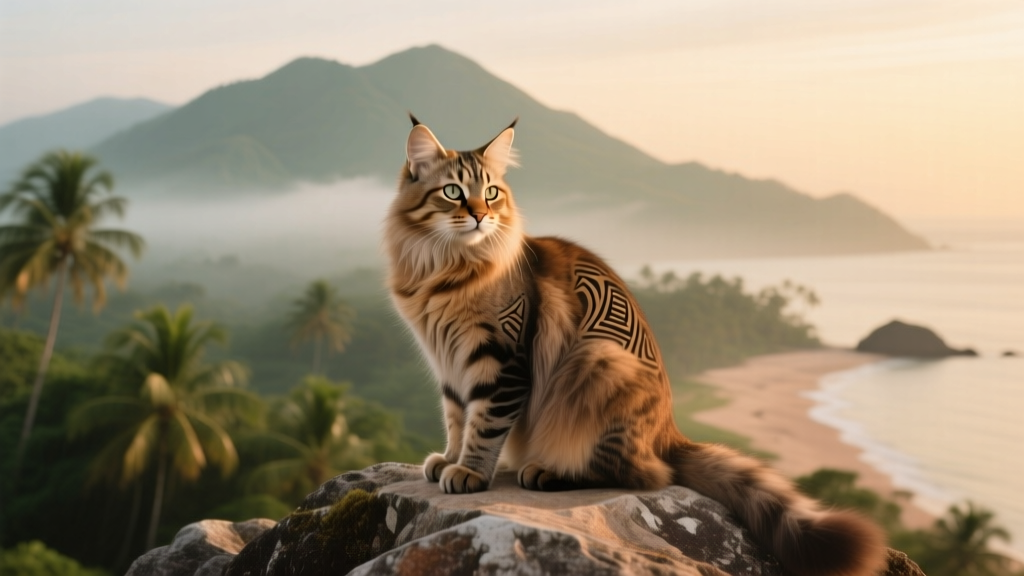
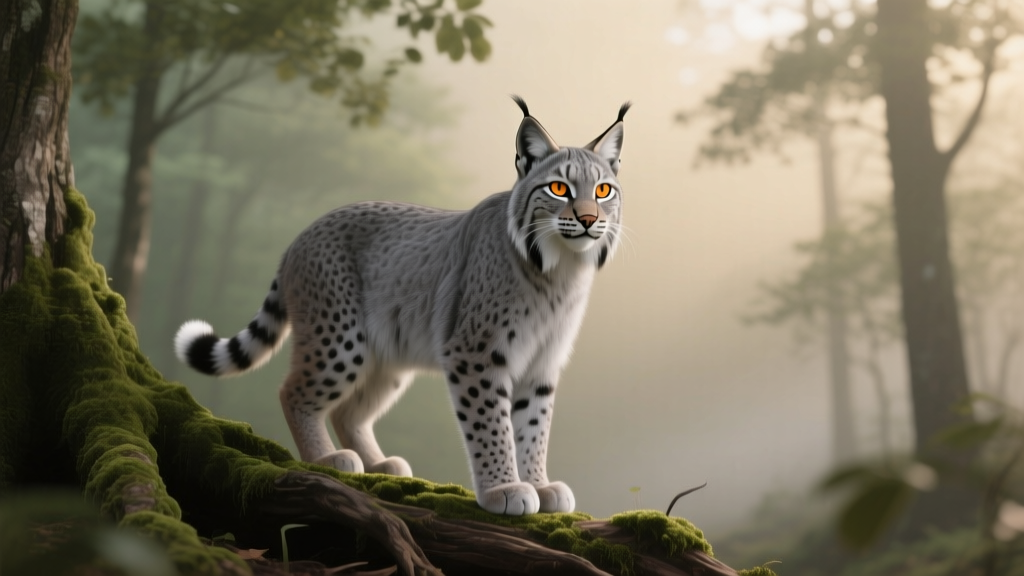
- Ear tufts (lynx tips) and prominent cheek fluff
- Tabby striping, “wild” agouti coats, or lynx point patterning
- Large paws and a bushy tail
- Ruff-like neck fur (more common in longhaired cats)
When someone claims a Forest Lynx is a “new Appalachian breed,” ask for documentation: pedigree records, registry status, and a written breed standard. Most often, what you’re actually getting is a wonderful mixed-breed domestic cat with a particularly striking look.
Physical Characteristics
Because “Forest Lynx” isn’t a standardized breed, appearance can vary widely. That said, many cats described as Forest Lynx share a recognizable forest-cat vibe: bold facial features, plush coats, and a sturdy silhouette.
| Trait | Common “Forest Lynx” Look | Why It Happens |
|---|---|---|
| Size | Medium to large | Natural variation in domestic cats; some may have forest-breed ancestry |
| Weight | 8–16 lbs (some larger) | Genetics, diet, activity level; males often heavier |
| Coat length | Short to long; many are medium-long | Domestic cat gene pool includes many coat types |
| Coat texture | Plush or slightly shaggy; may have a dense undercoat | Seasonal coat changes and inherited coat density |
| Colors/patterns | Brown tabby, silver tabby, black, tortoiseshell; sometimes lynx point | Common domestic patterns; “lynx” often refers to tabby striping |
| Distinctive features | Ear tufts, toe tufts, bushy tail, neck ruff, bold whisker pads | Normal traits in some domestic cats, especially longhaired lines |
Size and Weight
- Typical adult weight: 8–16 lbs is common; some males may exceed this, especially if they have large-frame genetics.
- Build: Usually athletic to stocky, with solid bone structure and sturdy legs.
Coat and Colors
You’ll hear “Forest Lynx” most often attached to cats with tabby striping—because “lynx” in cat-color language commonly points to tabby markings. A “lynx point” cat, for example, is a pointed cat (Siamese-like contrast) with tabby striping in the points.
- Common patterns: mackerel tabby, classic tabby, spotted tabby, ticked tabby
- Common colors: brown, black, gray/blue, silver, cream, red/orange
- Possible extras: white bibs, mittens, and blaze markings
Distinctive “Lynx” Features
- Ear tufts (lynx tips): Hair sprouting from the ear tips; can be subtle or dramatic.
- Toe tufts: Fur between toes—adorable and practical in colder climates, but also just a common longhair trait.
- Ruff and cheek fluff: A lion-ish neck and face framing, especially in winter coats.
- Bushy tail: Often carried proudly like a plume.
Personality and Temperament Traits
Temperament varies more than looks because these cats are typically mixed-background domestics. Still, many “Forest Lynx” cats share a surprisingly consistent vibe: confident, clever, and very bonded to their people.
- Affectionate but not clingy: Often nearby, supervising your day, asking for chin scratches on their schedule.
- Playful hunters: They love wand toys, chase games, and puzzle feeders—especially if they have a strong mousing instinct.
- Brave explorers: Curious about closets, windows, cat trees, and anything that looks climbable.
- Chatty in bursts: Many communicate with chirps, trills, and “brrp” sounds rather than constant meowing.
- Routine-aware: They notice dinner time. They really notice dinner time.
If you’re seeking a calm lap cat 24/7, you might get one—but you might also get a bright, busy companion who wants interactive play and a good vantage point. Either way, “Forest Lynx” cats tend to thrive when they’re treated like part of the household team.
Health Considerations and Common Issues
Without a standardized breed gene pool, there isn’t one official list of Forest Lynx health conditions. The good news is that many mixed-breed domestic cats benefit from genetic diversity. The other side of the coin is that you can’t assume any particular health profile—each cat is an individual.
Common health concerns seen in domestic cats that may also apply here:
- Dental disease: Tartar buildup and gingivitis are extremely common; routine dental care matters.
- Obesity: “Big fluffy cat” and “big healthy cat” aren’t the same thing—portion control and play are key.
- Urinary issues: Especially in males; hydration and litter box hygiene help reduce risk.
- Parasites: Fleas, ticks, and intestinal worms can be an issue—particularly in rural areas or indoor/outdoor cats.
- Coat-related matting/skin irritation: More likely in medium-long to long coats if grooming is inconsistent.
If a seller claims “Forest Lynx cats are part bobcat” or “they’re a lynx hybrid,” treat that as a major red flag. Wildcat hybrids involve complex legal, ethical, and health considerations, and they are not casually produced or sold as a folksy Appalachian house cat.
Care Requirements (Grooming, Exercise, Diet)
The best care plan is based on what’s in front of you: coat length, energy level, and overall health. Here’s a practical approach that fits most cats sold or adopted as Forest Lynx.
Grooming
- Short coats: Brush once weekly to reduce shedding and hairballs.
- Medium-long coats: Brush 2–4 times per week; focus on the ruff, belly, and behind the front legs where mats love to form.
- Long coats: Brush daily or near-daily during seasonal sheds; a wide-tooth comb plus a slicker brush is a great combo.
- Nails: Trim every 2–4 weeks.
- Ears: Check weekly, especially if they have heavy ear furnishings; clean only if needed and vet-approved.
Exercise and Enrichment
Forest-style cats crave vertical territory and “jobs.” Give them a home setup that encourages healthy movement:
- Cat tree with tall perches and sturdy platforms
- Window perches for bird-watching
- Interactive play 10–15 minutes, 1–2 times daily (wand toys, chase toys)
- Puzzle feeders or treat balls to engage the hunting brain
- Scratch options (vertical sisal + horizontal cardboard)
If you consider outdoor access, a catio or harness training is a safer alternative to free-roaming. It protects wildlife, reduces parasite exposure, and keeps your bold explorer from becoming a lost-cat poster.
Diet
- High-quality complete diet: Choose a reputable brand that meets AAFCO (or equivalent) standards.
- Protein-forward meals: Most cats do well with protein as a primary macronutrient.
- Wet food benefits: Helps hydration; useful for cats prone to urinary issues.
- Weight monitoring: Use a kitchen scale or pet scale monthly—fluffy coats hide changes.
Compatibility with Families, Children, and Other Pets
Many Forest Lynx-labeled cats make outstanding family companions, especially when socialized young and given consistent boundaries.
- With children: Often great with respectful kids who understand gentle handling. Teach children not to pull tail/ruff fur and to let the cat walk away.
- With dogs: Can do well with calm, cat-savvy dogs. Use slow introductions and give the cat vertical escape routes.
- With other cats: Usually fine if introduced gradually; confident cats may try to run the household, so provide multiple litter boxes and feeding stations.
- With small pets (birds/rodents): High prey drive is common—secure enclosures and strict separation are recommended.
Personality matters more than the label. If you’re adopting, ask the shelter about the cat’s behavior in foster care: play style, handling tolerance, and how they respond to other animals.
Pros and Cons of Owning This “Breed” Type
| Pros | Cons |
|---|---|
| Wild, lynx-like appearance with domestic-cat sweetness | Not an official breed—traits aren’t guaranteed |
| Often hardy and adaptable (many are mixed-breed domestics) | Some sellers use misleading claims (wildcat hybrid myths) |
| Playful, clever, and fun to train with routines and puzzles | High energy/prey drive can mean more enrichment needs |
| Great “household companion” vibe—usually social and involved | Longer coats may mat without consistent grooming |
| Often does well in families when properly introduced | Large frame + free-feeding can lead to obesity |
FAQ: Forest Lynx Cats
Is the Forest Lynx an official cat breed?
No. The Forest Lynx is not recognized by major cat registries as a standardized breed. It’s most often a descriptive label for domestic cats with a wild, tufted, forest-cat look.
Are Forest Lynx cats part bobcat or lynx?
In nearly all cases, no. Domestic cats can have ear tufts, tabby striping, and big coats without any wildcat ancestry. Claims of bobcat/lynx hybrid heritage should be treated with serious skepticism unless supported by credible documentation (and even then, ownership may be restricted by local laws).
How big do Forest Lynx cats get?
Many are medium to large, often around 8–16 pounds, with some individuals larger. Size depends on genetics, nutrition, and activity level.
Do they need a lot of grooming?
It depends on coat length. Shorthaired cats may only need weekly brushing, while medium-long to long coats often need brushing multiple times per week (daily during heavy shedding seasons).
Are Forest Lynx cats good with kids and dogs?
Many are, especially if they’re well-socialized and introductions are done slowly. Provide the cat with vertical space, quiet resting areas, and teach children respectful handling.
What should I look for if someone is selling a “Forest Lynx” kitten?
- Clear, honest language (no wildcat-hybrid hype)
- Vet records, vaccinations, deworming schedule
- Socialization details (handled daily, exposed to normal home sounds)
- A willingness to answer questions—and to let you meet the kitten’s environment
Warm Wrap-Up
The Forest Lynx may not be an official Appalachian cat breed, but the cats who wear this nickname often capture exactly what people love about “forest type” felines: plush coats, bold features, bright minds, and a companionable spirit that makes a house feel like home. If you’re drawn to the Forest Lynx look, focus on the individual cat’s health, temperament, and care needs rather than a label—because the best match is always the one who fits your life.
Wishing you many purr-filled days and triumphant zoomies around the living room. When you’re ready to meet more whiskered wonders, explore more breed profiles on catloversbase.com.