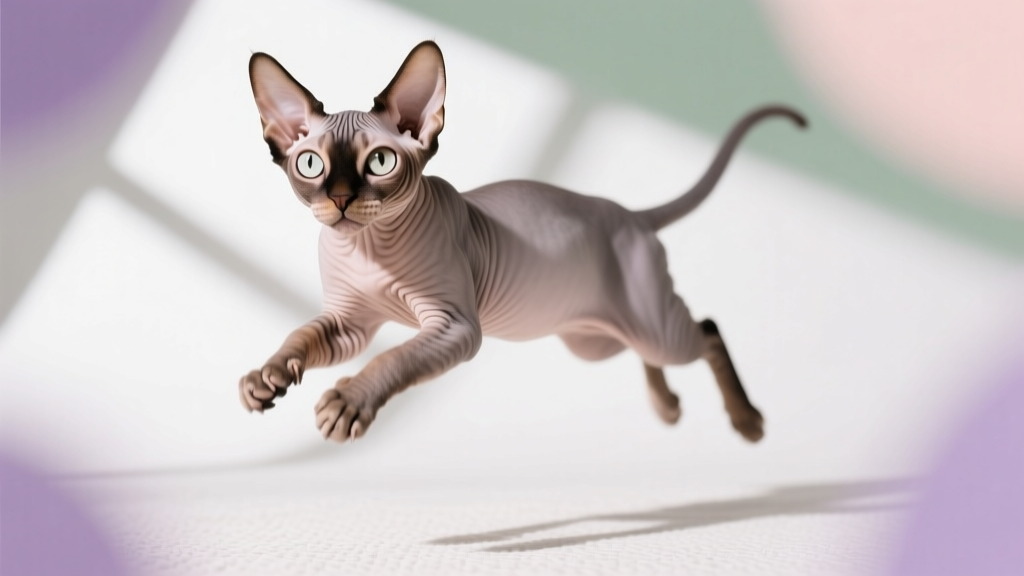
Devon Rex: The Pixie of the Cat World
If you’ve ever wished a cat could be part mischievous woodland sprite, part cuddle buddy, and part comic sidekick, meet the Devon Rex. With its huge ears, elfin face, and rippling, curly coat, this breed looks like it stepped out of a fairy tale—and then promptly jumped onto your shoulder to supervise everything you do.
Devon Rex cats are famous for their people-loving nature and playful, “always involved” attitude. They don’t just live in your home; they run the show, typically from the highest perch they can reach (or from your lap, depending on which is closer). For cat enthusiasts, potential cat owners, and breed researchers, the Devon Rex is a fascinating mix of unique genetics, standout looks, and a big personality packed into a compact body.
Let’s get to know this pixie of the cat world: where the breed came from, what makes it look so distinctive, how it behaves day to day, and what you’ll want to consider before bringing a Devon Rex kitten (or adult) home.
Breed History and Origin
The Devon Rex story begins in Devon, England, in the late 1950s. In 1960, a woman named Beryl Cox discovered a curly-coated kitten in a litter born to a stray cat near an old tin mine. That kitten, named Kirlee, became the foundation of the Devon Rex breed.
At first, breeders thought Kirlee’s curls might be related to the Cornish Rex, another curly-coated breed that originated nearby. But when Kirlee was bred to Cornish Rex cats, the kittens had straight coats. That result revealed a key fact: the Devon Rex curl comes from a different recessive gene than the Cornish Rex curl. From there, dedicated breeders carefully developed the Devon Rex line, focusing on health, temperament, and consistent breed traits.
Over time, the Devon Rex gained international recognition and earned a reputation as one of the most entertaining, affectionate, and unmistakably styled cat breeds around.
Physical Characteristics
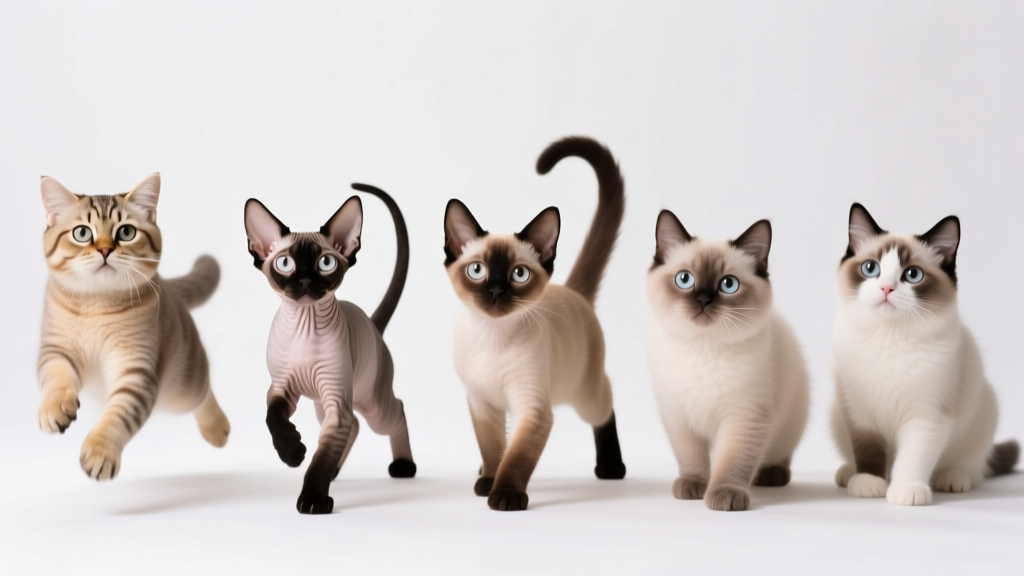
The Devon Rex is a small-to-medium cat with a surprisingly sturdy, muscular feel beneath its soft waves. Its most recognizable features are the oversized ears, wide-set eyes, and a short, curly coat that can vary from plush to delicately sparse.
| Trait | Typical Devon Rex Details |
|---|---|
| Size | Small to medium |
| Weight | Usually 6–9 lb (some may be slightly smaller or larger) |
| Body Type | Slender but muscular; fine-boned with a springy, athletic build |
| Coat | Short, soft, wavy/curly; can be thin on the belly, chest, and around the head |
| Colors & Patterns | Many colors and patterns (solid, tabby, bicolor, tortie, pointed, and more) |
| Distinctive Features | Very large ears set low on the head, prominent cheekbones, big eyes, “pixie” expression |
Coat and Colors
Devon Rex cats come in a wide range of coat colors and patterns, including black, white, blue, cream, chocolate, lilac, red, and combinations like tortoiseshell and calico. Pattern-wise, you’ll find tabbies, bicolors, colorpoints, and more—so if you have a dream look in mind, there’s a good chance a Devon Rex exists to match it.
The coat itself is the headline feature: it’s made up largely of soft down hair with a wavy, “crushed velvet” feel. Some Devons have a fuller coat than others; it’s normal for the coat to be thinner in spots. Kittens may also go through coat changes as they mature.
That Face (and Those Ears)
The Devon Rex expression is a huge part of its charm—wide eyes, a short muzzle, and prominent cheekbones create a permanently curious, impish look. The large ears aren’t just for show: they add to the breed’s signature silhouette and often tilt forward as if the cat is listening to your every thought (and planning something playful).
Personality and Temperament Traits
If you want a cat that acts like you’re the most interesting thing in the room, the Devon Rex delivers. This is a famously social, affectionate breed that bonds deeply with its people. Many owners describe their Devon Rex as “dog-like,” not because they behave exactly like dogs, but because they:
- Follow you from room to room
- Love interactive play and learning routines
- Seek warmth and closeness (laps, shoulders, blankets, you name it)
- Greet you at the door and “help” with daily tasks
Devon Rex cats are typically playful well into adulthood. They’re agile jumpers and clever problem-solvers, and they often invent their own games if you don’t provide entertainment. Expect a busy mind, a strong desire for interaction, and a kittenish sense of humor.
Vocalization varies by individual, but many Devons are communicative—more “chatty companion” than “constant yowler.” They thrive on attention, so a Devon Rex who feels lonely may become clingy or bored. If you’re away often, consider a second pet or plan for enriching activities.
Health Considerations and Common Issues
Devon Rex cats can be healthy, long-lived companions, but like all purebred cats they may have predispositions to certain conditions. Working with a reputable breeder (or a rescue that provides veterinary screening) makes a major difference.
Commonly discussed health considerations in the Devon Rex include:
- Hypertrophic cardiomyopathy (HCM): A heart condition seen in many breeds. Responsible breeders may screen breeding cats with echocardiograms.
- Patellar luxation: A knee issue where the kneecap can slip out of place, ranging from mild to more serious.
- Hereditary myopathy: A muscle weakness condition historically associated with the breed; risk management depends on careful breeding practices.
- Dental disease: Smaller mouths and individual variation can make dental care especially worthwhile.
- Skin/coat sensitivity: The short, fine coat may be associated with sensitive skin in some cats, and they can be prone to oil buildup.
Because the Devon Rex coat is thin, some individuals may feel chilly in cooler homes. You might notice your Devon seeking sunny windows, heated blankets, or your lap (which they consider prime real estate anyway).
Care Requirements (Grooming, Exercise, Diet)
Grooming
The Devon Rex is often described as “low shedding,” but it’s not a zero-maintenance coat. The curls can be delicate, and over-brushing may damage the texture. Most Devons do best with gentle care:
- Brushing: Minimal; if needed, use a very soft brush or your hands to smooth the coat.
- Bathing: Some Devon Rex cats benefit from occasional baths because oils can build up on the skin. Frequency varies—some need a bath every few weeks, others far less.
- Ears: Those big ears can collect wax. Check weekly and clean with a vet-approved ear cleaner if needed.
- Nails: Trim regularly, especially since Devons love climbing and perching.
- Teeth: Dental care is a gift to your future self—brush at home if possible and schedule vet cleanings as advised.
Exercise and Enrichment
A bored Devon Rex is a creative Devon Rex—meaning they’ll find entertainment, and you may not approve of their choices. Plan for daily play and mental stimulation:
- Interactive wand toys and fast-moving games
- Food puzzles and treat balls
- Cat trees, shelves, and window perches
- Training sessions (many enjoy clicker training and simple tricks)
They’re natural climbers and leapers, so vertical space matters. A tall cat tree near a window can be Devon Rex heaven.
Diet
Devon Rex cats tend to have lively metabolisms and strong appetites. Feed a high-quality, complete and balanced diet appropriate for your cat’s life stage (kitten, adult, senior). Helpful guidelines:
- Prioritize animal-based protein
- Measure portions to prevent gradual weight gain
- Use wet food or add moisture where appropriate to support hydration
- Offer treats strategically (great for training, not great as a main food group)
Your veterinarian can help tailor feeding amounts based on activity level, body condition score, and any medical needs.
Compatibility with Families, Children, and Other Pets
The Devon Rex is often a fantastic family cat for households that enjoy an interactive pet. They typically do well with respectful children, especially when kids are taught how to handle and play gently. Devon Rex cats tend to prefer being included rather than admired from afar.
With other pets, many Devons are social and adaptable:
- Other cats: Often a great match, especially with proper introductions and enough resources (litter boxes, feeding stations, resting spots).
- Cat-friendly dogs: Many Devon Rex cats can thrive with gentle dogs who respect boundaries.
- Busy households: Usually fine—Devons often enjoy the action—as long as they still get one-on-one attention.
If you want a cat who’s content to be independent most of the day, the Devon Rex may feel like too much of a “shadow.” If you want a companion who actively participates in your life, they’re a dream.
Pros and Cons of Owning a Devon Rex
| Pros | Cons |
|---|---|
|
|
FAQ: Devon Rex Cats
Are Devon Rex cats hypoallergenic?
No cat is truly hypoallergenic. Devon Rex cats may shed less than some breeds, but allergies are usually triggered by proteins (like Fel d 1) found in saliva and skin. Some allergy sufferers do better with a Devon Rex, but it’s individual—spend time with the breed before committing.
Do Devon Rex cats shed a lot?
Many Devon Rex cats are low-shedding, but shedding varies by individual and coat density. Some have sparse coats that drop very little hair; others have fuller coats with more noticeable shedding.
How long do Devon Rex cats live?
Many Devon Rex cats live into their teens, and some can live longer with good genetics, routine veterinary care, quality nutrition, and a safe indoor lifestyle.
Do Devon Rex cats like to be held?
Many do—often enthusiastically—though every cat has preferences. A lot of Devons enjoy being carried, riding on shoulders, or curling into arms, especially if they’re socialized gently from kittenhood.
Is the Devon Rex good for first-time cat owners?
They can be, as long as you want an interactive, attention-seeking companion. First-time owners who are gone all day with little time for play may find the Devon Rex’s social needs challenging.
Do Devon Rex cats need special grooming?
They usually don’t need frequent brushing, but many benefit from regular ear checks/cleaning and occasional bathing to manage skin oils. Gentle handling of the coat is key to keeping those curls looking their best.
Living with a Devon Rex: The Everyday Magic
Life with a Devon Rex is warm, funny, and pleasantly busy. You’ll likely gain a small supervisor who perches nearby while you cook, types alongside you during work hours, and burrows under blankets at bedtime. Their pixie appearance might be what first catches your eye, but it’s their loyal, clownish heart that makes people fall hard for this breed.
If you’re looking for a cat that’s equal parts companion, entertainer, and affectionate shadow, the Devon Rex may be your perfect match. Wishing you many cozy cuddles and many laughs with whichever feline friend you choose.
Want to meet more incredible cats? Explore more breed profiles on catloversbase.com and find the perfect fit for your home and heart.