Chartreux: France's National Treasure Cat
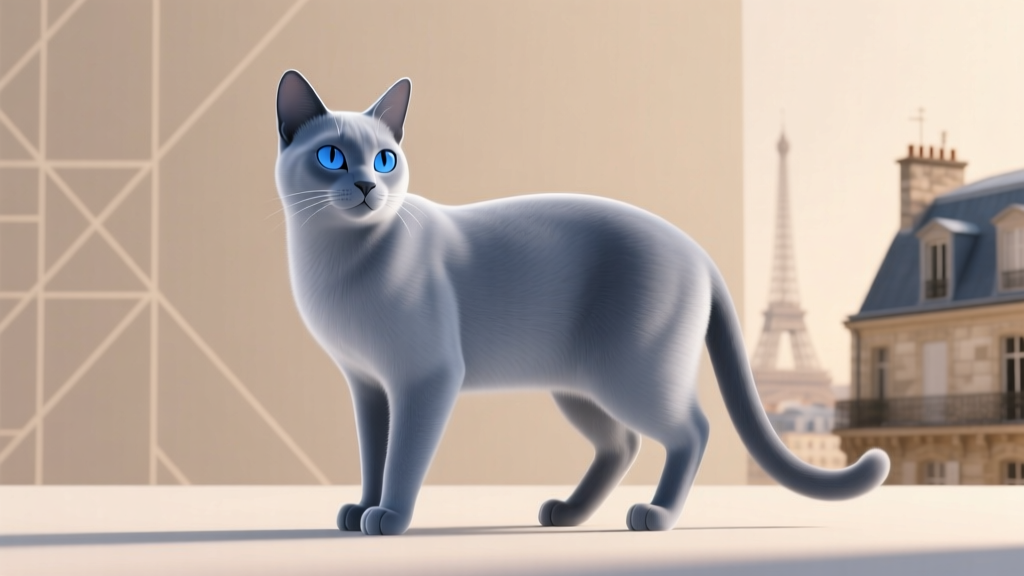
There are cat breeds that charm you with flashy patterns or dramatic fluff—and then there’s the Chartreux, a quietly stunning blue cat with an old-soul gaze and a “smile” that seems to know your secrets. One look at that plush, woolly coat and those copper-to-gold eyes, and you understand why so many people describe the Chartreux as a little piece of France curled up on the sofa.
Beloved for their calm confidence and affectionate nature, Chartreux cats are often called gentle companions rather than demanding divas. They’ll happily be near you, follow you from room to room, and participate in family life—without turning every moment into a performance. If you’re searching for a blue cat breed with a steady temperament, a soft voice, and a whole lot of heart, the Chartreux deserves a top spot on your list.
This guide covers everything cat lovers want to know: Chartreux history, physical traits, personality, health, care, and whether this French classic fits your home.
Breed History and Origin
The Chartreux is widely associated with France, where it has been treasured for centuries. Legends tie the breed to Carthusian (Chartreux) monks, though the exact connection is debated. What’s not debated is that blue cats resembling today’s Chartreux were documented in France long ago, valued for their hunting skills and hardy nature.
By the early 20th century, the breed’s identity became more formally established. French breeders worked to preserve the Chartreux type—solid blue coat, robust body, and that distinctive, sweet expression. The breed faced significant challenges during wartime, but dedicated efforts helped ensure the Chartreux didn’t disappear.
Today, the Chartreux is recognized by major cat registries and cherished worldwide as a rare, iconic French cat breed. While not as common as some blue-coated cousins, a well-bred Chartreux stands out immediately once you meet one: calm, plush, athletic, and deeply companionable.
Physical Characteristics
The Chartreux is a medium-to-large, powerfully built cat wrapped in a plush blue coat. They’re sometimes described as “rustic” or “working-cat sturdy”—not refined or delicate. Under that soft exterior is surprising muscle, especially in the shoulders and legs.
| Trait | Typical Chartreux Description |
|---|---|
| Size | Medium to large, solid and muscular |
| Weight | Often ~8–13+ lbs (females typically smaller; males can be notably hefty) |
| Coat | Dense, plush, “woolly” double coat; water-resistant feel |
| Color | Solid blue (gray) in shades from ash to slate; ideally uniform |
| Eyes | Round, expressive; gold to copper is most desired in adults |
| Head & Expression | Broad head, full cheeks (especially males), tapered muzzle; “smiling” look |
| Body | Strong neck, broad chest, sturdy legs; agile despite the stocky build |
Distinctive Features Cat People Love
- The “Chartreux smile”: The structure of the muzzle and whisker pads creates a sweet, amused expression.
- Plush, springy coat: It’s famously dense—often compared to felt or wool.
- Quiet voice: Many Chartreux are known for being less vocal than average (though every cat is an individual).
- Athletic build: They look like teddy bears but move like skilled hunters.
Personality and Temperament Traits
If you want a cat that’s affectionate without being clingy, the Chartreux temperament is a dream. These cats tend to bond strongly with their people and show their devotion by being nearby—lounging in the same room, supervising your chores, or curling up at your side once the day winds down.
Common personality traits include:
- Calm confidence: Often steady and composed, not easily rattled by normal household sounds.
- Gentle affection: They enjoy cuddles and attention, but usually on a relaxed schedule rather than constant demands.
- Playful intelligence: Many Chartreux love puzzle toys, gentle games of fetch, and interactive play.
- Observant and loyal: They may choose a favorite person but typically remain friendly with the whole household.
- Quiet companionship: Less “chatty” than some breeds; they often communicate with looks, chirps, or soft sounds.
Because they’re bright and routine-oriented, Chartreux cats often thrive with predictable mealtimes and a home environment where someone regularly interacts with them. They can be fine on their own for a typical workday, but like most social cats, they’re happiest when they get daily engagement.
Health Considerations and Common Issues
The Chartreux is generally considered a robust breed, especially when sourced from a responsible breeder who prioritizes health and sound structure. Still, every breed can have vulnerabilities, and it’s wise to plan for preventive care.
Potential Health Concerns
- Dental disease: Like many cats, they can develop tartar and gum issues without regular dental care.
- Weight gain: Their sturdy build can hide extra pounds; portion control and play are key.
- Joint comfort and mobility: Not “known for” severe joint disorders, but heavier cats can develop stiffness if overweight or inactive.
- General genetic screening: Reputable breeders typically track lines and perform appropriate health checks recommended by their registry/vet partners.
What helps most is simple, consistent wellness care: annual vet exams (twice yearly for seniors), dental attention, parasite prevention, and a plan to keep your Chartreux lean and active. A fit Chartreux is a spectacular athlete in a plush blue suit.
Care Requirements (Grooming, Exercise, Diet)
Grooming
Despite that thick double coat, Chartreux grooming is usually manageable. Their fur isn’t typically prone to heavy matting, but it is dense—so regular brushing helps remove loose hair and keeps the coat springy and healthy.
- Brushing: 1–2 times per week; increase during seasonal shedding.
- Bathing: Rarely needed; the coat can be water-resistant, so baths may take extra time and rinsing.
- Nails: Trim every 2–4 weeks depending on growth and scratching habits.
- Ears and eyes: Check weekly; wipe gently if debris appears.
- Teeth: Brush several times a week (daily is ideal) to reduce dental problems.
Exercise and Enrichment
Chartreux cats have an athletic streak. They may look plush and relaxed, but many love to climb, pounce, and stalk toys with serious focus. A bored Chartreux can become a snack-seeker—so build daily play into your routine.
- Interactive play: 10–15 minutes, 1–2 times daily (wand toys, chase games).
- Climbing: Cat trees, wall shelves, or a sturdy perch near a window.
- Brain games: Treat puzzles, rotating toys, and clicker training.
- Hunting outlets: Toss small toys for “retrieval,” hide treats for scavenger hunts.
Diet
A quality diet supports the Chartreux’s muscle and helps prevent weight gain. Many do well with a high-protein, appropriately portioned feeding plan tailored to age and activity level.
- Choose balanced nutrition: A well-formulated wet or wet/dry combo can work; prioritize animal-based protein.
- Portion control: Measure meals; avoid free-feeding if your cat is prone to gaining weight.
- Hydration: Encourage water intake with fountains and wet food.
- Treats: Keep to <10% of daily calories; use treats for training and enrichment.
Compatibility with Families, Children, and Other Pets
The Chartreux cat often fits beautifully into family life. Many are patient and tolerant, preferring respectful attention over constant handling. They can be wonderful with children who understand gentle petting and give the cat space when it wants to rest.
- With children: Typically good, especially with calm kids and supervised interactions. Teach children not to chase or grab.
- With other cats: Often compatible, especially with proper slow introductions and enough resources (litter boxes, perches, feeding stations).
- With dogs: Many can live happily with cat-savvy dogs. The Chartreux’s steady nature can help, but introductions should be gradual.
- Multi-pet homes: They appreciate routine and personal space; provide vertical territory and quiet zones.
One thing to remember: Chartreux cats can form strong bonds. If your home is busy, they’ll often enjoy being part of the action—but they still want a safe retreat where they can nap uninterrupted.
Pros and Cons of Owning a Chartreux
| Pros | Cons |
|---|---|
| Affectionate, loyal companion with a calm presence | Can be hard to find; reputable breeders may have waitlists |
| Plush, beautiful blue coat and striking golden/copper eyes | Dense coat sheds seasonally and needs regular brushing |
| Often quieter than many breeds | May gain weight if overfed or under-stimulated |
| Smart and playful—enjoys games, puzzles, and training | Strong hunter instinct may make them unsuitable around small prey pets |
| Generally robust, sturdy build | Like all breeds, needs dental care and routine vet monitoring |
FAQ: Chartreux Cats
Are Chartreux cats hypoallergenic?
No cat is truly hypoallergenic, and the Chartreux is not considered hypoallergenic. Their dense coat can shed, and allergies are usually triggered by proteins in saliva and skin rather than fur length. Some allergy-sensitive people do better with certain individuals, so a visit with the cat is the best test.
Do Chartreux cats meow a lot?
Many Chartreux are known for being relatively quiet. They can still vocalize when they want food, attention, or play, but they often communicate with body language and soft sounds instead of frequent loud meows.
What’s the difference between a Chartreux and a Russian Blue?
Both are blue cat breeds, but they look and feel quite different. The Chartreux is typically more robust and plush with a woolly double coat, rounder features, and gold-to-copper eyes. The Russian Blue is usually more slender with a sleek double coat and vivid green eyes. Temperament can overlap, but Chartreux are often described as quietly devoted and “teddy bear” sturdy.
Do Chartreux cats like being held?
Many enjoy cuddling and being close, but tolerance for being held varies by individual. A lot of Chartreux prefer to sit beside you or on your lap rather than being carried around. Gentle handling and letting the cat choose the pace works best.
How much grooming does a Chartreux need?
Usually moderate grooming: brushing once or twice a week, plus extra during heavier shedding periods. Their coat is dense, so a good brush-out helps reduce loose hair and keeps the coat plush.
Is the Chartreux a good indoor cat?
Yes. Chartreux cats typically thrive indoors with enough play, climbing space, and mental enrichment. Because they can be skilled hunters, supervised outdoor time (like a secure catio or harness training) is safer than free-roaming.
A Warm Goodbye (For Now)
The Chartreux isn’t just a beautiful blue cat—it’s a steady, affectionate companion with a famously plush coat, a gentle presence, and a loyal heart. If you love cats that feel like true family members (and you don’t mind being quietly supervised while you go about your day), this French national treasure may be exactly the breed you’ve been hoping to find.
Curious about other wonderful breeds and which one matches your lifestyle? Explore more cat breed profiles on catloversbase.com and keep falling in love, one whiskered face at a time.