Cat Sunburn: Skin Protection Guide
Which Cats Are at Risk?
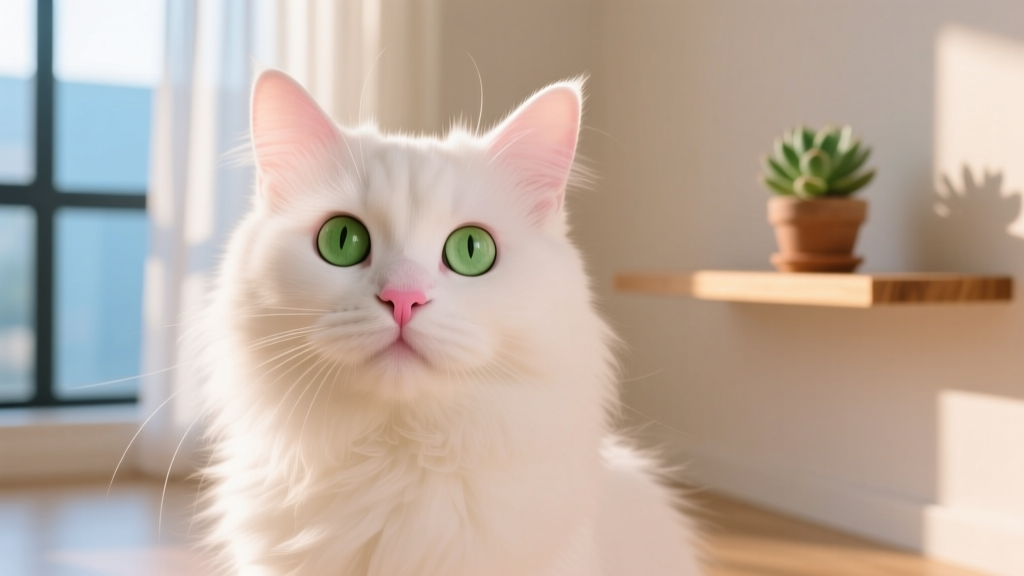
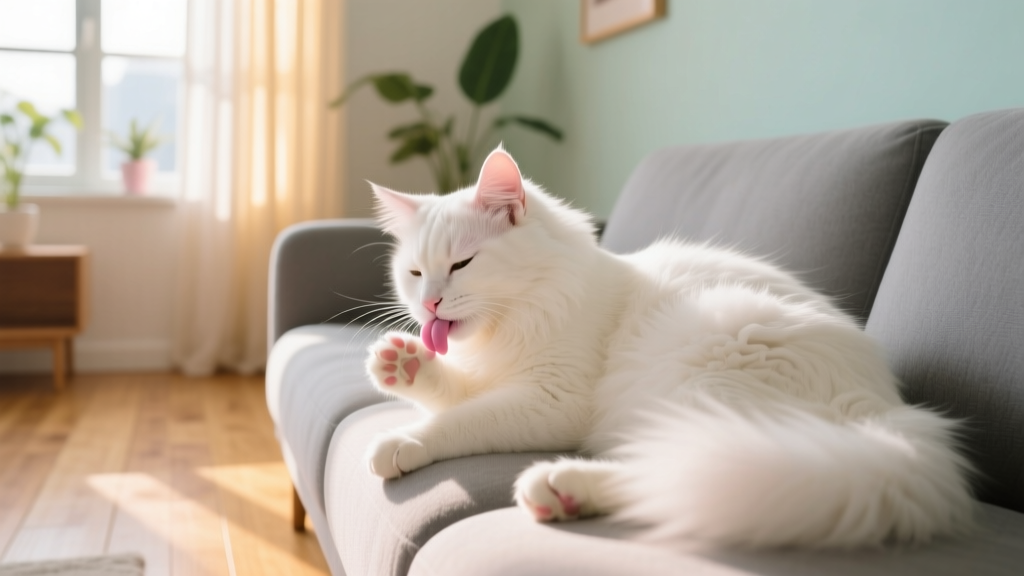
White cats, hairless breeds (Sphynx, Peterbald), and cats with thin fur on ears and nose are most vulnerable to sunburn. Prolonged UV exposure increases the risk of squamous cell carcinoma, a common skin cancer in cats.
Signs of Sunburn
- Red, tender skin on ears, nose, and eyelids
- Peeling or flaking skin
- Scabs or sores on sun-exposed areas
- Crusting along ear edges
Prevention Strategies
- Block access to sunny windowsills during peak hours (10am-4pm)
- Apply UV-blocking window film to south-facing windows
- Keep at-risk cats indoors during midday sun
- Provide shaded outdoor enclosures for supervised outdoor time
Cat-Safe Sunscreen
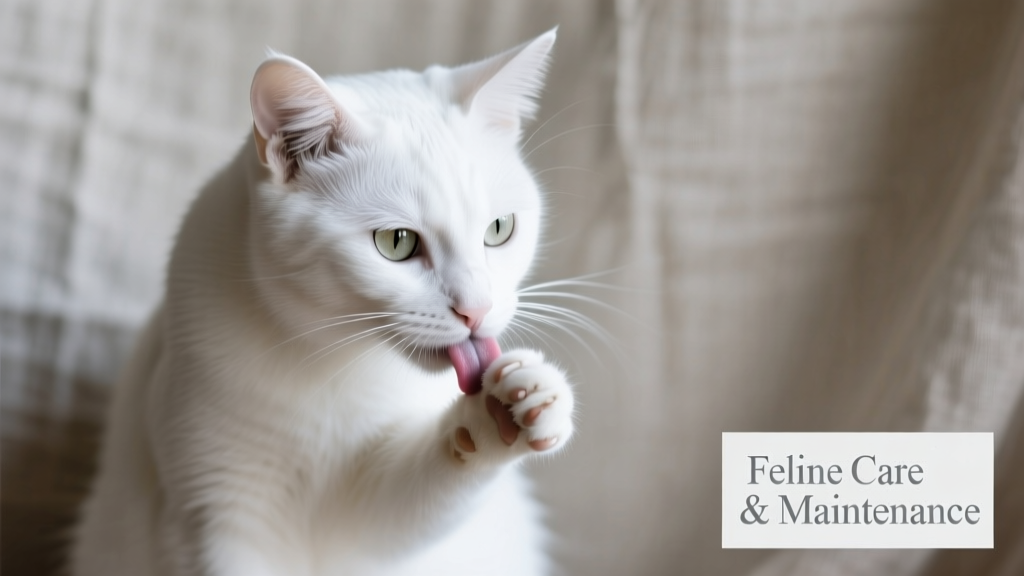
Use only cat-specific or baby sunscreen that is free of zinc oxide and PABA. Apply to ears, nose bridge, and any exposed skin 15 minutes before sun exposure. Reapply every 2 hours. Cats lick their skin, so the product must be safe for ingestion.
When to See a Vet
Any persistent scab, sore, or crusty area on a white cat's ears or nose warrants a veterinary exam. Early detection of squamous cell carcinoma greatly improves treatment outcomes.