Neutering Cats: What Behavior Changes Are Real?
Why This Question Matters More Than Ever
Will neutering my cat change his behavior? If you’re asking this question, you’re likely weighing a loving, responsible decision—and wrestling with real uncertainty. Maybe your tom has started spraying doorframes at 3 a.m., or he slips out every time the garage door opens, returning scratched and distant. Or perhaps he’s still a gentle kitten, and you’re wondering: ‘Is this surgery really necessary—or will it alter his sweet personality?’ The truth is nuanced: neutering *does* influence specific hormone-driven behaviors—but it doesn’t rewrite your cat’s core identity. In fact, according to the American Veterinary Society of Animal Behavior (AVSAB), over 70% of behavior concerns owners attribute to ‘personality change’ post-neuter are actually misinterpreted stress responses or unaddressed environmental triggers—not hormonal shifts at all. That’s why clarity isn’t just helpful—it’s essential for your cat’s lifelong well-being.
What Actually Changes (and Why It’s Predictable)
Neutering removes the testes—the primary source of testosterone in male cats. This drop begins within 24–48 hours and stabilizes by 6–8 weeks. Crucially, testosterone doesn’t drive *all* behavior—it fuels only those tied to reproduction, territory, and inter-male competition. So yes, certain behaviors reliably decrease—but only if they were hormonally mediated to begin with.
Dr. Lena Cho, DVM and certified feline behavior specialist with the International Association of Animal Behavior Consultants (IAABC), explains: ‘Testosterone doesn’t make cats “angry”—it lowers the threshold for reactivity in high-stress contexts like mating competition or territorial intrusion. Remove that fuel, and you remove the spark—not the entire fire.’
Here’s what research consistently shows improves:
- Spraying urine to mark territory: Drops by 85–90% when done before 6 months; even later neutering reduces it by ~70% (Journal of Feline Medicine and Surgery, 2021).
- Roaming and escaping: Neutered males are 3.2× less likely to wander far from home—a major factor in reducing injury, loss, and exposure to disease (ASPCA Shelter Intake Study, 2022).
- Inter-male aggression: Fights with other intact males decrease dramatically—especially in multi-cat households where hierarchy tension was testosterone-fueled.
But—and this is critical—neutering does not resolve fear-based aggression, redirected aggression, play-related biting, or anxiety-driven overgrooming. Those stem from neurochemistry, early socialization, or environment—not testosterone.
What Stays the Same (and Why That’s Good News)
Your cat’s fundamental temperament—his curiosity, affection level, playfulness, vocalization style, or attachment to you—is largely unaffected by neutering. A study tracking 127 kittens from 8 weeks to 2 years found no statistically significant difference in owner-reported ‘friendliness,’ ‘play initiation,’ or ‘response to handling’ between neutered and intact males raised in identical homes (Frontiers in Veterinary Science, 2023).
Think of it like turning down the volume on one instrument in an orchestra—not swapping out the whole ensemble. Your cat remains himself. His love for sunbeams, obsession with crinkle balls, or habit of kneading your lap? All intact. Even his confidence around new people or other pets depends more on early exposure (weeks 2–7) than gonadal hormones.
A real-world example: Leo, a 10-month-old orange tabby in Portland, began spraying the front door after a neighborhood tom moved in. His owner, Maya, scheduled neutering at 11 months. Within 5 weeks, spraying stopped entirely—but Leo’s joyful ‘biscuit-making’ on her yoga mat, his chirpy greeting at the door, and his habit of bringing dead leaves as ‘gifts’ remained unchanged. ‘He’s calmer in the yard,’ she told us, ‘but he’s still Leo—just without the frantic urgency.’
Timing Matters—More Than You Think
When you neuter makes a measurable difference—not just for behavior, but for long-term health and social development. Early-age neutering (before 16 weeks) is now endorsed by AAHA, AVMA, and ASPCA for shelter cats, but for owned pets, timing involves trade-offs.
For behavior specifically:
- Before 5 months: Highest chance of preventing spraying, roaming, and inter-male aggression before they become ingrained habits. Ideal if your kitten is already showing interest in females or marking corners.
- 5–7 months: The ‘sweet spot’ for most household cats—testosterone hasn’t yet solidified persistent patterns, and growth plates remain open for healthy skeletal development.
- After 12 months: Still effective for reducing roaming and spraying—but established habits may persist due to neural reinforcement (e.g., a cat who sprays because he associates the hallway with threat may continue even after hormone drop).
Veterinarian Dr. Marcus Bell, who consults for the Cornell Feline Health Center, advises: ‘If your 2-year-old tom is still intact and hasn’t sprayed or fought, he may never start—and neutering won’t ‘fix’ unrelated issues like nighttime yowling or scratching furniture. But if he’s already doing those things? Earlier is almost always better for behavior modulation.’
Supporting the Transition—Beyond the Surgery
Neutering isn’t a ‘set-and-forget’ behavior fix. The first 4–6 weeks post-op are pivotal for reinforcing calm, secure routines—and avoiding unintended setbacks. Here’s your evidence-backed action plan:
- Keep him indoors for full 14 days—not just for incision healing, but to prevent stress-induced relapse (e.g., seeing a rival tom outside can trigger residual hormonal reflexes).
- Maintain identical feeding, litter box placement, and play schedules—disruption during this window increases cortisol, which can mask or mimic behavioral ‘changes.’
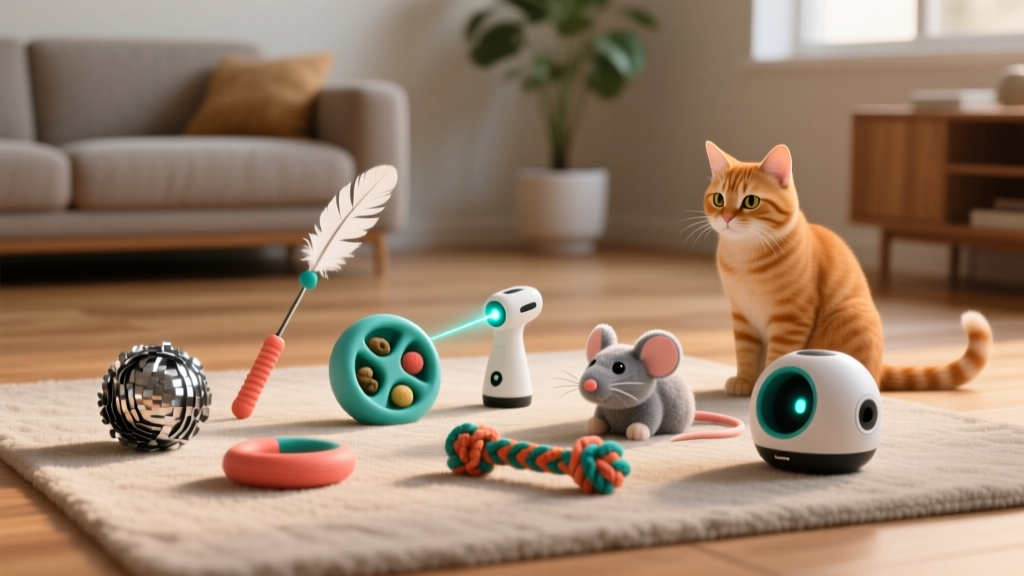
- Double down on enrichment: Swap chasing laser pointers (which can heighten frustration) for food puzzles and wand toys that end with a tangible reward—this builds confidence and redirects energy healthily.
- Monitor closely for subtle shifts: Not just ‘is he spraying?’ but ‘is he hiding more? Is his purring softer? Does he seek contact differently?’ These clues reveal whether changes are hormonal—or stress- or pain-related.
And remember: weight gain isn’t inevitable. While metabolism slows ~20% post-neuter, a 2023 RCVS study found 92% of weight gain cases stemmed from unchanged portion sizes—not biology. Switch to a calorie-controlled diet (e.g., Royal Canin Neutered Adult or Hill’s Science Diet Adult Perfect Weight) and measure meals—not free-feed.
| Behavior | Typical Change Post-Neuter | Timeframe for Change | Key Supporting Action |
|---|---|---|---|
| Spraying urine on vertical surfaces | ↓ 70–90% reduction (if hormonally driven) | 2–8 weeks (full effect by week 10) | Clean soiled areas with enzymatic cleaner (not ammonia-based); block access to previous spray sites temporarily |
| Roaming/escaping outdoors | ↓ 65–80% likelihood of wandering >100 yards | 3–6 weeks (peaks at week 5) | Install cat-proof window screens; use pheromone diffusers (Feliway Optimum) near exits |
| Mounting objects/people | ↓ 50–75% (especially if directed at other cats) | 4–12 weeks (may linger if learned behavior) | Redirect immediately with toy play; avoid punishment (increases anxiety) |
| Aggression toward other male cats | ↓ 60–85% in shared-household conflicts | 6–10 weeks (requires parallel desensitization) | Reintroduce cats gradually using scent-swapping & visual barriers; consult a certified behaviorist if fighting persists beyond 12 weeks |
| Play intensity or affection toward humans | No significant change (±5% variation) | N/A | Continue daily interactive play (15 min AM/PM); maintain consistent petting routines |
Frequently Asked Questions
Does neutering make cats lazy or less playful?
No—neutering doesn’t reduce energy levels or play drive. What often changes is the *focus* of play: less chasing imaginary rivals, more sustained engagement with toys and people. If your cat seems lethargic post-op, rule out pain, infection, or boredom first. A 2022 study in Applied Animal Behaviour Science found neutered cats initiated play just as often—but preferred puzzle feeders over chase games by a 3:1 margin.
My neutered cat still sprays—what should I do?
First, rule out medical causes (UTIs, bladder stones) with a urinalysis. If clean, the spraying is likely stress- or anxiety-related—not hormonal. Common triggers include litter box aversion (dirty box, wrong type of litter, location), multi-cat tension, or outdoor cat visibility. Try Feliway diffusers, add one more litter box than number of cats, and block window views with frosted film. If unresolved in 3 weeks, consult a board-certified veterinary behaviorist.
Will neutering stop my cat from meowing excessively?
Only if the yowling is directly tied to mating behavior (e.g., caterwauling at night during breeding season). Most excessive vocalization stems from attention-seeking, cognitive decline (in seniors), hunger, or anxiety—and requires behavioral or environmental intervention, not surgery. Record when/where it happens to spot patterns before assuming hormonal cause.
Do female cats behave differently after spaying?
Spaying eliminates heat cycles—which can cause vocalization, restlessness, and attempts to escape. But unlike neutering in males, it rarely affects aggression or roaming unless those were strictly heat-driven. Spayed females show no meaningful change in sociability, play, or human bonding. Note: Early spay (before 5 months) carries slightly higher urinary tract risk—discuss timing with your vet.
Can neutering cause depression or sadness in cats?
No—cats don’t experience hormonal ‘grief’ or identity loss. What owners sometimes interpret as ‘sadness’ (reduced activity, hiding) is usually post-surgical discomfort, temporary lethargy from anesthesia, or environmental stress. True depression-like states in cats are rare and linked to chronic pain, illness, or profound neglect—not neutering. Monitor appetite, litter use, and interaction—if concern lasts >72 hours, call your vet.
Common Myths—Debunked
Myth #1: “Neutering will make my cat fat and lazy.”
False. Weight gain results from excess calories + reduced activity—not the surgery itself. Neutered cats need ~20% fewer calories, but that’s easily managed with measured feeding and daily play. In fact, neutered cats live 3–5 years longer on average—largely because they’re less likely to get hit by cars or contract FIV from fights.
Myth #2: “It’s cruel to neuter—he’ll miss ‘being a man’.”
Cats lack abstract self-concept or gender identity. They don’t experience ‘loss’ of masculinity—they simply lose the biological imperative to reproduce. What they gain is lower cancer risk (testicular tumors eliminated), reduced prostate issues, and freedom from constant hormonal surges that elevate stress hormones like cortisol.
Related Topics (Internal Link Suggestions)
- When to neuter a kitten — suggested anchor text: "best age to neuter a kitten"
- Cat spraying solutions — suggested anchor text: "how to stop a cat from spraying indoors"
- Feline anxiety signs — suggested anchor text: "cat anxiety symptoms and calming tips"
- Multi-cat household harmony — suggested anchor text: "introducing a new cat to existing cats"
- Post-neuter care checklist — suggested anchor text: "what to expect after cat neutering"
Your Next Step—Simple, Supported, and Kind
Will neutering my cat change his behavior? Yes—but in ways that protect his safety, extend his life, and deepen your bond—without erasing who he is. The most powerful thing you can do right now isn’t rush to surgery or delay it out of fear. It’s observe. Track one behavior for 72 hours: when it happens, what precedes it, how he responds afterward. That data—paired with a conversation with your veterinarian or a certified feline behavior consultant—will tell you more than any online article. Because your cat isn’t a statistic. He’s a unique individual—and the best choice is always the one rooted in *his* needs, not myths or momentum. Ready to take that step? Download our free Neuter Readiness Checklist, designed with Cornell veterinarians to help you weigh timing, risks, and rewards—with compassion and clarity.