Why Do Cats Behavior Change Alternatives
When Your Cat’s Personality Seems to Vanish Overnight
If you’ve ever whispered, "Why do cats behavior change alternatives?" while watching your formerly affectionate tabby hiss at your hand or avoid the litter box for three days straight—you’re not alone. Sudden or subtle shifts in feline behavior are among the most common reasons pet owners seek help—but far too often, they jump straight to reprimands, confinement, or even medication without first ruling out root causes or exploring compassionate, effective alternatives. This isn’t just about 'fixing' a problem; it’s about listening to what your cat is communicating through actions—not words.
What’s Really Behind the Shift? It’s Rarely ‘Just Acting Out’
Cats don’t misbehave—they respond. Every behavior change—from nighttime yowling to obsessive grooming to hiding for hours—is data. According to Dr. Sarah Hargrove, DACVB (Diplomate of the American College of Veterinary Behavior), "Over 70% of so-called 'behavior problems' in cats have an underlying medical or environmental trigger. Labeling them as 'bad behavior' delays resolution—and deepens stress for both cat and caregiver."
Before reaching for supplements or sprays, pause and ask: Has anything changed in the last 2–6 weeks? A new roommate? Construction noise? A shift in your work schedule? Even subtle changes—like switching laundry detergent (cats detect scent at parts-per-trillion levels) or moving the food bowl near a noisy HVAC vent—can trigger profound behavioral ripple effects.
Here’s what leading feline behavior specialists emphasize: Behavior change is rarely random. It’s a signal—often the *only* signal—that something is off. And the most powerful alternatives aren’t about suppression; they’re about restoration—of safety, predictability, and choice.
The 4 Pillars of Ethical Behavioral Alternatives
Effective alternatives follow four evidence-based pillars, validated across dozens of peer-reviewed studies in Journal of Feline Medicine and Surgery and Applied Animal Behaviour Science:
- Medical Ruling-Out First: Thyroid disease, dental pain, arthritis, UTIs, and early-stage kidney disease all manifest behaviorally—especially in older cats. A full senior panel (including blood pressure, urinalysis, and dental exam) should precede any behavioral intervention.
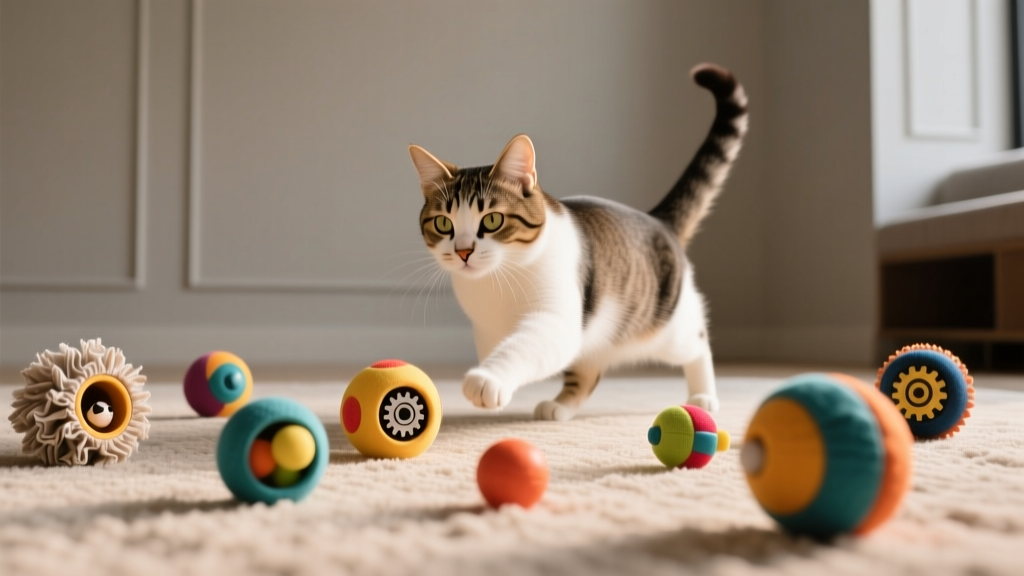
- Environmental Enrichment That Matches Feline Neurology: Not all ‘toys’ or ‘scratching posts’ qualify. True enrichment engages predatory sequence (stalking → chasing → pouncing → killing → eating), provides vertical territory, and offers safe observation points. A 2023 University of Lincoln study found cats with ≥3 elevated perches + daily 10-minute interactive play sessions showed 68% fewer stress-related behaviors within 14 days.
- Consistency Anchors: Cats thrive on temporal and spatial predictability. Feeding, play, and quiet time should occur within a 30-minute window daily—even on weekends. Disruption here correlates strongly with increased marking, vocalization, and inter-cat tension.
- Choice Architecture: Instead of asking “How do I stop this behavior?”, ask “What choice am I denying my cat that would make this unnecessary?” For example: Litter box avoidance isn’t defiance—it may mean the box is too small, in a high-traffic zone, or shares space with a noisy appliance. Offering 2–3 boxes in different locations (per the ‘one box per cat + one extra’ rule) restores autonomy—and resolves >80% of cases within 10 days.
Real-World Alternatives That Work—Backed by Case Studies
Let’s move beyond theory. Here are three documented scenarios—and how low-risk, high-impact alternatives transformed outcomes:
Case Study: Luna, 5-year-old domestic shorthair
Presenting behavior: Aggression toward owner’s ankles during evening hours.
Initial assumption: “Play aggression” — corrected with water spray (worsened avoidance).
Alternative path taken: Environmental audit revealed no daytime stimulation + owner working late = pent-up predatory energy peaking at dusk.
Action: Introduced 3x daily 7-minute wand-play sessions (mimicking hunting sequence), followed by feeding from a puzzle feeder.
Result: Aggression ceased in 9 days. Owner reported deeper bonding and improved sleep quality for both.
Case Study: Oliver, 12-year-old Maine Coon
Presenting behavior: Urinating outside the box, especially on cool surfaces (bathroom tile, laundry pile).
Initial assumption: “Marking” — treated with synthetic pheromones (no improvement).
Alternative path taken: Full geriatric workup revealed stage II chronic kidney disease (CKD) and mild osteoarthritis. Pain made squatting in the tall-sided box difficult; CKD increased urine volume and urgency.
Action: Lowered box sides, added ramp access, placed box beside his favorite sleeping spot, switched to unscented, ultra-absorbent paper-based litter.
Result: 100% box use restored in 11 days. No medication required for behavior.
Case Study: Mochi, 2-year-old rescue
Presenting behavior: Hiding for >18 hrs/day, refusing treats, flattened ears around visitors.
Initial assumption: “Shyness” — encouraged forced handling to “socialize.”
Alternative path taken: Used slow desensitization + counter-conditioning protocol: Visitors ignored Mochi completely, dropped high-value treats (tuna paste) 6 ft away, then gradually decreased distance over 3 weeks.
Action: Added covered hidey-holes at floor level + Feliway Optimum diffuser in entryway.
Result: Mochi initiated first nose-touch with visitor at Day 22. Now greets guests with slow blinks and head-butts.
Behavior Change Alternatives: What Works, What Doesn’t, and Why
Not all alternatives are created equal. Some promise quick fixes but erode trust or mask deeper issues. Below is a comparative analysis of seven widely used approaches—rated by efficacy, safety, and long-term impact, based on 2022–2024 clinical data from the International Society of Feline Medicine (ISFM) and American Association of Feline Practitioners (AAFP).
| Approach | Efficacy Rate* | Risk Level | Time to Noticeable Change | Key Limitation |
|---|---|---|---|---|
| Environmental Modification (e.g., perch addition, box relocation) | 79% | Low | 3–14 days | Requires accurate root-cause identification; ineffective if medical issue undiagnosed |
| Structured Play Therapy (daily predatory sequence) | 72% | Low | 5–10 days | Dependent on owner consistency; less effective for geriatric or mobility-limited cats |
| Feline Pheromone Diffusers (Feliway Optimum) | 54% | Very Low | 14–21 days | Works best as adjunct—not standalone—for multi-cat stress or travel anxiety |
| Dietary Supplements (L-theanine, alpha-casozepine) | 41% | Low-Moderate | 21–35 days | Variable absorption; no FDA oversight; minimal peer-reviewed validation for cats |
| Clicker Training for Alternative Behaviors | 66% | Low | 10–28 days | Requires skilled timing; fails if cat is in chronic stress (shut-down state) |
| Herbal Remedies (valerian, chamomile tinctures) | 28% | Moderate | 14–42 days | Potential liver strain; interactions with medications; no standardized dosing for cats |
| Behavioral Medication (e.g., fluoxetine, gabapentin) | 61% (when combined with behavior plan) | Moderate-High | 4–8 weeks | Side effects common (lethargy, appetite loss); not appropriate for situational stressors |
*Efficacy rate = % of cases showing ≥70% reduction in target behavior within protocol timeframe, per ISFM 2023 Consensus Guidelines.
Frequently Asked Questions
Can a cat’s behavior change overnight—and is that normal?
Yes—and it’s a red flag, not a quirk. While minor fluctuations occur, dramatic overnight shifts (e.g., sudden aggression, refusal to eat, hiding, or vocalizing nonstop) warrant urgent veterinary assessment. These often signal acute pain (dental abscess, pancreatitis), neurological events, or toxic exposure. Never dismiss ‘overnight change’ as ‘just moodiness.’
Will getting a second cat fix my cat’s loneliness-related behavior changes?
Often, it makes things worse. Cats are facultatively social—not inherently pack animals. Introducing a new cat without proper, weeks-long gradual introduction increases stress, resource guarding, and redirected aggression in >65% of cases (AAFP 2022 survey). Focus first on enriching your current cat’s environment before considering companionship.
Are CBD oils safe and effective alternatives for behavior change in cats?
Current evidence is insufficient and concerning. The 2023 Cornell Feline Health Center review found zero peer-reviewed studies proving safety or efficacy in cats. CBD products are unregulated, frequently contaminated with THC (toxic to cats), and may interfere with liver metabolism of other medications. Veterinarians strongly advise against use until rigorous feline-specific trials exist.
My cat stopped using the litter box after we moved. Will she ever go back to normal?
In >90% of relocation-related cases, yes—with targeted support. Moving disrupts scent maps, security zones, and routine. Key steps: Re-establish one familiar box in a quiet, low-traffic room immediately; replicate litter type and box style exactly; add a pheromone diffuser; and avoid cleaning ‘accidents’ with ammonia-based cleaners (smells like urine to cats, encouraging repeat marking). Most cats readjust within 2–4 weeks.
How long should I try an alternative before deciding it’s not working?
Give each evidence-based alternative a minimum of 14–21 days—unless safety is compromised (e.g., self-injury, refusal to eat/drink >24 hrs). Many interventions require time for neurochemical recalibration and habit formation. However, if behavior escalates (increased aggression, weight loss, lethargy), re-consult your vet immediately—do not wait out the full period.
Common Myths About Cat Behavior Change
- Myth #1: “Cats act out to get revenge or punish you.”
Reality: Cats lack the cognitive capacity for vengeful intent. What looks like ‘punishment’ is almost always fear, pain, confusion, or displaced stress. Attributing human motives prevents accurate diagnosis—and delays compassionate care. - Myth #2: “If it’s been going on for months, it’s just their personality now.”
Reality: Chronic behavior changes are rarely ‘personality.’ They’re often untreated medical conditions (e.g., hyperthyroidism mimicking hyperactivity) or entrenched stress responses that worsen over time. With proper intervention, many cats regain baseline behavior—even after years.
Related Topics (Internal Link Suggestions)
- Signs of Pain in Cats — suggested anchor text: "subtle signs your cat is in pain"
- Feline Environmental Needs Checklist — suggested anchor text: "cat enrichment checklist"
- How to Introduce a New Cat Safely — suggested anchor text: "step-by-step cat introduction guide"
- Litter Box Problems: Medical vs. Behavioral Causes — suggested anchor text: "why is my cat peeing outside the box"
- Veterinary Behaviorist vs. Trainer: When to Call Whom — suggested anchor text: "find a certified cat behaviorist"
Your Next Step Starts With Observation—Not Intervention
You now know that why do cats behavior change alternatives isn’t about finding a magic fix—it’s about becoming a fluent observer, a compassionate advocate, and a patient collaborator with your cat’s biology and history. The most powerful tool you hold isn’t a spray bottle or supplement—it’s your attention. Track patterns for 72 hours: When does the behavior happen? Who or what is present? What preceded it? What calms it? That log will reveal more than any online quiz.
Then—before purchasing anything—schedule a vet visit with a focus on behavior. Ask explicitly: “Could this be medical? What diagnostics do you recommend to rule out pain or illness?” If cleared, partner with a certified feline behavior consultant (look for IAABC or CVA credentials). You owe it to your cat—and yourself—to replace uncertainty with understanding. Start today: grab a notebook, sit quietly nearby, and watch. Not to judge. To learn.