Why Cats Suddenly Sprint Through the House
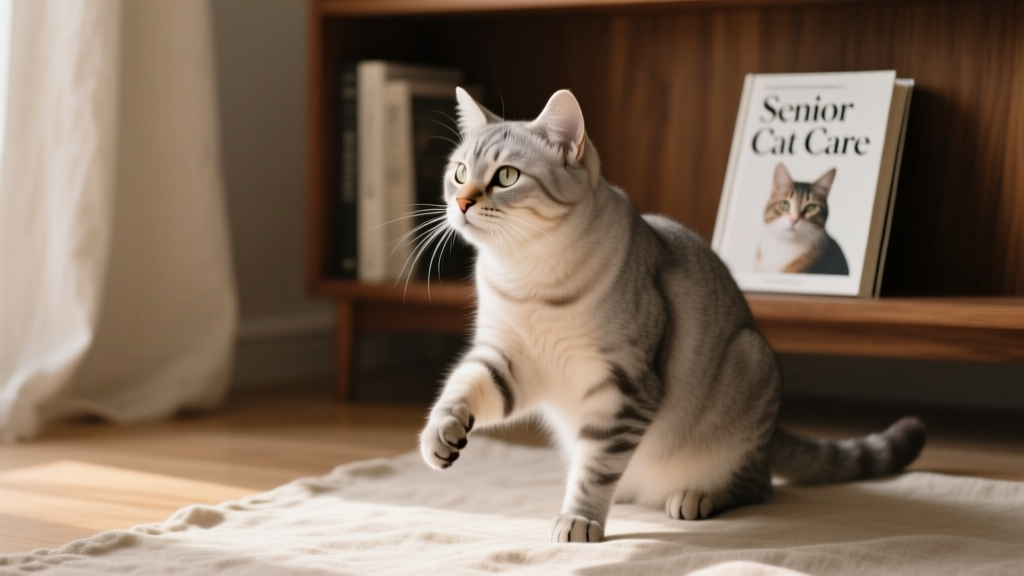
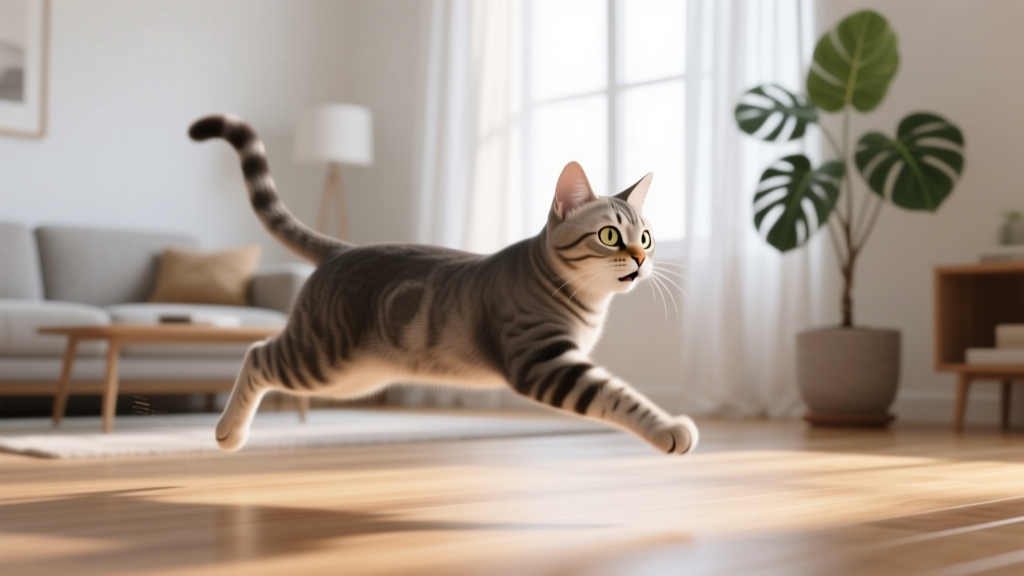
You’re folding laundry or brushing your teeth when—out of nowhere—your cat rockets past like a furry comet. Nails tap-tap-tap on the floor. A tail flashes by. A quick skid around the corner. Sometimes there’s a dramatic mid-run parkour move off the couch, followed by a victory lap and a casual “I meant to do that” stroll back into the room.
If you’ve ever stared after your cat and wondered, “What just happened?” you’re in excellent company. Those sudden bursts of speed are common, normal, and (usually) hilarious. They also tell you a lot about your cat’s instincts, energy level, and emotional state.
The science behind the sprint: built for ambush and bursts
Cats are burst predators. Unlike wolves, who are endurance runners, cats are designed for short, explosive action: stalk, pounce, grab. Their bodies reflect that evolutionary job description. They have powerful hindquarters, a flexible spine that acts like a spring, and quick-twitch muscle fibers that excel at sudden acceleration.
Even well-fed indoor cats still run the same “software” as their wild ancestors. Their brains and bodies expect periods of waiting punctuated by intense activity. In nature, that activity might be a chase after prey or a dash to safety. In your home, it may become a high-speed loop from hallway to sofa to bedroom, with a bonus leap over your slippers.
Another piece of the puzzle is the cat nervous system. Cats can shift rapidly from calm to action because they’re wired to respond fast to opportunities and threats. That “switch flip” feeling—peaceful one moment, zooming the next—is part of being a small predator that’s also historically been prey for larger animals.
What’s actually happening? Different contexts for the “zoomies”
Cat owners often call these sprints “zoomies,” but the behavior can have a few different causes depending on timing, environment, and body language. Here are the most common scenarios.
1) The classic “energy dump” (pent-up play drive)
This is the most familiar version: your cat has extra energy and needs to burn it off. Indoor cats, especially young cats, can store up play drive the way a shaken soda stores bubbles. Eventually… pop. Out comes the sprint.
What it looks like: quick laps, sudden direction changes, joyful-looking leaps, minimal vocalization, bright eyes, ears forward or swiveling, tail up or “question-mark” tail.
Common triggers: a long day alone, rainy weather (less window entertainment), missed play sessions, or a household that’s been extra quiet.
2) Post-litter box victory laps
Many cats do a sprint right after using the litter box. Cat people jokingly call it “poop zoomies,” and yes, it’s a thing.
Why it happens: It can be relief and a burst of energy after elimination. Some cats also have a strong instinct to leave the area quickly—wild cats may move away from scents that could attract attention.
What it looks like: a sudden dash from the box, sometimes with a wild-eyed expression, occasionally followed by frantic scratching at an unrelated surface (like the rug) as if they’re finishing the job.
Note: Post-box zoomies can be normal, but if they come with signs of discomfort, keep reading the “when to worry” section.
3) Evening “hunt time” (crepuscular instincts)
Cats are naturally crepuscular, meaning they’re most active at dawn and dusk. If your cat routinely gets the urge to sprint around the house at 9 p.m. (right when you’ve finally sat down), they may be following their built-in schedule.
What it looks like: purposeful stalking before the sprint, chasing shadows, ambushing ankles (rude, but common), and intense interest in toys—if you offer them.
4) Social play: “Chase me!”
If you have two cats, sudden sprints often kick off a chase game. One cat darts away, the other follows, and the roles might switch. This can look dramatic, but it’s often healthy play.
What it looks like: loose, bouncy movement; taking turns; brief pauses; ears mostly neutral; no prolonged screaming; no one hiding for long periods.
Owner recognition moment: the thundering of paws upstairs right when you’re on a work call.
5) Stress release or “displacement behavior”
Sometimes sprinting is a pressure valve. Cats may run after a stressful moment—like hearing a loud noise, seeing an unfamiliar visitor, or experiencing conflict with another pet.
What it looks like: sudden darting away, then hiding; ears back; tail low; pupils wide; more “get me out of here” than “whee!”
This is not “bad behavior.” It’s your cat coping in the most cat-like way possible: movement first, analysis later.
6) The “I’m overstimulated” bolt
Some cats sprint away mid-petting session. One minute they’re purring, the next they launch off your lap like it caught fire.
Why it happens: cats have a threshold for touch. When the nervous system shifts from pleasure to irritation, the cat chooses distance.
What it looks like: tail flicking before the bolt, skin rippling, ears swiveling back, sudden grooming, or a quick nip (a request, in cat language, to stop).
What the sprint says about your cat’s mood
Think of sprinting as a big, bold punctuation mark in your cat’s day. The “meaning” depends on the rest of the sentence—body language and context.
- Playful and energized: relaxed body, curious face, returns quickly, may bring a toy or initiate interaction.
- Relieved: happens after the litter box or after waking; cat looks satisfied and settles afterward.
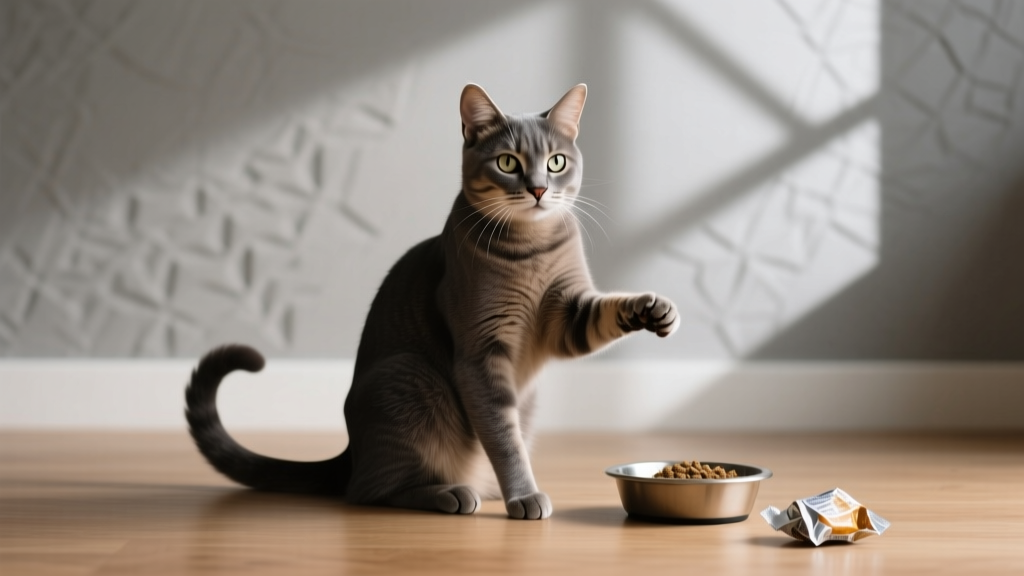
- Excited or anticipatory: happens when you pick up the treat bag, when you head toward the bedroom (routine!), or before meals.
- Stressed or startled: wide pupils, low tail, hiding afterward, jumpy behavior; sprint is more escape than game.
- Overstimulated: bolt during petting, followed by grooming or retreating; your cat needed a break.
A helpful question to ask is: Does my cat look like they’re having fun, or trying to get away? That one distinction solves a lot of mysteries.
Related behaviors you might notice
Zoomies rarely travel alone. If your cat sprints through the house, you may also see:
- “Crazy eyes” (dilated pupils): can mean excitement, play arousal, or stress—context matters.
- Sudden sideways hops: a playful bounce often used in mock-hunting or social play.
- Tail twitching or puffing: twitching can signal arousal; puffing can be play or fear.
- Frantic scratching: sometimes after litter box use or during excitement.
- Yowls or chirps mid-run: some cats “announce” their speed run; others are silent athletes.
- Ambush behavior: hiding behind furniture and pouncing on passing feet (a cue to add more structured play).
When sprinting is normal vs when it’s a concern
For most cats, occasional bursts of speed are completely normal. That said, behavior is information. Here are signs that suggest you should look closer.
Usually normal
- Short, predictable bursts (especially at dawn/dusk)
- Playful body language and quick recovery afterward
- Zoomies after naps or quiet periods
- Two cats chasing with breaks and role-switching
Potentially concerning (call your vet if you notice these)
- Zoomies paired with litter box discomfort: straining, crying, frequent trips, blood, accidents outside the box. Urinary issues can become urgent quickly, especially in male cats.
- Sudden increase in frantic running: especially in older cats, or if it comes with confusion, yowling at night, or disorientation.
- Limping or slipping: sprinting followed by pain, hiding, or reluctance to jump.
- Chasing the tail obsessively: can signal stress, fleas/skin irritation, or other medical issues.
- Conflict escalation with another pet: if chases end in cornering, screaming, fur flying, or one cat avoiding resources.
If you’re unsure, a short video of the behavior can be very helpful for your veterinarian or a qualified behavior professional.
How to respond (and how to encourage the healthy kind)
You don’t need to stop normal zoomies. You want to channel them safely and meet the underlying needs that drive them.
1) Provide a daily “hunt sequence” play session
A wand toy session that mimics hunting—stalk, chase, pounce, “catch”—is gold. Aim for 10–15 minutes once or twice a day. Finish with a small snack or meal to complete the natural cycle: hunt → eat → groom → sleep.
2) Make the track safe
- Use rugs or runners on slippery floors for traction.
- Move breakables off sprint routes (your cat has a route).
- Add vertical options like cat trees or shelves to redirect speed into climbing.
3) Don’t punish sprinting
Yelling or chasing can turn an excited cat into an anxious cat, or can accidentally become a game. If your cat is sprinting due to stress, punishment adds stress—exactly what you don’t want.
4) For post-litter box zoomies, do a quick setup check
- Keep the box clean and in a low-traffic area.
- Make sure the box is large enough for comfortable turning.
- Try an unscented litter if your cat seems agitated.
5) If your cat bolts during petting, respect the “enough” signal
Watch for tail flicks, ear turns, skin ripples, and sudden head turns. Try shorter petting sessions, focus on favorite areas (often cheeks and head), and allow your cat to initiate contact.
6) Enrich the environment
Window perches, food puzzles, cardboard boxes, rotation of toys, and scent enrichment (like a pinch of catnip or silvervine for cats who enjoy it) can reduce the need for chaotic energy releases.
Fun facts and research-y tidbits cat nerds love
- Cats can hit impressive speeds in short bursts. Domestic cats are capable of sprinting around 30 mph for brief distances, though your hallway probably isn’t long enough for a full demonstration.
- The “dawn and dusk” schedule is real. Many cats show predictable activity peaks around sunrise and sunset, reflecting ancestral hunting patterns.
- Play is practice. Those sharp turns, sudden stops, and couch-launch maneuvers are essentially rehearsal for hunting skills—minus the actual mouse (hopefully).
- Stress and excitement can look similar. Dilated pupils and rapid movement can signal “this is fun” or “this is too much.” Body posture and what happens afterward tell the story.
FAQ: Cats sprinting through the house
Why does my cat get zoomies at night?
Many cats are most active at dusk and dawn, and indoor schedules can shift that energy into evening hours. If your cat zooms at night, add a structured play session in the evening and finish with a small meal to encourage post-play sleepiness.
Are zoomies a sign my cat is happy?
Often, yes—especially if your cat looks playful, confident, and settles afterward. But zoomies can also be stress release. If your cat bolts and hides, flattens ears, or seems on edge, look for triggers like noise, visitors, or tension with another pet.
Why does my cat sprint after using the litter box?
Post-litter box zoomies can be simple relief or an instinct to move away from the area. If your cat seems uncomfortable, visits the box frequently, cries, or strains, contact your vet to rule out urinary or digestive issues.
My two cats chase each other—how do I know if it’s play or fighting?
Play chasing usually includes pauses, role-switching, and relatively quiet body language. Fighting tends to involve prolonged cornering, screaming, flattened ears, puffed fur, and one cat consistently trying to escape. When in doubt, separate calmly and consult a behavior professional.
Should I try to stop my cat from sprinting?
If it’s normal zoomies, there’s no need to stop it—just make it safer and meet your cat’s play needs. If the sprinting is linked to fear, pain, litter box problems, or escalating aggression, address the underlying cause rather than the running itself.
Do older cats get zoomies too?
They can! Older cats may still have bursts of speed, though typically less intense. If an older cat suddenly starts having frantic episodes, especially with nighttime vocalizing or confusion, check in with your vet to rule out medical causes.
Cats sprint through the house because they’re cats: athletic ambush predators with big feelings and quick energy surges. Once you learn to read the context—play, relief, excitement, stress—you can respond in a way that supports your cat’s wellbeing and makes your home a safer little racetrack.
Does your cat have a signature zoomies route, a post-litter box victory lap, or a dramatic hallway skid-stop? Share your stories (and your funniest “what just happened?” moments) with the Cat Lovers Base community at catloversbase.com.