Why Cats Sit on the Hallway Runner Rug
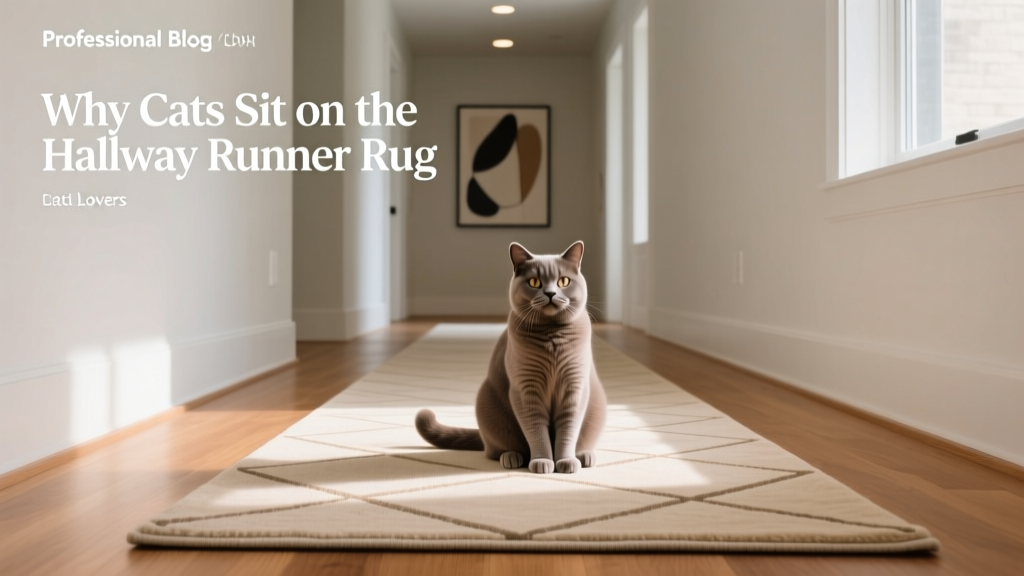
You’re carrying laundry, half-thinking about dinner, and you nearly do a cartoon slip because your cat is parked—again—right in the middle of the hallway runner. Not off to the side. Not politely tucked near the wall. Directly in the traffic lane, loafed like a bread roll on a runway.
Maybe you’ve tried stepping around them (they somehow expand), nudging them (they melt and then re-form two inches away), or calling them to the couch (they blink as if you’ve suggested something truly unreasonable). If your cat has chosen the hallway runner rug as their personal throne, you’re not alone—and it’s not random.
Cats sit on hallway runners for reasons that make perfect sense in the feline brain: comfort, scent, security, surveillance, and sometimes a little bit of “notice me, please.” Here’s what’s really going on.
1) The science and evolution behind “hallway rug lounging”
Domestic cats still carry the instincts of a small predator who is also potential prey. That evolutionary combo creates a creature who loves:
- Safe observation points (see without being seen)
- Predictable paths (movement patterns matter)
- Familiar scent zones (home smells like “mine”)
- Warm, comfortable surfaces (energy conservation is a lifestyle)
A hallway is a high-traffic corridor—a place where people, other pets, and interesting noises pass through. To a cat, it’s a natural “monitoring station.” And the runner rug adds something important: texture, traction, insulation, and scent-holding power.
From a sensory standpoint, rugs are rich environments. They trap warmth, dead skin cells (yep), household scents, and subtle traces of everyone who walks by. For a cat, that’s an information buffet.
There’s also a territorial element. Cats use scent to create a map of safety. When your cat sits on the runner, they’re often reinforcing that “this path is part of my territory, and I feel secure here.” They may add scent passively (from skin glands on their paws and body) without you noticing any dramatic rubbing.
2) A detailed breakdown: what it can mean in different contexts
The same behavior can have different motives depending on timing, body language, and household patterns. Here are the most common “why this rug, why this spot” scenarios.
It’s the best seat in the house (comfort + traction)
Hallway runners are often softer than hardwood or tile, and they’re easier to grip than slippery floors. Many cats choose runners because they:
- feel warmer and cushier under the chest and belly
- offer better footing when they pop up and sprint
- reduce joint pressure (especially for seniors)
If your cat tends to sprawl, knead, or slowly sink into the fibers like they’re testing a mattress, comfort is a major factor.
They’re guarding the “main artery” of the home (security + surveillance)
Hallways connect resources: food, litter box, bedrooms, front door, favorite humans. When a cat rests in the hallway, they can monitor who goes where. This is especially common in cats who:
- prefer to keep tabs on multiple rooms
- get anxious when they can’t see you
- live with other pets and like to track movement
Think of it as your cat being the quiet bouncer of the household—no earpiece, no clipboard, just intense little eyes.
They’re waiting for you (social connection)
Many cats pick hallway spots because it increases the chances of interaction. If you work from home and walk between rooms, the runner is the perfect place for a quick head rub, a “drive-by blink,” or a reminder that dinner is a concept you should take more seriously.
Some cats learn that humans can’t resist a cat in the middle of the walkway. The rug becomes a stage, and your cat knows you’ll look down and acknowledge them.
They like the scent story (territory + familiarity)
Rugs hold layered scents: detergent, shoes, your shampoo, the dog’s feet, the outside world. For cats, familiar smells are calming. Your cat may choose the runner because it smells the most like “home” and “family.”
If your cat rubs their cheeks on the runner, rolls, or flops dramatically and wiggles, they may be actively mixing their own scent into that story.
Temperature is just right (microclimates matter)
Hallways can be cooler or warmer depending on vents, sunlight, and airflow. A runner can insulate from a chilly floor or provide a cooler resting place than a plush bed.
In winter, you might notice your cat picking the runner near a heat vent. In summer, they may choose a shaded stretch that stays pleasantly cool.
It’s a strategic “zoomies launchpad” (play + movement)
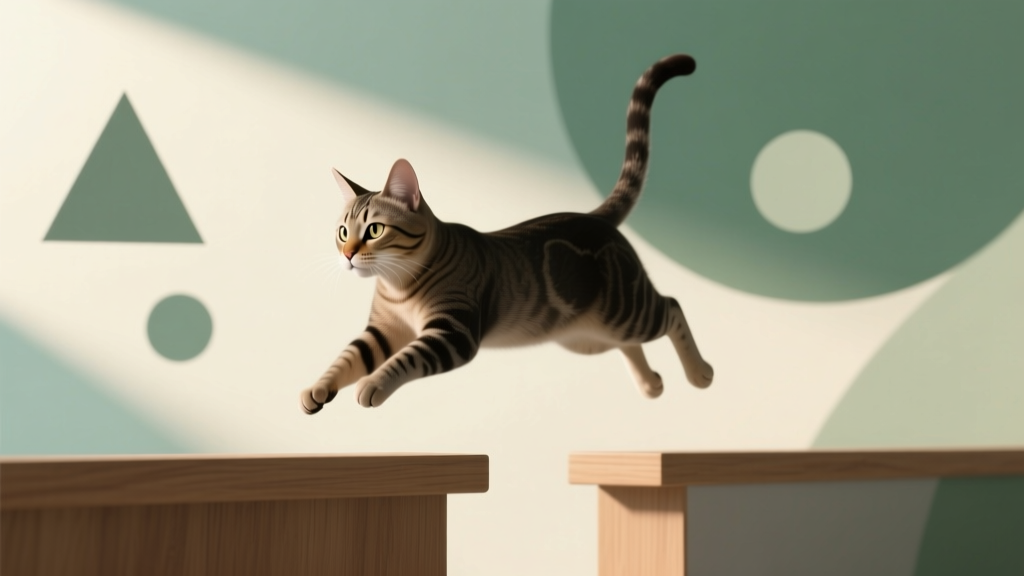
If your cat frequently sits, then suddenly rockets down the hall, they’re using the runner like a traction strip. The fibers give grip for explosive takeoff and quick turns. This is especially true for younger cats who treat hallways as racetracks.
3) What it says about your cat’s mood and feelings
The hallway runner can be a mood ring—if you pay attention to posture, tail, eyes, and how your cat responds to you passing by.
- Loaf posture, slow blinks, relaxed whiskers: content, secure, “I belong here.”
- Side-lying sprawl with belly partially exposed: comfortable and trusting (not always an invitation to touch the belly, though).
- Upright sit, ears rotating, alert gaze: curious, monitoring, possibly anticipating activity.
- Tail tucked close, crouched posture, wide eyes: uncertain or stressed; they may be using the hallway to track potential “threats” (another pet, loud noises, visitors).
- Blocking you and meowing, then leading you elsewhere: seeking interaction or requesting something specific (food, play, a door opened).
One of the most telling clues is how your cat reacts when you approach. A calm cat may simply lift their head or offer a blink. A tense cat may flinch, bolt, or flatten ears. Same location—very different emotional state.
4) Related behaviors you might also notice
Hallway runner sitting often comes as a “behavior bundle.” You may also see:
- Floor flopping in front of you: a friendly attention-seeking move or a gentle “slow down and greet me.”
- Rubbing cheeks or sides on the rug: scent marking with facial glands (especially around the cheeks).
- Rolling and wriggling: comfort, scent mixing, or post-nap stretching.
- “Escorting” you through the hallway: social bonding and mild supervision.
- Sudden zoomies: pent-up energy release; the runner provides grip for maximum speed.
- Sitting in doorways too: similar “control the traffic flow” instinct.
5) When it’s normal vs when it might be a concern
In most cases, a cat choosing the hallway runner is perfectly normal. Still, behavior changes are information. Consider a closer look if you notice any of the following:
- Sudden obsession with the hallway combined with hiding more or avoiding other spaces (could indicate stress, conflict with another pet, or a new fear trigger).
- Reluctance to walk on other surfaces (sometimes linked to pain, arthritis, or fear of slippery flooring).
- Resting in the hallway and vocalizing excessively (could be attention needs, anxiety, or medical discomfort).
- Staring at a wall or acting “spaced out” repeatedly (rule out sensory issues; consult a vet if accompanied by disorientation).
- Guarding behavior—hissing or swatting when others pass (may signal stress, resource guarding, or social tension).
Also watch for non-behavioral clues: decreased appetite, litter box changes, limping, reduced grooming, or sudden irritability. If those show up, it’s worth checking in with your veterinarian—pain and illness can show up as “weird resting spots” long before anything else looks obvious.
6) Tips for responding to (or encouraging) the behavior
Your goal isn’t to stop a harmless quirk—it’s to understand it and make the environment work for both of you.
Make it safer for everyone
- Use a non-slip rug pad so the runner doesn’t shift when you step around a lounging cat.
- Improve hallway lighting at night to avoid accidental trips (for you and the cat).
- Teach a gentle “move” cue using treats: toss a treat a few feet away, say your cue (“over here”), and reward when they relocate. Keep it positive—no shooing needed.
Offer a nearby alternative without “banning” the rug
- Place a cat bed or folded blanket near the hallway wall, ideally where your cat can still observe traffic.
- Add a vertical option nearby (cat tree, wall perch) for cats who like to monitor from above.
- Use a pheromone diffuser in the area if the hallway is a stress zone (especially in multi-cat homes).
Meet the underlying need
- If it’s attention-seeking: build in predictable daily micro-sessions—2 minutes of wand play when you finish work, a quick cuddle after breakfast. Predictability helps cats relax.
- If it’s “watching” behavior: check for stress triggers—new pets, outdoor cats visible through windows, noisy neighbors, visitors.
- If it’s traction-related: consider additional runners or rugs in key paths, especially if your floors are slippery and your cat is older.
7) Fun facts and research-ish nuggets about cats and rugs
- Cats build “scent security.” Familiar scents can reduce stress responses. That’s one reason cats often prefer objects that smell like their people (laundry piles, worn shoes, your side of the bed…and yes, frequently walked-on rugs).
- Texture is information. A cat’s paw pads are sensitive. Different surfaces give different feedback, which can affect confidence—especially for kittens learning movement and seniors managing balance.
- Traffic patterns are predictable. Cats are excellent routine-readers. If you always walk down the hall at 7 a.m., your cat may “schedule” themselves there because patterns feel safe and rewarding.
- Loafing conserves heat. The classic tucked-paws loaf posture reduces heat loss. A runner rug plus loaf mode is basically a cozy energy-saving setting.
FAQ: Why cats sit on hallway runner rugs
Is my cat trying to trip me on purpose?
Probably not in a villainous way—but cats do learn that being in your path gets attention. They’re excellent at repeating whatever works. If you consistently react (talk, pet, step around), the hallway becomes a reliable interaction spot.
Why the hallway and not the living room?
The hallway often offers better “coverage” of the home. Your cat can monitor multiple rooms and the comings-and-goings of people and pets. It’s also usually quieter than the main room but still socially connected.
My cat only sits on the runner when guests come over. Why?
That can be a security behavior. The hallway may feel like a controlled observation point where your cat can watch guests from a comfortable distance. Provide escape routes (open doorways, access to a safe room) so they don’t feel trapped.
My older cat has started resting on rugs more than before—should I worry?
Rug preference can increase with age because rugs are warmer, softer, and less slippery. It can also hint at joint pain if your cat avoids slick floors or seems stiff. If you notice changes in jumping, grooming, or mobility, a vet check is a good idea.
Why does my cat knead or roll on the runner?
Kneading and rolling are comfort behaviors and scent-related behaviors. Kneading is linked to kittenhood nursing comfort; rolling can be a way to mix scents and enjoy the texture. If it’s paired with purring and relaxed posture, it’s usually a sign your cat feels safe.
How can I get my cat to move without stressing them out?
Use positive redirection: toss a treat to the side, lure with a toy, or teach a cue. Avoid scolding or sudden shooing, which can make the hallway feel unsafe and increase anxious “guarding” behavior.
Cats don’t pick the hallway runner because they’re trying to be inconvenient (even if the timing is suspiciously perfect). They pick it because it’s comfortable, information-rich, and socially strategic—a place where the household’s story passes by all day long.
Does your cat have a favorite “oddly specific” sitting spot—hallway runner, bathroom mat, one particular stair? Share your cat’s quirky floor-lounging habits and your funniest near-trip stories with the Cat Lovers Base community at catloversbase.com.