Why Cats Paw at the Floor Before Drinking
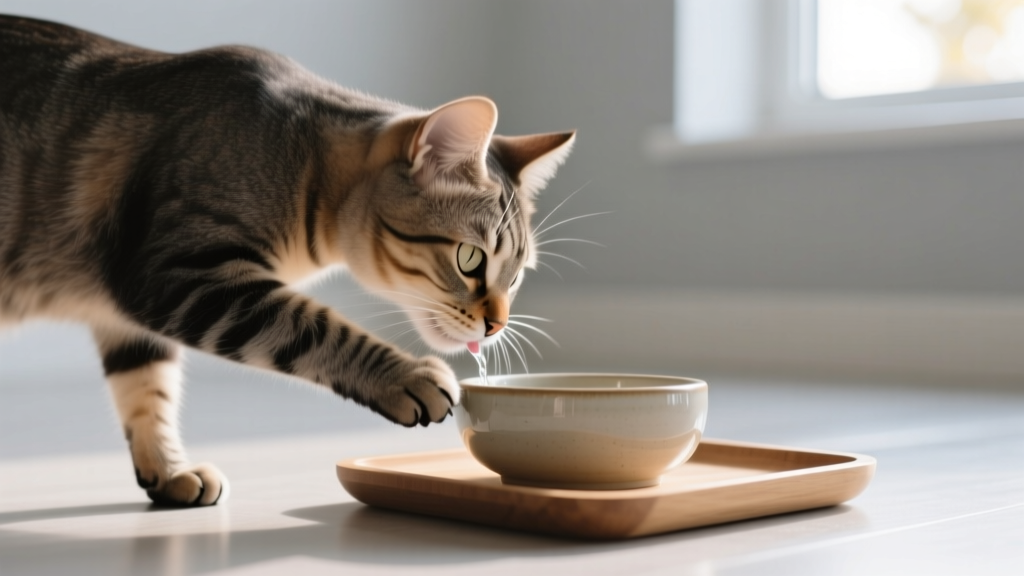
You set down a fresh bowl of water. Your cat strolls over like a tiny, confident lion… and then stops. Instead of drinking right away, they start pawing at the floor next to the bowl. Scratch-scratch. Pause. Another scratch. A careful sniff. Maybe they tap the rim. Then—finally—they drink like nothing happened.
If you’ve ever watched this little pre-drink “ritual” and wondered whether your cat is being fussy, dramatic, or secretly auditioning for a role as a miniature construction worker, you’re not alone. The good news: most of the time, this behavior is completely normal—and it actually makes a lot of sense once you see it through a cat’s eyes.
The evolutionary reason: your cat is running ancient “water safety” software
Cats may nap on heated blankets and demand filtered water, but their brains are still wired for survival. In the wild, drinking is a vulnerable moment: head down, senses slightly distracted, and predators could be nearby. So cats evolved a careful, cautious approach to water.
Pawing at the floor before drinking is often linked to a few instinctive goals:
- Testing the environment: Is this spot safe? Stable? Quiet?
- Checking the water source: Is the water fresh? Moving? Contaminated?
- Making water easier to see: Cats can struggle with still, clear water (more on that in a moment).
- Creating distance: Some cats prefer not to put their face directly over water if the bowl’s position feels awkward or risky.
Domestic cats descend from desert-adapted ancestors (like the African wildcat), where clean water wasn’t always easy to find. That history created a bias toward caution. From an evolutionary perspective, being picky about water is a feature—not a flaw.
What’s actually happening? A breakdown of the behavior in different contexts
“Pawing at the floor” can mean several slightly different things depending on the setup and your cat’s personality. Here are the most common versions cat owners see.
1) The “I’m checking the area” scratch
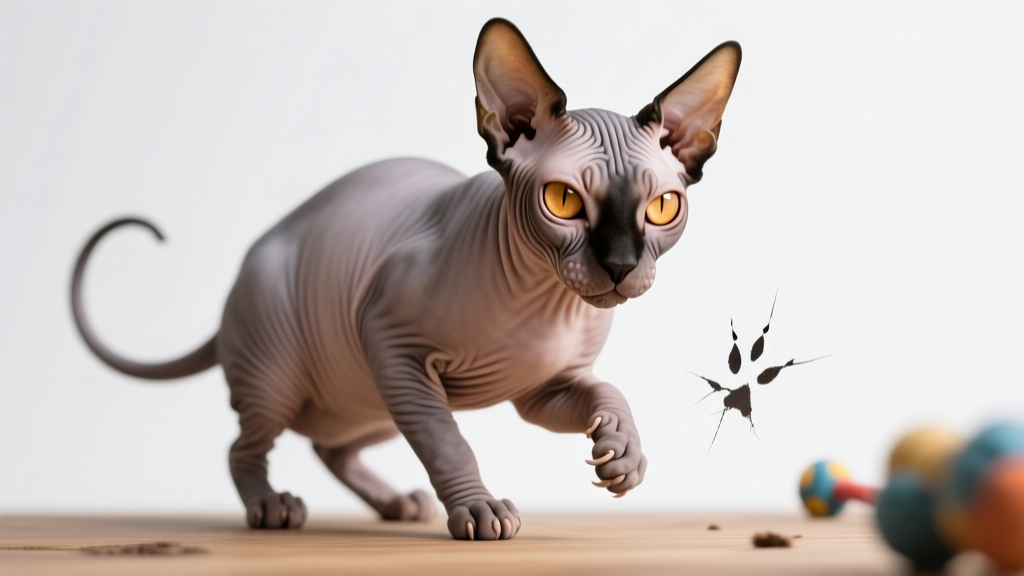
Your cat scratches the floor next to the bowl (not the water) as if trying to dig a little trench. This often looks like the same motion they use to cover food or litter.
Why it happens: Cats have strong instincts around managing scents and resources. Some cats “pretend bury” around food or water, especially if they’re not hungry/thirsty at that moment or if the location feels too exposed. It can be a version of: “I’ll deal with this later,” or “This doesn’t feel ideal.”
Common scenario: The water bowl is next to the food bowl, near the litter box, or in a high-traffic hallway where people (or dogs) pass by.
2) The “water visibility” tap-and-paw
Your cat delicately taps the edge of the bowl or paws near the water, then leans in to drink.
Why it happens: Cats don’t see still water as easily as we do. Their vision is excellent at detecting movement. A perfectly still, clear surface can be visually confusing—especially in a reflective metal bowl. Pawing may create ripples to help them locate the waterline.
Common scenario: Bright kitchen lighting + stainless-steel bowl + clear water = a little optical puzzle for some cats.
3) The “I don’t like my whiskers touching” shuffle
Your cat paws around and shifts their stance, then drinks from the edge—or only drinks when the water level is high.
Why it happens: Some cats dislike the feeling of their whiskers brushing the sides of a narrow or deep bowl. This is often called whisker fatigue (or more accurately, whisker sensitivity). Pawing can be part of repositioning or delaying because the bowl feels uncomfortable.
Common scenario: A small ceramic dish with steep sides, or a deep bowl meant for dogs.
4) The “I’m trying to move the bowl” problem-solver
Your cat paws at the floor and the bowl slides slightly. Then they drink, or they keep pawing like they’re remodeling.
Why it happens: Many cats prefer water that’s away from walls, corners, or noisy appliances. They may literally try to move the bowl to a “better” spot, or they’re testing whether it wobbles.
Common scenario: The bowl is tucked against a wall, next to a washing machine, or on a slippery surface that shifts underfoot.
5) The “I’m feeling playful or excited” pre-sip ritual
Some cats paw the floor in a bouncy, almost kittenish way—especially after zoomies or right before mealtime.
Why it happens: Cats use their paws to explore. When they’re in a high-arousal state (excited, playful, a bit wound up), they may interact with the environment before settling into a calm drink.
Common scenario: Your cat runs into the room, chirps, paws twice, drinks, and leaves like a quirky little athlete hydrating between sprints.
What it can tell you about your cat’s mood and feelings
The pawing itself isn’t usually “bad behavior.” Think of it as information.
- Curious and assessing: Slow, careful pawing + sniffing often means your cat is in “investigation mode.”
- Slightly unsure or picky: Pawing paired with hesitating, looking around, or walking away can mean the location feels too exposed, noisy, or uncomfortable.
- Comfort-seeking: If your cat paws and then chooses a very specific angle to drink, they may be trying to avoid whisker contact or reflections.
- Mildly stressed: Repetitive pawing + tense posture (low body, ears angled back, tail flicking) can suggest your cat doesn’t feel fully safe at the water station.
- Playful: Light, quick paw taps with relaxed ears and a soft body often means your cat is simply being… a cat.
A helpful rule: look at the whole cat, not just the paws. Posture, tail movement, and whether they ultimately drink comfortably matter more than the pawing alone.
Related behaviors you might also notice
Cats are consistent in their logic—even when it looks odd to us. If your cat paws before drinking, you may also see:
- “Burying” motions near food: Scratching the floor beside the bowl after a few bites.
- Drinking from the faucet: Moving water is easier to see and can feel fresher.
- Hover-drinking: Drinking while keeping their body back, neck stretched, as if they’d rather not lean in.
- Preference for wide, shallow dishes: Often tied to whisker sensitivity.
- Playing in the water: Tapping the surface, dunking a paw, or “fishing” for water drops.
When pawing is normal—and when it might be a concern
Usually normal: If your cat paws briefly, then drinks a normal amount, maintains a healthy appetite, and acts like themselves, this is simply a quirk rooted in instinct and comfort preferences.
Worth a closer look: Consider a vet check or environment change if you notice any of the following:
- They paw but won’t drink (or drink dramatically less than usual).
- Increased thirst (visiting the bowl constantly) or increased urination, which can signal medical issues like kidney disease, diabetes, or hyperthyroidism.
- Sudden behavior change: a cat who never pawed before starts doing it intensely, especially if paired with hiding or irritability.
- Pawing plus mouth discomfort signs: drooling, pawing at the mouth, bad breath, dropping food—dental pain can change drinking behavior.
- Obsessive, repetitive scratching that seems anxious or compulsive, especially if triggered by household stress or conflict with other pets.
If your instincts say “this seems different,” trust that. Cats are masters at subtle signs.
Tips for responding (and gently improving your cat’s drinking setup)
You don’t need to “train out” pawing. Most cats are just checking their water like responsible little survivalists. But you can make the experience smoother and encourage better hydration.
- Switch to a wide, shallow bowl: This can reduce whisker contact and make drinking more comfortable.
- Try a non-reflective material: Ceramic or matte stainless steel can be easier than shiny metal for some cats.
- Place water away from food and litter: Many cats prefer water stations separate from feeding areas (and definitely separate from the litter box).
- Offer multiple water stations: One quiet spot, one social spot—let your cat vote with their paws.
- Use a water fountain: Flowing water can be more enticing and easier to see. Bonus: many cats drink more from fountains.
- Stabilize the bowl: Use a non-slip mat so the bowl doesn’t slide when your cat paws nearby.
- Keep it fresh: Rinse daily, wash regularly with mild soap, and refresh the water. Cats notice “off” tastes faster than we do.
If your cat’s pawing seems to be about safety (busy hallway, dog hovering, loud appliances), the kindest response is simple: move the water to a calmer spot and see what changes.
Fun facts and research-ish nuggets cat people love
- Cats are built for low-light hunting, not for spotting still water. Their eyes excel at detecting motion, which helps explain why ripples (or fountains) can be so appealing.
- Cats have a surprisingly precise drinking technique. When they lap water, they flick the top of the surface with the tip of the tongue and pull a column of water up—fast. It’s a physics-meets-feline kind of miracle.
- Water preferences are individual. Some cats want a fountain, others prefer a quiet ceramic bowl. Pawing can be your cat’s way of telling you which “style” of water station they’d like.
FAQ: Common questions about cats pawing before drinking
Is my cat trying to “dig” for water?
Not exactly, but the motion can resemble digging. It’s more likely your cat is testing the area, creating ripples to see the water, or performing a burying-style instinct near a resource.
Does pawing mean my cat thinks the water is dirty?
Sometimes. If the pawing is followed by refusal to drink—or your cat keeps sniffing and walking away—refresh the water, wash the bowl, and consider changing the location. Cats can be sensitive to odors, soap residue, and stale water.
Why does my cat paw at the floor but not at the water?
Pawing the floor is often about the setup: the surface, the stability of the bowl, the cat’s footing, or the feeling of the location. It can also be a “covering” instinct, similar to what some cats do after eating.
Should I stop my cat from doing it?
No need. If it’s not causing harm and your cat is drinking normally, it’s a harmless quirk. If it’s loud at night or seems stress-related, focus on improving the water station (quieter location, non-slip mat, fountain).
My cat paws and spills water everywhere—what can I do?
Try a heavier, wider bowl on a waterproof mat, or a fountain with a lower splash design. Some cats enjoy pawing at water like a toy, so controlling the mess is usually easier than changing the preference.
Can pawing before drinking be a sign of illness?
By itself, usually no. But if it comes with reduced drinking, increased thirst, appetite changes, weight loss, vomiting, or behavior changes, schedule a vet visit to rule out medical causes.
Cats don’t do “random” nearly as often as it seems. That little pawing routine before a sip is your cat’s way of making sure the world is safe, the water is drinkable, and the experience feels right on their sensitive whiskers and sharp instincts.
Has your cat developed a unique water ritual—pawing, faucet demanding, or only drinking from a specific glass like it’s royalty-approved? Share your story with the Cat Lovers Base community at catloversbase.com. We’d love to hear the wonderfully weird ways your cat makes water time their own.