How to Control Cats Behavior Advice For Frustrated Owners
Why "How to Control Cats Behavior Advice For" Is the Wrong Question — And What to Ask Instead
If you've ever typed how to control cats behavior advice for into Google at 3 a.m. while stepping barefoot on a rogue toy mouse — you're not alone. But here’s the truth most guides skip: cats aren’t disobedient toddlers waiting for discipline. They’re highly sensitive, autonomy-driven predators whose 'problem behaviors' are almost always unmet biological, environmental, or emotional needs. So instead of asking how to control cats behavior advice for frustrated owners, ask: What is my cat trying to tell me? That shift — from control to communication — is where lasting, humane change begins. In this guide, we move beyond quick fixes and outdated dominance myths to deliver actionable, evidence-based strategies used by veterinary behaviorists and certified cat behavior consultants worldwide.
1. Decode the 'Why' Before You Adjust the 'What'
Before implementing any technique, you must identify the functional cause of the behavior. Dr. Sarah Heath, a European Board-Certified Veterinary Behaviourist, emphasizes: "Labeling a cat as 'aggressive' or 'stubborn' without assessing motivation is like diagnosing a fever without checking for infection." Feline behavior falls into five primary functional categories — and misidentifying one leads to worsening outcomes.
- Attention-seeking: Meowing incessantly, knocking items off shelves, pawing at your laptop — often reinforced unintentionally by eye contact or verbal response.
- Resource guarding: Hissing near food bowls, blocking doorways, or swatting when approached near sleeping spots — rooted in insecurity, not dominance.
- Fear or anxiety: Hiding, flattened ears, tail flicking, sudden aggression when cornered — commonly mistaken for 'bad temperament.'
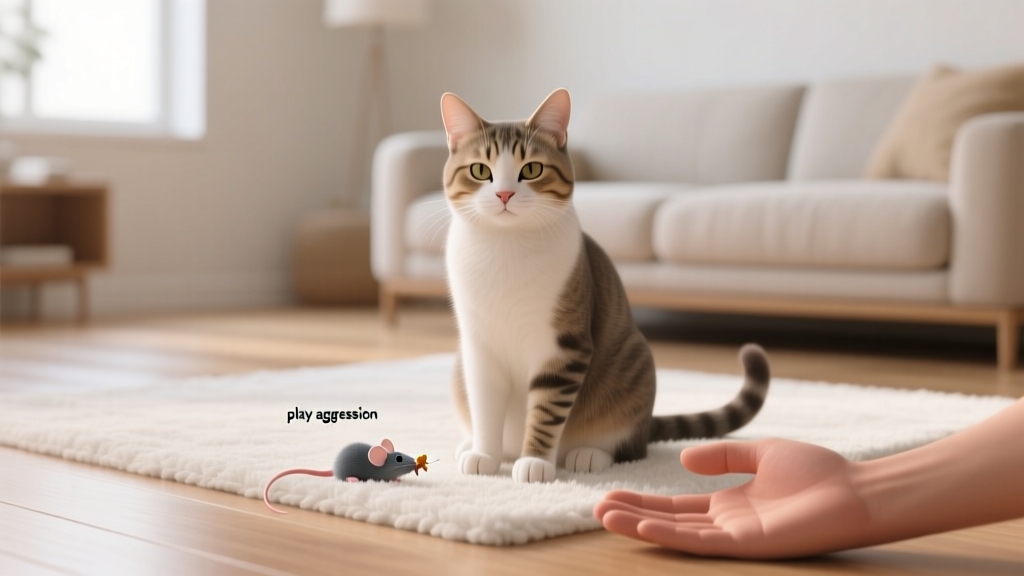
- Play-related overstimulation: Biting ankles, pouncing on moving feet, attacking hands — especially common in under-stimulated indoor cats.
- Medical masking: Urinating outside the box, excessive grooming, vocalizing at night — can signal UTIs, hyperthyroidism, or cognitive decline (especially in cats over age 10).
A 2022 study published in Journal of Feline Medicine and Surgery found that 38% of cats referred for 'aggression' had underlying pain (dental disease or osteoarthritis) confirmed via physical exam and diagnostics. Always rule out medical causes first — consult your veterinarian before assuming behavioral intent.
2. The 3-Pillar Framework: Enrichment, Predictability, and Positive Reinforcement
Effective behavior support rests on three non-negotiable pillars — each backed by decades of applied ethology research and validated across shelters, multi-cat homes, and veterinary clinics. Unlike punishment-based methods (which increase fear and erode trust), this framework builds security and cooperation.
- Environmental Enrichment: Cats need vertical space, safe hiding zones, prey-like movement, and olfactory variety. A 2021 University of Lincoln study showed cats in enriched environments exhibited 62% less redirected aggression and 47% fewer elimination issues.
- Routine & Predictability: Feed, play, and interaction times should vary by no more than 30 minutes daily. Cats thrive on temporal certainty — unpredictability triggers low-grade chronic stress, manifesting as overgrooming or irritability.
- Positive Reinforcement Only: Reward desired behavior *within 1–2 seconds* using high-value treats (e.g., freeze-dried chicken), gentle chin scratches, or interactive play. Never use spray bottles, loud noises, or physical correction — these damage your bond and worsen anxiety.
Consider Luna, a 3-year-old rescue with severe resource guarding around her food bowl. Her owner tried 'firmly saying no' and covering the bowl — escalating Luna’s vigilance. After switching to the 3-Pillar approach — adding elevated feeding perches, consistent meal timing, and rewarding calm proximity with treats — guarding decreased by 90% in 11 days. Her vet confirmed no underlying pain, confirming the behavior was purely environmental.
3. Targeted Tactics for Top 5 'Problem' Behaviors
Generic advice fails because cats don’t generalize well. Here’s how to respond to the five most-searched behaviors — with precise, timed interventions:
- Scratching furniture: Provide 3+ scratching posts (cardboard, sisal, carpet) placed *next to* targeted furniture — then apply double-sided tape or citrus-scented deterrents *only on the furniture*, never the post. Reward every time she uses the post — even if just sniffing it.
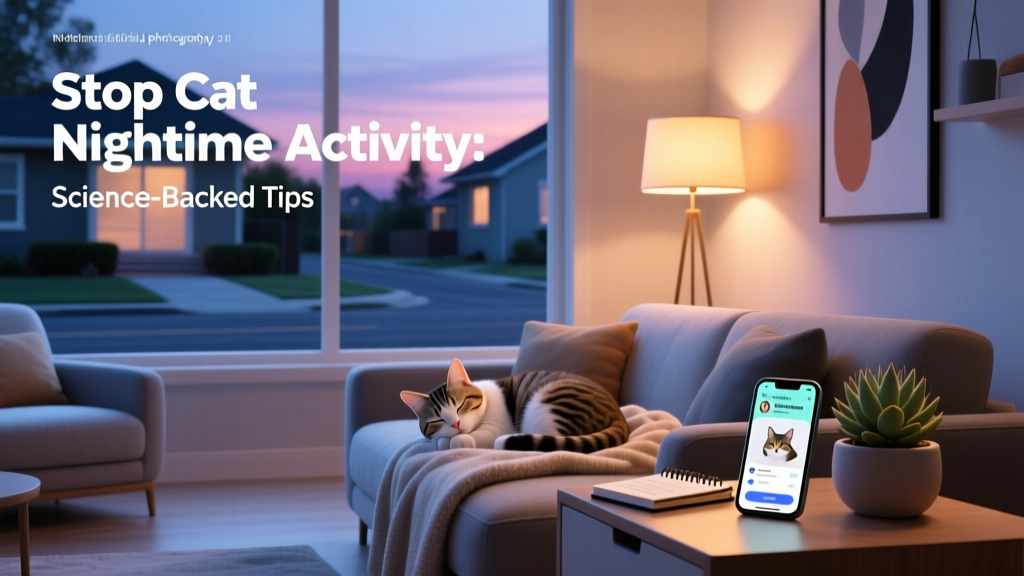
- Early-morning yowling: Shift her entire feeding schedule: offer 80% of daily calories right before bedtime, then set up an automatic feeder for 5 a.m. Add a 15-minute interactive play session *before lights-out* to simulate the natural hunt-catch-eat-sleep cycle.
- Litter box avoidance: Follow the '1+1 Rule': provide one box per cat + one extra, all unscented, uncovered, and scooped twice daily. Place boxes in quiet, low-traffic areas — never next to washing machines or litter boxes. If avoiding one specific box, replace its litter type (clay → pine pellets) and location — then reintroduce gradually.
- Biting during petting: Learn her 'twitch-tail threshold' — the subtle tail flick or skin ripple signaling overstimulation. Stop petting *before* that point — then reward calmness with a treat. Gradually extend tolerance by adding 2 seconds per session, only if she remains relaxed.
- Bringing 'gifts' (dead bugs/mice): Don’t punish — it’s instinctual provisioning. Redirect by offering daily 10-minute 'hunt' sessions with wand toys, followed by a food puzzle. This satisfies the predatory sequence and reduces live-hunting drive indoors.
4. Your Step-by-Step Intervention Timeline (First 14 Days)
Consistency beats intensity. This table outlines exactly what to do — and when — for maximum neurobehavioral impact. Based on protocols from the American College of Veterinary Behaviorists and the International Cat Care guidelines.
| Day | Action | Tools Needed | Expected Outcome |
|---|---|---|---|
| Day 1 | Complete full medical screening + baseline behavior log (note time, trigger, duration, outcome) | Vet appointment, notebook/app, stopwatch | Rule out pain or illness; establish objective baseline |
| Days 2–3 | Add 2 vertical spaces (cat tree, wall shelf) + 1 new scratching surface near problem area | Sisal post, mounting hardware, cat-safe adhesive | Cat explores new zones; reduced territorial marking |
| Days 4–7 | Implement fixed feeding/play schedule: 15-min interactive play 1 hr before bed + meals at same time daily | Wand toy, timer, automatic feeder (optional) | Decreased nocturnal activity; improved sleep continuity |
| Days 8–14 | Begin clicker training for 3 target behaviors (e.g., 'touch', 'come', 'settle') — 2x/day × 90 seconds | Clicker, high-value treats (cut small), quiet room | Stronger human-cat communication; increased confidence and impulse control |
Frequently Asked Questions
Can I train my cat like a dog?
No — and that’s not a limitation, it’s biology. Dogs evolved for cooperative pack work and respond to social reinforcement (praise, group inclusion). Cats evolved as solitary hunters who prioritize autonomy and safety. Training works best when framed as choice-based games: 'If you touch this target, you get a treat.' Force, repetition, or long sessions backfire. Focus on short, positive, voluntary interactions — and celebrate tiny wins.
Will neutering/spaying fix behavior problems?
It helps significantly with hormonally driven behaviors — like spraying in intact males (reduces by ~90%) or yowling in intact females — but does little for learned, anxiety-based, or medically rooted issues. One shelter study found that 64% of post-neuter behavior referrals involved litter box avoidance or intercat aggression — both unrelated to hormones. Always pair surgery with environmental and behavioral support.
Do calming supplements or pheromone diffusers really work?
Evidence is mixed but promising for specific contexts. Feliway Classic (synthetic feline facial pheromone) shows efficacy in reducing stress-related urine marking in 61% of cases (JFMS, 2020), especially when combined with environmental changes. L-theanine and alpha-casozepine supplements may reduce anxiety in some cats — but never replace enrichment or vet evaluation. Avoid CBD or essential oils: they’re poorly studied and potentially toxic to cats’ livers.
My cat bites when I pick him up — is he being dominant?
No — dominance is a debunked concept in feline behavior science. Cats bite when lifted because it violates their sense of control and safety. Most cats dislike full-body restraint unless trained gradually. Start by rewarding calm tolerance of hand-on-shoulder contact, then brief lifts (1 second), then longer holds — always ending before stress signals appear (tail swish, flattened ears). Build trust through consent, not coercion.
How long until I see improvement?
Most owners notice subtle shifts (less intense reactions, longer calm periods) within 3–5 days. Meaningful reduction in frequency/intensity typically takes 2–4 weeks of consistent implementation. Complex issues — like fear-based aggression toward visitors — may require 3–6 months and professional support. Patience isn’t passive waiting; it’s daily, compassionate recalibration.
Common Myths About Controlling Cat Behavior
- Myth #1: “Cats can’t be trained.” — False. Cats learn constantly through operant conditioning. They simply require higher-value rewards, shorter sessions, and zero coercion. Clicker-trained cats routinely perform complex tricks, navigate agility courses, and even participate in veterinary exams voluntarily.
- Myth #2: “Spraying means your cat is angry or spiteful.” — False. Spraying is a stress-signaling behavior — not moral judgment. It communicates insecurity about territory, resources, or social dynamics. Punishing a sprayed surface only teaches the cat to hide the behavior — not stop it.
Related Topics (Internal Link Suggestions)
- Understanding Cat Body Language — suggested anchor text: "what your cat's tail flick really means"
- Best Cat Toys for Mental Stimulation — suggested anchor text: "indoor cat enrichment toys that actually work"
- Multi-Cat Household Harmony Guide — suggested anchor text: "how to stop cats fighting in same home"
- When to Call a Cat Behaviorist — suggested anchor text: "signs your cat needs professional behavior help"
- Cat-Proofing Your Home Safely — suggested anchor text: "non-toxic cat deterrents that won't harm your pet"
Your Next Step Starts With Observation — Not Correction
You now know that how to control cats behavior advice for isn’t about authority — it’s about attunement. Every swat, yowl, or scratched couch tells a story your cat can’t verbalize. Your power lies not in commanding obedience, but in becoming fluent in feline. So tonight, before bed: sit quietly for 5 minutes and watch your cat — not to judge, but to notice. Where does she linger? What makes her ears pivot? When does her tail go still? That curiosity — gentle, patient, and grounded in respect — is the first, most powerful behavior intervention of all. Ready to build your personalized plan? Download our free 14-Day Cat Behavior Tracker & Intervention Planner — complete with printable logs, vet question prompts, and video demos of every technique covered here.