Why Cats Sit on the Garage Door Threshold
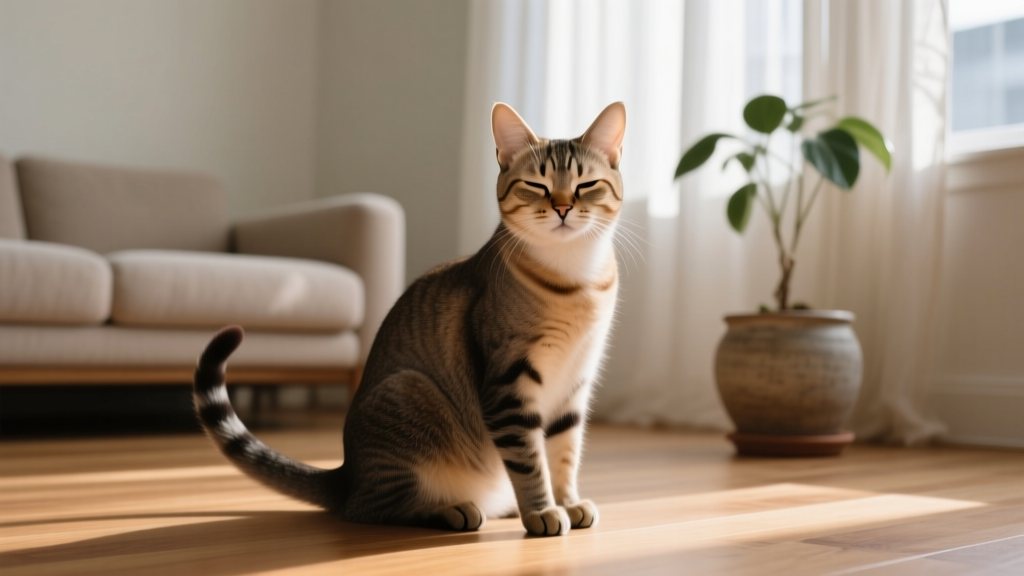
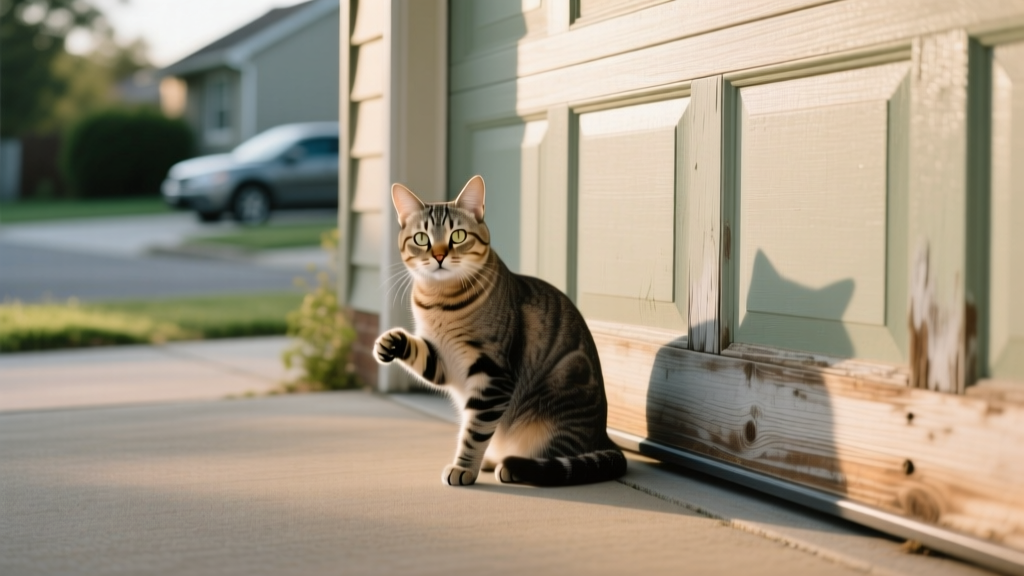
You’re carrying groceries, the garage door rumbles open, and there they are: your cat, parked like a tiny bouncer right on the threshold. Not fully in the garage, not fully out. Just… exactly in the line of traffic, watching you with calm, unblinking confidence. You pause, shuffle the bags, and your cat doesn’t move—except maybe a slow blink that somehow makes you feel like the one being evaluated.
If your cat has claimed the garage door threshold as their personal observation deck, you’re not alone. This is one of those classic “cat choices” that seems random until you look at it through a feline lens. That strip of space is more than a doorway—it’s a border, a scent checkpoint, a temperature gradient, a listening post, and in your cat’s mind, a very sensible place to sit.
The Scientific (and Slightly Wild) Reason Cats Love Thresholds
Cats are edge specialists. In the wild, small felines survive by controlling access to resources, monitoring territory, and staying close to escape routes. A threshold—like the one between your garage and the outdoors—hits multiple evolutionary buttons at once:
- Territory monitoring: Cats are deeply invested in who’s coming and going. A doorway concentrates scent and movement like a bottleneck.
- Safety + visibility: Sitting at an “edge” allows a cat to observe without being fully exposed. The doorway often provides cover behind them and open sightlines in front.
- Predictable traffic: You, the car, the neighbors, delivery people, squirrels… thresholds are where the action is.
- Scent management: Cats communicate with scent constantly. Doorways collect odors from tires, shoes, air currents, and passing animals—basically a daily “news feed.”
From an animal behavior perspective, thresholds are prime real estate because they offer information. And for cats, information equals control. Control equals calm.
What’s So Special About the Garage Door Threshold? Context Matters
Not all threshold-sitting is the same. The “why” often changes depending on the time of day, your cat’s personality, and what’s happening around the garage.
1) It’s the Warm/Cool Sweet Spot
Garages tend to create interesting microclimates. In summer, the floor near the doorway might be cooler than the rest of the house. In winter, that strip might catch a little sun or warm air spilling from indoors. Cats are heat-seekers and comfort engineers; they’ll choose the spot that feels best to their body in that moment.
What it looks like: Your cat stretches out, half-asleep, occasionally shifting positions like they’re adjusting a thermostat only they can feel.
2) It’s a “Border Patrol” Station
If there are neighborhood cats, raccoons, stray dogs, or even frequent human foot traffic, your cat may post up at the threshold to monitor potential intrusions. This is especially common in cats who are more territorial or who have previously encountered an outdoor cat near the home.
What it looks like: Upright posture, ears rotating like radar dishes, tail still or gently flicking at the tip, intense staring at the driveway or yard.
3) It’s a Scent Checkpoint
Garages smell like outside: car tires, leaves, pollen, and the fascinating odor collage of the neighborhood. For a cat, sitting there can be like reading the morning paper—who walked by, which dog visited, whether the mail carrier arrived, and whether the wind brought “new” smells today.
What it looks like: Sniffing the air, slow head turns, occasional lip-licking or open-mouth “flehmen response” (that quirky half-open mouth expression cats make when analyzing scent).
4) It’s a Social Spot (Yes, Really)
Some cats choose the threshold because it’s a place where they reliably interact with you. You leave through it, return through it, talk near it, set items down near it. If your cat wants attention on their terms, the threshold is a clever meeting point—close enough for company, far enough to feel in control.
What it looks like: Rolling onto one hip, slow blinking, chirping, or standing to rub against your legs right when your hands are full.
5) They Like Having Two Escape Options
Behaviorally, cats prefer locations with at least one easy exit route. A doorway offers the ultimate choice: retreat inside or dash outside (or back into the garage). Even indoor-only cats may find comfort in simply having multiple routes available.
What it looks like: Alert lounging—relaxed body, but ready-to-move feet tucked under like a coiled spring.
What This Behavior Says About Your Cat’s Mood
The threshold can be a “mood barometer.” Watch the body language, and you’ll learn what your cat is feeling in real time.
- Relaxed and content: Soft eyes, slow blinks, loose tail, lounging on one side. They’re enjoying the spot for comfort and mild curiosity.
- Curious and engaged: Ears forward, head tracking movement, whiskers neutral-to-forward. They’re gathering information, not stressed.
- On alert (but not panicked): Upright posture, tail tip twitching, ears swiveling. Something outside is interesting or potentially important.
- Stressed or defensive: Low crouch, tense muscles, ears sideways or back, dilated pupils, growling or yowling at the door. This can indicate territorial tension—often another animal nearby.
One of my favorite “cat truths” is this: a cat at ease will choose a vantage point. A cat who feels unsafe will choose a hiding point. Threshold sitting is usually about vantage.
Related Behaviors You Might Notice
If your cat loves the garage threshold, you may also see these perfectly on-brand companion behaviors:
- Door dashing attempts: They’ve learned the threshold is where doors open. (In their defense, it’s a logical conclusion.)
- Rubbing cheeks on the door frame: This deposits facial pheromones—your cat’s way of labeling the entry as “ours.”
- Pawing under the door: A combination of play, exploration, and “I know there’s something on the other side.”
- Staring at “nothing”: Usually hearing or smelling something you can’t detect—like a distant cat, a bug, or a tiny rustle outside.
- Rolling near the threshold: A comfort-and-scent behavior; rolling can help spread their scent and release tension.
When Threshold Sitting Is Normal… and When It’s a Concern
Most of the time, this behavior is normal and even healthy enrichment. Your cat is observing, regulating their comfort, and feeling connected to the household’s comings and goings.
It may be a concern if you notice:
- Sudden obsession or agitation: If your cat previously ignored the garage but now spends hours there, stalking or yowling, something may be triggering them (often another cat outside).
- Spraying or urine marking near the door: This can signal territorial anxiety or stress.
- Aggression redirected at you or other pets: If your cat watches outside and then lashes out, they may be experiencing “redirected aggression” from frustration or arousal.
- Hiding, appetite changes, or over-grooming: These can indicate stress that’s spilling into other parts of life.
- Safety risks: If the garage door is active, or there are chemicals/tools accessible, the threshold becomes more dangerous than charming.
If your cat seems distressed, or the behavior comes with major changes in eating, litter box habits, or social behavior, a vet check and a behavior consult are both smart next steps. Pain and stress can look surprisingly similar in cats.
How to Respond (and How to Encourage It Safely)
You don’t need to “correct” a cat for enjoying a threshold. You just want to make it safe and align it with your household rules.
Make the Threshold a Cat-Friendly Viewing Spot
- Add a mat or low perch: A washable rug or small bench gives them a designated place that’s not directly underfoot.
- Use a baby gate or screen option: If your cat is prone to darting out, create a visual access point without full escape access.
- Provide a scent soother: If outside triggers tension, feline pheromone diffusers/sprays near the entry can reduce arousal.
Prevent Door-Dashing Without Turning It Into a Game
- Reward sitting back from the threshold: Toss a treat onto a “station” mat a few feet away when you open the door.
- Teach a simple cue: “Mat” or “Place” training works for many cats using short sessions and high-value treats.
- Increase indoor enrichment: If your cat is craving stimulation, add puzzle feeders, window perches, and short play sessions to meet that need.
Reduce Outdoor Triggers
- Block sightlines if needed: Frosted window film or strategic barriers can help if neighborhood cats are causing stress.
- Discourage visiting cats humanely: Motion-activated sprinklers (outside), scent deterrents, and keeping food sources secured can reduce “trespassers.”
The goal is not to remove your cat from their favorite lookout—it’s to help them feel secure without rehearsing risky habits.
Fun Facts and Research-Adjacent Nuggets Cat People Love
- Cats are crepuscular: Many cats are most active at dawn and dusk—exactly when garage activity (commutes, dog walks, wildlife) tends to spike. Threshold lounging at those times is often strategic.
- Doorways amplify scent: Airflow patterns around entrances concentrate odors. Even if you don’t smell anything, your cat is getting a detailed “scent map.”
- Edges reduce surprise: Animals that are both predator and prey (like cats) gravitate toward positions where they can see threats coming while staying close to cover.
- Your routine becomes their routine: Cats learn household “traffic schedules” quickly. If you usually come home through the garage, that threshold becomes a reliable prediction point—comforting for some cats, exciting for others.
FAQ: Common Questions About Cats and Garage Door Thresholds
Is my cat guarding the garage?
Sometimes. “Guarding” in cat terms usually means monitoring. If your cat sits upright, stares outside, and reacts to movement or other animals, they may be doing a light version of territorial patrol.
Why does my cat sit there and stare like they’re seeing ghosts?
They’re likely hearing or smelling something you can’t—distant cats, insects, small animals, or even subtle sounds like a neighbor’s car door. Cats detect higher-frequency sounds and faint movement better than we do.
My cat tries to run out when the garage opens—what should I do?
Create a “station” spot a few feet away and reward your cat for going there before the door opens. Use barriers (baby gate, screen door, closed interior door) during high-risk times. Avoid chasing—chase turns it into a thrilling game.
Why does my cat roll around or rub the door frame?
That’s scent marking and comfort behavior. Facial rubbing deposits pheromones that label the area as familiar and safe. Rolling can also spread scent and release tension.
Could my cat be stressed by another cat outside?
Yes. If you notice growling, yowling, tail lashing, spraying, or redirected aggression, an outdoor cat may be triggering territorial stress. Blocking sightlines, using pheromone support, and discouraging outside visitors can help.
Is it safe for my cat to hang out by the garage?
It can be, with precautions: keep chemicals locked up, ensure there’s no access to toxic substances (antifreeze is a major hazard), check that the garage door sensors work properly, and consider a designated mat/perch away from the door’s moving parts.
Threshold Sitting: A Small Behavior With a Lot to Say
When your cat posts up on the garage door threshold, they’re not being weird “just because.” They’re choosing a spot that offers comfort, information, and a sense of control—three things cats value deeply. Once you start seeing doorways as feline observation points and scent checkpoints, the behavior becomes less mysterious and more like a tiny window into how your cat experiences the world.
Does your cat sit like a statue at the garage door? Do they chirp at birds in the driveway, roll on the mat like it’s the best place on earth, or act like the neighborhood security team? Share your cat’s funniest (or most puzzling) threshold habits with fellow cat people on catloversbase.com—we’d love to hear your stories.