Why Cats Sit on the Bookshelf Middle Shelf
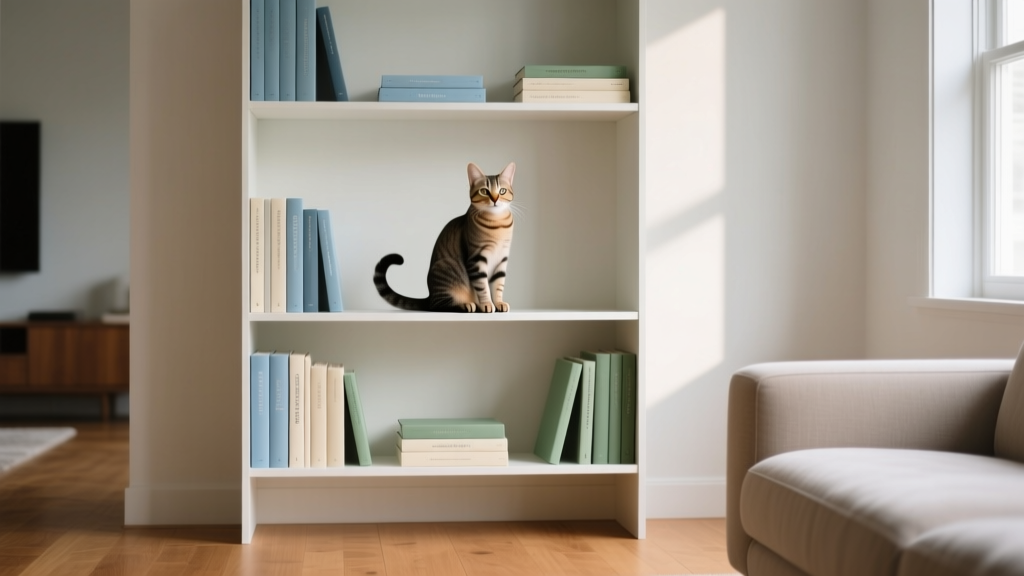
You’re in the middle of doing something very normal—answering an email, loading the dishwasher, trying to remember why you walked into the room—when you feel it: the unmistakable sensation of being watched. You look up and there’s your cat, perched on the middle shelf of the bookshelf like a tiny, furry librarian. Not the top shelf (too obvious). Not the floor (beneath them). The middle. Perfectly centered. Perfectly in control. Occasionally they blink slowly, as if to say, “Yes, I live here. You may continue.”
If your cat has claimed that mid-level nook as a favorite hangout, you’re not alone—and your cat isn’t being random. There are some very cat-logical reasons the middle shelf is prime real estate.
1) The Science (and Evolution) Behind the Middle Shelf Obsession
Cats are small predators and also, in many contexts, potential prey. That dual identity shaped the feline brain: they’re wired to seek places that balance safety, visibility, and control of access. A middle shelf hits that sweet spot.
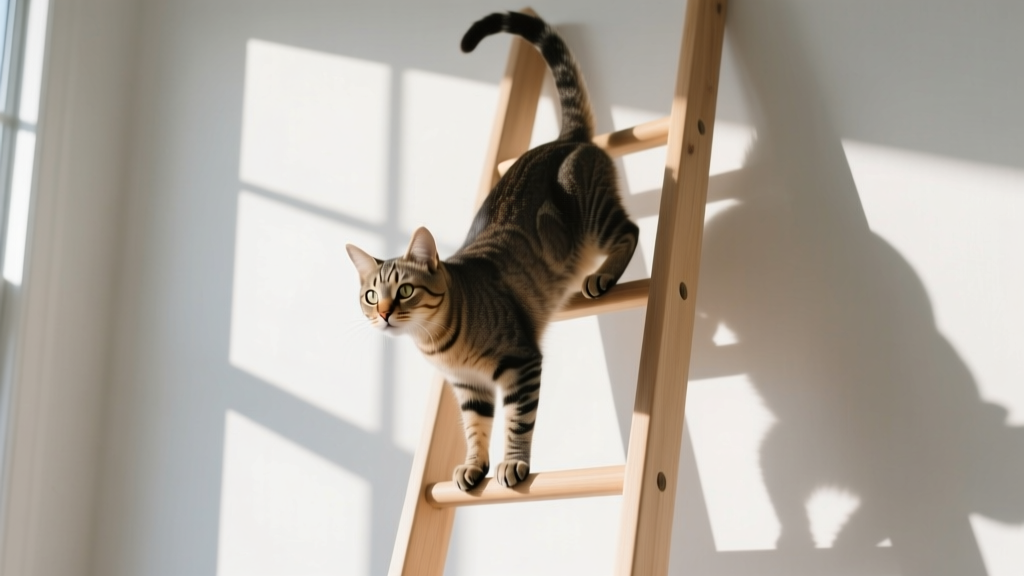
Elevation = security. In the wild, height provides a safer resting spot and a better vantage point. Even in your living room, “high” often equals “less likely to be bothered.”
Not too high, not too low. The middle shelf is often the most stable-feeling option. The top of a bookshelf can be wobbly, dusty, too hot, or too exposed. The bottom shelf is closer to foot traffic, vacuums, toddlers, dogs, and other household chaos. The middle shelf is elevated enough to feel secure but low enough to feel easy to access and quick to exit.
Territory management. Cats don’t just live in space; they live in vertical space. Many cats use height the way we use rooms—different levels for different moods, activities, and social needs.
Scent comfort. Books, paper, and wood hold scent well. A bookshelf shelf becomes a familiar “scented zone,” especially once a cat has rubbed cheeks along the edge or napped there a few times.
2) Why the Middle Shelf, Specifically? A Detailed Breakdown by Context
Not all bookshelf sits are the same. The “why” often depends on what’s happening around your cat.
A) The “I Want to Be Near You, Not On You” Sit
Some cats are affectionate but not clingy. The middle shelf lets them share your space without being touched every five seconds. If your cat parks there while you read, work, or watch TV, they may be choosing a companionable distance—close enough to feel connected, far enough to feel in control.
Classic scene: You’re on the couch. Your cat hops onto the middle shelf behind you, tucks paws under, and watches quietly. If you look back, you might get a slow blink. That’s a feline “we’re good” signal.
B) The “Traffic Control Tower” Sit
Many bookshelves face the main flow of the home: hallway, living room, kitchen path. Middle shelves provide a perfect “monitoring station.” Cats like to know who’s coming and going and where the action is, even when they’re pretending not to care.
Classic scene: Every time someone walks past, your cat’s ears swivel like satellite dishes. They don’t run. They don’t hide. They simply observe, as if they’re collecting data for a report you’ll never see.
C) The “I Need a Break” Sit
If your house is busy—kids, visitors, another pet—the middle shelf can be a low-drama retreat. It’s a small boundary that says, “Pause. Don’t approach me casually.”
For some cats, the top shelf can feel too exposed (nothing above them), while a middle shelf offers a “roof” from the shelf above. That overhead cover can feel safer—like a built-in hiding spot without being a full hide.
D) The “Warmth and Comfort” Sit
Bookshelves are often near windows, radiators, or warm electronics. The middle shelf might have the best temperature: not as hot as the top shelf (heat rises), not as drafty as the floor. Also, the shelf surface may be smoother or more stable for settling in.
E) The “This Smells Like Me” Sit
Cats have scent glands on their cheeks and paws. When they rub the shelf edge or knead the surface, they’re leaving a comforting signature. Over time, the middle shelf becomes “theirs,” and returning to it helps them feel grounded.
3) What It Means About Your Cat’s Mood and Feelings
Bookshelf sitting is usually a sign your cat feels confident enough to be visible. The details, though, tell you more.
- Relaxed loaf (paws tucked), half-closed eyes: Calm, content, feeling safe.
- Slow blinking at you: Friendly trust. A social “I’m comfortable with you.”
- Tail wrapped neatly, ears neutral: Peaceful observation mode.
- Ears rotating, eyes wide, body upright: Curious vigilance. Not necessarily anxious—just monitoring.
- Tail flicking, tense shoulders: Overstimulated or irritated. They chose the shelf to control distance.
- Staring at another pet from the shelf: Managing social space. Height can be a confidence boost.
In many homes, the middle shelf becomes a “social compromise” spot—your cat can participate without feeling crowded.
4) Related Behaviors You Might Also Notice
If your cat loves the middle shelf, you might see these familiar companion behaviors:
- Perching on chair backs or sofa arms: Same idea—elevation with proximity.
- Following you room to room, then sitting slightly above you: Social contact on their terms.
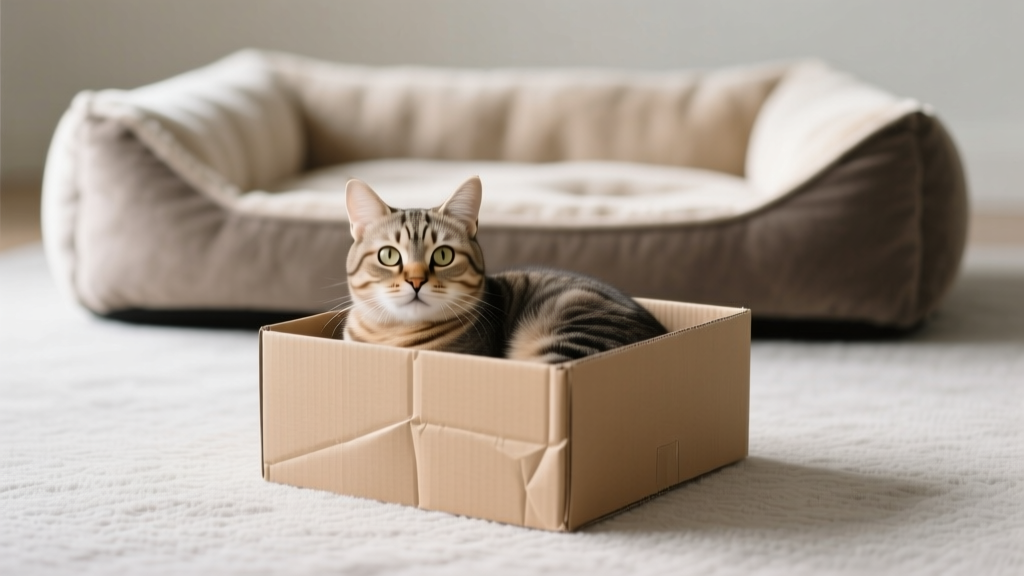
- Choosing boxes, cubbies, or under-table spaces: A “covered” version of the shelf strategy.
- Rubbing the bookshelf corners: Scent marking a high-value area.
- Knocking a book off first: Space optimization. (Not spite. More like interior design.)
- Staring out from the shelf toward a window: A hunting/monitoring station for birds, squirrels, and neighborhood drama.
5) When It’s Normal vs. When It Might Be a Concern
Most bookshelf lounging is perfectly normal, even charming. But a few patterns deserve a closer look.
Normal
- Your cat uses the shelf regularly and still eats, plays, and socializes as usual.
- They alternate between shelf time and other favorite spots.
- They look relaxed—soft body, normal grooming, calm eyes.
Potential Concern
- Sudden hiding or constant perching when they previously enjoyed being around you. This can signal stress, conflict with another pet, or illness.
- Reluctance to jump down, stiffness, missed jumps, or yowling when moving. Middle shelves can become popular when arthritis or pain makes higher jumps difficult—or when lower areas feel unsafe.
- Obsessive vigilance (wide eyes, tense posture for long periods), especially after a household change (new pet, new baby, construction noises).
- Inappropriate urination or increased aggression alongside shelf guarding. This can indicate territorial stress.
If your cat’s shelf behavior changes abruptly and you also notice appetite changes, hiding, litter box changes, or reduced grooming, a vet check is a good first step. Pain and stress can look surprisingly similar in cats.
6) Tips for Responding to (or Encouraging) the Behavior
If your cat has chosen the middle shelf, you can work with that preference to support their confidence and reduce stress.
Make It Safe
- Stabilize the bookshelf. Anchor it to the wall if possible—especially in homes with kids or playful cats.
- Create traction. Add a non-slip mat, a folded towel, or a dedicated cat shelf liner so they don’t slide when they hop up.
- Clear a “cat zone.” Move fragile objects, sharp-edged bookends, or heavy frames.
Make It Cat-Friendly (Without Losing Your Whole Shelf)
- Offer an approved perch nearby. A cat tree or wall shelf can provide an even better vantage point, reducing the urge to redecorate your books.
- Add a cozy cue. Put a small bed or blanket on the chosen shelf. Cats often stick with the spot but will appreciate the comfort.
- Respect the “no-touch zone.” If your cat goes there to decompress, avoid reaching in to pet them. Let them approach you later.
Use It for Bonding
- Slow blink from below. It’s a gentle, cat-appropriate “hello.”
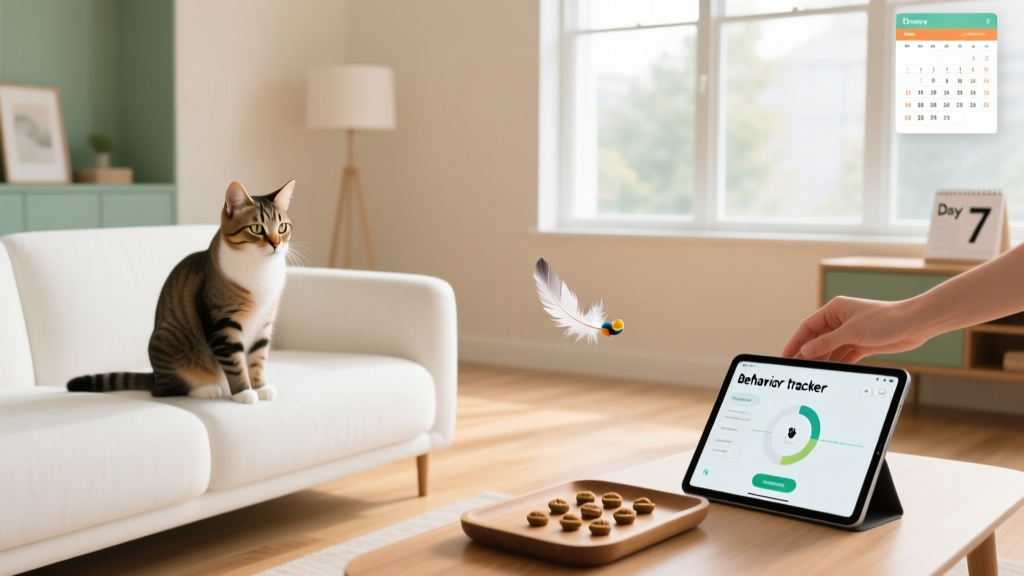
- Toss a treat up (gently) or place it on the shelf to reinforce calm perching.
- Interactive play afterward. If they use the shelf as a hunting lookout, a short wand-toy session can satisfy that instinct.
7) Fun Facts and Research-Style Findings (Cat Nerd Corner)
- Cats experience territory in 3D. Vertical space isn’t extra—it’s essential. In multi-cat homes especially, adding height can reduce tension by giving cats more “routes” and resting zones.
- Height can function like a confidence boost. From a perch, a cat can observe without engaging. This can help shy cats warm up to a new environment.
- Covered perches often feel safer than exposed ones. A middle shelf with a shelf above can mimic the security of a small cave while still offering a view.
- Your cat may be using the shelf to manage social distance. Cats are social—but they prefer choice. The middle shelf offers the option to interact or opt out.
FAQ: Common Questions About Cats and Middle Bookshelf Sitting
1) Why doesn’t my cat sit on the top shelf instead?
The top shelf can feel less stable, more exposed, and harder to access. It may also be warmer or dustier. Many cats prefer a perch that offers both view and cover—something a middle shelf provides better.
2) Is my cat doing this because they’re mad at me?
Usually, no. Sitting on a shelf is more about comfort, observation, and control of space than “sending a message.” If your cat is avoiding interaction entirely, look for other stress signs (hiding, appetite changes, irritability) rather than assuming they’re upset.
3) My cat knocks books down before sitting—why?
It’s often simple physics and preference: they want a flat, open spot that fits their body. Cats also explore with paws, and books wobble satisfyingly. If it’s frequent, give them a designated cleared shelf or add a small bed to signal “this is your spot.”
4) Should I stop my cat from sitting on the bookshelf?
If it’s safe and nothing valuable is at risk, it’s typically a healthy behavior. Cats benefit from vertical perches. If you need to redirect, provide an alternative perch nearby that’s more appealing (stable, cozy, near the same view) and reward them for using it.
5) What if my cat guards the shelf and swats when I walk by?
That can indicate stress, overstimulation, or resource guarding—especially in multi-pet homes. Increase vertical options, add separate resting areas, and avoid confrontations. If aggression escalates or appears suddenly, consult a vet and consider a qualified cat behavior professional.
6) My older cat started choosing the middle shelf recently—what does that mean?
It may be a comfort choice, but it can also reflect mobility changes. Middle shelves can be easier than high jumps while still providing safety. Watch for stiffness or hesitation, and consider a vet check for arthritis or pain management options.
A Final Thought
The middle bookshelf shelf is basically a cat’s version of a comfy balcony seat: good view, good boundaries, and just the right amount of involvement in household life. When you understand that your cat isn’t “being weird,” but meeting real instincts for safety and control, it gets easier to respond in ways that build trust.
Does your cat have a favorite “oddly specific” perch—middle shelf, top of the fridge, one particular chair that nobody else is allowed to use? Share your cat’s quirky bookshelf (or non-bookshelf) habits with the Cat Lovers Base community at catloversbase.com. We’d love to hear your best “tiny librarian” stories.