What Are Some Behaviors of Cats? 12 Surprising, Science
Why Understanding Cat Behavior Isn’t Just Cute — It’s Critical to Their Health and Your Relationship
What are some behaviors of cats? That simple question hides a profound truth: every paw tap, ear twitch, and tail flick is a sentence in a silent language most humans misinterpret — often at the cost of their cat’s trust, mental well-being, and even physical health. In fact, the American Association of Feline Practitioners reports that over 68% of behavior-related veterinary visits stem from owners misreading normal feline communication as ‘bad’ or ‘aggressive’ — leading to unnecessary punishment, chronic stress, and conditions like idiopathic cystitis or stress-induced alopecia. When you decode what your cat is truly saying — not what you assume they mean — you transform from a passive caregiver into an empathetic cohabitant. This isn’t about training a pet; it’s about cultivating mutual understanding with a species wired for subtlety, autonomy, and context-rich signaling. Let’s move beyond ‘they’re just being cats’ and into the rich, nuanced world of feline ethology — grounded in decades of observational research and clinical veterinary insight.
The 4 Core Behavioral Categories Every Cat Uses (And Why Mixing Them Up Causes Conflict)
Cats don’t communicate in isolated gestures — they layer signals across four interdependent systems: body posture, facial expression, vocalization, and scent-based messaging. Confusion arises when we isolate one cue (e.g., a flattened ear) without reading the full ensemble. Dr. Mikel Delgado, certified cat behavior consultant and researcher at UC Davis, emphasizes: ‘A tail held high with a quiver is pure affection — but the same tail held stiff and upright with rapid side-to-side motion signals intense arousal, possibly aggression. Context isn’t optional; it’s the grammar of feline communication.’
- Postural Language: Weight distribution tells volumes — forward lean = interest/approach; crouched low + tucked paws = fear or ambivalence; sideways arch + puffed fur = defensive bluff (not always aggression).
- Facial Syntax: Slow blinking = ‘I trust you enough to close my eyes’ — a deliberate, calming signal. Dilated pupils aren’t always ‘scared’; they can indicate high focus during play or hunting mode in low light.
- Vocal Nuance: Adult cats rarely meow to other cats — it’s a human-directed behavior. A short, high-pitched ‘mew’ is often a greeting; a drawn-out, low-pitched ‘meooooow’ signals urgency (e.g., hunger, pain, or demand for door access).
- Scent Signaling: Bunting (head-butting) deposits friendly facial pheromones on you or furniture — marking you as ‘safe territory.’ Scratching isn’t just nail maintenance; it leaves both visual marks and scent from interdigital glands.
Here’s the reality check: interpreting any single behavior outside this quartet leads to costly errors — like punishing a cat for scratching a post (a healthy, multisensory need) instead of providing appropriate outlets, or missing early signs of anxiety because you only watch for hissing, not the more common ‘freezing’ or excessive grooming.
Decoding 7 Common (But Widely Misunderstood) Behaviors — With Real-Life Case Studies
Let’s move from theory to lived experience. Below are seven everyday behaviors observed in thousands of homes — each paired with what science and veterinary behaviorists actually say they signify, plus real owner case studies showing how reframing changed outcomes.
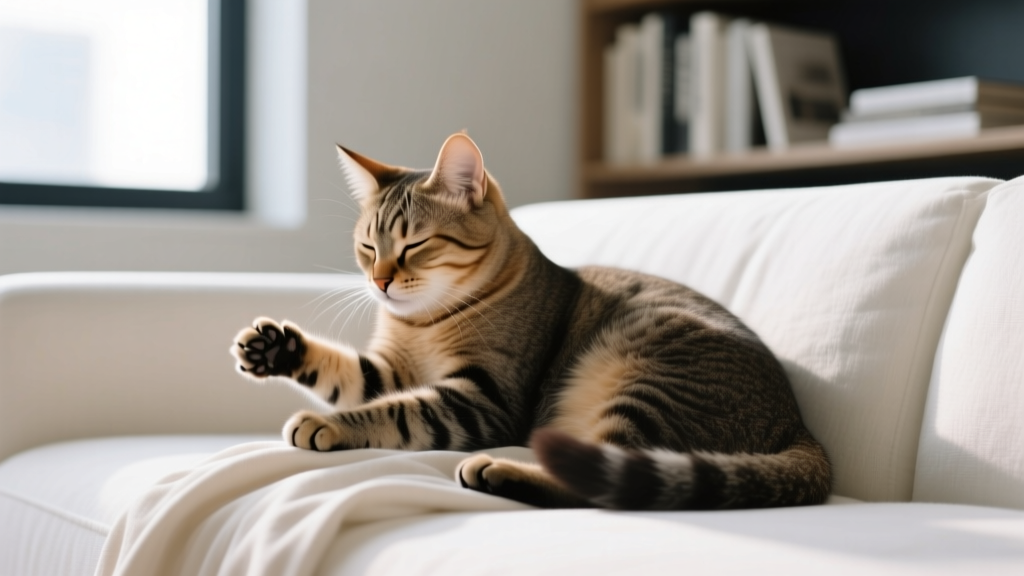
- Kneading with Paws (‘Making Biscuits’): Often seen as ‘cute nostalgia,’ this neonatal behavior persists into adulthood as a self-soothing mechanism linked to security and contentment. But crucially, it’s also a territorial marker — the scent glands in paw pads release calming pheromones. Case Study: Sarah, a remote worker in Portland, noticed her 3-year-old rescue Luna kneaded aggressively on her laptop keyboard daily. Initially frustrated, Sarah added a soft fleece blanket beside her desk. Within 3 days, Luna kneaded there exclusively — reducing keyboard damage by 100% and decreasing nighttime vocalizations (linked to unmet tactile needs). According to Dr. Tony Buffington, DVM, PhD, ‘Kneading is a barometer of emotional safety. When redirected appropriately, it often correlates with reduced stress-related UTIs.’
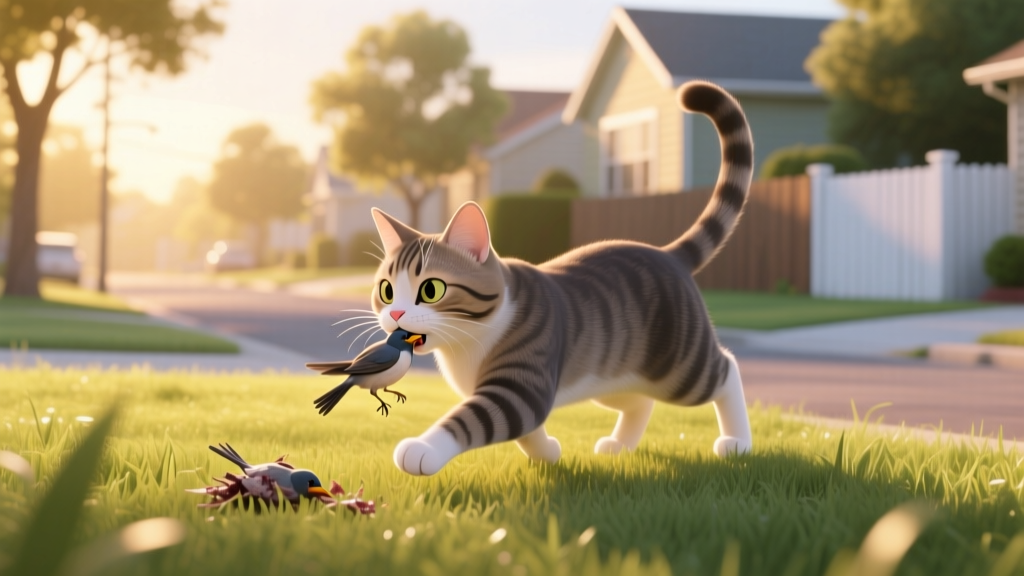
- Bringing ‘Gifts’ (Dead or Toy Prey): This isn’t ‘offering tribute’ — it’s a teaching behavior rooted in maternal instinct. Unspayed females or cats with strong hunting drives may bring prey to locations they consider ‘safe dens’ (your bed, your shoes). Case Study: Mark in Austin found mice near his front door weekly. His indoor/outdoor tabby, Jasper, never hunted live prey — yet brought rubber duck toys to Mark’s pillow nightly. After adding interactive wand toys and 15-minute scheduled ‘hunt sessions’ before bedtime, the toy-dropping ceased in 10 days. The behavior wasn’t ‘weird’ — it was unmet predatory sequence fulfillment.
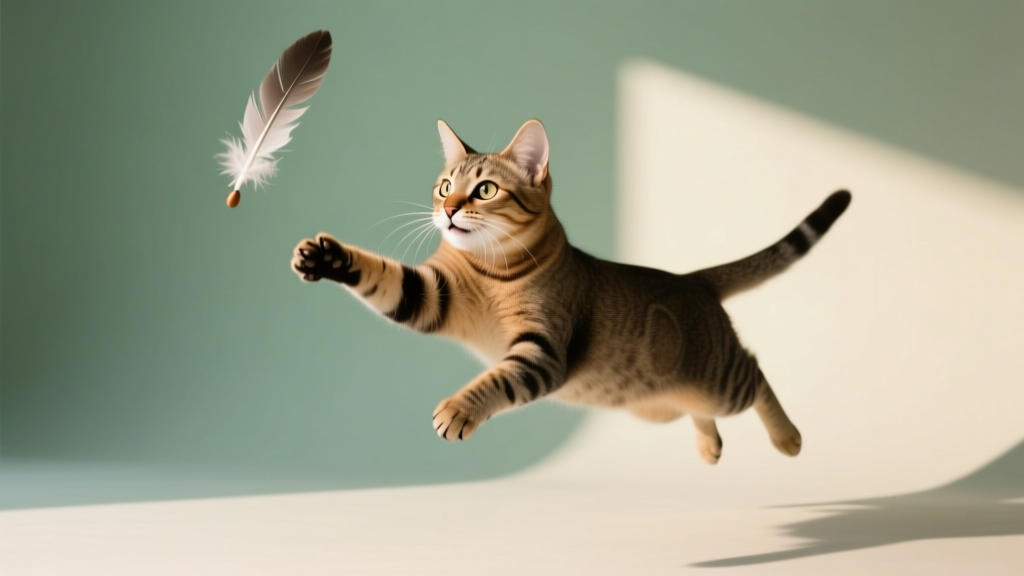
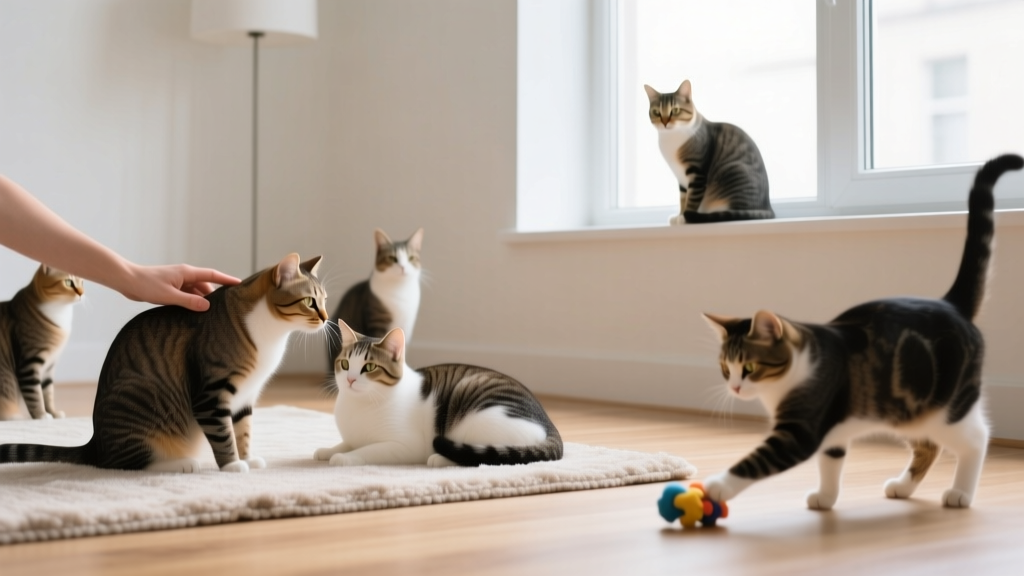
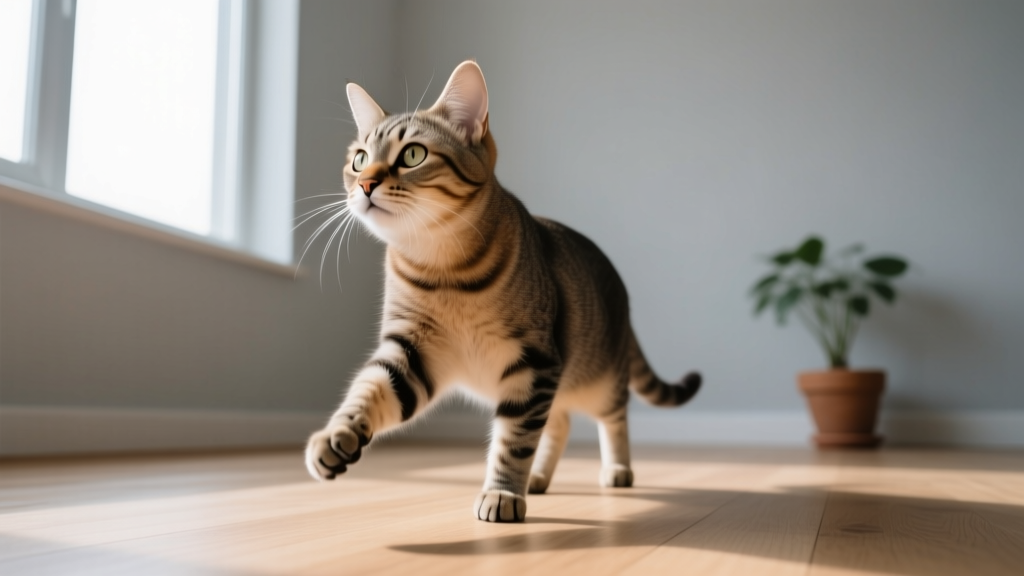
- Zoomies (Midnight Running Fits): Not ‘random energy bursts’ — these are displaced hunting sequences. Indoor cats lack natural outlets for the chase-pounce-bite-kill-walk-away cycle. Zoomies peak at dawn/dusk (crepuscular rhythm) and often follow naps or litter box use (when cortisol drops). Action Step: Replace reactive scolding with proactive 10-minute play sessions using feather wands *before* typical zoomie windows — mimicking the full predatory arc. A 2022 study in Journal of Feline Medicine and Surgery showed 73% reduction in disruptive nocturnal activity when owners implemented this protocol for 2 weeks.
- Staring Without Blinking: While humans read this as ‘rude’ or ‘threatening,’ sustained eye contact from a cat is usually a sign of deep focus — or, if accompanied by slow blinks, profound trust. The absence of blinking alone isn’t hostile; it’s attentiveness. Key Insight: If your cat stares while holding still, observe ears and tail. Forward ears + relaxed tail = curiosity. Flattened ears + twitching tail tip = escalating tension — time to gently disengage.
- Licking Your Hair or Face: This is allogrooming — a bonding behavior reserved for trusted social partners. It’s not ‘grooming you like a kitten’; it’s inclusion in their social group. However, if it’s obsessive or paired with agitation, it may signal anxiety seeking reassurance. Tell-Tale Sign: Does your cat lick then immediately groom themselves? That’s typical bonding. Does licking escalate to nibbling or pulling hair? Consult a behaviorist — it may indicate redirected stress.
- Sitting on Your Laptop/Book/Keyboard: Yes, warmth and texture play roles — but primary drivers are attention-seeking (you’re focused elsewhere) and scent-marking (your device carries your strongest scent). Solution Tested: A 2023 Cornell Feline Health Center pilot found placing a heated cat bed *next to*, not on, the workspace reduced ‘device-sitting’ by 89% in 2 weeks — satisfying thermal and proximity needs without disrupting work.
- Chattering at Windows: That rapid teeth-chattering sound isn’t frustration — it’s a motor pattern mimicking the killing bite used on birds and rodents. It’s triggered by high-arousal visual stimuli and is neurologically linked to predatory drive activation. Important Note: Chronic chattering *without* opportunity to engage in play may indicate environmental deprivation. Add vertical spaces, window perches with bird feeders *outside* (not inside), and daily interactive play to channel this energy.
When ‘Normal’ Behavior Crosses Into Red Flags — A Veterinarian-Validated Threshold Guide
Not all frequent behaviors are benign. Knowing the difference between typical feline expression and early signs of medical or psychological distress is vital. The table below synthesizes guidelines from the International Society of Feline Medicine (ISFM) and the American Veterinary Medical Association (AVMA) — based on duration, intensity, context, and co-occurring signs.
| Behavior | Typical Pattern (Green Zone) | Concern Threshold (Yellow/Red Zone) | First Action Step |
|---|---|---|---|
| Excessive Grooming | Self-grooming 3–5 hours/day total; focused on clean, dry coat; no skin lesions | Grooming >5 hours/day; focused on one area (e.g., belly, legs); hair loss, redness, or sores present; occurs during owner absence | Rule out fleas/allergies with vet → if negative, consult certified feline behaviorist for stress assessment |
| Vocalizing (Meowing/Yowling) | Short, context-appropriate calls (e.g., greeting at door, mealtime) | New onset yowling at night in senior cats (>10 yrs); prolonged (>1 min), distressed-sounding cries; occurs when left alone | Vet visit: screen for hyperthyroidism, hypertension, cognitive dysfunction, or anxiety disorders |
| Scratching Furniture | Uses designated posts/surfaces; scratches 2–3x/day; no damage to non-target items | Scratches walls, doors, or bedding obsessively; draws blood; occurs alongside hiding or avoidance | Assess environmental stressors (new pets, construction, changes) → add vertical space & pheromone diffusers → vet referral if no improvement in 10 days |
| Urinating Outside Litter Box | Occasional marking on vertical surfaces (walls, doors) by intact males; no substrate preference changes | Urine puddles on horizontal surfaces (beds, rugs); straining, crying in box; blood in urine; sudden onset in spayed/neutered cats | Immediate vet visit — rule out FLUTD (feline lower urinary tract disease), crystals, or infection before assuming behavioral cause |
| Aggression (Hissing/Biting) | Clear triggers (e.g., forced handling, vet visits); resolves quickly after trigger removed | Unprovoked attacks; biting during petting (petting-induced aggression) escalating in frequency; growling at empty space | Document triggers/timing → vet exam to exclude pain (dental, arthritis) → certified behaviorist for desensitization plan |
Frequently Asked Questions
Why does my cat stare at me and then slowly blink?
This is one of the most heartwarming and scientifically validated signs of feline trust. Known as a ‘cat kiss,’ the slow blink is a deliberate, relaxed signal meaning ‘I feel safe with you.’ Research published in Current Biology (2020) confirmed that cats are significantly more likely to reciprocate slow blinks from humans who initiate them — and owners who practice ‘blinking back’ report stronger bonds and reduced stress-related behaviors within 2 weeks. Try it: sit quietly, make soft eye contact, then slowly close and open your eyes. Watch for the response — it’s your cat’s ‘yes’ to connection.
Is it true cats don’t love their owners like dogs do?
No — this is a persistent myth rooted in comparing species with vastly different evolutionary social structures. Dogs evolved as pack animals wired for overt attachment; cats evolved as solitary hunters who form selective, low-drama bonds. A landmark 2019 study at Oregon State University used the ‘secure base test’ (used for human infants and dogs) and found that 64.3% of cats display secure attachment to their owners — seeking comfort and returning to explore after stress, just like securely attached children. Their love is quieter, more conditional on respect for autonomy, but no less real.
My cat knocks things off shelves — is this spite?
No. Cats lack the cognitive capacity for spite — a complex human emotion requiring intent to punish. Knocking objects down serves multiple instinctive functions: testing object movement (hunting simulation), seeking attention (especially if ignored), relieving boredom, or exploring textures/sounds. The key is response: never yell or punish (which increases anxiety). Instead, enrich the environment with puzzle feeders, rotating toys, and vertical spaces — and reward calm, interactive play. One client reduced shelf-knocking by 92% simply by placing a cardboard box with crinkle paper on a shelf *beside* her monitor — giving the cat a sanctioned ‘knock zone.’
Do cats recognize their names?
Yes — but selectively. A 2019 study in Scientific Reports demonstrated that cats consistently turn their heads, ears, or vocalize when hearing their own name — even when spoken by strangers — but habituate quickly if the name isn’t paired with positive outcomes (treats, play, petting). They’re not ignoring you; they’re exercising choice. To strengthen name recognition: say your cat’s name *immediately before* something rewarding (e.g., ‘Luna… *opens treat jar*’). Within 5–7 days, you’ll see reliable orientation and anticipation.
Why does my cat sleep on my chest or head?
This is multi-layered: warmth (your core body heat is ideal), scent (your face/head carry your strongest pheromones), sound (your heartbeat mimics kitten-in-utero rhythms), and security (elevated position offers vigilance). It’s also a profound trust signal — your cat is choosing your most vulnerable, vital area as their safe haven. If it disrupts your sleep, gently offer an alternative warm spot (microwavable heating pad in a cat bed) *before* bedtime — never pull them off abruptly, which breaks trust.
Common Myths About Cat Behavior — Debunked by Science
- Myth #1: “Cats are aloof and don’t care about people.”
Debunked: Neuroimaging studies show cats experience oxytocin release (the ‘bonding hormone’) during positive interactions with trusted humans — similar to dogs and humans. Their ‘aloofness’ is often misread independence; in reality, it reflects a preference for quality over quantity in social interaction. They choose engagement — not indifference.
- Myth #2: “If a cat purrs, it’s always happy.”
Debunked: Purring occurs across a wide emotional spectrum — including pain, fear, labor, and recovery. The vibration frequency (25–150 Hz) has documented healing properties for bone density and tissue repair. So a cat may purr while injured or stressed as a self-soothing, physiological coping mechanism — not an emotional state. Always assess body language and context first.
Related Topics (Internal Link Suggestions)
- Understanding Cat Body Language — suggested anchor text: "how to read cat body language"
- Cat Stress Signs and Solutions — suggested anchor text: "signs of stress in cats"
- Best Toys for Indoor Cats — suggested anchor text: "best interactive cat toys"
- Why Cats Scratch and How to Redirect — suggested anchor text: "how to stop cats from scratching furniture"
- Cat Enrichment Ideas for Small Spaces — suggested anchor text: "cat enrichment for apartments"
Your Next Step: Build a Behavior Journal (It Takes 2 Minutes a Day)
You now know what are some behaviors of cats — and crucially, what they truly communicate beneath the surface. But knowledge becomes power only when applied. Start tonight: grab a notebook or notes app and record just three things for 7 days — what behavior you observed, the exact time, and one detail about context (e.g., ‘10:15 PM — kneading blanket after I sat down — no other people/pets present’). Don’t interpret yet — just observe. Patterns will emerge: Is that ‘zoomie’ always 20 minutes after dinner? Does the slow blink happen only when you’re reading? This tiny habit builds your personal feline fluency faster than any app or book. And when you notice a shift — a new behavior, or a change in frequency — you’ll have the baseline to act with confidence, not confusion. Your cat isn’t a puzzle to solve. They’re a conversation waiting for you to learn the language — one blink, one purr, one gentle paw placement at a time.