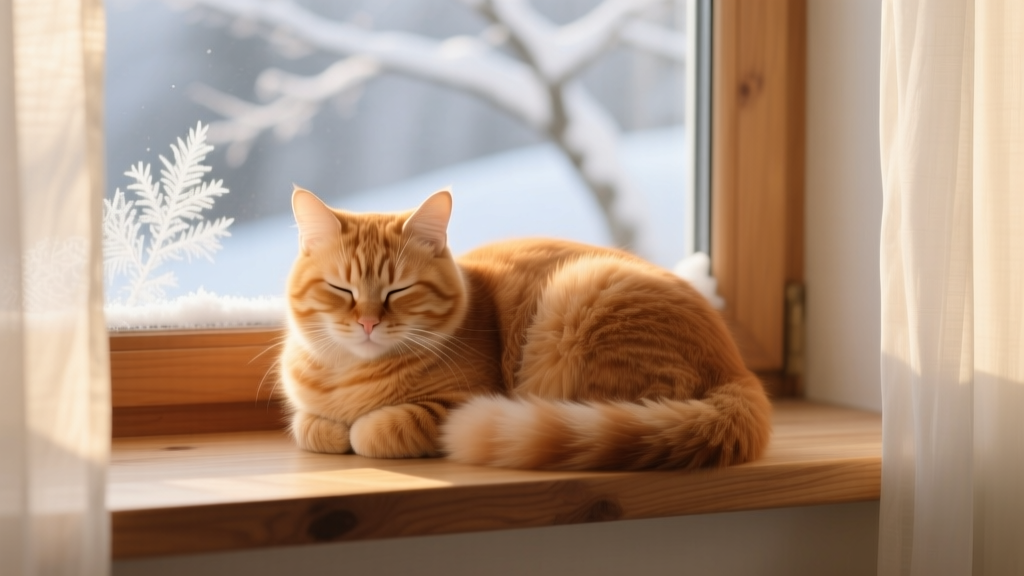
Why Cats Choose Warm Spots in Winter
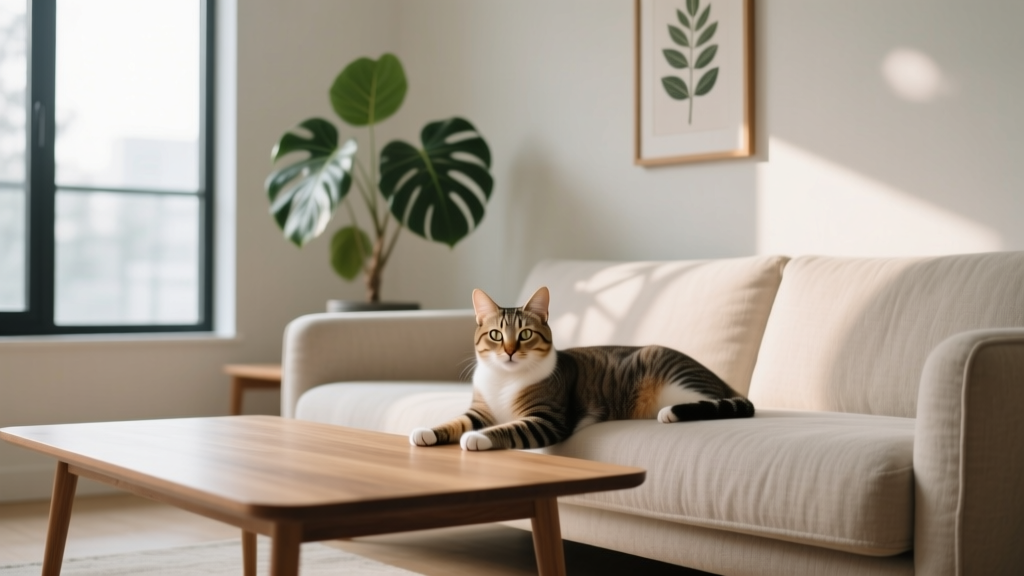
You know it’s officially winter when your cat suddenly becomes a professional heat-seeker. One day they’re casually napping on the couch like a normal creature, and the next they’ve “mysteriously” relocated to the warm laundry pile, the sunny square on the rug, or your laptop keyboard the second you open it. You might even catch them wedged against a radiator like they pay rent.
If you’ve ever wondered, “Are they cold? Are they being weird? Are they trying to tell me something?”—you’re in good company. Cats choosing warm spots in winter is one of those quirky, relatable behaviors that makes perfect sense once you look at it through a cat’s eyes (and a cat’s biology).
The scientific (and evolutionary) reason cats love warm spots
Cats are built for warmth. Domestic cats descended from wildcats that evolved in warmer, arid regions. Even though your cat now lives in a climate-controlled home with a water fountain and a toy shaped like a sushi roll, their body still carries that “warmth is life” programming.
Here’s what’s happening under the fur:
- Energy conservation: A cat’s body uses calories to maintain its core temperature. When your cat finds a warm spot, they reduce the energy needed to stay comfortable. Think of it as feline budgeting: why spend calories on heating when there’s a ready-made warm patch?
- Comfortable temperature range: Cats generally prefer warmer ambient temperatures than humans do. Many cats seem happiest in the high 70s to mid 80s Fahrenheit (roughly 25–30°C). If your home is set to what humans consider “cozy,” your cat may still consider it “a touch brisk.”
- Sleep biology: Cats sleep a lot (often 12–16 hours a day, sometimes more). During deep rest, their bodies are focused on recovery and maintenance. Warmth supports muscle relaxation and can make those long naps even more efficient.
- Heat + safety association: Warm, enclosed spaces can mimic the security of a protected den. In the wild, staying warm and staying hidden often go together.
So when your cat chooses the warmest corner of your home, they’re not being dramatic. They’re being exactly what evolution designed them to be: a small predator who optimizes comfort and conserves energy.
How this behavior shows up in real life (different warm-spot “genres”)
Not all warm spots are created equal—at least not in your cat’s opinion. The context matters, and so does the “vibe” of the heat source.
1) The sunny window patch: “Solar-powered mode”
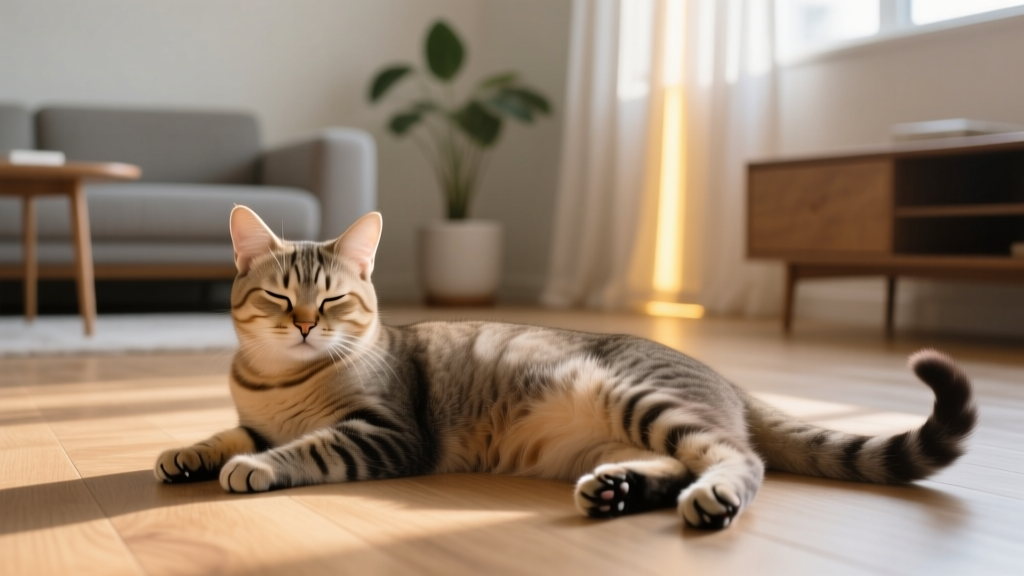
On bright winter days, your cat may track sunbeams like a sundial, migrating across the floor in slow motion. Sunlight provides gentle radiant heat, and the window area often offers entertainment too: birds, squirrels, passing neighbors, that one leaf that keeps trying to start a fight.
What you might notice: A long, stretched-out “toast” posture, slow blinks, occasional chirps at birds, and a reluctance to move even if you call them in your most persuasive baby voice.
2) The radiator/heater vent: “Direct heat therapy”
Some cats go straight for convection heat—radiators, baseboards, forced-air vents. This is often the warmest and most consistent source, especially at night.
Common scenario: You turn on the heat, and within minutes your cat appears as if summoned, arranging themselves in a perfect loaf right beside the vent. If the vent blows warm air, they may angle their body like they’re getting a salon blowout.
3) The laundry pile: “Scent + warmth = jackpot”
Warm laundry is the deluxe package: heat plus familiar smell. Your cat finds your scent reassuring, and warm fabric holds heat well. The softness also supports joints and muscles, which can be especially appealing to older cats.
Translation: Your cat isn’t trying to sabotage folding day. They’re creating the coziest, safest nest imaginable using your freshly dried hoodies as building material.
4) The laptop/keyboard: “Why is the warm rectangle trying to steal you?”
Laptops are warm and they get your attention—two things cats often value. A cat who plops on your keyboard may be seeking heat, but they may also be seeking you. Your hands, your focus, your voice, your predictable sitting-still posture: it’s prime bonding real estate.
Pro tip: Sometimes the warmth is the excuse, and the real goal is closeness.
5) Under blankets or on your chest: “Living heated blanket (with heartbeat)”
If your cat burrows under covers or climbs onto you the moment you sit down, warmth is part of it—but so is security. Your body heat is steady, your breathing is rhythmic, and your scent is familiar. For many cats, that’s the definition of safe.
Common winter ritual: You lie down, and within minutes you have a purring paperweight on your ribs who somehow weighs 40 pounds.
What warm-spot choosing can mean about your cat’s mood
Warmth-seeking is normal, but it can also give you clues about how your cat is feeling.
- Content and relaxed: Loose body posture, slow blinking, gentle kneading, purring (though not all purring equals happiness), and choosing an open warm spot like a sunbeam often indicates your cat feels secure.
- Seeking comfort or reassurance: If your cat chooses warm spots that are also hidden—like behind curtains, inside a closet near a heater, or under blankets—they may be self-soothing. This can be completely normal in winter, especially if your household is noisy or there are guests.
- Extra clingy warmth-seeking: If your normally independent cat suddenly becomes a full-time lap resident during cold snaps, it may simply be seasonal. Some cats become more affectionate when warmth and stillness are easy to find on a human.
- Low-energy days: Cats may nap more in winter due to shorter daylight hours and less stimulation (fewer open windows, fewer outdoor sights). Warm spots become the “best seat in the house” for long rest cycles.
Related behaviors you might also notice in winter
Warm-spot obsession rarely travels alone. You may see:
- Increased kneading: Kneading can be a comfort behavior, and cats often knead soft, warm surfaces before settling in.
- More burrowing: Some cats turn into tiny mining engineers, tunneling into blankets or duvets to trap heat.
- “Loafing” and tail-wrapping: The classic cat loaf posture reduces surface area and helps retain body heat.
- Heating-vent stalking: Cats may rotate between vents like they’re doing a home heat audit.
- Cozy-surface pickiness: A cat who suddenly rejects cool tile or hardwood might insist on rugs, beds, or soft blankets.
- Lap magnet behavior: Warmth plus social contact becomes extra appealing—especially if your home runs cool.
When warm-spot behavior is normal vs. when it might be a concern
Most winter warmth-seeking is just smart cat behavior. Still, it’s worth knowing when “cozy” crosses into “something’s off.”
Likely normal
- Your cat seeks warmth more often when the house is cooler.
- They still eat normally, drink normally, groom, and interact with you as usual.
- They rotate between warm spots and have typical bursts of play or zoomies.
Possible concern (consider a vet check)
- Sudden, intense heat-seeking out of character: If your cat abruptly becomes obsessed with heat and seems unable to get comfortable, it could signal pain or illness.
- Hiding near heat plus behavior changes: Reduced appetite, less grooming, irritability, or withdrawing socially can suggest your cat isn’t just chilly.
- Stiffness or reluctance to jump: Cats with arthritis often seek warmth because it can soothe aching joints. Warmth-seeking plus mobility changes is worth discussing with your veterinarian.
- Weight loss with constant warmth-seeking: Some medical issues can alter metabolism or comfort levels. If you notice weight changes, increased thirst, or restlessness, get guidance promptly.
- Overheating risks: If your cat lies dangerously close to a space heater or seems overly drowsy around strong heat sources, make safety adjustments immediately.
If you’re ever unsure, a quick call to your vet with a clear description—what changed, when it started, and what else you’re noticing—can be very reassuring.
How to respond (and encourage it safely) for a happier cat-human relationship
You don’t need to “fix” warmth-seeking. You can harness it to make your cat feel secure—and to protect your furniture, your keyboard, and your personal space (a little).
- Create a dedicated heated lounge: A cat-safe heated bed or warming pad designed for pets can be a winter favorite. Follow manufacturer instructions and choose products with chew-resistant cords and auto-shutoff features.
- Offer sunny perches: A window perch or cat tree placed in a sunbeam gives warmth plus enrichment. Bonus: it may reduce their interest in your laptop.
- Warm blanket stations: Keep a couple of fleece blankets in your cat’s favorite areas. Rotate and wash them so they stay inviting.
- Make lap time a choice: If you enjoy the cuddles, reward them with gentle petting and calm talk. If you need to work, provide an alternative warm spot nearby—many cats will happily “shadow cuddle” from a heated bed beside your desk.
- Keep heat sources safe: Block direct access to hazardous heaters, secure cords, and avoid leaving cats unsupervised with unsafe heating devices.
- Support older cats: Warmth can be especially helpful for seniors. Pair warm resting spots with ramps or step stools so they can reach favorite places without painful jumps.
- Turn warmth into bonding: Try a calm routine: warm bed near you, a short play session, then a treat. Predictable cozy rituals build trust.
Fun facts and research-friendly nuggets about cat warmth habits
- Cats prefer warmer ambient temps than we do: Many cats gravitate toward environments that feel slightly too warm for humans—one reason they steal your seat the moment you stand up.
- The “loaf” is physics: Tucking paws under the body reduces exposed surface area, helping conserve heat.
- Warmth equals vulnerability: Deep sleep makes a cat more vulnerable, so they often choose warm places that also feel safe—elevated perches, tucked corners, or near trusted humans.
- Your scent sweetens the deal: A warm hoodie isn’t just a heated cushion; it’s a portable “you,” which can be genuinely comforting for social cats.
- Cats are master microclimate designers: Between sunbeams, vents, blankets, and body heat, your cat is constantly adjusting their personal climate like a tiny furry engineer.
FAQ: Cats and warm spots in winter
1) Is my cat cold if they’re always sitting by the heater?
Not necessarily. Many cats simply prefer warmer temperatures than humans. If your cat is eating, playing, grooming, and acting normally, they’re likely just maximizing comfort. If you notice lethargy, appetite changes, or hiding, it’s worth checking in with your vet.
2) Why does my cat sit on my laptop specifically?
Because it’s warm, it smells like you, and it reliably gets your attention. Some cats also like that laptops are slightly elevated and stable. Offering a heated bed or warm pad next to your workspace can redirect them without hurting their feelings.
3) Should I get a heated cat bed?
Many cats love them, especially seniors or cats with stiffness. Choose a pet-specific heated bed/pad with safety features (auto-shutoff, low-wattage design, chew-resistant cord) and place it in a quiet, draft-free area.
4) My cat burrows under blankets—are they okay?
Usually yes, as long as they can easily get out and they’re not trapped. Avoid heavy blankets that could restrict movement, and always check before sitting down. If your cat burrows and also seems anxious or is hiding more than usual, consider whether something in the environment is stressing them.
5) Can warmth-seeking be a sign of pain?
It can be, particularly if the behavior is new or intense and paired with stiffness, reduced jumping, irritability, or decreased grooming. Warmth can soothe sore joints, so cats with arthritis sometimes seek it more. A vet exam can clarify what’s going on and offer options for comfort.
6) Why does my cat steal my seat when I get up?
Your seat is warm and smells like you—two top-tier cat priorities. It’s also a safe, familiar spot in the middle of the home. If it’s a problem, try placing a warm blanket or heated pad on a nearby chair to give them an equally appealing option.
Winter turns many cats into cozy connoisseurs, and once you understand the “why,” it becomes less like quirky cat randomness and more like a logical comfort strategy. If you lean into it—safe warmth, comfy stations, and a little respect for their solar-powered lifestyle—you’ll often see a calmer, more content cat (and maybe fewer pawprints across your keyboard).
Does your cat have a hilarious or endearing warm-spot obsession—laundry dragon, vent guardian, professional blanket burrower? Share your story with fellow cat people on catloversbase.com—we’d love to hear what your little heat-seeker gets up to each winter.