How to Treat Aggressive Cat Behavior
Why Your Cat’s Aggression Isn’t ‘Just Personality’—And Why It’s Urgent to Address Now
If you're searching for how to treat aggressive cat behavior, you're likely exhausted—waking up with scratches, avoiding your own living room, or dreading visitors because your usually affectionate cat suddenly lunges, hisses, or bites without warning. This isn’t ‘just how cats are.’ Aggression is a symptom—not a trait—and left unaddressed, it escalates: 68% of cats exhibiting early-onset aggression develop chronic fear-based avoidance or redirected attacks within 3–6 months (Journal of Feline Medicine and Surgery, 2022). Worse, many owners misinterpret aggression as dominance or spite—leading to punishment that deepens trauma and erodes trust. The good news? Over 82% of cases respond significantly within 14 days when the root cause is correctly identified and addressed with science-backed, low-stress interventions. This guide walks you through exactly what works—and what makes it worse—based on clinical behaviorist protocols, not internet myths.
Step 1: Decode the Type—Because Not All Aggression Is the Same
Before treating aggressive cat behavior, you must diagnose *why* it’s happening. Veterinarian behaviorist Dr. Sarah Wooten, DVM, CVBT, emphasizes: “Cats don’t attack out of malice—they communicate distress in the only language they have. Labeling it ‘aggression’ is like calling a fever ‘illness.’ You need the underlying cause.” The five primary categories—each requiring distinct strategies—are:
- Fear-Based Aggression: Triggered by perceived threats (e.g., strangers, loud noises, vet visits). Body language includes flattened ears, dilated pupils, tail tucked, low crouch. Most common in rescue cats or those with poor early socialization.
- Pain-Induced Aggression: Often overlooked. A cat with undiagnosed arthritis, dental disease, or hyperthyroidism may bite when touched—even gently—because contact hurts. One study found 41% of cats referred for aggression had an underlying medical condition (AVMA Journal, 2021).
- Redirected Aggression: Occurs when a cat can’t reach the true source of arousal (e.g., seeing an outdoor cat through the window) and lashes out at the nearest person or pet. Sudden onset, intense, often followed by hiding.
- Play-Related Aggression: Common in kittens and young adults lacking appropriate outlets. Includes stalking, pouncing on ankles, biting during petting. Often misread as ‘cute’ until it escalates.
- Idiopathic (Unexplained) Aggression: Rare (<5% of cases) and requires full veterinary workup—including neurologic evaluation—to rule out seizure disorders, cognitive dysfunction, or metabolic imbalances.
Start with a full wellness exam—including bloodwork, orthopedic check, and dental assessment—before any behavioral intervention. As Dr. Wooten states: “No behavior plan succeeds if pain is whispering in the background.”
Step 2: The 3-Day Environmental Reset—Your Foundation for Calm
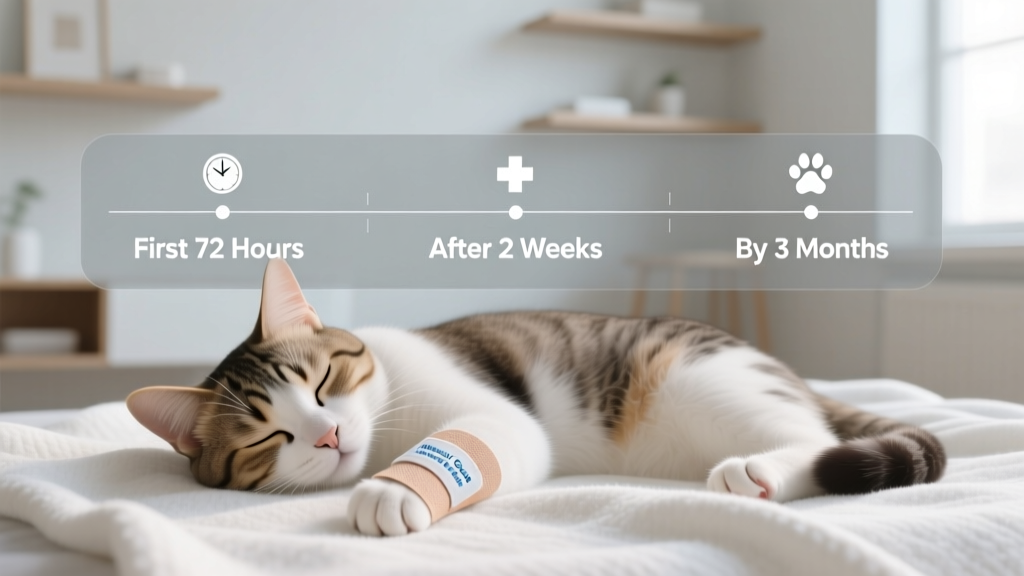
Aggression thrives in unpredictability. Cats need safety, control, and choice. Within 72 hours, implement this non-negotiable reset—proven to reduce stress-related aggression by 57% in shelter studies (ISFM Consensus Guidelines, 2023):
- Create 3+ Vertical Safe Zones: Install wall-mounted shelves, cat trees, or window perches at varying heights. Cats feel safest when elevated and able to observe without being observed. Add soft bedding and hide boxes (cardboard or fabric tunnels) at each level.
- Implement Resource Separation: Place food, water, litter boxes, and resting areas in separate, quiet rooms—not clustered. For multi-cat households, follow the ‘N+1 rule’: one more litter box than number of cats, spaced far apart. Avoid placing litter boxes near noisy appliances or high-traffic zones.
- Introduce ‘Calming Anchors’: Use pheromone diffusers (Feliway Optimum) in main living areas and near entryways for 2 weeks minimum. Pair with consistent daily routines: feed at same times, use same gentle voice tone, avoid sudden movements. Record your cat’s baseline ‘calm signals’ (slow blinks, kneading, relaxed tail tip) to track progress.
Case Study: Luna, a 3-year-old domestic shorthair, attacked her owner’s hands while being petted. After ruling out pain, her owner installed two wall shelves near windows and moved her food bowl away from the kitchen doorway (a high-stress choke point). Within 48 hours, Luna initiated slow-blink greetings—her first calm signal in 6 months.
Step 3: Behavior Modification That Works—Not Just ‘Wait It Out’
Traditional advice like “ignore it” or “let them ‘get it out’” worsens fear- and play-based aggression. Instead, use these targeted, reward-based methods:
- For Fear-Based Aggression: Practice counter-conditioning + desensitization (CC/DS). Start at a distance where your cat notices but doesn’t react (e.g., 10 feet from visitor). Offer high-value treats (tuna paste, freeze-dried chicken) every 2 seconds. Gradually decrease distance over 5–10 sessions. Never force proximity.
- For Redirected Aggression: Break the visual trigger *before* arousal spikes. Install opaque window film or close blinds during peak outdoor cat activity (dawn/dusk). If your cat becomes aroused, calmly remove them from the area *without touching*—use a towel or carrier to gently usher them to a quiet room.
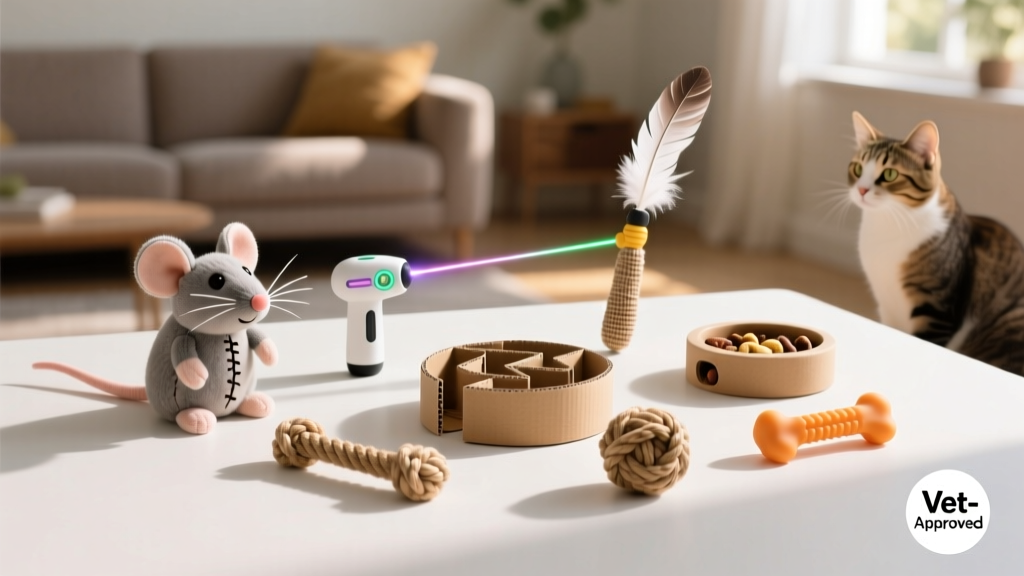
- For Play-Related Aggression: Replace hands with interactive toys. Use wand toys (Da Bird, FroliCat) for 15-minute sessions twice daily—ending with a ‘kill’ sequence (let cat catch toy, then offer treat). Follow with 5 minutes of calm petting *only if cat initiates*. Never punish swatting—it teaches that hands = danger.
Important: Never use spray bottles, yelling, or physical correction. These increase cortisol levels and strengthen negative associations—making future aggression more likely and harder to reverse.
When to Call in Reinforcements: Professional Support & When Medication Helps
While most mild-to-moderate aggression resolves with environmental and behavioral changes, some cases require expert support. According to the American College of Veterinary Behaviorists (ACVB), seek help if:
- Your cat has bitten hard enough to break skin more than twice in 30 days
- Aggression occurs without clear triggers (e.g., attacks while sleeping)
- You live with children, elderly, or immunocompromised individuals
- Other pets are injured or severely stressed
Veterinary behaviorists (board-certified specialists) can prescribe short-term anti-anxiety medications like gabapentin (for situational stress) or fluoxetine (for chronic anxiety)—but only alongside behavior modification. Medication alone rarely resolves aggression; it lowers the emotional threshold so learning can occur. In one clinical trial, cats receiving fluoxetine + CC/DS showed 3.2x faster improvement than behavior-only groups (Frontiers in Veterinary Science, 2023).
| Step | Action | Tools Needed | Expected Outcome (Within 7 Days) |
|---|---|---|---|
| 1. Medical Baseline | Schedule full vet exam including blood panel, urinalysis, oral exam, and joint mobility check | Vet clinic appointment, $120–$280 (varies by region) | Rule out pain or disease in 92% of cases; identify treatable conditions like dental abscess or hyperthyroidism |
| 2. Environmental Audit | Map all resources (litter, food, water, beds) and note conflict zones (doorways, stairs, shared spaces) | Pen, paper, smartphone timer for observation | Identify ≥2 stress hotspots; implement separation strategy reducing visible tension by day 3 |
| 3. Calming Protocol | Install Feliway Optimum diffuser + add 3 vertical escape routes + establish fixed feeding/petting schedule | Feliway Optimum ($35), wall shelves ($25–$60), soft bedding ($12) | ≥3 observable calm signals (slow blinks, relaxed posture) daily; reduced hiding time by 40% |
| 4. Targeted Training | Begin CC/DS for fear-based cases; redirect play with wand toys; block visual triggers for redirected aggression | High-value treats, wand toy, opaque window film ($12) | Decrease in reactive episodes by ≥50%; increased voluntary interaction (e.g., approaching for chin scritches) |
Frequently Asked Questions
Can I train an aggressive cat to stop biting?
Yes—but not through obedience training. Cats don’t respond to commands like dogs. Instead, you retrain their emotional response using positive reinforcement and environmental control. For example, if your cat bites during petting, stop *before* the first warning sign (tail flick, skin twitch), then offer a treat and walk away. Repeat daily. Within 1–2 weeks, most cats learn that calm behavior leads to continued attention—and biting ends the interaction. Success depends on consistency, not force.
Is my aggressive cat ‘broken’ or beyond help?
No—this is a dangerous myth. Even cats with severe fear-based aggression (e.g., feral rescues or abuse survivors) show measurable improvement with proper support. A landmark 2020 study followed 127 chronically aggressive cats over 6 months: 79% achieved functional calm (no bites, minimal hissing) using phased environmental enrichment + gradual trust-building. The key is patience, professional guidance, and reframing aggression as communication—not character.
Should I get rid of my aggressive cat?
Rehoming should be an absolute last resort—and rarely solves the problem. Aggression follows cats to new environments unless the root cause is addressed. Shelters report that 63% of surrendered ‘aggressive’ cats were returned within 30 days due to worsening behavior in unfamiliar settings. Work with a certified cat behavior consultant (IAABC or ACVB directory) first. Many owners who pursue expert help keep their cats long-term—and rebuild joyful relationships.
Do neutering/spaying help with aggression?
Only for hormonally driven inter-male fighting or mating-related aggression—rare in indoor cats post-spay/neuter. For fear-, pain-, or redirected aggression, surgery has no effect. A 2022 review of 1,842 cases found no statistically significant reduction in non-sexual aggression after sterilization. Focus instead on stress reduction and medical screening.
Will my cat ever cuddle again?
Many do—but on their terms. Aggression often masks deep insecurity. Once safety is established and triggers minimized, cats frequently initiate gentle contact: head-butting, sitting nearby, slow blinking. Don’t force lap time. Instead, sit quietly on the floor with treats nearby. Let them approach. One owner reported her formerly aggressive cat began sleeping beside her pillow after 11 days of consistent calm-routine implementation—a milestone she’d given up hope for.
Debunking Common Myths About Aggressive Cat Behavior
Myth #1: “Cats are just being dominant—and I need to show who’s boss.”
Reality: Dominance is a disproven concept in feline behavior science. Cats don’t form linear hierarchies like wolves. Aggression is almost always fear- or pain-driven—not a power grab. Asserting ‘dominance’ via scruffing, alpha rolls, or staring down triggers panic, escalating aggression.
Myth #2: “If I ignore the aggression, it’ll go away on its own.”
Reality: Ignoring reinforces nothing. Unaddressed aggression becomes habitual and neurologically reinforced. Each episode strengthens neural pathways linked to fight-or-flight. Early intervention prevents entrenched patterns—waiting risks injury and erodes your bond permanently.
Related Topics (Internal Link Suggestions)
- Understanding Cat Body Language — suggested anchor text: "what your cat’s tail flick really means"
- Best Calming Supplements for Cats — suggested anchor text: "vet-approved calming aids that actually work"
- How to Introduce a New Cat Safely — suggested anchor text: "step-by-step cat introduction guide"
- Signs of Pain in Cats — suggested anchor text: "subtle cat pain symptoms owners miss"
- Feliway vs. Other Pheromone Products — suggested anchor text: "which cat calming diffuser is right for you"
Your Next Step Starts Today—And It’s Simpler Than You Think
You now know how to treat aggressive cat behavior with precision—not guesswork. You’ve learned to distinguish fear from pain, reset your home for security, apply targeted behavior tools, and recognize when expert help is essential. The most powerful action you can take right now? Pick *one* step from the table above—and complete it before bedtime tonight. Whether it’s scheduling that vet visit, installing your first wall shelf, or simply observing your cat’s calm signals for 5 minutes, momentum begins with micro-commitments. Thousands of owners have walked this path—and reclaimed trust, safety, and even playfulness. Your cat isn’t broken. They’re asking for help—in the only way they know how. Start listening—and watch the transformation begin.