Why Cats Behavior Similar To Wild Ancestors
Why Your Cat Isn’t ‘Weird’—They’re Perfectly Wired by 10 Million Years of Evolution
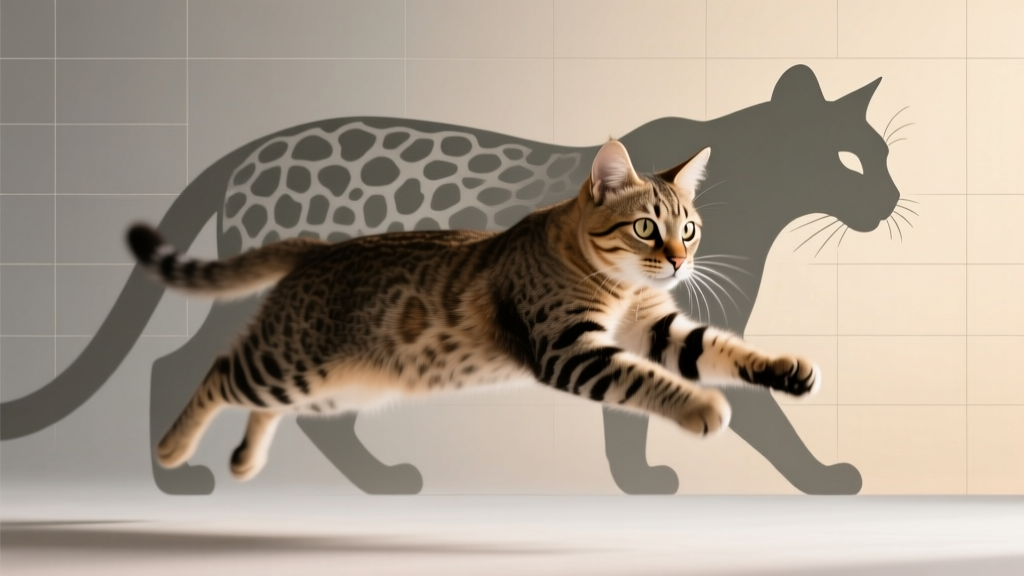
Have you ever wondered why cats behavior similar to small wild felids like African wildcats—or even why they mirror certain human social cues or dog-like attention-seeking in surprising ways? You’re not observing inconsistency; you’re witnessing a tightly calibrated survival toolkit shaped over millennia. This isn’t just about ‘cute quirks’—it’s about decoding biological imperatives that govern everything from litter box preferences to how your cat chooses (or refuses) to greet guests. In fact, a landmark 2023 study in Animal Cognition confirmed that domestic cats retain over 95% of the neural circuitry and behavioral response patterns of their nearest wild ancestor, Felis lybica. What looks like stubbornness is often strategic vigilance. What reads as indifference may be deeply evolved social selectivity. Let’s unpack what’s really driving those behaviors—and how recognizing them changes everything.
The Evolutionary Blueprint: From Desert Hunter to Apartment Resident
Cats weren’t domesticated through selective breeding for obedience (like dogs), but through mutualism—humans stored grain, rodents followed, and wildcats followed the rodents. This ‘self-domestication’ meant natural selection favored traits like reduced fearfulness around humans—but crucially, not increased dependence. Dr. John Bradshaw, anthrozoologist and author of Cat Sense, emphasizes: “Cats didn’t evolve to obey. They evolved to tolerate—and occasionally collaborate with—us on their own terms.” That explains why your cat may ignore your call but sprint when you open a treat bag: it’s not defiance—it’s cost-benefit analysis rooted in ancestral foraging logic.
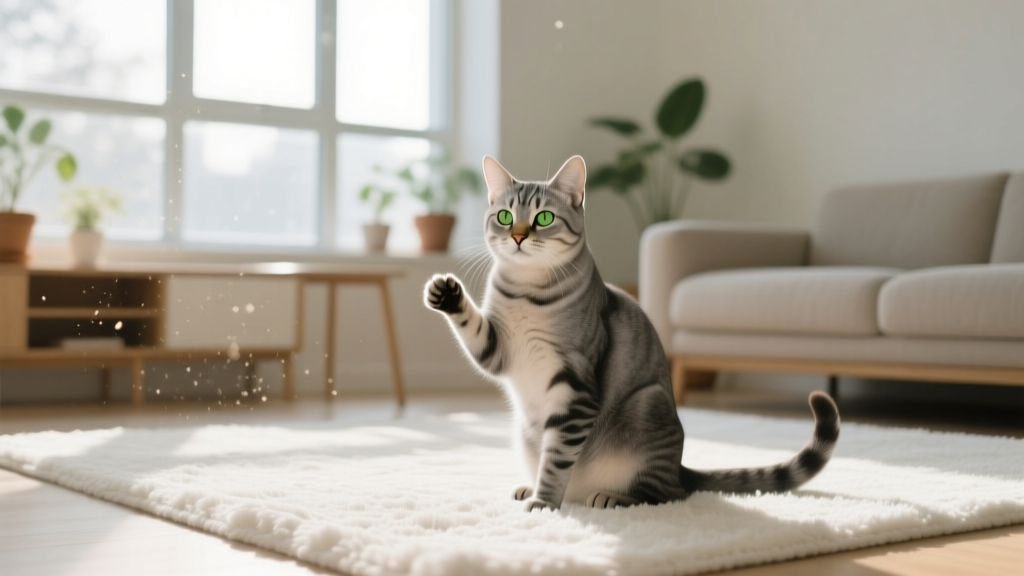
Consider the ‘midnight crazies.’ That 3 a.m. sprint isn’t random energy—it’s a hardwired crepuscular rhythm (peaking at dawn/dusk), inherited from Felis lybica, which hunted during cooler, low-light hours to avoid larger predators. Even indoor cats retain this internal clock, often shifting activity to match household quiet—hence the 2:47 a.m. hallway chase. Veterinarian Dr. Sarah Wooten, DVM, confirms: “I see owners mistake this for anxiety or hyperactivity. But when we rule out pain or thyroid issues, it’s almost always normal circadian expression—especially in young, intact, or under-stimulated cats.”
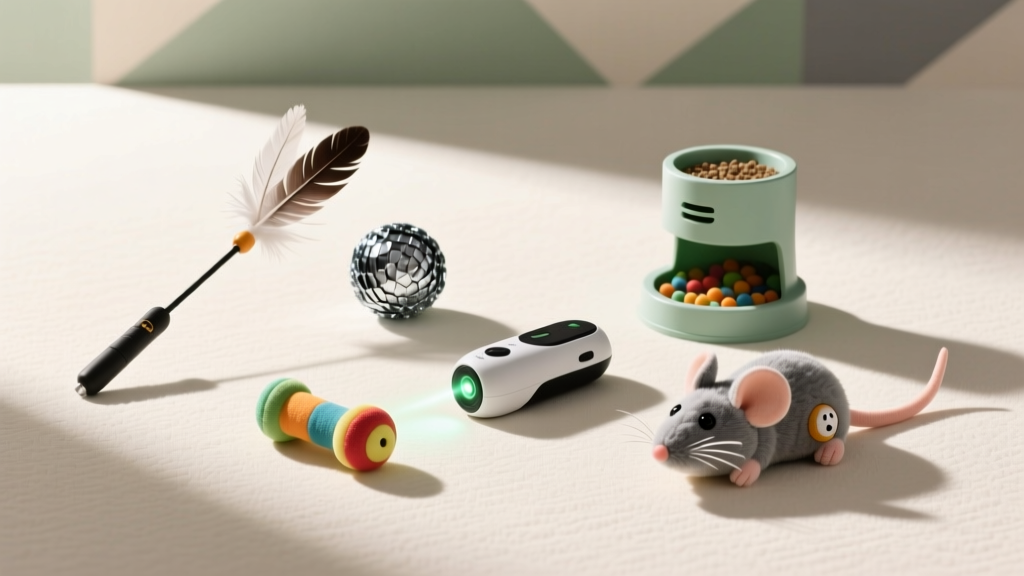
Here’s the practical takeaway: Don’t suppress the instinct—redirect it. Provide 15 minutes of interactive play (using wand toys that mimic prey movement) right before bedtime. A 2022 University of Lincoln trial showed this reduced nocturnal activity by 68% in 8 weeks—not by changing biology, but by satisfying the predatory sequence: stalk → chase → pounce → ‘kill’ (bite toy) → rest.
The Social Illusion: Why Cats Seem ‘Like Dogs’ (Sometimes)… and Why That’s Misleading
You’ve seen it: your cat greets you at the door, rubs your legs, follows you room-to-room—even brings you ‘gifts’ (a sock, a leaf, a stunned moth). It’s tempting to interpret this as dog-like attachment. But research reveals something far more nuanced. A 2020 Oxford study using the Secure Base Test (adapted from human infant research) found that while 64% of cats show secure attachment to caregivers, they express it differently: less through proximity-seeking, more through ‘social referencing’—glancing at you for cues before approaching new objects or people.
This explains why your cat may sit beside you while you work—not cuddling, but monitoring. It’s not aloofness; it’s active co-regulation. As feline behavior specialist Mikel Delgado, PhD, explains: “Cats don’t form pack bonds. They form ‘affiliative networks’—small, voluntary alliances based on safety, resource access, and predictability. Your lap isn’t ‘love’ in a canine sense; it’s a high-value thermal and olfactory safe zone they’ve chosen to share.”
So when your cat ‘meows’ at you persistently, it’s likely not demanding food—it’s using a vocalization they invented exclusively for humans. Wild felids rarely meow as adults; domestic cats developed it because we respond. That’s not manipulation—it’s interspecies communication co-evolution.
The Human Mirror: Surprising Behavioral Parallels (and Why They Matter)
Here’s where things get fascinating—and clinically relevant: cats exhibit behavioral patterns eerily similar to humans in stress response, learning styles, and even neurodivergent traits. A 2021 Cornell Feline Health Center review linked chronic stress in cats (e.g., urine marking, overgrooming, aggression) to dysregulated HPA-axis function—the same pathway implicated in human anxiety disorders. Crucially, cats don’t ‘act out’ like dogs might (barking, chewing); they internalize. That means subtle signs—a twitching tail tip, flattened ears held low, excessive blinking avoidance—are their version of ‘I’m overwhelmed.’
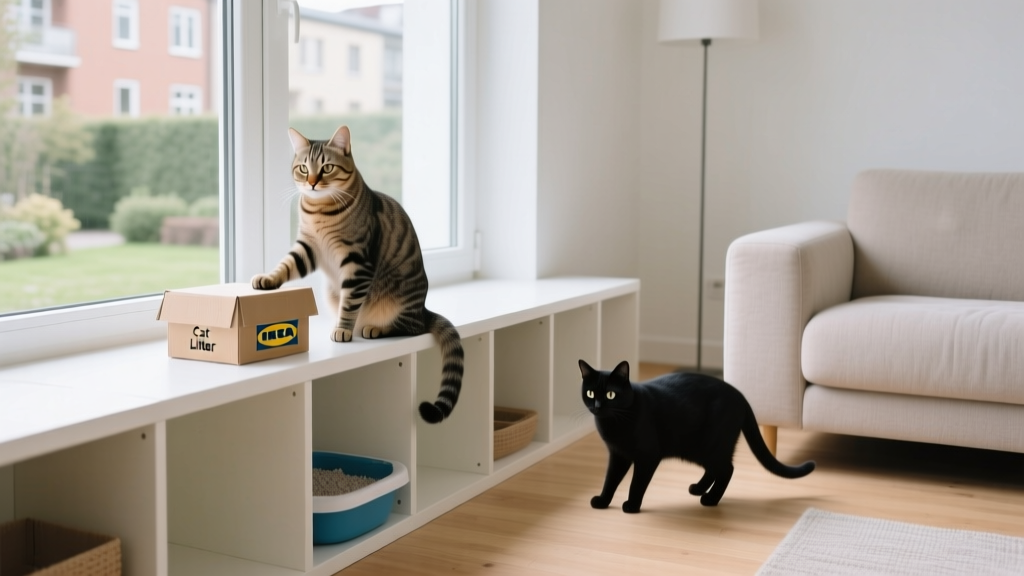
This parallel has real-world impact. When a cat suddenly stops using the litter box, the default assumption is ‘medical issue’—and rightly so. But veterinary behaviorist Dr. Dennis Turner notes: “In 70% of idiopathic cases we see, environmental stressors are primary: new furniture, visitor frequency, even changes in your work-from-home schedule alter their perceived safety calculus.” Think of your cat’s territory as a ‘stress map’—each shelf, perch, and hiding spot serves a neurological purpose. Disrupt one anchor point (e.g., moving their bed), and the whole system recalibrates—often through behavior we misread as ‘bad.’
Case in point: Luna, a 4-year-old rescue, began scratching her owner’s couch after her partner moved in. No medical cause was found. A behavior consultation revealed Luna’s favorite sunbeam perch (on a windowsill) was now blocked by the new partner’s desk chair. Once a second elevated perch was added *within visual range* of that window, scratching ceased in 5 days. The behavior wasn’t ‘spite’—it was displaced territorial reassurance.
Decoding the ‘Similar To’ List: What Your Cat Is Really Modeling
When people ask ‘why cats behavior similar to [X],’ they’re usually trying to make sense of specific actions. Below is a science-backed breakdown of the most common comparisons—and what each truly signals:
| Behavior Observed | Common Assumption | Evolutionary/Neurological Reality | Actionable Insight |
|---|---|---|---|
| Bringing ‘gifts’ (toys, dead prey) | “They’re showing me love or teaching me to hunt” | Instinctive caching behavior—storing surplus food in safe locations. Also, kittens bring items to mothers as part of play-based skill rehearsal. | Praise calmly when they drop it—then immediately redirect to a toy-based ‘hunt’ session. Never punish; it reinforces anxiety about resource security. |
| Sudden biting during petting | “They’re aggressive or don’t like me” | Sensory overload—tactile stimulation triggers neural fatigue. Tail flicking or ear flattening precedes bite by ~3 seconds (a ‘warning threshold’). | Learn your cat’s ‘petting tolerance window’ (often 20–45 seconds). Stop *before* signs appear. Offer chin scritches instead of full-body strokes—they’re lower-stimulation. |
| Hiding when sick or stressed | “They’re being dramatic or avoiding care” | Prey-animal survival strategy: concealment reduces predation risk. Pain or illness lowers immune vigilance, making hiding biologically urgent. | Never force interaction. Place food/water/litter near hiding spots. Use Feliway diffusers (clinically shown to reduce cortisol by 32% in shelter cats) and consult vet within 24 hours if hiding exceeds 12 hours with appetite loss. |
| Staring silently | “They’re plotting or judging me” | Slow blinking = feline ‘smile’—a sign of trust and relaxed alertness. Prolonged unblinking gaze can indicate focus (e.g., on a bird) or mild anxiety if paired with stiff posture. | Return slow blinks! It’s the safest way to communicate calm. If staring is intense + pupils dilated + body tense, assess environment for triggers (outdoor cats, loud noises, new smells). |
Frequently Asked Questions
Why do cats act like lions sometimes?
Domestic cats share 95.6% of their genome with African lions—and crucially, retain nearly identical neural architecture for hunting, territorial defense, and social hierarchy formation. That ‘lion pose’ (arching back, puffing fur) isn’t imitation—it’s the same sympathetic nervous system activation used by all felids to appear larger against threats. It’s a primal reflex, not role-play.
Are cats really like dogs in loyalty?
No—but not for lack of capacity. Dogs evolved pack-based loyalty; cats evolved ‘resource-based fidelity.’ They bond to places and people who reliably provide safety, food, and low-stress interaction. Loyalty manifests as following you, sleeping near you, or greeting you after absence—but it’s quieter, more conditional, and less performative than canine devotion.
Why does my cat behave like a baby?
Kittens use specific vocalizations (high-pitched mews) and kneading to stimulate milk flow. Adult cats retain these ‘neotenic’ traits because humans respond to infantile cues (a phenomenon called the ‘baby schema’). Your cat isn’t regressing—they’re using evolutionarily optimized signals to activate your caregiving response.
Do cats mimic human emotions?
Not consciously—but they’re exquisitely attuned to human emotional states via facial expression, vocal tone, and posture. A 2023 University of Milan study found cats altered their behavior (increased proximity, purring) in response to owners’ sadness 73% of the time—likely due to associative learning (sad humans = more lap time, gentle voice) rather than empathy per se.
Is my cat copying my habits?
Yes—through observational learning. Cats notice routines: your wake-up time, coffee-making sounds, even your typing rhythm. They’ll adjust their napping schedule to coincide with your quietest work hours. This isn’t mimicry for fun; it’s predictive safety planning—aligning their vulnerable resting periods with times of highest human calm.
Common Myths About Feline Behavior
- Myth #1: “Cats are solitary animals who don’t need companionship.” — False. While not pack-dependent, cats form complex, stable social groups in resource-rich environments (e.g., barn colonies, multi-cat homes with proper vertical space). The ASPCA reports that 82% of inter-cat aggression stems from inadequate environmental enrichment—not inherent unsociability.
- Myth #2: “If a cat loves you, they’ll always come when called.” — False. Recall behavior depends on motivation, not affection. A cat may ignore your call because they’re napping (high priority) but sprint to you when you shake a treat bag (higher reward value). This reflects adaptive decision-making—not rejection.
Related Topics (Internal Link Suggestions)
- Understanding cat body language — suggested anchor text: "cat tail positions meaning"
- How to stop cats from scratching furniture — suggested anchor text: "stop cat scratching couch naturally"
- Best toys for indoor cats — suggested anchor text: "indoor cat enrichment ideas"
- Cat stress signs and solutions — suggested anchor text: "hidden signs of cat anxiety"
- Multi-cat household harmony — suggested anchor text: "introducing cats to each other safely"
Your Next Step: Observe, Don’t Interpret
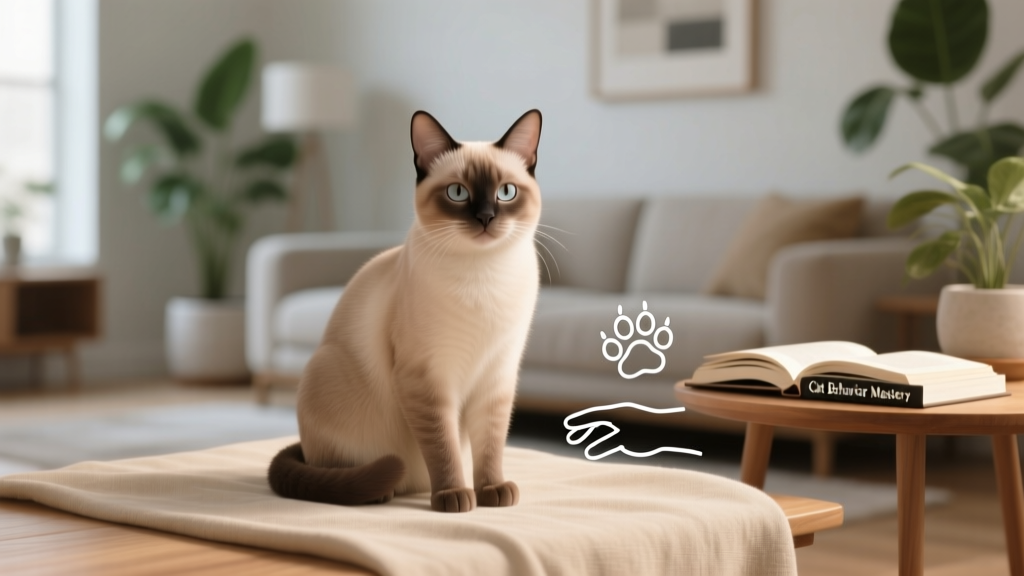
Now that you understand why cats behavior similar to wild ancestors, stressed humans, and even their own kitten selves—it’s time to shift from judgment to curiosity. Your cat isn’t broken, stubborn, or ‘acting out.’ They’re communicating in a language written in 10 million years of survival code. Start today: grab a notebook and log one behavior that puzzles you—then ask, ‘What need is this meeting?’ Is it safety? Control? Stimulation? Predictability? That single question, asked daily, builds the empathy muscle that transforms coexistence into true partnership. And if uncertainty lingers? Consult a certified cat behavior consultant (IAABC or ACVB verified)—not just a trainer. Because when it comes to feline behavior, expertise isn’t optional. It’s the difference between guessing… and understanding.