Cat Paw Patting the Curtain Rod: Climbing Attempt
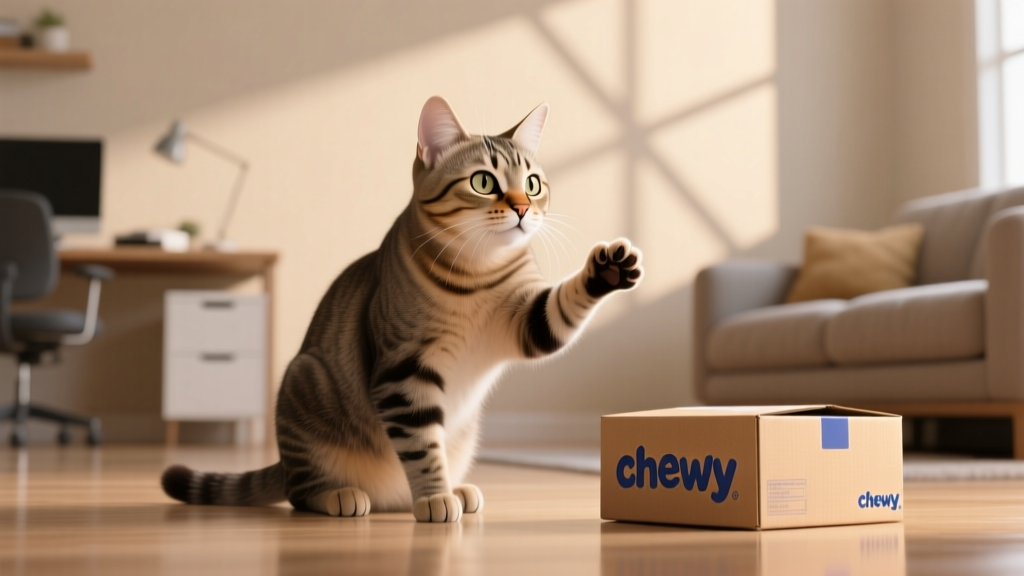
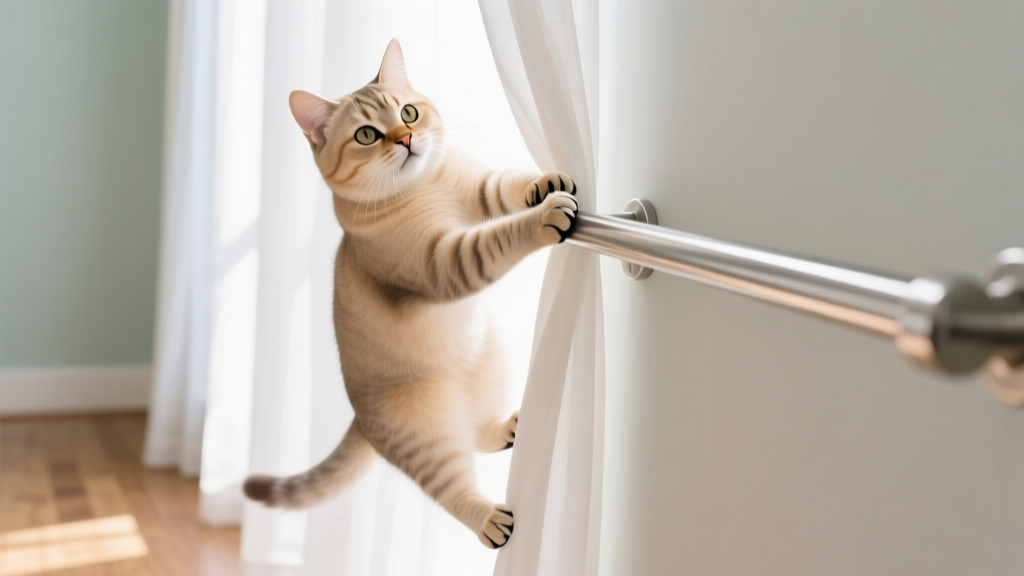
You’re minding your own business—maybe folding laundry, maybe trying to enjoy one quiet cup of tea—when you hear it: tap… tap… tap. You look up and there’s your cat, balanced on the back of the couch like a fuzzy acrobat, gently patting the curtain rod with one paw. Sometimes they alternate paws like a tiny drummer. Sometimes they give a testing thwack, then stare at the rod as if it offended them personally. And sometimes (if you’re lucky or unlucky) they commit to the full move: a spring, a scramble, and suddenly your curtains have become a climbing wall.
This curtain-rod paw patting is one of those behaviors that feels hilariously random—until you view it through the lens of cat instincts. It’s often a “climbing attempt,” but it’s also a mix of hunting practice, problem-solving, and a cat’s deep love of high places. Once you know what you’re seeing, it becomes much easier to respond in a way that keeps your cat safe and your curtains intact.
Why Cats Do This: The Science and the Wild Cat Roots
Domestic cats carry the same basic hardware as their wild ancestors: a body built for climbing, perching, and pouncing. Even though your cat may never need to escape a predator or stalk prey to survive, their brain is still wired to:
- Seek height for safety and better vantage points.
- Test surfaces before committing their full weight (especially narrow or unstable ones).
- Practice hunting skills through “play,” which is really rehearsing for real-world challenges.
- Explore and map their territory in three dimensions, not just across the floor.
A curtain rod is basically an irresistible cat invitation: it’s high up, slender, slightly springy, and connected to fabric that moves like “prey.” When your cat pats at the rod, they’re gathering information—texture, stability, sound, and how it responds to a little force. If it passes their inspection (or if excitement wins over caution), they may try to climb.
There’s also a learning component. Cats are excellent at cause-and-effect. If paw meets rod and the curtain sways, that’s immediate feedback: “I did a thing, and the world changed.” For many cats, that’s satisfying enough to repeat. For others, it’s a step in a bigger plan: “If I can get up there, I can own the room.”
What the Behavior Looks Like in Different Contexts
Not all curtain-rod patting is the same. The details—body posture, timing, and intensity—tell you what’s motivating your cat.
1) The “Engineering Test” Pat
Your cat reaches up calmly, taps the rod once or twice, then pauses. They may tilt their head, sniff the air, or squint like a tiny contractor evaluating a beam.
What it usually means: Curiosity and assessment. They’re checking stability before a possible climb or jump.
2) The “I Heard Something” Patrol
Your cat perks up after a noise outside—a bird, a truck, a neighbor’s dog—then heads to the window and begins pawing at the rod or curtain top.
What it usually means: Height-seeking plus vigilance. They want a better view and a “secure” place to watch.
3) The “Prey Simulation” Session
Your cat bats at the rod, then swats the curtain fabric, then bites the edge and bunny-kicks like it’s a ferocious enemy.
What it usually means: Predatory play. The moving curtain scratches the itch to stalk, grab, and wrestle.
4) The “Zoomies Detour”
In the middle of a high-speed sprint around the room, your cat launches onto the couch and throws a paw up at the rod in passing, like tagging a checkpoint.
What it usually means: High arousal and play energy. The rod becomes part of the obstacle course.
5) The “Attention Strategy” Tap
Your cat has learned that curtain antics make you react. They tap the rod while looking back at you, then tap again as if to say, “Yes, I’m doing the thing.”
What it usually means: Attention-seeking or boredom. Your response is rewarding—even if it’s you saying, “Stop that!”
What It Says About Your Cat’s Mood and Feelings
Think of paw patting as your cat’s way of expressing a few key emotional states:
- Curious and engaged: Slow, gentle taps; relaxed ears; focused gaze.
- Playful and excited: Rapid batting; wiggly body; “butt up” posture; zoomies nearby.
- Alert or mildly anxious: Stiff posture; scanning outside; tail held still or flicking; quick checks of the room.
- Frustrated or under-stimulated: Repetitive tapping; pacing; vocalizing; escalating from tapping to climbing.
One helpful clue: tail language. A loose, gently swaying tail often signals play or curiosity. A sharply flicking tail can signal agitation or over-arousal—your cat may be close to “too wound up,” and that’s when risky climbs happen.
Related Behaviors You Might Also Notice
Curtain-rod patting rarely happens in isolation. Cats who do this often show other “vertical world” habits, such as:
- Launching onto door frames or climbing screens (especially young, athletic cats).
- Perching on the highest furniture like the top of a bookcase or fridge.
- Bapping dangling objects (blind cords, pull strings, hanging plants—please be cautious with these).
- Window watching marathons that turn into “window parkour.”
- Chattering at birds, then redirecting energy into the curtains.
If your cat loves the curtain rod, they’re telling you something important: they want more climbing options and more interesting “jobs” to do in your home.
Normal vs. Concerning: When to Pay Closer Attention
Most curtain-rod patting is normal enrichment behavior—your cat is being a cat. Still, there are times when it’s worth checking for underlying issues.
Usually Normal
- Occasional tapping, especially during play or when watching outdoors.
- Young cats and kittens experimenting with climbing.
- Behavior increases after a change in routine (more indoor time, less play, rainy days).
Potential Concern
- Obsessive repetition that’s hard to interrupt, especially if paired with pacing or over-grooming.
- Sudden increase in climbing attempts in an older cat who previously wasn’t interested (could indicate stress, vision changes, or cognitive shifts).
- Signs of pain or discomfort: hesitating to jump down, limping, or vocalizing when landing.
- Household stress signals: hiding more, aggression, urine marking, or increased startle response.
If you notice pain signs or major behavior changes, a vet check is a smart first step. Cats are masters at masking discomfort, and “weird climbing choices” can sometimes be a clue that something else is going on.
How to Respond (Without Turning It Into a Bigger Game)
You’ve got two goals: keep your cat safe and meet the need behind the behavior. Here are practical ways to do both.
1) Offer a Better Vertical Option
If your cat wants height, give them height. Place a sturdy cat tree near the window, or add wall shelves designed for cats. The best setup often includes:
- A tall, stable climbing structure
- A window perch with traction
- A “route” (chair → shelf → cat tree) so they don’t need the curtains as a ladder
2) Make the Curtain Rod Boring (Safely)
Cats repeat what works. If pawing the rod leads to fun movement, attention, or a thrilling climb, it’s self-reinforcing. You can reduce the payoff by:
- Securing the curtain hardware so it doesn’t wobble (wobble = exciting, and also risky).
- Switching to heavier curtains that don’t flutter as dramatically, if appropriate.
- Keeping furniture “launch pads” a little farther from the curtains (even moving the couch a few inches can change the jump angle).
3) Redirect With a “Yes” Activity
When you catch the paw patting starting, redirect to a toy that scratches the same itch:
- Wand toys (great for jumping and stalking)
- Fetch toys (some cats love springs or soft mice)
- Treat puzzles (for the “I need a job” brain)
Tip: If your cat pats the rod at 9 p.m. every night, schedule a 10–15 minute play session at 8:45. Prevention beats interruption.
4) Avoid Accidental Reinforcement
If your cat does this to get your attention, big reactions can fuel the habit. Instead:
- Stay calm and neutral
- Quietly redirect to a toy or perch
- Praise and reward when they choose the cat tree instead
5) Safety First
Check that your curtain setup can’t collapse onto your cat. Also watch for hazards like blind cords and unsecured rods. If your cat is determined, it’s worth “cat-proofing” the area rather than relying on constant supervision.
Fun Facts and Research-Rooted Nuggets
- Cats are vertical strategists. In multi-cat homes, access to high perches can reduce tension by allowing cats to avoid each other without conflict.
- Play is practice. The stalking → pouncing → grabbing sequence you see in curtain attacks mirrors the predatory sequence, just with softer consequences.
- Whiskers help with spatial math. When your cat leans in and “measures” the rod, their whiskers and body sense (proprioception) help them judge whether a jump or climb is feasible.
- Unpredictable movement is extra exciting. Curtains move differently each time—air currents, your footsteps, outdoor breezes—so your cat doesn’t habituate as quickly as they might with a static toy.
FAQ: Cat Paw Patting the Curtain Rod
Why does my cat pat the curtain rod and then stare at it?
They’re gathering information and watching the result. Cats learn by making tiny changes and observing what happens. That stare can be “Was that stable?” or “Will it move again if I hit it?”
Is my cat trying to climb, or just playing?
Often it’s both. Slow testing taps with a body that shifts closer to the curtain top usually signal a climb plan. Rapid batting, curtain swatting, and bouncing away tends to be play. Some cats start with play and “graduate” into climbing once they realize it’s possible.
How do I stop my cat from climbing the curtains without punishing them?
Give them a better climbing outlet (cat tree/shelves), reduce access to launch points, and redirect early to an appropriate toy. Reward use of the cat tree. Punishment can increase anxiety and make the behavior sneakier, not solved.
My cat only does this at night. Why?
Cats often get a burst of energy in the evening (many are naturally crepuscular—most active at dawn and dusk). If they’re under-stimulated during the day, nighttime becomes their “project time.” A scheduled play session and a small meal after can help.
Should I worry that my cat will fall?
It depends on the setup and your cat’s athleticism. Curtain rods can shift, brackets can loosen, and fabric can tangle. If your cat is attempting full climbs, it’s worth securing the hardware and providing safer vertical alternatives immediately.
Can stress cause more curtain climbing attempts?
Yes. Stress can increase restless, repetitive behaviors, and height can feel safer. If the behavior spikes after changes (new pet, moving, construction noise), add predictable routines, extra enrichment, and safe hiding/perching spots. If stress signals persist, talk with your vet or a qualified behavior professional.
A Better Relationship Through Understanding
When your cat pats the curtain rod, they’re not trying to ruin your decor. They’re communicating: “I want height,” “I’m bored,” “I’m practicing my skills,” or “Something out there is fascinating.” If you respond by offering safer climbing options and more satisfying play, you’ll usually see less curtain chaos—and a happier, more confident cat who feels understood.
Seen your cat do the classic curtain-rod tap, or do they have an even stranger “climbing attempt” ritual? Share your story (and what worked in your home) with other cat lovers at catloversbase.com.