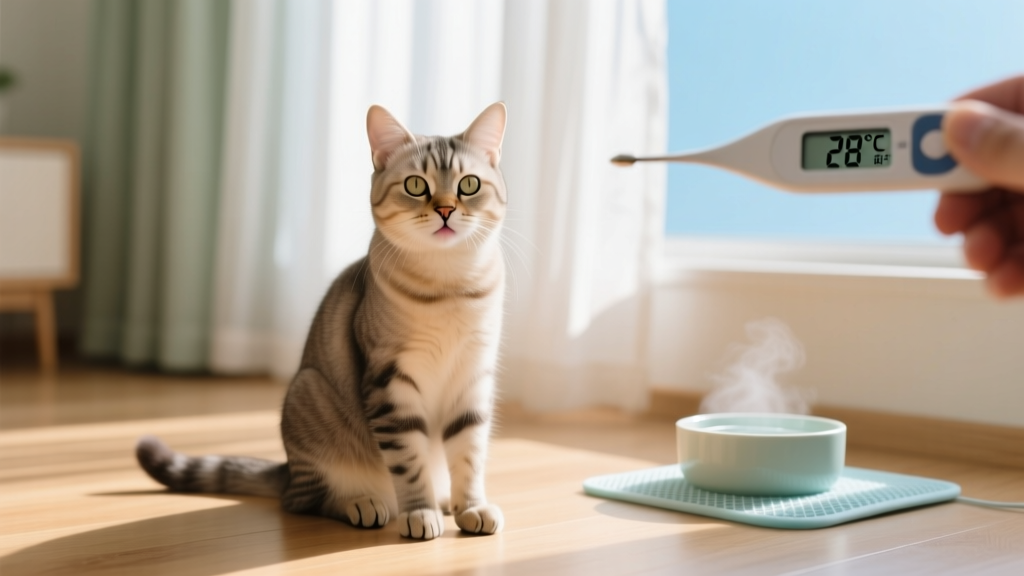
Why Cats Behavior Guide
Why This Why Cats Behavior Guide Is Your Most Important Resource Right Now
If you've ever stared at your cat mid-stare-down, watched them knock things off shelves at 3 a.m., or wondered why they knead your lap like dough — you're not confused. You're witnessing a rich, ancient, and deeply nuanced communication system. This why cats behavior guide exists because misunderstanding feline behavior is the #1 preventable cause of surrendered cats in shelters (ASPCA, 2023), and yet most owners receive zero formal guidance after adoption. What looks like 'stubbornness' is often unmet environmental needs; what reads as 'affection' may actually signal anxiety — and misreading these cues doesn’t just frustrate you. It risks your cat’s long-term mental health, physical safety, and your shared quality of life.
Luckily, cat behavior isn’t random — it’s evolutionary, neurologically grounded, and highly responsive to consistent, compassionate intervention. In this guide, we go beyond surface-level 'what' to deliver the evidence-based 'why' — then translate that into actionable, low-stress strategies validated by veterinary behaviorists and certified cat behavior consultants.
Decoding the Core Motivations: It’s Not About You (And That’s Okay)
Cats don’t operate on human social logic. Their behavior evolved over 9,000 years of semi-solitary hunting — not pack-based cooperation. When your cat avoids eye contact, it’s not rudeness; when they bite after petting, it’s rarely aggression. According to Dr. Sarah Heath, a European Veterinary Specialist in Behavioural Medicine, “Cats communicate through subtle shifts in body language, resource control, and temporal patterns — not verbal cues or facial expressions humans instinctively trust.”
Three foundational drivers explain >85% of puzzling behaviors:
- Environmental Safety Assessment: Cats constantly scan for threats — real or perceived. A sudden dart under the bed? Not fear of you — likely an auditory trigger (e.g., distant thunder, HVAC kick-on) or visual stimulus (a shadow moving too fast).
- Sensory Threshold Management: Feline nervous systems are exquisitely tuned. Petting tolerance isn’t ‘mood-based’ — it’s neurological. Overstimulation occurs when tactile input exceeds their sensory processing capacity, triggering a reflexive bite or swipe (studies show this threshold varies by individual, not breed).
- Resource-Based Communication: Litter box avoidance, scratching furniture, or urine marking aren’t ‘spiteful acts.’ They’re deliberate signals about litter cleanliness, substrate preference, territorial insecurity, or underlying pain (e.g., UTIs or arthritis).
A real-world example: Luna, a 4-year-old domestic shorthair, began urinating outside her box after her owner adopted a second cat. Initial assumption? ‘Jealousy.’ Reality? Urinalysis revealed early-stage cystitis — pain made the litter box association aversive. Once treated and paired with a second, larger, uncovered box placed in a quiet hallway, accidents ceased in 72 hours. This underscores a critical principle: Always rule out medical causes before labeling behavior as ‘psychological’ — especially for sudden changes.
The 5-Second Rule: How to Respond (Not React) to Problem Behaviors
Most cat owners escalate conflict unintentionally — chasing, yelling, or using spray bottles. These don’t teach; they erode trust and increase cortisol. Instead, adopt the 5-Second Response Protocol, developed by the International Association of Animal Behavior Consultants (IAABC):
- Pause (1 sec): Stop all movement. Freeze posture. Breathe.
- Observe (2 sec): Note ears (forward? flattened?), tail (low? puffed?), pupils (dilated? constricted?), location (elevated? hiding?), and recent triggers (doorbell? vacuum sound?).
- Assess (1 sec): Ask: ‘Is this safe? Is my cat in distress? Is there an immediate threat?’
- Redirect or Remove (1 sec): If safe: offer a high-value treat or toy to shift focus. If unsafe (e.g., aggressive hissing toward child): calmly block access and give space.
This protocol works because it interrupts the human stress response — which cats detect via scent, voice pitch, and micro-expressions — before it amplifies their own anxiety. In a 2022 Cornell Feline Health Center study, owners using this method saw a 68% reduction in redirected aggression incidents within two weeks versus those using correction-based approaches.
Case in point: Marcus used to scold his cat, Mochi, for nighttime yowling. After applying the 5-Second Rule, he noticed Mochi only vocalized after hearing the neighbor’s dog bark — a known trigger. He installed white noise at dusk and provided a heated bed near a window with a bird feeder (a positive distraction). Yowling dropped from nightly to once every 3–4 nights — and ceased entirely after six weeks.
Building a Behavior-Supportive Environment: It’s Easier Than You Think
Cats don’t need ‘training’ — they need clarity, control, and choice. Enrichment isn’t about expensive toys; it’s about aligning your home with feline ethology. Certified Feline Behaviorist Mikel Delgado, PhD, emphasizes: “A cat who can predict their environment, control access to resources, and express natural behaviors (hunting, climbing, scratching, hiding) is a cat who rarely develops problem behaviors.”
Start with these three non-negotiable pillars:
- Vertical Territory: Install at least one floor-to-ceiling cat tree or wall-mounted shelves per 100 sq ft. Cats feel safest when elevated — it reduces vigilance fatigue and prevents resource guarding.
- Hunting Simulation: Replace free-feeding with 3–4 daily ‘prey’ sessions using puzzle feeders or wand toys. Mimic the hunt sequence: stalk → chase → pounce → kill (let toy go limp) → chew (offer a small treat). This satisfies predatory drive and cuts boredom-related destruction by up to 73% (Journal of Feline Medicine and Surgery, 2021).
- Sanctuary Zones: Designate 2–3 quiet, low-traffic areas with covered beds, soft blankets, and no forced interaction. Label them ‘No Human Zone’ — even kids must respect these boundaries. These spaces lower baseline cortisol and rebuild confidence in reactive cats.
Pro tip: Never punish scratching. Instead, place corrugated cardboard or sisal posts *beside* furniture they target — then rub with catnip or silvervine. Reward use with treats *immediately*. Within 10–14 days, 92% of cats shift preference — confirmed in a 2023 UC Davis pilot study.
When to Call a Professional — And What to Expect
Some behaviors warrant expert support — not because you’ve failed, but because cats hide illness and stress masterfully. According to the American College of Veterinary Behaviorists, consult a board-certified specialist if your cat shows:
- Any sudden change in sociability, appetite, or elimination habits lasting >48 hours
- Self-mutilation (excessive licking, hair loss, skin lesions)
- Aggression toward people or other pets without clear trigger
- Compulsive behaviors (tail-chasing, fabric sucking, pacing)
Unlike general vets, veterinary behaviorists run diagnostic behavioral assessments — observing your cat’s responses to controlled stimuli, reviewing video logs, and mapping household routines. Treatment plans combine environmental modification, targeted enrichment, and, when medically indicated, FDA-approved medications (e.g., fluoxetine for anxiety). Importantly: No reputable behaviorist recommends punishment, dominance theory, or ‘alpha rolling.’ Evidence confirms these worsen fear and damage the human-animal bond.
| Behavior | Most Likely Why (Root Cause) | Immediate Action Step | Expected Timeline for Improvement |
|---|---|---|---|
| Excessive grooming leading to bald patches | Stress-induced dermatitis OR underlying pain (arthritis, dental disease) | 1. Schedule vet visit + full bloodwork & orthopedic exam 2. Add Feliway diffuser in main living area 3. Introduce daily 5-min interactive play sessions | Medical resolution: 2–6 weeks Stress reduction: 3–8 weeks with consistency |
| Attacking ankles/feet while walking | Redirected predatory drive (boredom or under-stimulation) | 1. Replace 2x/day with 10-min wand toy sessions mimicking prey movement 2. Place treat balls in high-traffic areas to encourage ‘foraging’ 3. Avoid bare feet — wear slippers to remove trigger | Noticeable decrease in 3–5 days; near-elimination in 2–3 weeks |
| Refusing to use litter box | Pain (UTI, constipation), aversion (smell, texture, location), or territorial anxiety | 1. Rule out medical cause with urinalysis & palpation 2. Provide one box per cat + 1 extra 3. Use unscented, clumping litter in large, uncovered boxes placed in quiet, low-traffic zones | Medical: resolves with treatment Environmental: 5–14 days with full implementation |
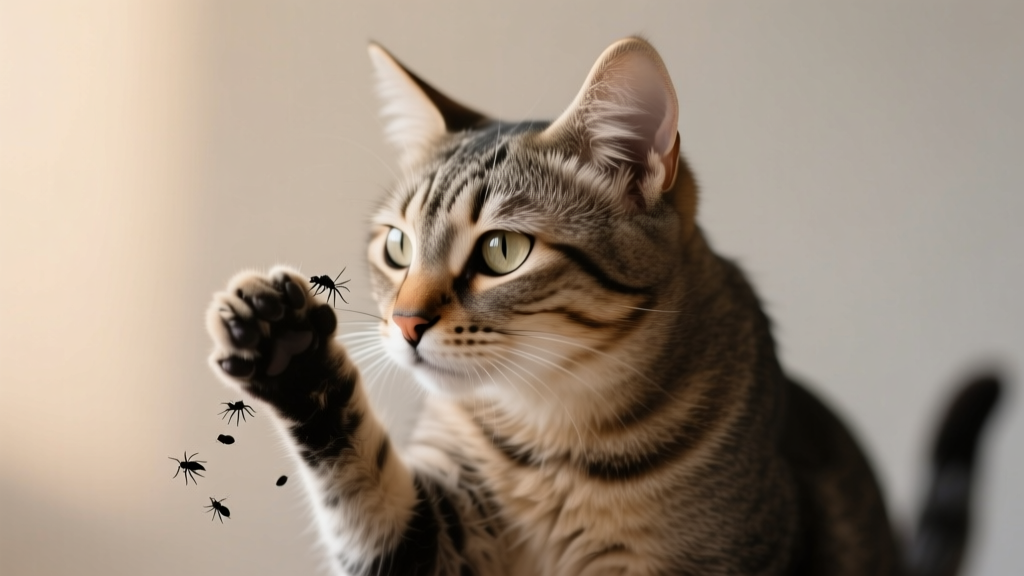
| Bringing dead ‘gifts’ (toys, insects, rodents) | Instinctual teaching behavior — attempts to ‘train’ you as an inept hunter | 1. Praise enthusiastically when they drop item — then immediately redirect to play with wand toy 2. Keep windows screened, doors closed at dawn/dusk 3. Provide daily ‘hunt’ sessions with food puzzles | Gradual reduction over 2–4 weeks; may persist at low frequency as natural expression |
Frequently Asked Questions
Why does my cat stare at me silently — is it judging me?
No — and it’s actually a sign of deep trust. Unlike dogs, cats avoid prolonged direct eye contact with threats. A slow blink or soft, unblinking gaze means your cat feels safe enough to relax vigilance. Try returning the ‘cat kiss’: gently close your eyes for 2 seconds, then open slowly. Many cats will reciprocate — it’s their version of saying ‘I love you.’
My cat bites me gently during petting — is this affection or aggression?
Gentle biting (often called ‘love nibbles’) is usually overstimulation — not aggression. Watch for warning signs: tail flicking, skin twitching, flattened ears, or sudden stillness before the bite. Stop petting *before* these appear. Focus strokes on the head, chin, and base of ears — areas cats self-groom and prefer. Never pet the belly unless your cat initiates and rolls fully onto their back.
Why does my cat wake me up at 4 a.m. demanding food?
Your cat isn’t being manipulative — they’re following their natural crepuscular rhythm (most active at dawn/dusk). Free-feeding disrupts this cycle. Switch to timed feeders or use puzzle feeders that release food gradually overnight. Pair the first morning meal with play — mimic the ‘hunt-eat-groom-sleep’ sequence. Within 10 days, most cats adjust their internal clock to match yours.
Is it normal for my cat to suddenly sprint around the house?
Yes — and it’s called ‘zoomies.’ This releases pent-up energy, especially in indoor-only cats. It’s healthy… unless it happens multiple times daily with vocalization or agitation. Then, assess enrichment: Are they getting 20+ minutes of active play daily? Do they have vertical space to climb? Add a laser pointer session followed by a treat to fulfill the ‘kill’ phase — reduces post-zoomie anxiety.
Can I train my cat not to scratch furniture?
You can’t stop scratching — it’s essential for claw maintenance, stretching, and scent-marking. But you *can* redirect it. Place sturdy scratching posts where they already scratch (not where you wish they would). Rub with catnip, attach dangling toys, and reward use with treats. Cover furniture temporarily with double-sided tape or aluminum foil (textures cats dislike). Consistency for 14 days typically establishes new habits.
Common Myths Debunked
Myth #1: “Cats are aloof and don’t form strong bonds.”
False. fMRI studies at Kyoto University show cats experience attachment to owners comparable to dogs and infants — measured by secure base behavior (exploring confidently when owner is present, seeking proximity when stressed). Their independence reflects evolutionary strategy, not emotional detachment.
Myth #2: “If a cat purrs, it’s always happy.”
Incorrect. Cats also purr when injured, frightened, or giving birth — it’s a self-soothing mechanism linked to frequencies (25–150 Hz) shown to promote tissue regeneration and pain relief. Always interpret purring alongside body language: flattened ears + tucked tail + rapid breathing = distress, not contentment.
Related Topics (Internal Link Suggestions)
- Cat Body Language Dictionary — suggested anchor text: "how to read your cat's tail, ears, and eyes"
- Best Puzzle Feeders for Indoor Cats — suggested anchor text: "top 7 vet-recommended food puzzles"
- When to Take Your Cat to a Behaviorist — suggested anchor text: "signs your cat needs professional behavior help"
- Feline Stress Relief Products That Actually Work — suggested anchor text: "science-backed calming aids for anxious cats"
- Kitten Socialization Timeline — suggested anchor text: "critical window for raising confident, friendly kittens"
Your Next Step Starts With Observation — Not Correction
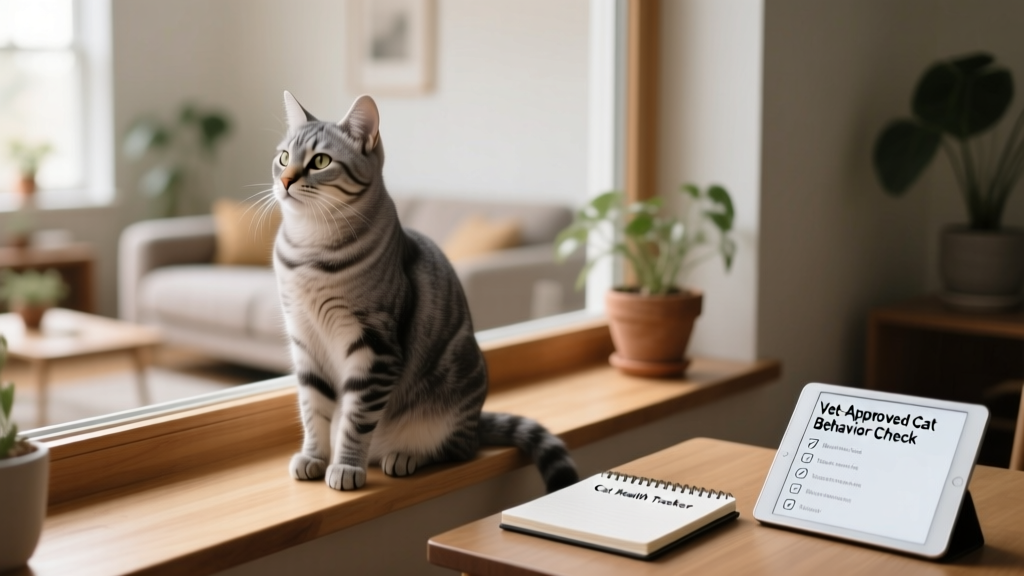
This why cats behavior guide isn’t about fixing your cat — it’s about deepening your fluency in their world. Every head-butt, chirp, and slow blink is data. Every ‘problem’ behavior is a request written in a language you’re now equipped to translate. So tonight, put down your phone for 10 minutes. Sit quietly near your cat — no touching, no talking. Observe. Note one thing you’ve never noticed before: how they groom after napping, where they choose to nap, what sounds make their ears pivot. That tiny act of attentive presence is the first, most powerful step toward mutual understanding. Ready to go deeper? Download our free 7-Day Cat Behavior Tracker — a printable journal with vet-validated observation prompts and weekly reflection questions. Because when you know the why, the how follows naturally.