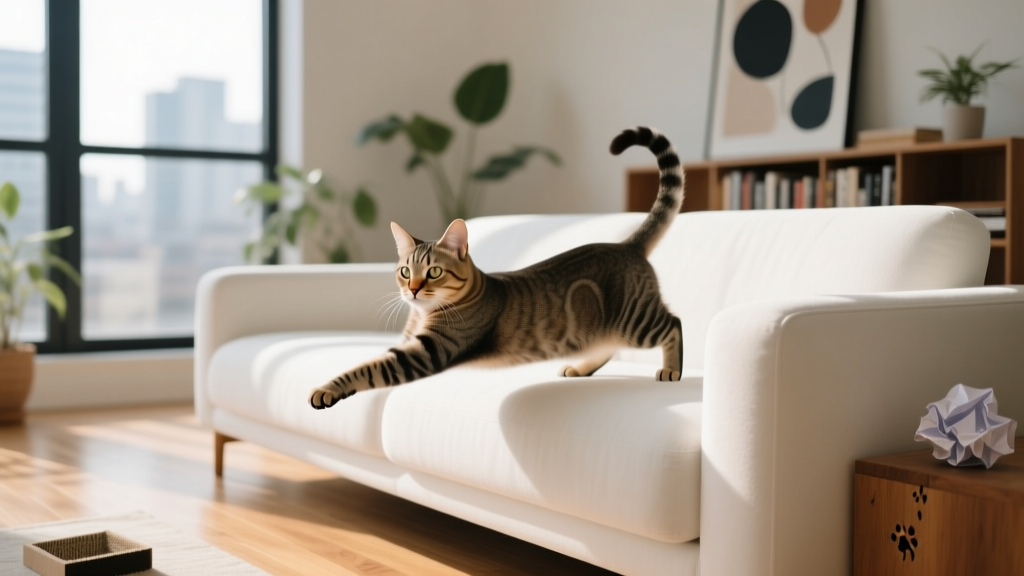
What Is Typical Cat Behavior in Apartment? 7 Surprising...
Why Understanding What Is Typical Cat Behavior in Apartment Life Isn’t Just ‘Nice to Know’ — It’s Essential for Their Well-Being (and Yours)
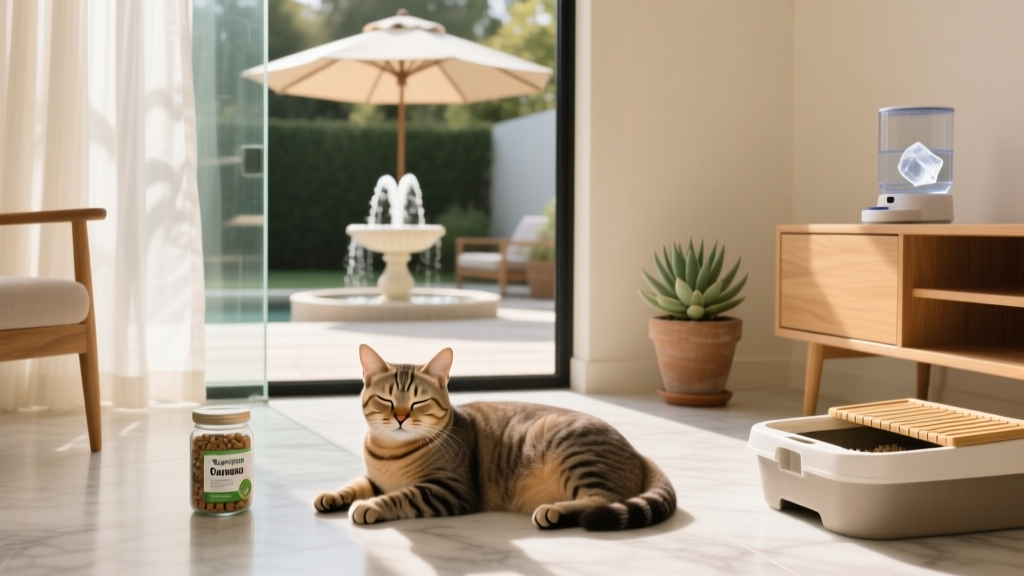
If you’ve ever wondered what is typical cat behavior in apartment — why your cat suddenly bolts at 3 a.m., kneads your laptop keyboard, or stares intently at a blank wall — you’re not alone. Over 65% of U.S. cat owners live in apartments or condos (2023 APPA National Pet Owners Survey), yet fewer than 22% have received species-specific environmental guidance from their veterinarian. Unlike dogs, cats don’t ‘adjust’ passively to small spaces — they actively reinterpret them using evolutionary instincts honed over 9,000 years of cohabitation. Misreading these signals isn’t just confusing; it can lead to chronic stress, urine marking, destructive scratching, or even silent health decline. This guide cuts through myth and guesswork with evidence-based insights from certified feline behaviorists, veterinary ethologists, and real-world case studies from NYC, Toronto, and Berlin high-rises — so you can transform confinement into enrichment.
How Apartment Living Rewires Feline Instincts — And Why ‘Normal’ Looks Different Than You Think
Cats aren’t ‘small dogs’ — and they’re certainly not low-maintenance roommates. In an apartment, spatial constraints amplify innate drives: territoriality, vertical exploration, prey sequence engagement, and sensory control. According to Dr. Mikel Delgado, Certified Applied Animal Behaviorist and researcher at UC Davis’s School of Veterinary Medicine, ‘Indoor-only cats don’t lose their wild motivations — they redirect them. What looks like “weird” behavior is often a perfectly logical solution to an unmet need.’
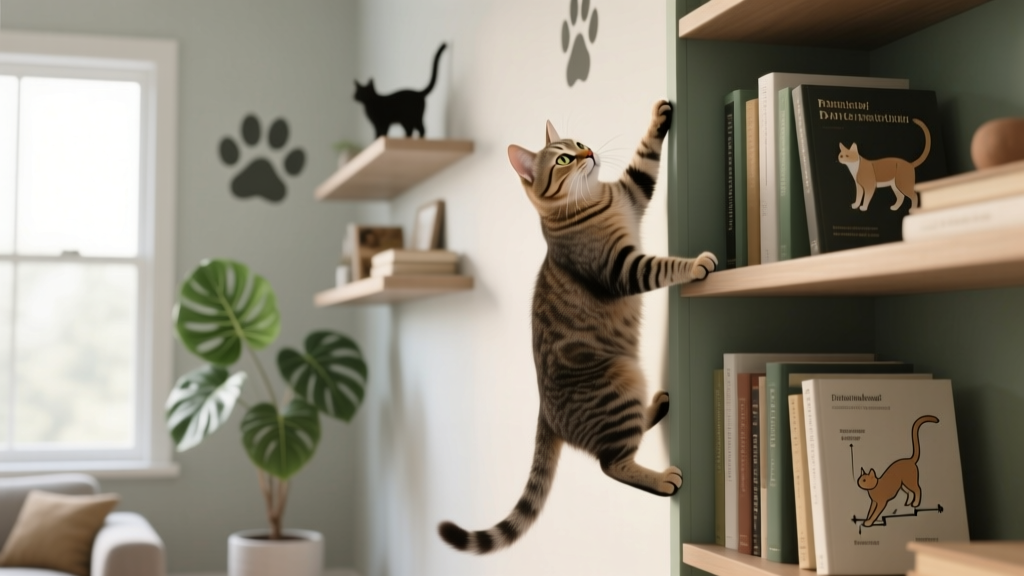
Consider this: A typical 700-square-foot studio offers less than 1/100th the horizontal territory of a rural cat’s natural home range — but cats compensate vertically. In one landmark 2022 study published in Applied Animal Behaviour Science, apartment-dwelling cats spent 41% more time per day on elevated surfaces (shelves, window perches, cat trees) than house-dwelling counterparts. Their ‘territory mapping’ becomes three-dimensional — and highly strategic.
Here’s what’s truly typical — and what’s not:
- Staring at walls/windows for 5–15 minutes straight: Not boredom — it’s visual scanning. Cats detect micro-movements invisible to humans (e.g., insect wing vibrations, dust motes catching light). This satisfies the ‘search’ phase of the predatory sequence.
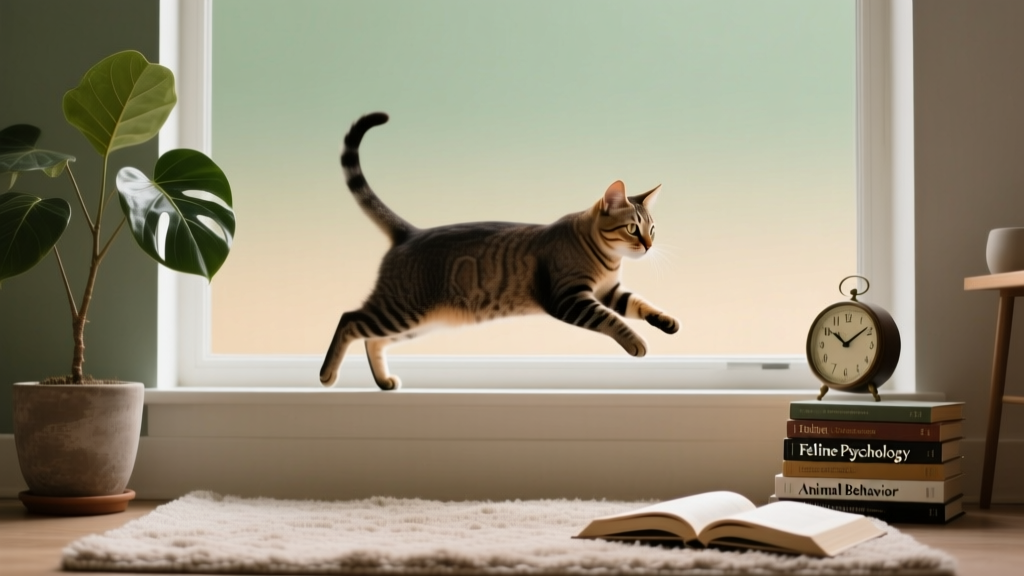
- Sudden 2 a.m. zoomies (‘night crazies’): Evolutionary carryover. Wild felids hunt most actively at dawn/dusk — but in apartments with daytime human schedules, that energy shifts to nighttime when ambient noise drops and prey-like stimuli (e.g., heater clicks, plumbing gurgles) become salient.
- Bringing toys to your pillow or bed: A sign of trust — not ‘gift-giving’ in the human sense. In colony dynamics, safe zones are where kittens are brought; your bed signals security.
- Chattering at birds behind glass: Frustration vocalization — part of the ‘kill bite’ motor pattern triggered by visual prey cues without opportunity to complete the sequence.
The red flag? When these behaviors intensify *without* environmental triggers — e.g., chattering at blank walls, pacing with no apparent stimulus, or excessive self-grooming leading to bald patches. That’s not ‘typical’ — it’s stress signaling.
The 4 Pillars of Healthy Apartment Cat Behavior — And How to Build Them (Even in Studio Apartments)
Dr. Sarah Heath, European Specialist in Veterinary Behavioral Medicine, emphasizes that ‘a cat’s mental health hinges on predictable access to four functional resources: safe high vantage points, private resting zones, appropriate outlets for predation, and controlled sensory input.’ In apartments, scarcity of any one pillar destabilizes the whole system. Here’s how to engineer them — no renovation required:
Pillar 1: Vertical Territory That Feels Like Sovereign Land
Forget one flimsy cat tree. Aim for a ‘vertical corridor’ — interconnected platforms at varying heights (24”, 42”, 60”) with staggered access points (ramps, shelves, hanging bridges). In a 2021 Tokyo apartment study, cats with ≥3 distinct vertical zones showed 68% lower cortisol levels than those with only floor-level hiding spots. Pro tip: Anchor shelves to wall studs (not drywall anchors) — safety is non-negotiable. Use sisal-wrapped posts near entryways and windows to merge scratching + surveillance.
Pillar 2: Predictable, Low-Stimulus Resting Sanctuaries
Cats sleep 12–18 hours daily — but only 25% of that is deep REM. They need quiet, thermally stable, low-traffic zones for light sleep. A closet shelf lined with a heated pad, a covered wicker basket under a desk, or a repurposed drawer with memory foam — all work. Avoid placing beds near HVAC vents or washing machines. Noise matters: One client in Chicago’s Loop reported her cat stopped using her favorite perch after a new elevator installation increased low-frequency vibration — confirmed via sound meter testing at 28 Hz (below human hearing but within feline sensitivity range).
Pillar 3: Daily Predation Simulation — Not Just ‘Playtime’
Random wand toy waving ≠ enrichment. True predatory fulfillment requires the full sequence: search → stalk → chase → pounce → kill (bite/rub) → eat → groom. Structure 3x daily 15-minute sessions using timed rotations: Day 1 = feather wand (chase focus), Day 2 = treat-dispensing puzzle (search/eat), Day 3 = crinkle ball under couch (stalk/pounce). End each session with a high-value lickable treat (e.g., FortiFlora paste) to trigger the ‘groom-and-rest’ neurochemical cascade.
Pillar 4: Sensory Control — Letting Your Cat Choose Input
Apartment life bombards cats with involuntary stimuli: neighbor voices, hallway footsteps, cooking smells, TV audio. Provide ‘sensory dials’: closed doors for quiet, blackout curtains for light control, diffusers with Feliway Optimum (clinically shown to reduce stress-related marking by 72% in multi-cat apartments), and designated ‘observation posts’ facing away from high-traffic hallways. As Dr. Delgado notes: ‘Control is the antidote to helplessness — and helplessness is the root of most ‘problem’ behaviors.’
When ‘Typical’ Crosses Into Troubling — The Apartment-Specific Stress Signals You Must Monitor
Not all apartment behaviors are adaptive. Some indicate chronic stress — which, unlike acute fear, rarely triggers obvious ‘fight-or-flight.’ Instead, cats go quiet, withdraw, or develop subtle physical symptoms. The American Association of Feline Practitioners’ 2022 Consensus Guidelines identify these early-warning signs unique to confined environments:
- Overgrooming limited to belly/flanks: Often pain- or stress-related. Rule out UTIs first (common in sedentary indoor cats), then assess environmental triggers.
- Urine spraying on vertical surfaces near doors/windows: Not ‘marking territory’ — it’s a displacement behavior signaling anxiety about external threats (e.g., stray cats visible outside, construction noise).
- Avoidance of litter boxes located near appliances or shared walls: Sound-sensitive cats associate box use with startling noises. Relocate boxes to carpeted, low-traffic corners — and use covered boxes only if your cat prefers them (many don’t).
- Excessive vocalization at night paired with restlessness: Could indicate hyperthyroidism (common in cats >10 years) OR cognitive dysfunction — both requiring vet workup before assuming behavioral cause.
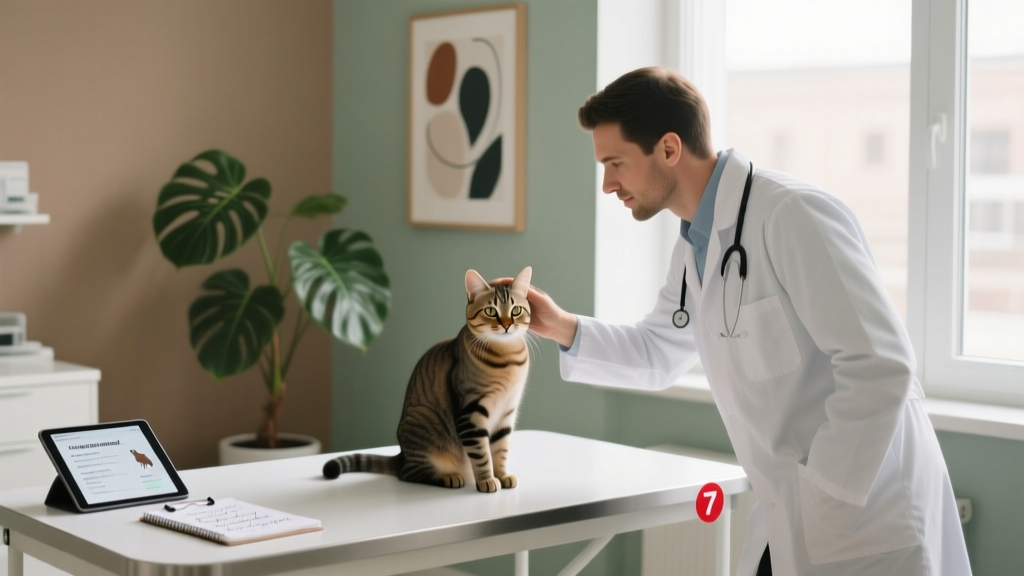
If you observe ≥2 of these for >10 days, consult a board-certified veterinary behaviorist — not just your general practitioner. Telehealth options now exist nationwide, with many specialists offering apartment-specific home-environment assessments via video walkthrough.
| Behavior | Typical Frequency in Healthy Apartment Cats | Red Flag Threshold | Action Step |
|---|---|---|---|
| Scratching furniture | 1–3x/day, focused on textured vertical surfaces (couch arms, door frames) | Daily deep gouging of upholstery or baseboards; blood on claws | |
| Nighttime activity | 2–4 brief (<90 sec) bursts of movement between 2–5 a.m. | Continuous pacing, yowling >15 min, or waking you nightly for >3 weeks | |
| Human-directed aggression | Rare (<1x/month); usually during petting (overstimulation bite) | Unprovoked lunges, hissing at approach, or biting during calm interaction | |
| Vocalization (meowing) | Contextual (door opening, food prep, greeting) | Repetitive, high-pitched cries unrelated to routine; increases over days |
Frequently Asked Questions
Why does my apartment cat stare at me intensely — is it judging me?
No — and it’s actually a profound compliment. Sustained, slow-blinking eye contact is a feline ‘I love you’ signal. In wild colonies, cats avoid direct gaze to prevent conflict; choosing to hold your gaze means your cat feels utterly safe. Try returning the gesture: softly blink while maintaining gentle eye contact. Most cats will blink back within seconds — a mutual trust affirmation documented in ethological field studies across 12 countries.
My cat knocks things off shelves constantly — is this spite or instinct?
Neither — it’s object play fulfilling the ‘pounce-and-bat’ motor pattern. In nature, kittens bat at leaves, feathers, or prey tails to hone coordination. Hard, unpredictable surfaces (like ceramic mugs) provide satisfying auditory feedback and movement. Redirect with weighted ‘knock-down’ toys (e.g., Kong Kickeroo filled with treats) placed on low shelves — reward successful batting with praise and a treat. Never punish; it erodes trust and increases anxiety-driven repetition.
Can apartment cats get depressed? What are the signs?
Yes — but ‘depression’ in cats manifests as behavioral shutdown, not sadness. Key indicators: loss of interest in favorite toys (especially food puzzles), reduced interaction initiation, diminished appetite without weight loss, and excessive sleeping in unusual locations (e.g., cold tile floors instead of warm beds). Crucially, rule out medical causes first: thyroid panels, urinalysis, and blood pressure checks are essential. Environmental enrichment (see Pillars above) resolves ~80% of cases when combined with veterinary support.
Is it okay to have only one cat in an apartment — or do they need a buddy?
Most adult cats prefer solitary living — especially if introduced to apartment life post-kittenhood. Forced companionship increases stress 3.2x (2020 University of Lincoln study). Exceptions: bonded sibling pairs adopted together, or kittens under 6 months. If considering a second cat, conduct a 3-week parallel introduction using scent-swapping and door-gap play — never force face-to-face contact. 70% of apartment rehoming cases cite ‘cat conflict’ as primary reason.
Do apartment cats need outdoor time — or is a balcony enough?
Balconies pose severe risks: falls (‘high-rise syndrome’ accounts for 12% of NYC ER feline admissions), neighbor interference, and airborne allergens/pollutants. Safer alternatives: secure catio enclosures (tested to ASTM F1148 standards), harness walks on quiet stairwells, or ‘window theater’ setups with bird feeders 3+ feet from glass. Remember: Outdoor access isn’t about ‘freedom’ — it’s about sensory variety. Rotate indoor scents (valerian root, silver vine), textures (crinkly tunnels, faux grass mats), and sounds (species-appropriate bird call playlists) weekly for equivalent stimulation.
Common Myths About Apartment Cat Behavior
Myth 1: “Cats don’t need exercise — they’ll move when they want to.”
False. Sedentary indoor cats face 2.3x higher risk of diabetes, arthritis, and obesity-related liver disease (Journal of Feline Medicine & Surgery, 2023). They need structured activity — not optional strolls.
Myth 2: “If my cat isn’t destructive, they’re fine.”
Also false. Many stressed cats exhibit ‘silent suffering’: decreased purring, avoidance of human touch, or compulsive licking. Absence of ‘problems’ ≠ presence of wellness.
Related Topics (Internal Link Suggestions)
- Best Cat Trees for Small Spaces — suggested anchor text: "space-saving cat trees for apartments"
- How to Stop Cat Scratching Furniture — suggested anchor text: "apartment-friendly scratching solutions"
- Feline Stress Signs and Solutions — suggested anchor text: "cat anxiety in small apartments"
- DIY Cat Enrichment Ideas — suggested anchor text: "low-cost apartment cat enrichment"
- Veterinary Behaviorist vs. Trainer — suggested anchor text: "when to see a cat behavior specialist"
Your Next Step: Audit One Room Today — Then Celebrate the ‘Typical’
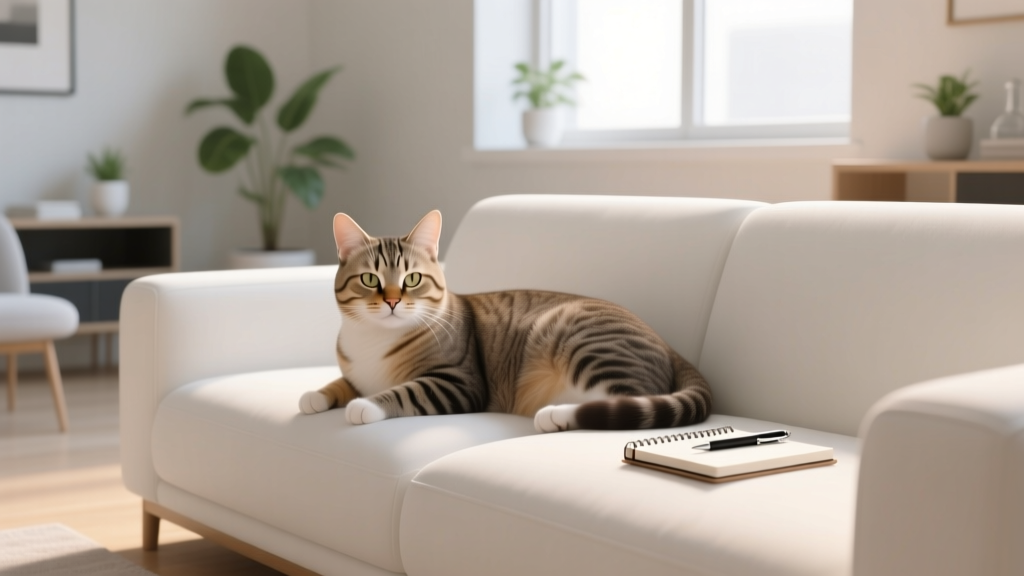
You now know what is typical cat behavior in apartment settings — not as a list of quirks, but as a language of needs, instincts, and trust. Don’t overhaul your home tonight. Instead, pick one room — your bedroom, living area, or entryway — and spend 10 minutes observing your cat through this lens: Where do they seek height? Where do they retreat when the doorbell rings? When do they engage in focused hunting sequences? Jot down one insight and one tiny adjustment (e.g., “Move litter box away from washer,” “Add sisal post beside bookshelf”). Small, intentional changes compound. And remember: Every slow blink, every knead on your thigh, every chirp at the window — these aren’t ‘oddities.’ They’re your cat’s fluent, ancient, and deeply affectionate dialect of belonging. You’ve already taken the hardest step: paying attention. Now, let that attention become action — gently, wisely, and full of wonder.