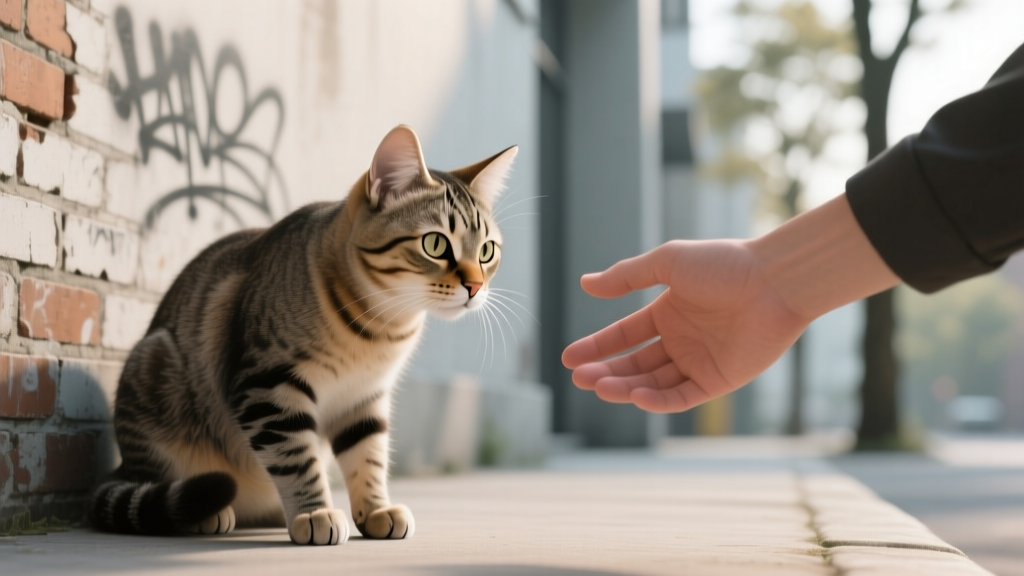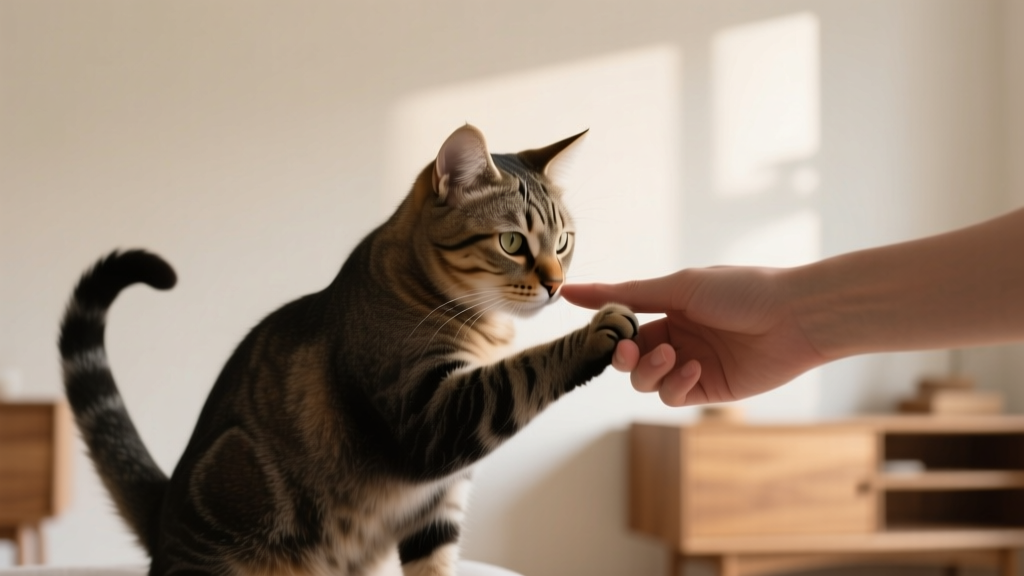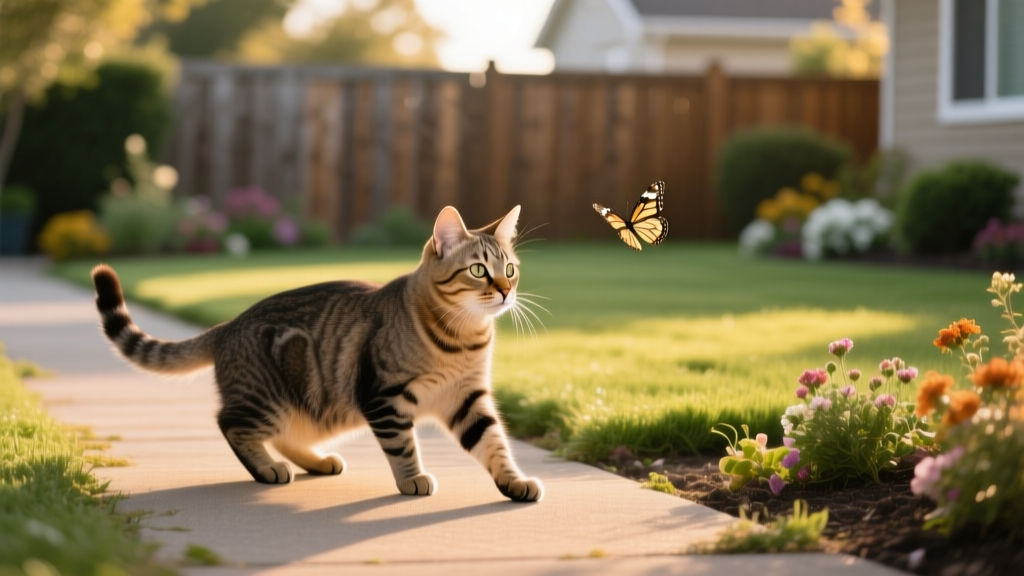
What Is Typical Cat Behavior for Outdoor Cats? 7 Real
Why Understanding What Is Typical Cat Behavior for Outdoor Cats Isn’t Just Curiosity—It’s Critical Care
If you’ve ever watched your cat vanish at dawn only to reappear at midnight with grass stains and a twitch in their tail—or worse, panicked after they didn’t return for 36 hours—you’re not alone. What is typical cat behavior for outdoor cats isn’t just about curiosity or folklore; it’s the foundation of responsible guardianship, humane community coexistence, and early intervention when something truly goes wrong. Unlike indoor-only cats whose routines are tightly choreographed by human schedules, outdoor cats operate on evolutionary timelines shaped by 10,000+ years of semi-wild adaptation. Yet most owners interpret their behavior through an indoor lens—leading to unnecessary worry, premature vet visits, misguided confinement attempts, or even surrender decisions based on misread signals. This guide cuts through myth with field observations, GPS-collar research, and insights from feline ethologists and veterinary behaviorists to help you recognize authentic outdoor cat norms—and spot the red flags that demand action.
1. The 24-Hour Rhythm: When, Where, and Why They Roam
Outdoor cats aren’t ‘wandering aimlessly’—they follow highly structured, energy-efficient movement patterns validated by multiple GPS tracking studies. A landmark 2022 University of Exeter study followed 127 owned outdoor cats across urban, suburban, and rural UK neighborhoods using lightweight GPS loggers. Researchers discovered that over 85% of cats maintained consistent, repeatable home ranges averaging just 0.2–1.4 acres—far smaller than commonly assumed. More surprisingly, their peak activity wasn’t random: 68% showed pronounced crepuscular (dawn/dusk) peaks, while 22% were genuinely nocturnal—especially in areas with high daytime human or dog traffic.
This rhythm isn’t laziness or defiance—it’s thermoregulation and predation strategy. As Dr. Sarah Halls, a certified feline behaviorist and co-author of the study, explains: “Cats evolved to hunt small mammals and birds, which are most active during low-light transitions. Their vision adapts faster than ours in dim light, and their whiskers detect air currents that signal prey movement—even before sight or sound registers.”
Real-world implication: If your cat vanishes at 5:30 a.m. and returns at 7:15 a.m. with muddy paws and half-chewed grass, that’s not ‘running away’—it’s completing a biologically hardwired patrol loop. But if they suddenly abandon their usual 0.5-acre radius for three days straight—or begin sleeping in unfamiliar sheds or under parked cars—that’s a deviation worth investigating.
2. Territory Mapping: Scent, Sight, and Strategic Marking
Contrary to popular belief, outdoor cats don’t ‘own’ land like dogs do—they create layered, multi-sensory maps using scent, visual cues, and subtle body language. Their territory isn’t a rigid fence line but a dynamic network of ‘safe zones,’ ‘buffer zones,’ and ‘shared-use corridors.’
Key markers include:
- Facial rubbing: Depositing calming pheromones (F3) on trees, fences, and garden ornaments—not aggression, but reassurance;
- Spraying (not urinating): Vertical urine marking occurs almost exclusively in unneutered males—but also in stressed females or cats encountering new rivals;
- Scratching posts (natural & built): Leaves visual + olfactory signals plus claw-conditioning cues;
- ‘Sitting sentry’ perches: Elevated spots (rooftops, wall tops, shed roofs) used for surveillance—not dominance displays, but risk assessment.
A telling case study comes from Portland, Oregon’s Tualatin Valley TNR coalition: After installing motion-triggered cameras near shared alleyways, volunteers observed that neighboring cats rarely crossed paths directly. Instead, they staggered visits—Cat A patrolled 6–8 a.m., Cat B arrived 9–11 a.m., and Cat C used the same space at dusk. This temporal partitioning reduces conflict more effectively than physical barriers.
3. Social Fluidity: From Solitary Hunters to Selective Allies
Yes, cats are often called ‘solitary predators’—but that label hides rich nuance. Outdoor cats exhibit what researchers call facultative sociality: they choose connection when benefits outweigh risks. In colonies formed around reliable food sources (e.g., barns, docks, or kind neighbors), you’ll see grooming alliances, communal kitten-rearing, and coordinated vigilance—especially among related females.
However, these bonds are highly contextual. A 2023 Cornell Feline Health Center survey of 412 outdoor-access cats found that only 12% engaged in mutual allogrooming outside their core family unit—and those relationships dissolved within 2 weeks if food access changed. Meanwhile, male cats showed near-zero social tolerance outside mating season, with 94% avoiding direct contact unless forced.
Practical takeaway: If your cat brings home ‘friends’ (especially kittens), it likely signals safety and resource abundance—not loneliness. But if they hiss, flatten ears, or dart away from familiar neighborhood cats they previously ignored, that shift may indicate pain, dental disease, or neurological change—not ‘bad mood.’
4. Hunting, Play, and the Prey Drive Continuum
Hunting isn’t ‘cruelty’—it’s neurobiological necessity. Even well-fed outdoor cats engage in full predatory sequences (stalking → chasing → pouncing → killing → eating or caching) up to 10–15 times daily. But here’s what surprises most owners: less than 20% of successful hunts result in consumption. According to Dr. John Bradshaw, author of Covert Lives: The Truth About Domestic Cats, ‘killing without eating’ serves two vital functions: muscle maintenance and neural calibration. It keeps reflexes sharp and reinforces spatial memory—critical for navigating complex terrain safely.
That said, prey choice reveals health and environmental cues. Healthy cats prefer small mammals (voles, shrews) and large insects (crickets, beetles). A sudden switch to birds—especially fledglings or injured adults—often correlates with declining vision or dental pain, making slower-moving targets easier to catch. Likewise, repeated capture of toxic species (e.g., fireflies, certain frogs) warrants immediate vet consultation.
| Behavior Pattern | Typical Frequency (Healthy Adult) | Red Flag Threshold | First-Step Response |
|---|---|---|---|
| Overnight absence | 1–2 nights/week (seasonal variation normal) | ≥3 consecutive nights without return OR returning disoriented/injured | Check local shelters & post geo-tagged lost-cat flyers; scan for microchip at vet |
| Urine spraying indoors | Rare to none (if neutered/spayed & stress-free) | New onset after age 2, especially on vertical surfaces | Vet visit: rule out UTI, kidney disease, or anxiety triggers |
| Hunting success rate | ~1 in 3–5 attempts (varies by habitat) | Zero captures for >10 days OR exclusively targeting sick/injured animals | Assess vision (menace reflex test), oral exam, and environmental enrichment |
| Interaction with humans | Selective approach: friendly to known caregivers, wary of strangers | Sudden friendliness toward unknown people OR aggressive avoidance of longtime owners | Rule out cognitive decline (feline dementia), hyperthyroidism, or pain |
| Nesting behavior (digging, scratching beds) | Daily, especially pre-sleep or post-hunt | Excessive digging (walls, furniture) OR cessation for >1 week | Evaluate litter box hygiene, arthritis, or territorial stressors |
Frequently Asked Questions
Do outdoor cats get lonely when left alone?
No—loneliness isn’t a primary driver for cats, whether indoor or outdoor. What they *do* experience is environmental deprivation. An outdoor cat denied access to climbing structures, scent-rich zones, or safe vantage points may show stereotypic behaviors (over-grooming, pacing, vocalizing), but this reflects boredom or frustration—not emotional abandonment. Enrichment matters more than companionship. As certified cat behavior consultant Mikel Delgado notes: “Cats don’t need friends—they need agency, complexity, and control over their sensory input.”
Is it safe to let my cat outside if they’ve always been indoors?
Not without gradual, supervised transition—and even then, risks remain. Indoor-only cats lack predator recognition, road hazard awareness, and interspecies communication skills. A 2021 Journal of Feline Medicine & Surgery review found that cats introduced to outdoors after age 1 had 3.7× higher injury rates in their first 6 months than those raised with outdoor access. Start with 5-minute leashed sessions at dawn, add a catio for 2 weeks, then progress to enclosed yard time—always with ID microchip and reflective collar.
How far do outdoor cats usually roam?
Most stay within 1–3 football fields (300–500 meters) of home—but this varies dramatically by sex, neuter status, terrain, and local wildlife density. Unneutered males average 1,500 meters; spayed females average 120 meters. GPS data shows rural cats cover wider areas but move slower and more deliberately; urban cats compress activity into tighter zones but patrol more frequently. Never assume distance equals danger—many ‘missing’ cats are simply napping in dense shrubbery 100 feet from your back door.
Why does my outdoor cat bring me dead animals?
This is an instinctive teaching behavior—not a gift or guilt offering. Mother cats bring prey to kittens to demonstrate handling and consumption. When your cat deposits a mouse at your feet, they’re treating you as an inept offspring who needs remedial instruction. While unsettling, it’s a sign of deep trust. To reduce frequency: provide daily interactive play with wand toys (mimicking prey movement), feed immediately after play, and avoid punishment—which confuses the cat and may suppress natural drives.
Can I train my outdoor cat to come when called?
Yes—but only with consistency, positive reinforcement, and realistic expectations. Use a unique cue word (not ‘here’ or ‘come’) paired with high-value treats *only* when called. Practice at dawn/dusk when they’re naturally attentive. Success rate drops sharply beyond 100 feet, so pair calling with a distinct sound (e.g., shaking a treat jar) or visual cue (waving a brightly colored flag). Never call to punish—this breaks trust permanently.
Common Myths About Outdoor Cat Behavior
Myth #1: “If my cat doesn’t come home at night, they’ve been stolen or abandoned.”
Reality: GPS studies confirm most ‘missing’ cats are simply resting in hidden, secure locations—under decks, inside garages, or deep in ivy—within 50 meters of home. Over 80% return within 72 hours without intervention. True abandonment is exceedingly rare in bonded pets.
Myth #2: “Outdoor cats live shorter lives than indoor cats.”
Reality: While average lifespan statistics favor indoor cats (12–18 yrs vs. 5–10 yrs), those numbers skew heavily due to unowned/feral populations. Owned outdoor cats with microchips, parasite prevention, and routine vet care regularly live 14–16 years—matching indoor peers. Lifespan hinges less on location than on preventive healthcare and environmental safety.
Related Topics (Internal Link Suggestions)
- How to Build a Safe Catio for Outdoor Access — suggested anchor text: "cat-safe outdoor enclosure"
- GPS Trackers for Cats: What Vets Actually Recommend — suggested anchor text: "best cat GPS tracker"
- Signs Your Outdoor Cat Is in Pain (Beyond Limping) — suggested anchor text: "subtle cat pain indicators"
- TNR Basics: What Responsible Outdoor Cat Ownership Really Means — suggested anchor text: "trap-neuter-return guidelines"
- Seasonal Outdoor Cat Safety: Summer Heat to Winter Frost — suggested anchor text: "outdoor cat winter safety tips"
Conclusion & Next Step
Understanding what is typical cat behavior for outdoor cats transforms anxiety into insight—and reactive panic into proactive stewardship. You now know their rhythms aren’t random, their absences aren’t betrayals, and their ‘wildness’ is deeply intentional. But knowledge alone isn’t enough. Your next step? Conduct a 72-hour behavior audit: Note departure/return times, preferred routes, interaction patterns, and any deviations—then compare them against our behavior comparison table. If three or more entries fall into ‘red flag’ territory, schedule a wellness exam with a veterinarian experienced in feline behavior. And if everything aligns with typical patterns? Breathe deeper. You’re not failing—you’re witnessing evolution, one quiet paw-step at a time.